
Are you wondering how often you should change your cat’s litter? You’re not alone.
Keeping your feline friend’s litter box clean is crucial not only for their health but for the comfort and cleanliness of your home too. You might think it’s just a simple chore, but getting it right can make a big difference in your cat’s happiness and your peace of mind.
Imagine walking into a room and being greeted by a fresh, clean scent instead of unwanted odors. Wouldn’t that be nice? We’ll break down the essentials of cat litter maintenance and share tips that can transform your routine into a breeze. Let’s dive in and discover how you can enhance your pet care routine for a happier cat and a cleaner home.
Importance Of Regular Litter Changes
Regular cat litter changes are essential for your cat’s health and comfort. Cats are clean animals. They appreciate a fresh and tidy space. Neglecting litter changes can lead to problems for both you and your pet. The smell can become unbearable. Worse, your cat might start avoiding the litter box. This can lead to messes in unwanted areas of your home. Understanding the importance of regular litter changes can help maintain a happy home.
Health Benefits Of Fresh Litter
Fresh litter reduces bacteria and odor. It keeps your cat healthy by minimizing germs. Bacteria in dirty litter can cause infections. Cats can develop urinary issues. Regular changes help prevent these problems. A clean environment is vital for your pet’s well-being.
Improved Odor Control
Fresh litter keeps your home smelling nice. Dirty litter can produce strong odors. These smells can spread throughout your house. Changing litter often helps control these smells. It creates a more pleasant atmosphere for your family and guests.
Encourages Proper Litter Box Use
Cats prefer a clean space for their needs. A dirty box can cause stress. Your cat may avoid using it. Regular changes encourage proper litter box use. This keeps your home clean and stress-free.
Maintains A Hygienic Home
Regular litter changes contribute to a hygienic home. Clean litter reduces the spread of germs. It prevents unpleasant surprises around the house. A tidy environment benefits both you and your cat.
Strengthens Bond With Your Cat
Caring for your cat’s space shows love. It strengthens your bond. A clean litter box meets their needs. Your cat will appreciate your effort and care.
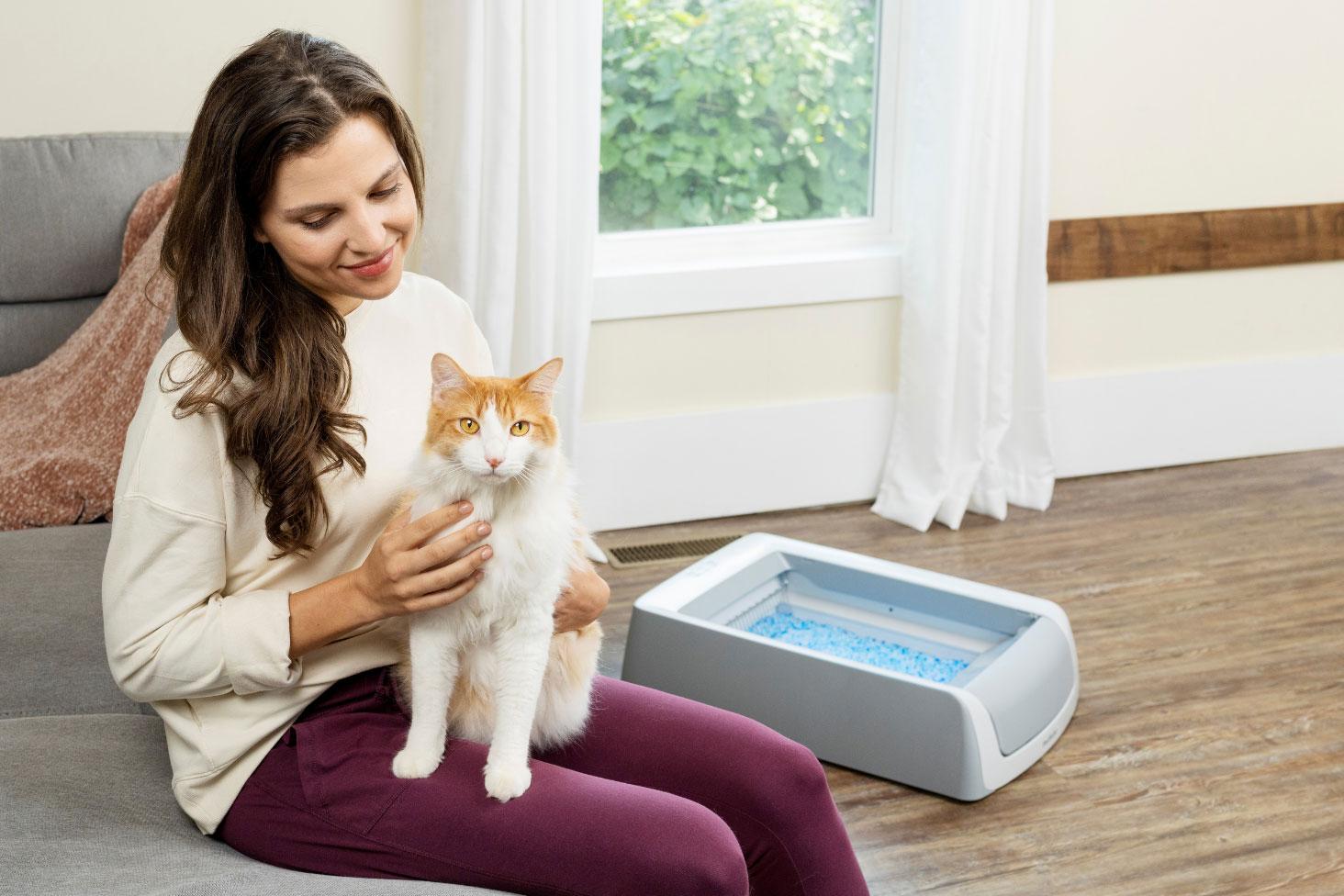
Credit: www.petsafe.com
Factors Influencing Frequency
Cat litter needs regular changing due to odor control and hygiene. Frequency depends on the number of cats and litter type. Clumping litter may require less frequent changes compared to non-clumping varieties. Regular scooping helps maintain cleanliness and extends the life of the litter.
Understanding how often to change your cat litter can feel like a guessing game. However, several factors can guide your decision, ensuring a cleaner and healthier environment for your feline friend. Let’s dive into the key elements that influence how frequently you should be changing your cat’s litter.Number Of Cats
The more cats you have, the more frequently you need to change the litter. Multiple cats using the same litter box means more waste, leading to quicker odor buildup and more frequent cleaning. If you have two cats, consider scooping daily and changing the litter every two to three days.Type Of Litter
The type of litter you choose significantly impacts how often it needs changing. Clumping litter may require less frequent full changes, as you can remove clumps daily. Non-clumping litter, on the other hand, might need a complete change every few days to prevent odors.Cat’s Health And Behavior
A cat’s health and habits can also affect litter changing frequency. Cats with health issues such as diarrhea may require more frequent changes to maintain cleanliness. Additionally, if your cat is fastidious about cleanliness, you might notice them avoiding a dirty litter box, signaling it’s time for a change. Regularly monitoring these factors can help you establish a routine that works best for your household. Have you noticed any changes in your cat’s behavior that might suggest it’s time to switch things up? Taking note of these subtle cues can make all the difference in maintaining a happy and healthy cat.Types Of Cat Litter
Choosing the right type of cat litter can feel like a daunting task. With so many options available, it’s essential to understand the differences to make the best choice for your feline friend. Each type of litter has its own unique benefits and drawbacks, which can affect how often you need to change it.
Clumping Vs Non-clumping
Clumping cat litter is a popular choice among cat owners because it makes cleaning easier. The litter forms solid clumps when it comes into contact with moisture, allowing you to scoop out waste efficiently. This type of litter can last longer since you only need to remove the clumps and not the entire box content.
On the other hand, non-clumping litter absorbs moisture but doesn’t form clumps. This can mean more frequent changes, as it can become saturated quickly. However, it’s often more affordable and can have excellent odor control properties. Which do you prefer: convenience or cost-effectiveness?
Natural And Biodegradable Options
If you’re environmentally conscious, natural and biodegradable cat litter might be your top choice. Made from materials like corn, wheat, or recycled paper, these litters are eco-friendly and safe for your cat. They often provide good odor control and can be composted, reducing landfill waste.
However, they might require more frequent changes as they can break down quicker than traditional litters. Have you considered how this might align with your green living goals?
Silica Gel Crystals
Silica gel crystal litter is known for its exceptional moisture absorption and odor control. The crystals trap moisture, keeping the litter box dry and fresh for weeks. This can reduce the frequency of litter changes, making it an attractive option for busy cat owners.
However, some cats might not like the texture of the crystals under their paws. If your cat is picky about their litter, it might take some time for them to get used to silica gel crystals. Are you willing to experiment to find the perfect fit for your pet?
Understanding the different types of cat litter can help you determine how often to change it. Whether you prioritize convenience, cost, or environmental impact, there’s a type of litter out there to suit your needs and your cat’s comfort. Which type will you try next?
Signs It’s Time To Change The Litter
Keeping the litter box clean is crucial for your cat’s health. Regular cleaning helps avoid unpleasant smells and keeps your home fresh. Knowing the signs for a change can make the process easier.
Learning these signs ensures your pet stays happy and comfortable.
Odor Detection
A strong smell from the litter box is a clear sign. If the odor is noticeable, it’s time for a change. Strong smells can make the home uncomfortable for everyone.
Regular cleaning helps control odors and keeps the area pleasant.
Visual Cues
Look for clumps or wet patches in the litter. These signs show the litter is dirty. Litter should appear dry and clean. If it looks messy, it’s time to refresh.
Visual checks ensure the box remains hygienic.
Cat’s Behavior
Pay attention to your cat’s actions. If the cat avoids the box, it might need cleaning. Changes in bathroom habits can signal discomfort. A clean box encourages regular use.
Observing your cat helps maintain a happy environment.
Tips For Maintaining A Clean Litter Box
Changing cat litter every week helps keep the litter box clean. Regularly scoop waste to prevent odors and bacteria. Use clumping litter for easier cleaning and longer freshness.
Maintaining a clean litter box is crucial for your cat’s health and happiness. Cats are particular creatures, and a dirty litter box can lead to stress and even health issues. By adopting a few simple habits, you can ensure your cat’s litter box stays fresh and welcoming.Daily Scooping
Scoop the litter box every day. This simple task prevents odors and keeps your cat happy. My cat, Whiskers, became noticeably more relaxed once I started scooping daily. Use a sturdy scoop to sift through the litter. Pay attention to corners where waste might hide. This ensures a thorough clean each time.Monthly Deep Cleaning
Perform a deep clean monthly. Empty the entire box and wash it with mild soap and water. Avoid using strong chemicals that can linger in the plastic. Rinse thoroughly and let it dry completely. This deep clean helps remove odors that daily scooping might miss. Your cat will appreciate the fresh start.Using Liner And Mats
Consider using a liner in the litter box. Liners make it easier to change the litter and keep the box clean. They can also prevent waste from sticking to the box. Place a mat outside the litter box to catch loose litter. This keeps your floor clean and reduces the spread of litter throughout your home. A simple mat can make a big difference. How often do you clean your cat’s litter box? Regular maintenance can improve your cat’s quality of life and keep your home smelling fresh. Try these tips and see the difference.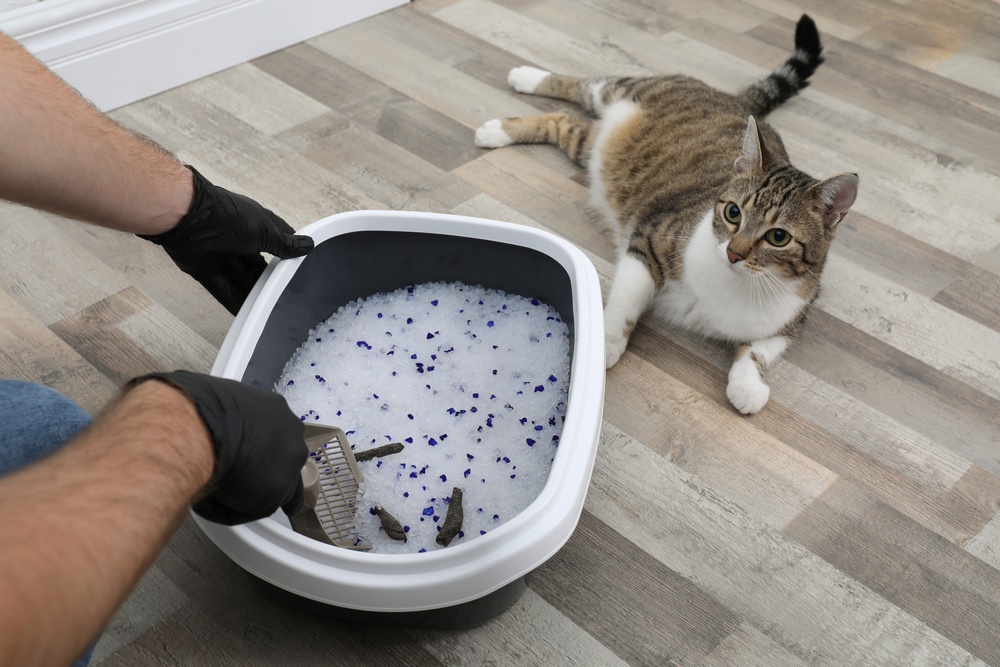
Credit: www.catster.com
Health Implications For Cats
Cats are beloved companions in many homes. Their health is vital for their happiness. Regular litter changes play a big role in this. Clean litter helps keep cats healthy. It prevents various health issues. Unclean litter can lead to serious problems. Let’s explore some key health implications.
Preventing Urinary Tract Infections
Dirty litter can cause urinary tract infections (UTIs). Cats are sensitive to unclean environments. Bacteria thrive in dirty litter. This poses a risk to your cat’s health. UTIs can be painful for cats. They may cause frequent urination. Or even accidents outside the litter box. Regularly changing the litter reduces this risk. It keeps the area clean and safe.
Avoiding Respiratory Issues
Dust from litter can affect your cat’s lungs. Cats breathe in dust while using the box. Over time, this can cause respiratory issues. Cats with asthma are more at risk. Some litters produce more dust than others. Using low-dust litter is beneficial. Changing the litter often further minimizes dust. This helps keep your cat’s airways clear.
Environmental Considerations
Changing cat litter often helps keep the environment clean. Regular changes prevent odors and reduce bacteria growth. Fresh litter also ensures a healthier space for your pet and home.
When you think about changing your cat’s litter, environmental considerations often come into play. Your choice of cat litter and how you dispose of it impacts not just your home but the planet too. Making eco-friendly choices can be simple and rewarding, ensuring you and your furry friend are doing your part for the environment.Eco-friendly Litter Options
Choosing eco-friendly litter can significantly reduce your carbon footprint. Look for options made from natural materials like corn, wheat, or recycled paper. These litters are biodegradable and compostable, offering a sustainable alternative to traditional clay-based products. Have you ever tried switching to a plant-based litter? These options often produce less dust, which is better for both your respiratory health and your cat’s. Plus, they usually come in recyclable packaging, cutting down on waste.Proper Disposal Methods
Once you’ve chosen an eco-friendly litter, proper disposal is the next step. Avoid flushing cat litter down the toilet, as this can lead to plumbing issues and water pollution. Instead, consider composting if you have the space and resources. For those who may not have the option to compost, using biodegradable bags for disposal can help minimize environmental impact. Always check local regulations, as some areas have specific guidelines for cat waste disposal. Are you wondering how to start composting your cat’s waste? Begin by setting up a separate compost bin to avoid contamination with other organic waste. This method can transform waste into a beneficial resource for your garden while keeping the planet in mind. By focusing on eco-friendly options and proper disposal, you contribute to a healthier planet. What small changes can you make today to better the environment for tomorrow?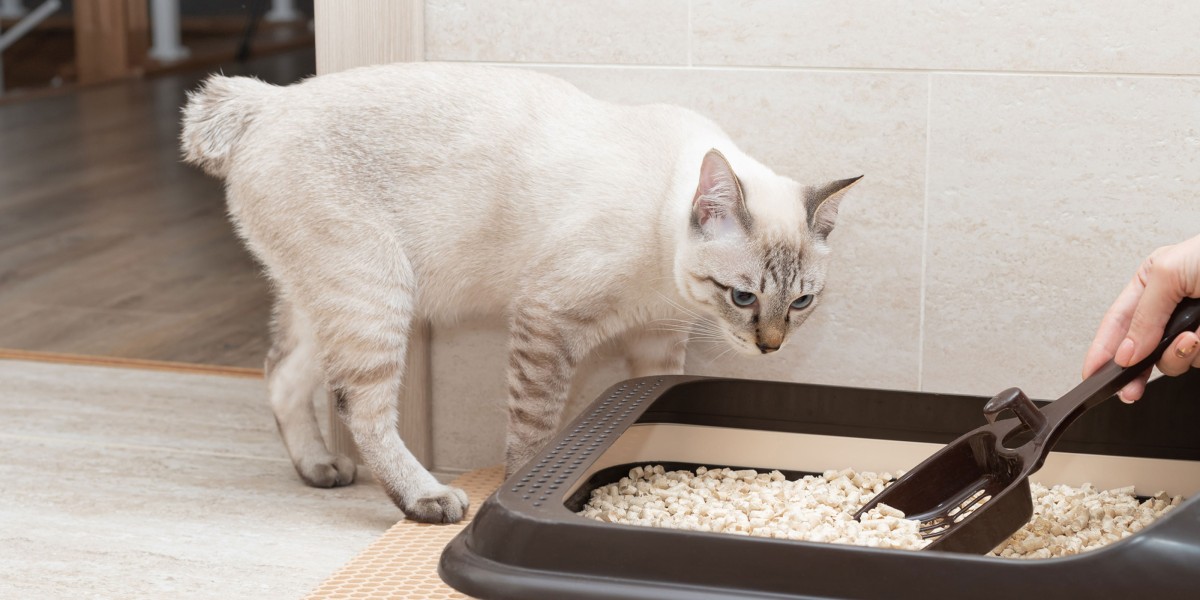
Credit: www.purina.com
Common Mistakes To Avoid
Keeping your cat’s litter box clean is essential for their health. Many pet owners make common mistakes that can impact their cat’s well-being. Avoiding these pitfalls can ensure a cleaner environment for your feline friend.
Inconsistent Cleaning Routine
Consistency is key in maintaining a clean litter box. Skipping days can lead to unpleasant odors and a dirty box. Cats prefer clean spaces and might avoid a box that’s not cleaned regularly.
Set a daily schedule for litter box maintenance. Cleaning it at the same time each day helps establish a routine. This ensures the box remains fresh and inviting for your cat.
Using Scented Litter
Scented litter might seem like a good choice to mask odors. Unfortunately, the strong smell can be off-putting for cats. Their sensitive noses might reject the scented litter.
Opt for unscented litter to keep your cat comfortable. Cats appreciate a natural scent-free environment. Unscented litter allows them to use the box without any distractions.
Frequently Asked Questions
How Often Should You Fully Change Out Cat Litter?
Change cat litter completely every 2 to 4 weeks. Scoop daily to maintain cleanliness. Monitor odor and adjust frequency as needed. Use quality litter for better odor control. Regular cleaning prevents bacteria and ensures a healthy environment for your cat.
Ensure the litter box is dry before adding fresh litter.
How Often Should I Change Cat Litter?
Ideally, cat litter should be changed every 1-2 weeks. However, if you notice strong odors or excessive clumping, change it more frequently. Regularly scooping out waste daily helps maintain freshness. This routine not only ensures cleanliness but also keeps your cat happy and healthy.
What Are Signs To Change Cat Litter?
Notice any foul odor, dampness, or excessive clumping? These are clear signs to change the cat litter. Regularly cleaning and replacing the litter ensures a hygienic environment. A fresh litter box promotes good health and well-being for your furry friend.
Can Changing Litter Too Often Affect Cats?
Changing litter too often can confuse or stress your cat. Stick to a consistent schedule for the best results. Cats prefer a stable environment, and frequent changes might disrupt their routine. Keeping a balance ensures your cat remains comfortable and stress-free.
Conclusion
Choosing the right schedule for changing cat litter matters. It affects both health and happiness. Cats thrive in clean environments. Regular litter changes help keep odors away. It also prevents bacteria build-up. A fresh litter box encourages your cat to use it.
This helps avoid accidents outside the box. Check the litter daily to maintain cleanliness. Scoop out waste often. Replace litter completely every few days. Your cat will thank you with purrs. A clean box equals a happy cat. Keep their space fresh and clean.
It leads to a harmonious home. Your furry friend deserves the best care.