How Much to Feed a One Year Old Cat: Expert Tips
Feeding your one-year-old cat the right amount of food is crucial for their health and happiness. You might find yourself wondering, “Am I giving my cat too much or too little?”
This is a common concern among cat owners, and you’re not alone. Understanding the proper feeding guidelines can make a significant difference in your cat’s overall well-being. Imagine your cat purring contentedly, full of energy, and maintaining a healthy weight.
That’s what the right feeding routine can do. We’ll unravel the mystery of how much food your one-year-old cat really needs. With easy tips and insights, you’ll feel confident in your feeding choices, ensuring your furry friend thrives. Keep reading to discover how you can make mealtime the best part of their day and bring peace of mind to yours.
Nutritional Needs Of A One-year-old Cat
Feeding a one-year-old cat requires understanding its nutritional needs. Cats need balanced portions of protein, fat, and vitamins. A typical one-year-old cat may eat about 250 calories daily. Adjust portions based on activity level and health. Consult a vet for tailored advice.
Cats, like humans, have different nutritional needs as they grow. A one-year-old cat, transitioning from kitten to adulthood, requires a balanced diet to maintain energy and health. Understanding these needs can help you ensure your feline friend thrives.Understanding Protein Needs
Cats are obligate carnivores, meaning they rely heavily on protein from animal sources. At one year, your cat’s diet should be rich in high-quality protein to support muscle maintenance and energy levels. Look for foods with chicken, fish, or beef as primary ingredients.The Role Of Fats
Fats provide essential fatty acids and serve as a concentrated energy source for your cat. A one-year-old cat benefits from healthy fats like omega-3 and omega-6, which support skin health and a shiny coat. Ensure the cat food you choose lists these fats, often found in fish oil or flaxseed.Essential Vitamins And Minerals
Vitamins and minerals are crucial for your cat’s overall health. Calcium and phosphorus are vital for bone health, while taurine supports heart and eye function. Check the label of your cat’s food for these essential nutrients to keep them in peak condition.Balancing Carbohydrates
While cats don’t need carbohydrates as much as humans do, some carbs can provide quick energy. A small amount of rice or barley can be beneficial, but avoid foods with high corn or wheat content. Observe how your cat reacts to different foods and adjust as needed.Hydration Is Key
Cats naturally have a low thirst drive, so they may not drink enough water. Wet food can be a good option to ensure they stay hydrated. If you prefer dry food, make sure fresh water is always available to encourage regular drinking. Are you curious if you’re meeting your cat’s nutritional needs? Checking with your vet can provide personalized advice. Remember, the right balance keeps your cat happy and healthy.Determining The Right Portion Size
One-year-old cats need balanced meals for healthy growth. Feed them 1/4 to 1/3 cup of dry food daily. Adjust portion size based on activity level and weight for optimal health.
Determining how much to feed your one-year-old cat can feel like a guessing game, but it doesn’t have to be. Striking the right balance is essential for your cat’s health and happiness. Providing the right portion size can prevent obesity and ensure your feline friend stays active and playful.Factors Affecting Portion Size
Several factors influence how much food your cat needs. Breed and size are significant considerations. A larger cat will naturally require more food than a smaller one. Health conditions also play a role. Cats with specific health issues may need tailored diets. Always consult with your vet for personalized advice. Type of food is another factor. Wet food and dry food have different calorie content. Check the packaging for feeding guidelines specific to the brand and type you are using.Weight And Activity Considerations
Your cat’s weight is a key factor in determining portion size. Weigh your cat regularly to ensure they are maintaining a healthy weight. Adjust their food intake if they start to gain or lose weight. Activity level is equally important. A more active cat will burn more calories and may need a bit more food. My cat, Luna, loves to chase her toys around the house for hours. I noticed she needed slightly larger portions compared to when she was a kitten. Consider if your cat is an indoor or outdoor cat. Indoor cats may require fewer calories since they tend to be less active. Have you noticed your cat begging for more food or leaving food in the bowl? These behaviors can also give you clues about their needs. By paying attention to these factors, you can ensure your cat gets the right amount of food to support their health and lifestyle. Your feline companion relies on you to make the best choices for their diet. Are you ready to fine-tune their meal plan?Wet Vs. Dry Food Options
Selecting the right food for a one-year-old cat involves understanding portion sizes for wet and dry options. Wet food often requires more frequent servings due to its moisture content, while dry food is typically offered in measured amounts. Balancing these options ensures proper nutrition and supports healthy growth.
Choosing the right food for your one-year-old cat can feel like a guessing game. You’ve probably noticed the endless options of wet and dry cat food lining the shelves. Each type has its devoted fans and skeptics. Understanding the pros and cons of both can guide you to the best choice for your furry friend.Pros And Cons Of Wet Food
Wet food is often higher in moisture, which can help keep your cat hydrated. This is particularly beneficial if your cat isn’t a big drinker. Cats are notorious for being picky about water, so wet food can be a simple way to ensure they get enough fluids. However, wet food can be messy and spoil quickly once opened. You might find yourself discarding leftovers more often than you’d like. Also, wet food tends to be pricier, which might stretch your budget if you’re feeding multiple cats.Benefits Of Dry Food
Dry food, on the other hand, is convenient and easy to store. It’s perfect for busy pet owners who need to leave food out for their cat throughout the day. Plus, it can help with dental health by reducing tartar buildup. Dry food is generally more affordable than wet food. This makes it a practical choice if you’re watching your spending. But, have you noticed if your cat is drinking enough water? Dry food lacks moisture, so ensure your cat has access to plenty of fresh water. Think about your cat’s habits and preferences. Does your cat enjoy crunching on kibble, or do they prefer the texture of wet food? Balancing their likes with nutritional needs can lead to a happy and healthy cat. Consider mixing both types of food to create a diet that suits your cat’s tastes and your lifestyle. Some cats thrive on a combination, getting the benefits of both wet and dry food. Have you tried offering a mix? It might be the ideal solution for your feline friend.Reading Cat Food Labels
Understanding how much to feed a one-year-old cat requires careful attention. Reading cat food labels is essential for making informed decisions. These labels reveal crucial information about ingredients and nutrients. Knowing this helps ensure your cat gets a balanced diet.
Understanding Ingredients
Ingredients listed on cat food labels are key. They show what is inside the food. Look for real meat or fish as the first ingredient. This ensures your cat gets enough protein. Avoid foods with fillers like corn or soy. These offer little nutritional value. Natural preservatives are better than artificial ones. They keep the food fresh without harmful chemicals.
Identifying Key Nutrients
Key nutrients are essential for your cat’s health. Protein is vital for growth and muscle maintenance. Taurine supports heart and eye health. Fat provides energy and helps absorb vitamins. Vitamins and minerals boost immune systems. Fiber aids digestion and prevents obesity. Check labels for these nutrients to keep your cat healthy.
Feeding Schedule Tips
Determine the right portion for a one-year-old cat by considering weight, activity, and food type. Feed them twice a day, ensuring a balance of wet and dry food for optimal health. Regularly check with a vet to adjust the diet as needed.
Feeding your one-year-old cat is more than just filling the bowl. It’s about understanding their needs and creating a routine that supports their health and happiness. Just like us, cats thrive on consistency and predictability. In this section, you’ll find practical tips to establish a feeding schedule that works for both you and your feline friend.Establishing Consistent Meal Times
Consistency is key. Just like you enjoy your meals at regular times, your cat does too. Choose specific times for breakfast and dinner and stick to them. Morning and evening are usually ideal, aligning with your daily routine. This predictability helps manage their hunger and supports their digestive system. Consider your schedule and adjust accordingly. If you leave early for work, perhaps a slightly earlier breakfast works best.Adjusting For Lifestyle Changes
Life is full of changes, and your cat’s feeding schedule might need tweaking. Whether it’s a new job or a holiday, flexibility is essential. If your schedule shifts, gradually adjust feeding times. Sudden changes can confuse your cat and disrupt their eating habits. Think about how you feel when your routine is disrupted. Your cat experiences similar feelings. Be patient and make small adjustments. Are you introducing new activities or pets into the household? Observe how these changes impact your cat’s appetite and adjust meals accordingly. Keep communication open. Observe your cat’s behavior; they might signal if they’re hungry or need a schedule adjustment. Creating a feeding schedule doesn’t have to be rigid. It’s about finding a rhythm that respects both your lifestyle and your cat’s needs.
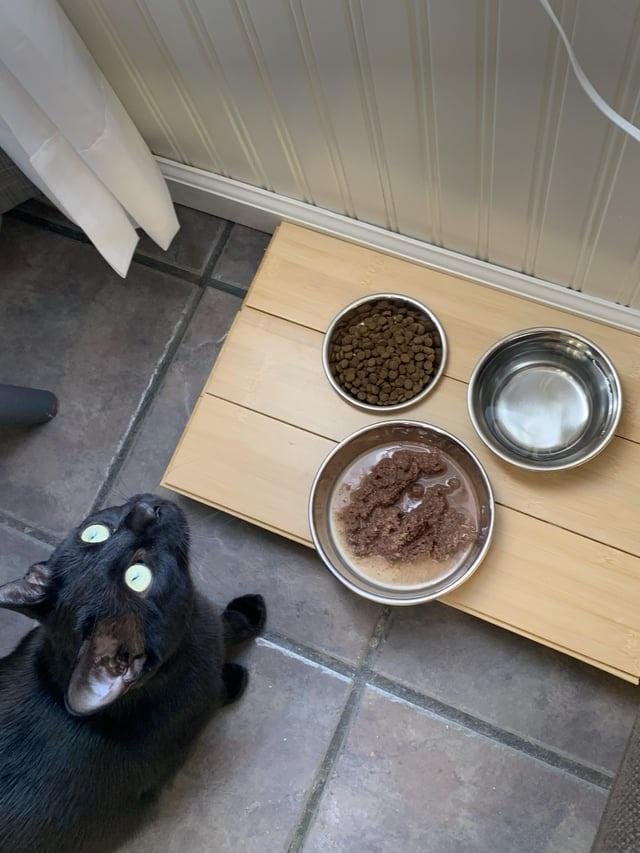
Credit: www.reddit.com
Monitoring Your Cat’s Health
Feeding a one-year-old cat requires attention to portion sizes. Cats need balanced meals to maintain healthy weight and energy levels. Consult a vet for specific dietary needs based on your cat’s breed and lifestyle.
Understanding your cat’s health is crucial for their well-being. A balanced diet supports their energy and happiness. Regularly assess your cat’s weight and behavior. This helps you ensure they are eating the right amount. Too much or too little food can lead to health issues. Observing your cat’s habits is key to keeping them healthy.Signs Of Overfeeding
Overfeeding can cause your cat to gain weight. Look for a round belly or difficulty moving. Your cat might also become lazy or sleep more than usual. Check their fur. A greasy coat can signal too much food. Regularly weigh your cat. A steady increase in weight needs attention.Indicators Of Underfeeding
Underfeeding can make your cat thin and weak. Notice if ribs are visible or they lose muscle. Cats may beg for food or search for scraps. They could become less active or playful. Monitor their fur. A dull coat might mean they’re not eating enough. Regular vet visits can help catch these signs early. `Consulting With A Veterinarian
Feeding a one-year-old cat requires attention to detail. Their nutritional needs can vary. Consulting a veterinarian ensures you meet their specific dietary requirements. Vets offer expert advice on portion sizes and nutrient balance. This helps maintain your cat’s health.
A vet visit can clarify doubts about feeding schedules and food types. They consider your cat’s weight, activity level, and health history. This personalized approach is key to keeping your cat happy and healthy.
When To Seek Professional Advice
Not sure how much to feed your cat? It’s time to seek advice. Notice unusual weight gain or loss? Consult a vet. If your cat seems lethargic or hyperactive, ask for guidance. Professional advice ensures your cat’s diet supports their lifestyle.
Regular vet check-ups can prevent nutritional imbalances. Early intervention keeps your cat in optimal health. Don’t wait for problems to arise. A proactive approach is always better.
Customizing A Feeding Plan
Every cat is unique. A vet can help create a customized feeding plan. This plan takes into account your cat’s age, breed, and activity level. It also considers any existing health conditions.
Vets recommend specific food types and portion sizes. They may suggest wet or dry food options. A tailored plan supports your cat’s growth and overall well-being. It ensures they get essential nutrients daily.
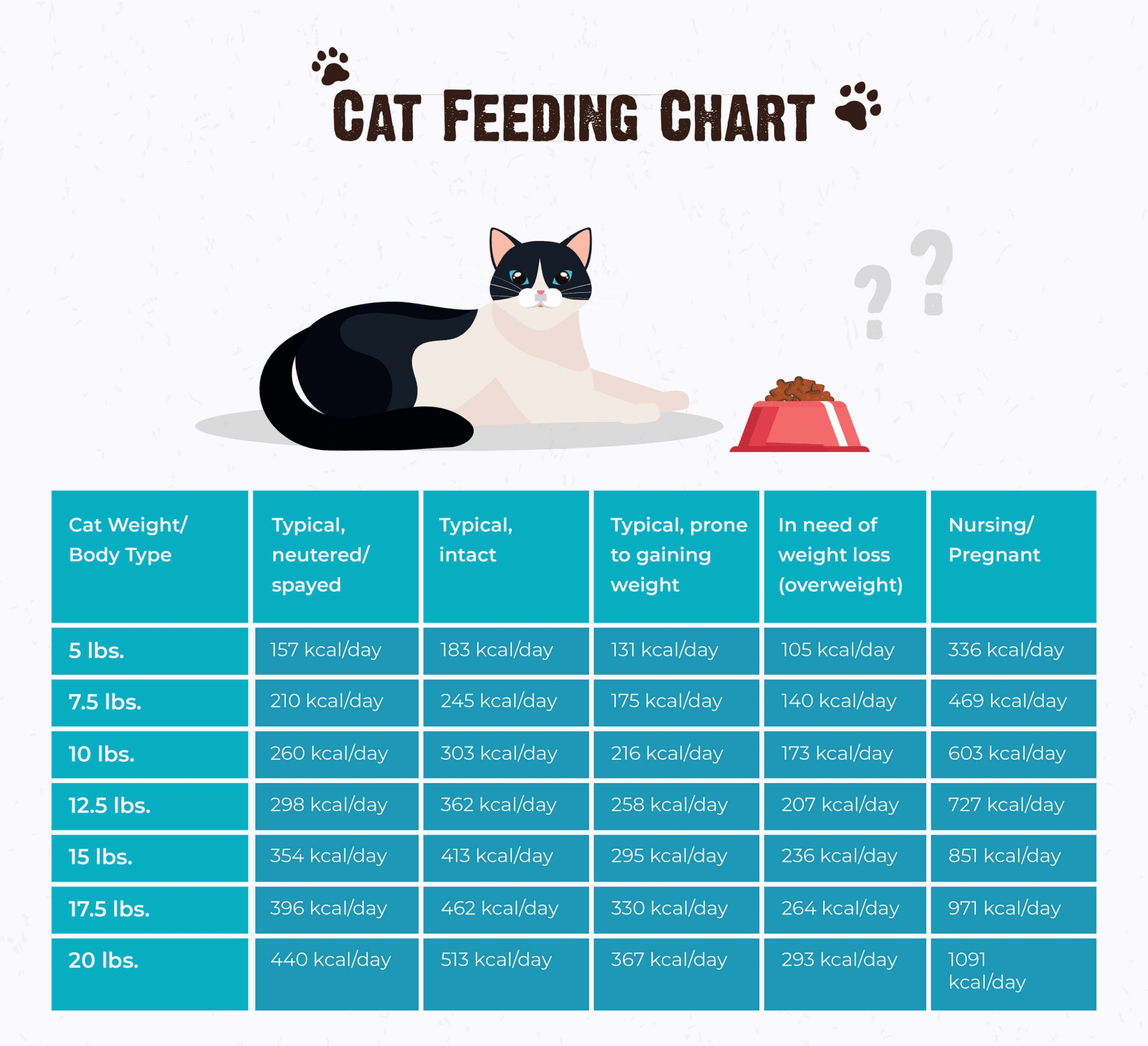
Credit: www.consolata.org
:strip_icc()/how-much-canned-food-to-feed-554404-Final-4e9268619c4847eaac29498a6a17d88c.png)
Credit: www.thesprucepets.com
Frequently Asked Questions
How Much Food Should A 1 Year Old Cat Eat Per Day?
A 1-year-old cat typically needs about 200-250 calories daily. This equals roughly 3/4 to 1 cup of dry food or 5-6 ounces of canned food. Always consult your vet for personalized advice based on your cat’s health and activity level.
Is 1 Cup Of Cat Food Too Much?
A cat’s food intake depends on age, weight, and activity level. Typically, 1 cup may be too much for most cats. Adjust portions based on your cat’s needs and consult a vet for guidance. Balanced feeding ensures your cat maintains a healthy weight.
What Is A Normal Portion Of Cat Food?
A normal portion of cat food depends on the cat’s age, weight, and activity level. Typically, adult cats eat 3 to 4 ounces of wet food per meal or 1/4 cup of dry food twice daily. Always check the packaging or consult a vet for specific dietary needs.
Do Cats Stop Eating When They Are Full?
Cats usually stop eating when they are full, but some may overeat due to stress or boredom. Observing their eating habits helps in maintaining their health. Ensure they have a balanced diet and consult a vet if unusual eating patterns occur.
Proper portion control is important for their well-being.
Conclusion
Feeding a one-year-old cat requires attention and care. Offer balanced meals. Monitor your cat’s weight and energy levels. Adjust portions if necessary. Consult your vet for personalized advice. Pay attention to your cat’s preferences. Fresh water is essential. A feeding routine helps maintain health.
Be patient and observe changes. Your cat’s health relies on good nutrition. Make feeding a loving experience. Your efforts lead to a happy, healthy cat. Understanding your cat’s needs ensures a longer, joyful life together.

Similar Posts