
Are you wondering how much to feed your 1-year-old cat? You’re not alone.
Many cat owners find themselves puzzled when it comes to portion sizes and feeding frequencies. Feeding your feline friend the right amount is crucial for their health and happiness. But with so many options and opinions out there, it can be overwhelming.
Imagine the peace of mind you’ll have knowing you’re giving your cat exactly what they need. We’ll break it down for you. From understanding portion sizes to choosing the best food, we’ve got all the answers you need. Keep reading to discover the secrets to a healthy, satisfied cat.

Credit: www.reddit.com
Nutritional Needs Of A 1-year-old Cat
Feeding your 1-year-old cat can be confusing. At this age, cats need a balanced diet to stay healthy. Their nutritional needs change as they grow.
A 1-year-old cat is an adult. They require food that maintains their energy and health. Understanding what they need is crucial.
Protein Requirements
Cats need protein for growth and energy. It supports muscle maintenance. High-quality animal-based proteins are best. Look for chicken, beef, or fish.
Essential Fats
Fats are vital for a cat’s health. They provide energy and support brain function. Omega-3 and omega-6 fatty acids are essential.
Vitamins And Minerals
Cats need vitamins and minerals for strong bones and teeth. These nutrients support overall health. Ensure their food contains vitamins A, D, and E.
Hydration Needs
Cats often drink less water than needed. Wet food helps increase their water intake. Always provide fresh water.
Caloric Intake
The caloric needs of a 1-year-old cat depend on activity levels. Indoor cats may need fewer calories. Monitor their weight and adjust food accordingly.
Factors Influencing Food Quantity
Understanding how much to feed a 1-year-old cat can be challenging. Several factors influence food quantity. Each cat is unique, and feeding depends on many aspects. Discover the key factors that impact your cat’s feeding needs.
Activity Level
Activity level greatly affects how much your cat should eat. Active cats burn more calories. They may need more food to maintain energy. Indoor cats are usually less active. They require fewer calories compared to outdoor cats. Observe your cat’s play and movement. Adjust food intake accordingly.
Weight And Size
Weight and size play a crucial role in determining food needs. Larger cats need more food than smaller ones. Ensure your cat maintains a healthy weight. Overfeeding can lead to obesity. Underfeeding can cause malnutrition. Regularly check your cat’s weight. Adjust portions as needed.
Health Status
Health status is vital in deciding food quantity. Some health issues demand special diets. Cats with conditions like diabetes need specific feeding plans. Consult your vet for advice. Healthy cats have different needs compared to sick ones. Always consider their health when deciding portions.
Types Of Cat Food
Feeding a one-year-old cat involves choosing between dry, wet, or raw food. Consider the cat’s weight and activity level. A balanced diet ensures health, with portion sizes typically between 1/4 and 1/2 cup daily.
Understanding the types of food for your one-year-old cat is key. Each type has its benefits. Your choice affects their health and happiness. Let’s explore the main types of cat food.Dry Food
Dry food is popular among cat owners. It’s convenient and lasts longer. Cats can graze on it all day. This helps with dental health by reducing plaque. Ensure it has quality proteins and nutrients. Check for fillers like corn or wheat. These are less nutritious for cats.Wet Food
Wet food has higher moisture content. This benefits cats who don’t drink much water. It can improve hydration. Wet food often has higher protein content. This mimics a cat’s natural diet. Look for real meat as the first ingredient. Avoid options with many additives.Raw Diet
A raw diet is more natural for cats. It includes raw meats, bones, and organs. This diet requires careful preparation. Balance is crucial for nutrients. It can improve coat health and energy levels. Some cats may struggle with raw food digestion. Always consult a vet before choosing this diet.Feeding Schedule And Portions
Feeding your 1-year-old cat properly is crucial for their health. A balanced feeding schedule and portions ensure they get the nutrition needed for growth and energy. With age, cats have specific dietary needs that should be met consistently. Understanding how much to feed your cat helps prevent obesity and ensures vitality.
Meal Frequency
Most adult cats benefit from eating two meals a day. This routine mimics their natural hunting habits. Morning and evening meals work well for many cat owners. Regular meal times help maintain your cat’s weight and energy levels. Cats thrive on routine, so try to feed them at the same time daily. A consistent schedule reduces stress and improves digestion.
Portion Size Guidelines
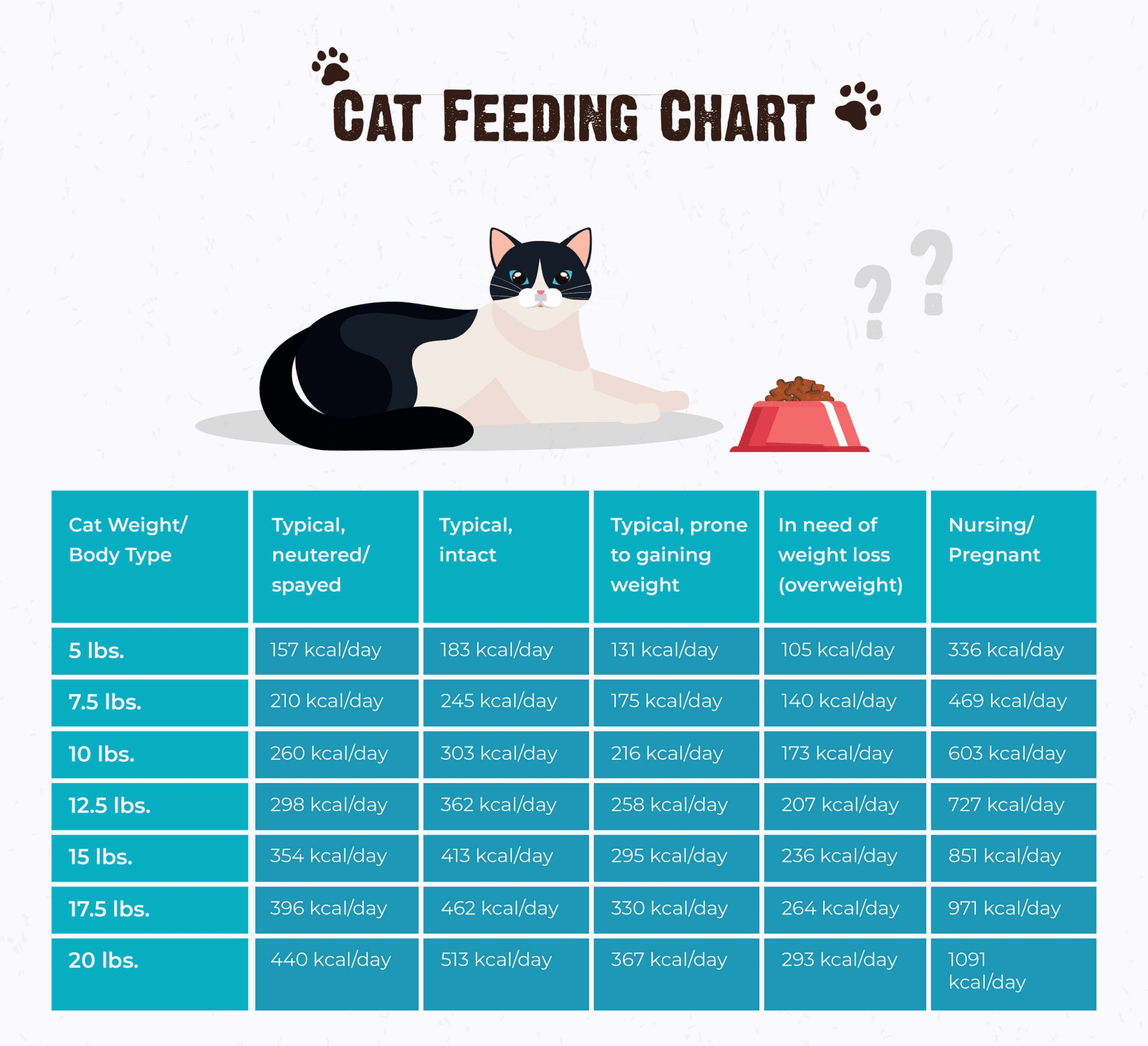
Portion sizes depend on your cat’s weight and activity level. Generally, a 10-pound cat needs about 250 calories per day. Use this guideline to determine how much to feed daily. Always check the cat food packaging for specific serving recommendations. If your cat is less active, adjust portions to prevent weight gain. Consult your vet for personalized advice based on health and lifestyle. Monitoring your cat’s weight regularly is key to ensuring they’re getting the right amount of food.
Signs Of Overfeeding Or Underfeeding
Understanding the signs of overfeeding or underfeeding a one-year-old cat is crucial. Cats need a balanced diet for good health. Overfeeding can lead to obesity. Underfeeding can cause malnutrition. Both situations can harm your cat’s well-being. Observing certain signs can help you adjust your cat’s diet.
Weight Changes
Regularly check your cat’s weight. Sudden weight gain indicates overfeeding. If your cat’s ribs are hard to feel, it might be overweight. Rapid weight loss suggests underfeeding. A visible spine or ribs is a warning sign. Keep track of any weight fluctuations. Regular vet visits can help monitor your cat’s weight.
Behavioral Indicators
Your cat’s behavior can reveal feeding issues. A lethargic cat might be overweight. Reduced activity levels often indicate excess weight. An underfed cat may become restless. It might beg for food frequently. Notice if your cat becomes irritable or anxious. These can be signs of hunger or discomfort. Changes in sleeping patterns are also important to note.
:strip_icc()/how-much-canned-food-to-feed-554404-Final-4e9268619c4847eaac29498a6a17d88c.png)
Credit: www.thesprucepets.com
Adjusting Diet For Special Needs
Feeding a 1-year-old cat requires careful attention to their dietary needs. Ensure portions are appropriate for their size and activity level. Balanced nutrition helps maintain their health and energy.
Adjusting your 1-year-old cat’s diet for special needs is crucial for maintaining their health and happiness. Cats, like humans, can have unique dietary requirements based on various factors. Whether it’s a medical condition or simply age-related changes, understanding these needs can make a significant difference in their well-being. Let’s explore how you can tailor your cat’s diet effectively.Medical Conditions
Cats with medical conditions often require specific dietary adjustments. If your cat has diabetes, a diet low in carbohydrates and high in protein can help manage their blood sugar levels. Consult with your vet to create a balanced meal plan. For cats with kidney issues, reducing phosphorus intake is vital. Specialized cat food formulas are available to support kidney health. It’s essential to monitor their condition and adjust their diet as needed. Allergies can also affect your cat’s diet. If you notice itching or digestive issues, consider switching to hypoallergenic food. Identifying the allergen through testing can guide you in selecting the right food.Age-related Adjustments
A 1-year-old cat is transitioning from kittenhood to adulthood. Their energy needs will change, so it’s crucial to adjust their diet accordingly. Opt for adult cat food that’s rich in nutrients to support their growing bodies. Portion control becomes important as your cat ages. Overfeeding can lead to obesity, a common issue in adult cats. Use a measuring cup to ensure you’re providing the right amount of food. Have you noticed any changes in your cat’s eating habits as they age? Pay attention to their preferences and adjust flavors or textures to keep them interested. Sometimes, a simple change can make a big difference in their appetite. Incorporating these adjustments into your cat’s diet can enhance their quality of life. Regular check-ups with your vet will help you stay on track and ensure your cat remains healthy and happy. Tailoring their diet to meet their special needs is a proactive step towards their well-being.Consulting A Veterinarian
Deciding how much to feed your 1-year-old cat can be challenging. Cats have specific dietary needs that change with age. Consulting a veterinarian can provide valuable guidance. They offer expert advice tailored to your cat’s health and lifestyle.
A vet understands your cat’s nutritional needs. This ensures your feline friend receives a balanced diet. Regular check-ups with a vet are crucial. They help monitor your cat’s weight and health. This ensures your pet stays in top shape.
Understanding Your Cat’s Unique Needs
Every cat has unique dietary requirements. A vet assesses these based on several factors. Age, activity level, and health conditions play a role. A vet considers all these aspects to recommend the best feeding plan.
Weight And Health Monitoring
Vets help track your cat’s weight. They identify any health issues early. This proactive approach ensures your cat remains healthy. Weight management is crucial for preventing obesity-related problems.
Adjusting Diet For Lifestyle Changes
Cats may experience lifestyle changes. A vet can adjust your cat’s diet as needed. Moving to a new home or changes in activity level may require dietary changes. A vet’s advice ensures your cat adapts smoothly.
Preventing Nutritional Deficiencies
Nutritional deficiencies can harm your cat. Vets help prevent this by recommending the right food. They ensure your cat gets all essential nutrients. Regular vet consultations keep your cat’s diet balanced.
Credit: www.consolata.org
Common Feeding Mistakes To Avoid
Feeding a 1-year-old cat requires careful portion control. Overfeeding can lead to obesity, while underfeeding may cause malnutrition. Balance is key to maintaining your cat’s health.
Feeding your one-year-old cat might seem straightforward, but it’s easy to make mistakes that could affect their health. These errors can lead to weight issues, nutritional deficiencies, or behavioral problems. Understanding these common pitfalls will help you ensure your cat stays healthy and happy.Overfeeding
Giving your cat more food than they need is a common mistake. It’s easy to assume that your cat needs a full bowl all the time, but they may not require it. Overfeeding can lead to obesity, which brings health risks like diabetes and heart issues. Check the recommended portion sizes on your cat food packaging and adjust based on your cat’s activity level.Ignoring Portion Sizes
Not measuring your cat’s food can lead to unintentional overfeeding. Have you ever just eyeballed the amount? It’s a mistake that many make. Use a measuring cup to ensure accurate portions. This simple step can prevent overeating and keep your cat’s weight in check.Feeding Table Scraps
Offering table scraps might seem like a treat, but it can be harmful. Foods we enjoy may not be safe for cats. Some can be toxic, leading to serious health issues. Stick to cat-specific foods and treats. You’ll be supporting their nutritional needs without the risk.Not Considering Activity Level
Your cat’s energy needs can vary based on their activity. A playful, energetic cat requires more calories than a sedentary one. Tailor their diet to match their lifestyle. Observe your cat’s behavior and adjust their food intake accordingly.Skipping Regular Feeding Times
Consistency is key for your cat’s routine. Skipping meals or feeding at random times can lead to stress or digestive problems. Establish regular feeding times and stick to them. Your cat will appreciate the predictability and it helps maintain their health.Neglecting Water Needs
While food choices are important, don’t forget water. Cats need ample water for hydration and kidney function. Make sure fresh water is available at all times. Notice if your cat drinks less and consult a vet if they’re avoiding water. Are there any feeding habits you’ve noticed in your cat that concern you? Addressing these common mistakes can make a big difference in their well-being. Whether it’s adjusting portion sizes or understanding their activity level, these insights can guide you toward better feeding practices.Frequently Asked Questions
How Much Food Should A 1 Year Old Cat Eat Per Day?
A 1-year-old cat typically needs 180 to 250 calories daily. Offer 50-70 grams of dry food or 150-250 grams of wet food. Adjust based on activity level and weight. Consult your vet for personalized advice. Ensure fresh water is always available to keep your cat hydrated.
Is 1 Cup Of Cat Food Too Much?
A cup of cat food might be too much or too little. It depends on your cat’s age, weight, and activity level. Always check feeding guidelines on the cat food packaging. Consult your vet for personalized advice to ensure your cat maintains a healthy weight.
What Is The Average Weight For A 1 Year Old Cat?
A 1-year-old cat typically weighs between 8 to 10 pounds. Factors like breed and diet can affect weight. Regular vet check-ups ensure healthy growth and weight management. Monitor your cat’s diet and activity levels to maintain optimal weight.
What Is A Normal Portion Of Cat Food?
A normal portion of cat food is typically 1/4 to 1/3 cup per meal. Adjust based on your cat’s weight, age, and activity level. Always consult your veterinarian for personalized feeding recommendations to ensure your cat’s health and nutrition needs are met.
Conclusion
Feeding your one-year-old cat requires attention to detail. Keep portions suitable for their size and activity level. Observe your cat’s weight and adjust food accordingly. Balance is crucial. Consult with your vet for tailored advice. They know your cat’s health best.
Avoid overfeeding to maintain their health and happiness. Quality food ensures they get necessary nutrients. Watch for changes in their eating habits. Cats may need different food types as they age. Monitor their health regularly. Healthy feeding creates a happy, thriving cat.
Your love and care play a big role in their well-being.