How Much Dry Cat Food Should a Cat Eat: Expert Guidelines
Are you constantly wondering how much dry cat food your feline friend really needs? You’re not alone.
Feeding your cat can sometimes feel like solving a mystery, especially when it comes to ensuring they get just the right amount. Too much food might lead to obesity, while too little could leave them undernourished. You want to keep your furry companion healthy and happy, but with so many feeding guidelines out there, it’s easy to feel overwhelmed.
We’ll uncover the secrets to finding the perfect portion for your cat, so you can stop guessing and start feeding with confidence. Dive in to discover how you can make mealtime a breeze and ensure your cat thrives.
Daily Caloric Needs
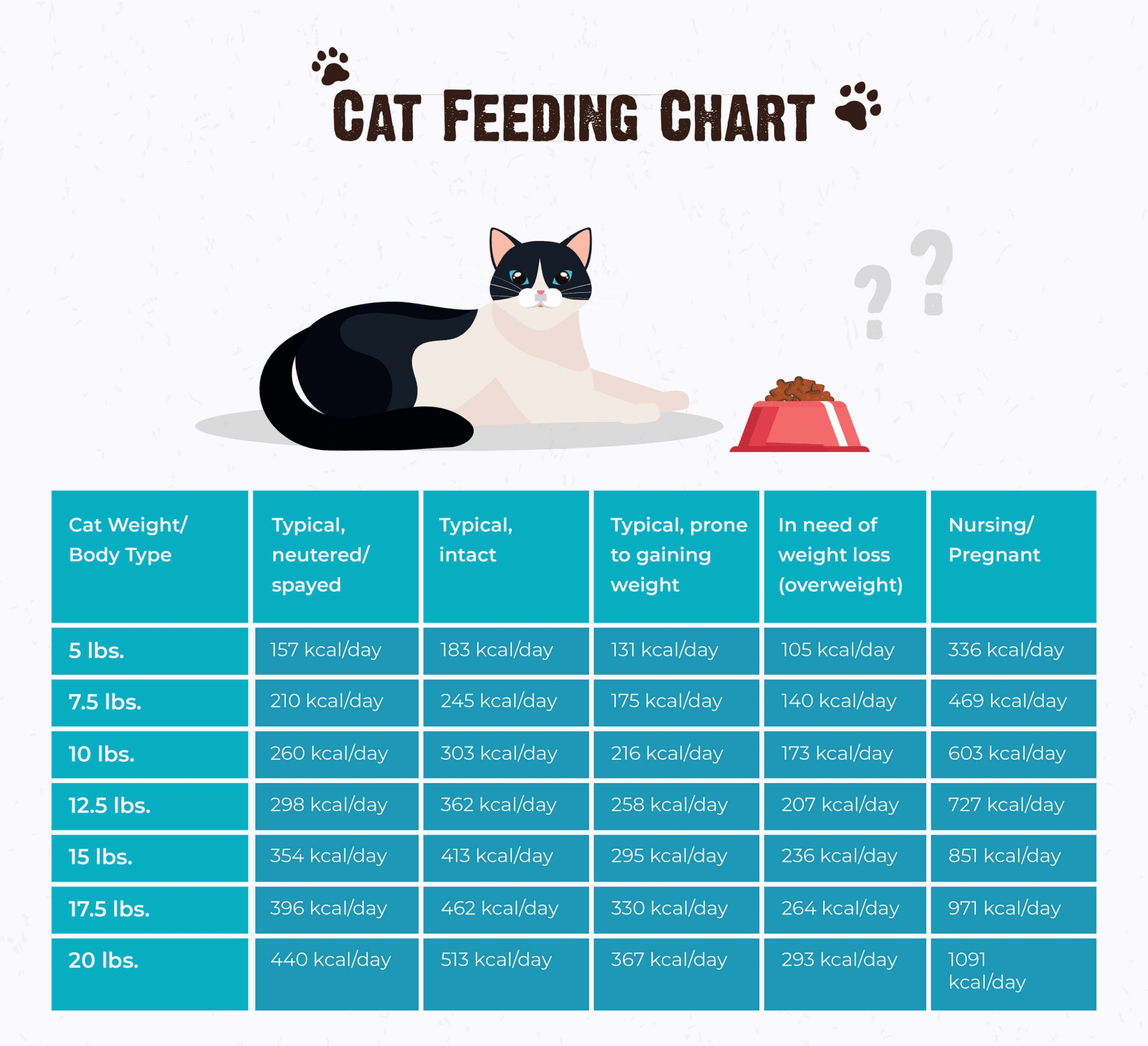
Understanding your cat’s daily caloric needs is crucial. It ensures they get the right nutrition. Cats require balanced calories for energy and health. But how many calories does your cat need each day? This can depend on several factors. Let’s explore these factors to make feeding easier.
Factors Affecting Caloric Requirements
Cats have unique caloric needs. These depend on several factors. Breed, size, and health can all impact this. A larger cat may need more calories. A smaller breed might need less. Health conditions can also play a role. A sick cat may require more energy. Consider these factors to determine the right amount.
Age And Activity Level
Age affects a cat’s caloric needs. Kittens need more calories. They are growing and very active. Adult cats might need fewer calories. Especially if they are less active. Senior cats often require even fewer calories. Their metabolism slows down with age.
Activity level is another important factor. An active cat burns more calories. They need more food to keep energy levels up. A sedentary cat needs fewer calories. Adjusting food intake based on activity helps maintain weight.
Nutritional Composition
A cat’s dry food intake depends on factors like age, weight, and activity level. Balanced nutrition ensures optimal health. Check packaging for feeding guidelines to determine the right amount for your cat.
Understanding the nutritional composition of dry cat food is crucial for ensuring your feline friend remains healthy and energetic. Cats, being obligate carnivores, require a diet that fulfills their specific nutritional needs. This means the food you choose must contain the right balance of proteins, fats, and carbohydrates. But how do you know if your cat’s dry food meets these requirements? Let’s dive into the key nutrients that make up dry cat food.Key Nutrients In Dry Cat Food
Dry cat food is packed with essential nutrients that support your cat’s overall well-being. Proteins are vital for tissue repair and growth. They help maintain strong muscles and a healthy coat. Fats are another critical component. They provide energy and aid in the absorption of fat-soluble vitamins. Carbohydrates often get a bad rap, but they are a source of quick energy and can support digestive health. It’s important to check the ingredient list on the cat food packaging. Look for real meat sources like chicken or fish as primary ingredients. Avoid fillers and artificial additives that provide little nutritional value. What surprises you about your cat’s current food label?Balancing Proteins, Fats, And Carbohydrates
Finding the right balance between proteins, fats, and carbohydrates is key to a well-rounded diet. Cats need higher protein levels compared to other pets. Aim for a food with at least 30% protein. Fats should be around 15-20% to ensure sufficient energy and nutrient absorption. Carbohydrates can be tricky. While cats don’t need them in large amounts, they still play a role in digestion. Keep an eye on the carbohydrate percentage; it should be less than 10%. Is your cat’s food meeting these ratios? A personal tip: When I first switched my cat to a higher protein diet, I noticed an immediate improvement in her energy levels and coat shine. It was a game-changer. Evaluate your cat’s activity level and age when considering these nutritional needs. A playful kitten will need more protein compared to a senior cat. Are you adjusting your cat’s diet as they grow? Remember, each cat is unique, and their dietary needs can vary.Portion Control
Understanding portion control for your cat is crucial for their health and happiness. Overfeeding can lead to obesity, while underfeeding might leave your furry friend hungry and lacking essential nutrients. Striking the right balance is essential, and it requires a keen eye and a bit of patience. Have you ever wondered if your cat’s food bowl has the right amount? Let’s delve into practical ways to measure and adjust serving sizes effectively.
Measuring Serving Sizes
Determining the correct serving size for your cat can be tricky. Start by checking the packaging of your chosen dry cat food. Manufacturers typically provide recommended daily amounts based on weight.
However, these are just guidelines. Consider your cat’s activity level and age. An active young cat might need more food than a senior cat lounging around the house.
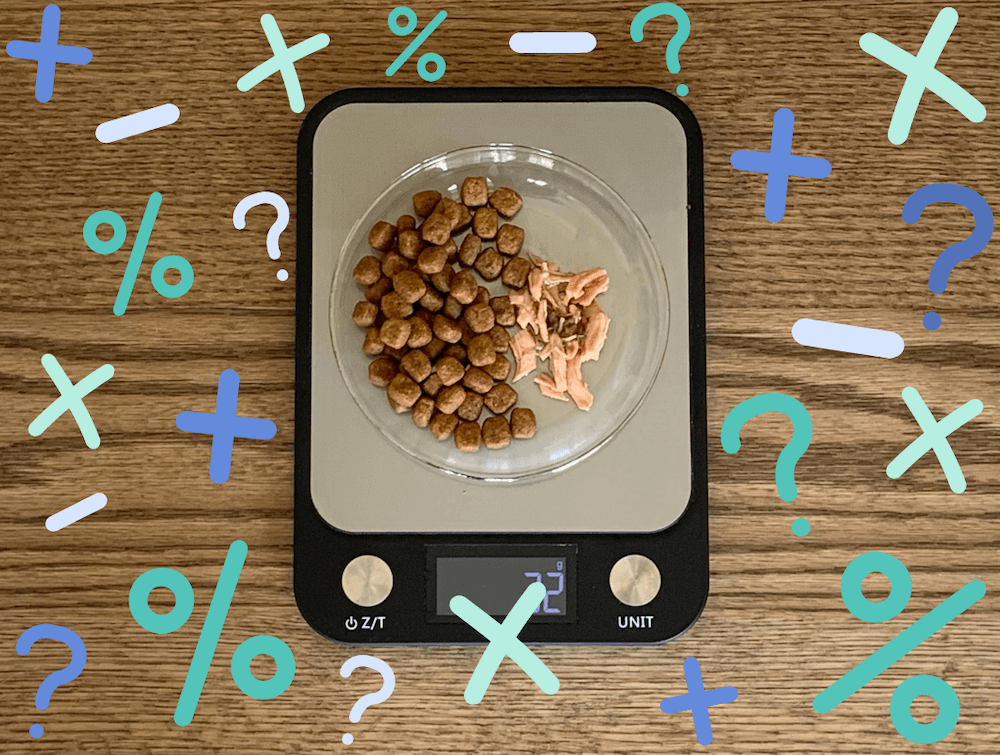
Using a measuring cup can ensure consistency. This simple tool helps avoid the temptation to “eyeball” portions, which often leads to overfeeding. How precise are you with your measurements?
Adjustments For Weight Management
If your cat is gaining weight, it might be time to adjust their portion sizes. Gradually reduce the amount you serve and monitor their weight weekly. Subtle changes can make a big difference.
Conversely, if your cat seems underweight, increase their food slightly and observe if there’s any improvement in their weight and energy levels. Remember, each cat is unique, and what works for one might not suit another.
Regular vet check-ups can provide insights into your cat’s ideal weight and portion needs. Have you consulted your vet about your cat’s diet recently?
Consider creating a feeding schedule to help manage portions effectively. Feed your cat twice a day and keep treats to a minimum. This routine can aid in controlling weight and ensuring balanced nutrition.
Ultimately, the goal is to keep your cat healthy and active. By paying close attention to portion control, you are taking a significant step toward achieving this. How committed are you to adapting your cat’s diet for optimal health?

Credit: www.expertcatcare.com
Feeding Schedules
Feeding schedules play a crucial role in a cat’s health. Proper timing ensures balanced nutrition and prevents overeating. Understanding the best feeding schedule for dry cat food can help maintain your cat’s weight and overall well-being.
Benefits Of Regular Meal Times
Regular meal times offer many advantages for cats. A set routine helps control portion sizes and prevents obesity. Cats thrive on predictability, so scheduled meals provide them comfort. This routine can also help monitor your cat’s eating habits. It’s easier to spot changes in appetite or health issues.
Free Feeding Versus Scheduled Meals
Free feeding means leaving food out all day. Cats eat whenever they feel hungry. This method might work for some cats but can lead to overeating. Scheduled meals involve offering food at specific times. It allows better control over how much your cat eats. Scheduled feeding helps maintain a healthy weight. It prevents the risks of obesity-related diseases. Choosing between these methods depends on your cat’s needs and lifestyle.
Common Feeding Mistakes
Feeding your cat the right amount of dry food is crucial. Many cat owners make mistakes that can impact their pet’s health. Understanding these common feeding errors helps ensure your cat stays healthy.
Overfeeding Risks
Overfeeding can lead to obesity. An overweight cat faces health issues. Heart disease, diabetes, and joint problems are common risks. Cats need a balanced diet for energy and health. Watch the portion sizes to prevent overfeeding.
Ignoring Labels And Recommendations
Food labels offer guidance on portion sizes. Each brand varies in nutrient density. Following label instructions helps meet your cat’s nutritional needs. Recommendations are based on weight, age, and activity level. Ignoring these can lead to underfeeding or overfeeding. Always check the label for serving sizes.
Credit: www.consolata.org
Consulting Veterinarians
Veterinarians help determine the right amount of dry cat food for your pet. Factors like age and activity level matter. Consult them to ensure a balanced diet and healthy weight.
Consulting veterinarians ensures your cat’s diet meets its unique needs. Veterinarians provide expert insights on how much dry food is ideal. They consider the cat’s age, weight, and lifestyle. This professional guidance helps maintain your cat’s health and vitality.When To Seek Professional Advice
Not sure about your cat’s diet? Consult a veterinarian. If your cat shows weight changes, seek advice. Unexplained weight loss or gain can signal health issues. Veterinarians can identify underlying problems. Adjusting food portions may not always solve the issue. Professional input ensures the right approach.Tailoring Diets For Specific Health Issues
Some cats face specific health challenges. Kidney disease, diabetes, or obesity require special diets. Veterinarians customize feeding plans for these conditions. They recommend foods that aid in management. This tailored approach improves your cat’s quality of life. A specific diet can prevent complications. Always follow veterinary advice for health concerns.
Credit: www.petmd.com
Frequently Asked Questions
How Much Dry Food Should Cats Eat A Day?
Adult cats typically need 1/4 to 1/3 cup of dry food daily. Adjust based on activity level and weight. Consult your vet for personalized advice. Always provide fresh water alongside the dry food. Consider nutritional content when selecting cat food.
What Is The 25 Rule For Cat Food?
The 25% rule for cat food means the named ingredient must comprise at least 25% of the product. This applies to labels using terms like “dinner,” “entrée,” or “platter. ” For example, “Chicken Dinner” must have at least 25% chicken.
What Is The Portion Size For Dry Food For Cats?
Feed adult cats about 1/4 to 1/2 cup of dry food daily. Adjust based on their weight, age, and activity level. Always check the packaging for specific recommendations. Ensure fresh water is available. Consult a veterinarian for personalized advice.
Is 2 Meals A Day Enough For A Cat?
Two meals a day are typically enough for most adult cats. Ensure the portions meet their nutritional needs. Consult your vet for personalized advice, especially for kittens or cats with health issues. Regular feeding routines support a healthy weight and digestion.
Conclusion
Finding the right amount of dry cat food is key. Cats have unique dietary needs. Always consider their age and activity level. Consult your vet for personalized guidance. A balanced diet keeps your cat healthy and happy. Observe your cat’s weight and energy.
Adjust portions if needed. Proper nutrition supports their overall wellbeing. Choose high-quality dry food for best results. Trust your instincts and expert advice. Your cat deserves the best care. With attention to their diet, they thrive. Keep them playful and satisfied.
A healthy cat is a happy cat. Your efforts make a difference.