How Much Cat Food Should I Feed My Cat: Expert Guidelines
Are you wondering, “How much cat food should I feed my cat?” You’re not alone.
As a caring pet owner, you want the best for your feline friend. But with so many feeding guidelines and cat food brands, it’s easy to feel overwhelmed. Getting the right amount of food is crucial for your cat’s health and happiness.
Feeding too little can leave your cat hungry, while overfeeding can lead to obesity and other health issues. This article will help you find the perfect balance. You’ll discover simple, actionable tips to ensure your cat is well-fed and thriving. Curious about how to tailor your cat’s diet to their unique needs? Keep reading to uncover the secrets to optimal feline nutrition.

Credit: www.expertcatcare.com
Factors Affecting Cat Food Quantity
Feeding your cat the right amount of food is crucial. Many factors affect how much your cat should eat daily. Understanding these factors helps ensure your pet remains healthy and happy. Let’s explore these factors to determine the right quantity of food for your feline friend.
Age And Life Stage
Cats need different amounts of food at different ages. Kittens require more frequent meals to support their growth. Adult cats need balanced portions to maintain their weight. Senior cats might need less food due to lower activity levels. Consider your cat’s life stage when determining food quantity.
Weight And Body Condition
Your cat’s weight influences its food needs. An overweight cat should eat less to reach a healthy weight. A cat that’s underweight needs more food to gain weight. Monitor your cat’s body condition regularly. Adjust feeding amounts based on weight changes.
Activity Level
Active cats burn more calories. They need more food to fuel their energy. Less active cats require fewer calories. Observe your cat’s daily activity. Adjust food portions to match their energy expenditure.
Health And Medical Conditions
Health issues can affect your cat’s appetite. Some conditions require a special diet. Cats with diabetes or kidney disease need specific food plans. Consult your vet for guidance on dietary needs. Tailor food quantity to your cat’s health requirements.
Credit: www.ardengrange.com
Types Of Cat Food
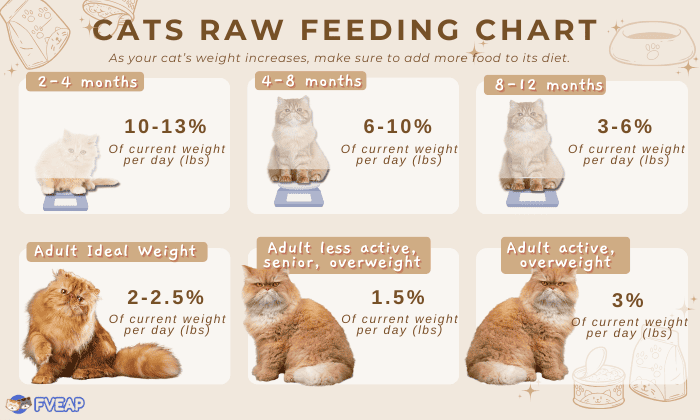
Different types of cat food, like dry, wet, and raw, require varying amounts for proper nutrition. Age, weight, and activity level help determine how much to feed your cat. Consult packaging guidelines or a vet for precise portions.
Understanding the types of cat food available can be the first step in determining how much you should feed your cat. Each type offers unique benefits, and the right choice can depend on your cat’s specific needs and lifestyle. Let’s dive into the main types of cat food: dry, wet, and raw diet.Dry Food
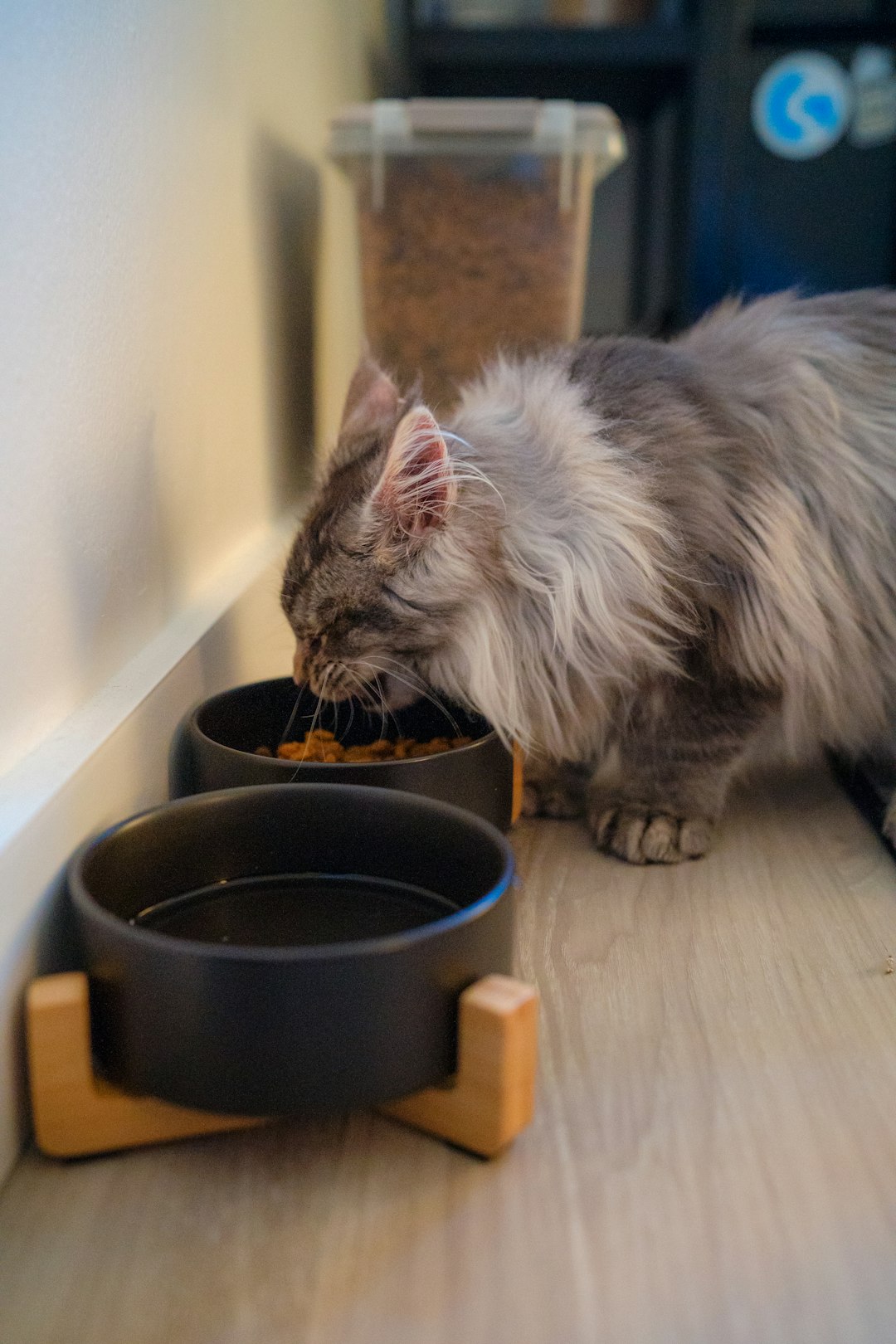
Dry food, also known as kibble, is a popular choice for many cat owners. It’s convenient to store and serve, and it typically costs less than other types of cat food. However, it’s important to ensure your cat has plenty of fresh water available since dry food doesn’t provide much moisture. While dry food can help keep your cat’s teeth clean, it might not be suitable for cats with dental issues. You might notice that your cat tends to snack more frequently when fed dry food. That’s because it often takes longer for cats to feel full compared to wet food.Wet Food
Wet food is often considered a more natural choice for cats due to its high moisture content. This can be particularly beneficial if your cat doesn’t drink a lot of water. Wet food can help support kidney function and keep your cat hydrated. Cats usually find wet food more palatable, which can be great if your feline friend is a picky eater. However, it does tend to spoil faster once opened, so you’ll need to be mindful of portion sizes. Have you noticed your cat eating less when fed wet food? That’s because it’s more filling than dry kibble.Raw Diet
A raw diet mimics what cats would naturally eat in the wild. This diet typically consists of raw meat, bones, and organs. Advocates claim it can lead to healthier coats, more energy, and fewer digestive issues. However, preparing a raw diet can be time-consuming and requires careful handling to avoid bacterial contamination. It’s crucial to consult your vet before switching to a raw diet to ensure it meets your cat’s nutritional needs. Are you ready to invest time in meal prep for your cat’s health benefits? Choosing the right type of cat food involves considering your cat’s health, preferences, and your lifestyle. Each type has its pros and cons, and what works for one cat might not be best for another. What has been your experience with these types of cat food?Daily Caloric Requirements
Understanding your cat’s daily caloric needs ensures their health. Cats generally require 20 calories per pound of body weight. Adjust portions based on activity level and age to keep them fit.
Understanding your cat’s daily caloric requirements is crucial for ensuring they remain healthy and active. Cats, like humans, require a certain amount of calories each day to maintain their energy levels and overall well-being. But how do you determine the right amount for your feline friend?Calculating Caloric Needs
Calculating your cat’s caloric needs can seem daunting, but it’s simpler than you might think. Start by considering your cat’s weight. A general guideline is that an average adult cat needs about 20 calories per pound of body weight. If your cat weighs 10 pounds, they would require around 200 calories daily. However, this can vary based on factors like age, activity level, and whether your cat is spayed or neutered.Adjusting For Special Needs
Every cat is unique, and some might have special dietary needs. If your cat is overweight, you may need to reduce their caloric intake to help them reach a healthier weight. Conversely, an underweight or highly active cat might require more calories. Have you ever noticed your older cat becoming less active? Older cats usually require fewer calories, so you might need to adjust their food intake accordingly. If you’re unsure, consulting your veterinarian can provide personalized advice tailored to your cat’s specific needs. Regularly monitoring your cat’s weight and adjusting their diet can prevent health issues down the line. What changes have you noticed in your cat’s energy levels or weight? It’s important to adapt to these changes to keep your furry friend thriving. Understanding and adjusting your cat’s daily caloric intake can significantly impact their health. It’s not just about filling their bowl—it’s about ensuring they get the right balance for a happy, healthy life.Feeding Guidelines From Experts
Feeding your cat the right amount of food is essential for their health and happiness. Experts offer guidelines that can help you make informed decisions. These guidelines consider various factors like your cat’s age, weight, and activity level. Understanding these recommendations can lead to a healthier, more energetic feline friend.
Veterinarian Recommendations
Veterinarians are your go-to experts when it comes to your cat’s health. They suggest feeding your cat based on their specific needs. A vet might ask about your cat’s lifestyle and medical history to tailor advice.
They often recommend feeding schedules that match your cat’s routine. If your cat is overweight, a vet may advise reducing portion sizes or choosing a lower-calorie food. Regular check-ups can ensure you’re on the right track.
Have you ever noticed your cat acting sluggish? Discuss this with your vet. It might be a sign of improper feeding. A tweak in diet could make a big difference in their energy levels.
Pet Nutritionist Advice
Pet nutritionists specialize in dietary plans for animals. They focus on the nutritional content of food, ensuring your cat gets all the nutrients they need. They might suggest specific brands or types of food that align with your cat’s dietary requirements.
Nutritionists often emphasize the importance of balance. It’s not just about how much you feed but what you feed. A balanced diet with proteins, fats, and carbohydrates is vital.
Imagine your cat being more playful and alert. That’s the impact a well-planned diet can have. A nutritionist can provide detailed charts or meal plans tailored for your cat’s age and health status.
Have you tried switching brands based on a nutritionist’s advice? The right food can transform your cat’s coat and mood. It’s an investment in their well-being.
Do you find yourself questioning how much food is enough? Consult these experts for clarity and peace of mind. Your cat deserves the best, and these guidelines are designed to help you provide just that.
Common Feeding Mistakes
Feeding your cat the right amount is crucial for its health. Overfeeding leads to obesity, while underfeeding causes malnutrition. Measure cat food carefully to ensure balanced nutrition and maintain optimal health.
Feeding your cat might seem straightforward, but many pet owners unknowingly make mistakes that can impact their cat’s health. Whether it’s feeding too much or too little, these common errors can lead to serious health issues. Understanding these pitfalls is crucial for ensuring your feline friend stays happy and healthy.Overfeeding Risks
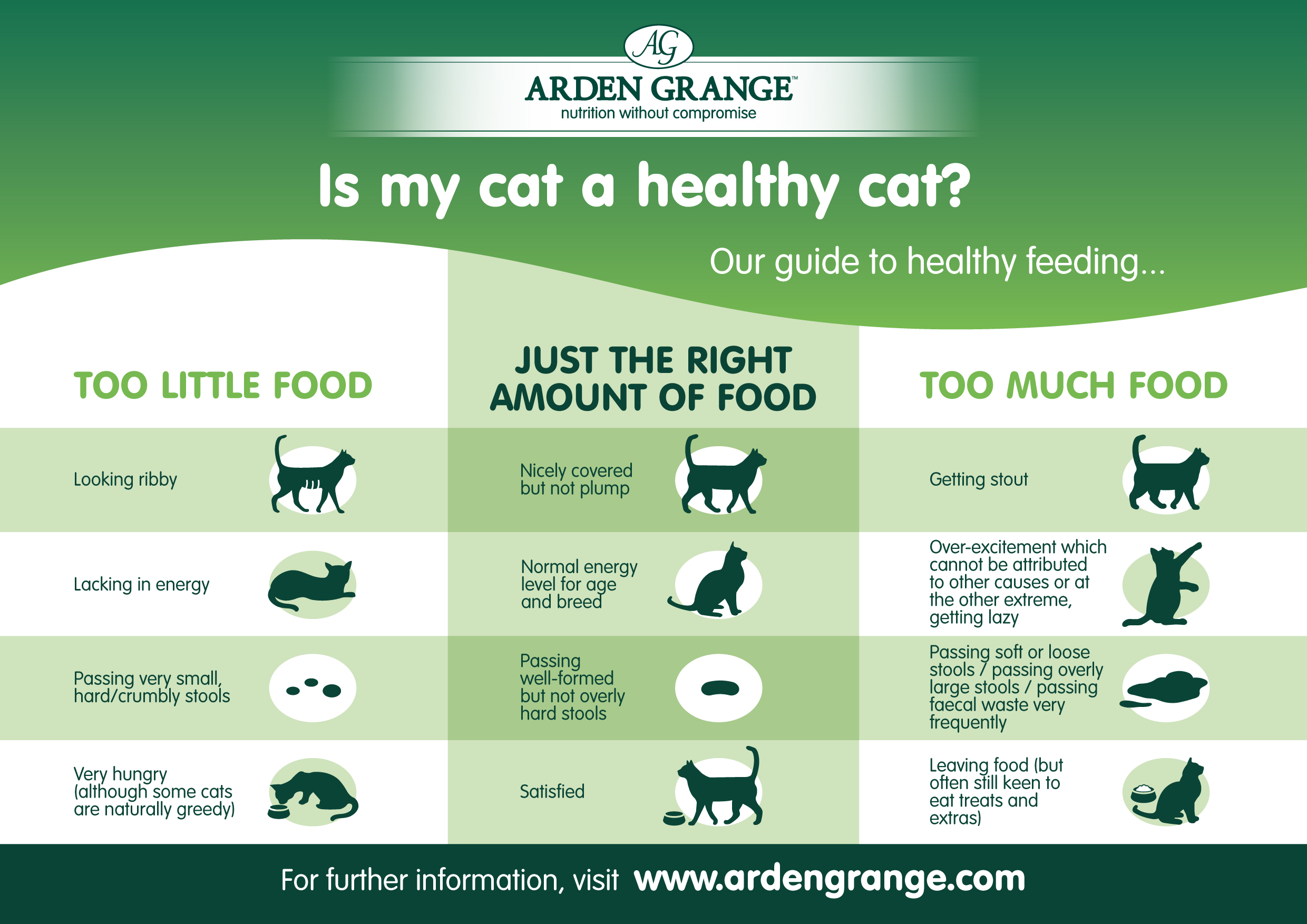
Overfeeding your cat can lead to obesity, a growing concern among pet owners. An overweight cat is at risk for diabetes, liver disease, and joint problems. Imagine trying to find a comfortable position with aching joints; that’s what your cat feels. Cats have different dietary needs based on their age, size, and activity level. It’s easy to mistakenly give them extra treats or larger portions. Have you ever given your cat a few extra kibbles because they looked hungry? That adds up over time. Pay attention to feeding guidelines on cat food packages. They offer a good starting point. Remember, not all cats are the same, so adjust portions based on your cat’s lifestyle.Underfeeding Consequences
On the flip side, underfeeding is equally concerning. A cat that’s not getting enough food can suffer from malnutrition, leading to weakened immune systems and poor coat health. Picture yourself in a constant state of hunger; it’s not pleasant, right? Cats need balanced nutrition to thrive. If your cat’s coat looks dull or they’re losing weight, these might be signs of underfeeding. It’s easy to assume cats eat when they’re hungry, but they rely on us to provide adequate nutrition. Regular check-ups with a vet can help identify if your cat is getting the right amount of food. Have you monitored your cat’s weight lately? It can be a good indicator of their overall health. Finding the right balance in your cat’s diet is essential. How do you ensure your cat is getting just the right amount of food?Monitoring And Adjusting Food Intake
Determining the right amount of food for your cat ensures their health and happiness. Consider your cat’s weight, age, and activity level. Adjust portions as needed to maintain an ideal body condition.
Monitoring and adjusting your cat’s food intake is essential for their health. Cats can quickly become overweight or undernourished. Regular checks help you maintain their optimal weight. It’s important to observe your cat’s eating habits closely. This ensures they receive the right amount of nutrition.Signs Of Overfeeding
Overfeeding can lead to obesity in cats. Look for signs like weight gain and lethargy. Your cat may also have difficulty grooming. Excessive shedding can also be a result of overfeeding. Monitor their energy levels. A healthy cat is active and playful.Identifying Underfeeding
Underfeeding can be just as harmful. Signs include noticeable weight loss and a dull coat. Your cat may seem hungry all the time. They might beg for food or search for scraps. Monitor their ribs and spine. If they become too visible, adjust their food intake.Regular Weight Checks
Regularly weigh your cat to monitor changes. A digital scale works best for this. Keep a record of their weight over time. This helps in spotting trends early. Consult your vet if you’re unsure about their weight. They can provide professional guidance.
Credit: michupet.com
Frequently Asked Questions
Is 1 Cup Of Cat Food Too Much?
Feeding 1 cup of cat food depends on age, size, and activity level. Always consult your vet for advice. Monitor your cat’s weight and adjust portions accordingly. Choose high-quality food for balanced nutrition. Proper feeding ensures healthy growth and prevents obesity.
Is 2 Meals A Day Enough For A Cat?
Yes, two meals a day can be enough for most cats. Ensure the meals are balanced and portioned correctly. Adjust based on your cat’s age, activity level, and health needs. Regular veterinary consultations help determine the best feeding schedule for your cat.
What Is The 25 Rule For Cat Food?
The 25% rule for cat food means the product must contain at least 25% of the named ingredient. For example, “Chicken Dinner” must have 25% chicken. This rule ensures that consumers get a significant amount of the specified ingredient in pet food products, enhancing nutritional transparency.
Can I Feed My Cat Three Times A Day?
Yes, feeding your cat three times a day is generally fine. Ensure portion sizes fit their dietary needs. Consult your vet to confirm this feeding schedule suits your cat’s health and lifestyle. Regular feeding helps maintain energy levels and prevent overeating.
Balance meals with quality cat food for optimal health.
Conclusion
Figuring out the right amount of food for your cat matters. It helps keep them healthy and happy. Remember to check the food label for guidance. Your cat’s age and size matter, too. Regular vet visits help you decide the best amount.
Watch your cat’s weight and energy levels. Adjust food as needed. Every cat is different, so tailor their diet carefully. A balanced diet keeps your cat active and playful. Make feeding time joyful. With patience and care, your cat will thrive.
Enjoy the journey of caring for your furry friend!