How Much Cat Food Should a Cat Eat Per Day: Ultimate Guide
Ever found yourself staring at the cat food aisle, wondering just how much food your furry companion really needs? You’re not alone.
Many cat owners grapple with the question of how much cat food their beloved feline should consume each day. Feeding your cat the right amount is crucial not just for their health, but also for their happiness. Overfeeding can lead to obesity, while underfeeding can deprive them of essential nutrients.
Imagine providing just the right portion that keeps your cat purring with satisfaction and full of life. In this guide, we’ll dive into the factors that determine the ideal daily intake for your cat, ensuring they remain energetic and healthy. Stick around to discover easy tips and expert advice that will make feeding time both simple and rewarding for you and your cat.

Credit: closerpets.co.uk
Factors Affecting Cat Food Intake
Understanding the factors affecting cat food intake is crucial. Cats need balanced nutrition for health and happiness. Various factors determine how much food a cat needs daily. Let’s explore these factors to ensure your feline friend gets the right amount.
Age And Life Stage
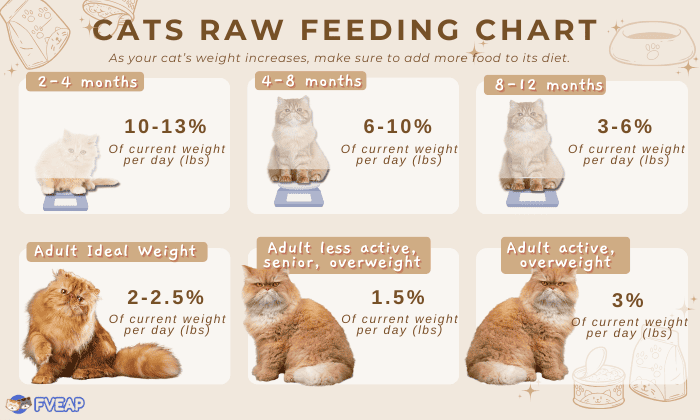
Age plays a significant role in a cat’s dietary needs. Kittens require more food than adults. They need extra calories for growth and energy. Senior cats, on the other hand, may need fewer calories. Their metabolism slows with age. Always adjust portions as your cat matures.
Breed And Size
Different breeds have different energy needs. Larger breeds often need more food than smaller ones. A Maine Coon, for instance, eats more than a Siamese. Consider your cat’s breed and size when determining food portions.
Activity Level
A cat’s activity level influences its calorie needs. Active cats burn more calories. They need more food to maintain energy levels. Less active cats require fewer calories. Adjust their food intake accordingly to prevent weight gain.
Health Conditions
Certain health conditions affect a cat’s diet. Cats with diabetes may need special food. Overweight cats require calorie control. Always consult a vet for dietary advice if health issues are present. Proper diet helps manage health conditions effectively.
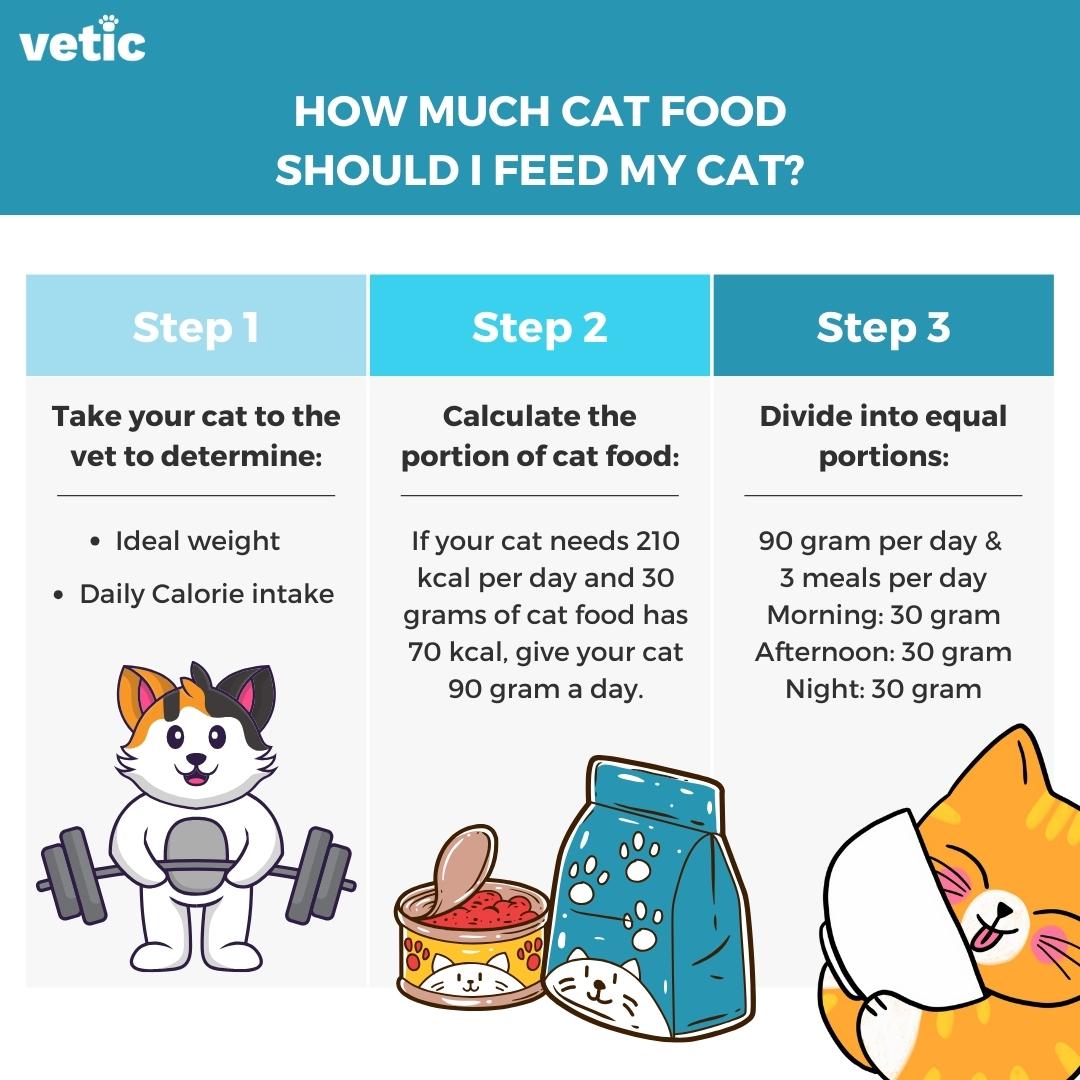
Credit: vetic.in
Nutritional Needs Of Cats
Cats are fascinating creatures. Their nutritional needs are unique and specific. Understanding these needs helps ensure their health and vitality. Proper nutrition supports their energy, growth, and overall well-being.
Essential Nutrients
Cats require essential nutrients to thrive. Vitamins and minerals play crucial roles in their diet. Taurine is vital for their heart and vision. Without it, cats may suffer serious health issues. Omega fatty acids support skin and coat health. They also promote brain function. Fiber aids digestion and prevents constipation.
Caloric Requirements
Calories matter in a cat’s diet. They provide energy for daily activities. Adult cats typically need 20 calories per pound. Active cats may require more. Overweight cats need fewer calories to lose weight. Kittens need more calories for growth. Older cats may need fewer due to decreased activity.
Protein And Fat Ratios
Protein is crucial for cats. It supports muscle and tissue development. Cats are obligate carnivores. Their diet should be high in protein. Fat provides energy and supports cell function. It also enhances flavor in their food. Balance between protein and fat ensures optimal health.
Types Of Cat Food
Choosing the right cat food impacts your feline’s health. Different types of cat food cater to various needs and preferences. Understanding these options helps you make an informed decision.
Dry Vs. Wet Food
Dry cat food, often called kibble, is convenient and affordable. It has a long shelf life and is easy to store. Many cats enjoy the crunchy texture. Wet food, on the other hand, contains high moisture content. It helps keep your cat hydrated, which is essential for their health. Some cats prefer the taste and texture of wet food over dry food. Both types have their own benefits and drawbacks. Balance them based on your cat’s preferences and nutritional needs.
Raw And Homemade Options
Raw food diets have gained popularity. They are believed to mimic a cat’s natural diet. This type of diet includes raw meat, bones, and organs. It can be nutritionally beneficial but requires careful preparation. Homemade cat food is another option. It allows you to control ingredients and quality. Consult a veterinarian to ensure balanced nutrition. Homemade diets can be time-consuming but rewarding for some pet owners.
Specialty Diets
Specialty diets cater to specific health needs. They are often prescribed by veterinarians. These diets help manage conditions like obesity, kidney disease, or allergies. Prescription diets are formulated to provide targeted nutrition. Grain-free options are available for cats with sensitivities. Always consult your vet before switching to a specialty diet. They ensure your cat receives the right nutrients for their condition.
Calculating Daily Food Portions
Understanding how much food a cat needs daily is crucial. It ensures they stay healthy and maintain an optimal weight. Calculating daily food portions can seem challenging. But with the right approach, it’s manageable. This guide will help you understand how to measure your cat’s food.
Using Feeding Guidelines
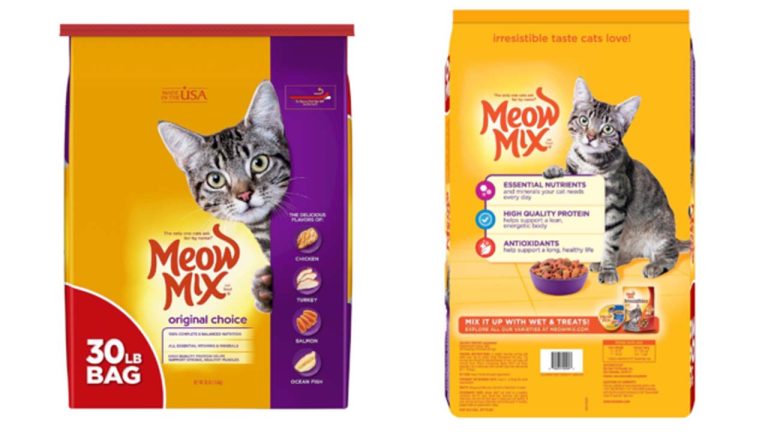
Most cat food packages have feeding guidelines. These guidelines suggest how much to feed your cat based on weight and age. Always start with these recommendations. They provide a good baseline. But remember, every cat is unique. Monitor your cat’s weight and energy levels. Adjust portions if necessary.
Adjusting For Weight Management
If your cat is overweight, reduce their food portions. Smaller portions help them shed excess pounds gradually. For underweight cats, increase their food slightly. Monitor their weight weekly. Adjust portions until they reach a healthy weight. Consult a vet for personalized advice.
Tools For Portion Control
Using a kitchen scale ensures accurate portion sizes. Weigh dry food before serving it to your cat. Measuring cups can also help. They provide consistent portions every time. Automatic feeders are another option. They release set amounts at scheduled times. These tools make portion control easier.
Signs Of Overfeeding And Underfeeding
Detecting signs of overfeeding or underfeeding helps determine daily cat food needs. A pudgy body indicates excess feeding. Lack of energy or weight loss might suggest inadequate nutrition.
Signs of Overfeeding and Underfeeding can impact a cat’s health. Proper feeding ensures a balance in their daily diet. Overfeeding can lead to obesity, while underfeeding might result in malnutrition. Recognizing the signs can help maintain your cat’s well-being.
Behavioral Indicators
Cats may beg for food frequently if they are underfed. They might seem restless or paw at their food bowl. Overfed cats can appear lazy or disinterested in play. A sudden change in activity level can signal a dietary issue. Increased vocalization might indicate hunger or discomfort.
Physical Symptoms
Weight gain is a clear sign of overfeeding. Cats may develop a potbelly or lose their waistline. Underfed cats might have a visible rib cage. Their fur can become dull or patchy. Dental issues could arise from poor nutrition. Skin problems might also indicate dietary imbalance.
Routine Weight Checks
Regular weight checks help monitor your cat’s health. Use a scale designed for pets. Record their weight monthly. Compare it to standard weight ranges for their breed. Sudden weight changes require immediate attention. Consulting a vet provides guidance on ideal weight maintenance.
Adjusting Diet For Special Needs
Determining daily food intake is crucial for a cat’s health. Age, weight, and activity level influence dietary needs. Consulting a vet ensures balanced nutrition for special dietary requirements.
Feeding a cat the right amount of food is crucial. Some cats have special dietary needs. These needs can arise from allergies, age, or medical conditions. Adjusting a cat’s diet helps maintain its health and happiness. Let’s explore how to tailor a cat’s diet for specific needs.
Cats With Allergies
Cats can develop allergies to certain foods. Common allergens include beef, chicken, and dairy. Allergic reactions can cause skin issues and digestive problems. It’s important to identify the allergen. A vet might recommend a special diet. Hypoallergenic cat food is often used. It contains limited ingredients. This reduces the chance of allergic reactions. Always consult a vet before making changes.
Senior Cat Considerations
Senior cats have different nutritional needs. They may require fewer calories. Older cats can be less active. Weight gain can become a problem. Senior cat food often has fewer calories. It may also have more fiber. Fiber helps with digestion. Joint health is another concern for older cats. Some senior cat foods include supplements. These support joint health. Regular vet check-ups ensure dietary needs are met.
Cats With Medical Conditions
Medical conditions can affect a cat’s diet. Diabetes, kidney disease, and obesity are common issues. Each condition requires a specific diet. For instance, diabetic cats need low-carbohydrate food. Cats with kidney disease need special renal diets. These diets are low in phosphorus. Obese cats need calorie-controlled diets. Consult with a vet for a tailored diet plan. Proper nutrition supports treatment and recovery. `
Tips For Feeding Cats
Determining the right amount of food for your cat is essential for their health. Adult cats typically need about 200 to 250 calories daily, depending on their size and activity level. Use feeding guidelines on cat food packaging as a reference, and adjust as needed for your cat’s specific needs.
Feeding your cat the right amount of food each day is crucial for their health and well-being. It’s not just about filling a bowl; it’s about ensuring your cat gets the nutrients they need while maintaining a healthy weight. Whether you’re a first-time cat owner or a seasoned pet parent, these tips will help you make informed decisions about feeding your feline friend.
Establishing A Feeding Schedule
Creating a consistent feeding schedule can make a big difference in your cat’s eating habits. Cats thrive on routine, so feeding them at the same times every day can reduce anxiety and overeating. Consider splitting their daily intake into two or three meals, depending on your schedule. Have you noticed how your cat seems to know when it’s mealtime? That’s the power of routine. A set schedule not only helps with digestion but also strengthens your bond with your cat as they learn to trust you for their meals.
Monitoring Eating Habits
Keep an eye on how much your cat eats and how quickly they finish their meals. Rapid eating can lead to digestive issues, while a sudden decrease in appetite could signal health problems. Use portion control to ensure your cat isn’t overeating, and adjust as needed based on their activity level and weight. If your cat is leaving food in the bowl, it might be time to reduce portion sizes. On the other hand, if they’re always begging for more, consider whether they’re getting enough nutrients from their current diet.
Choosing Quality Food Brands
The quality of the food you provide is just as important as the quantity. Opt for brands that list meat as the first ingredient and avoid those with excessive fillers like corn or soy. High-quality food can prevent health issues and keep your cat’s coat shiny and soft. When selecting a brand, read reviews and consult your vet for recommendations tailored to your cat’s specific needs. Remember, investing in premium cat food now can save you from costly vet bills later.
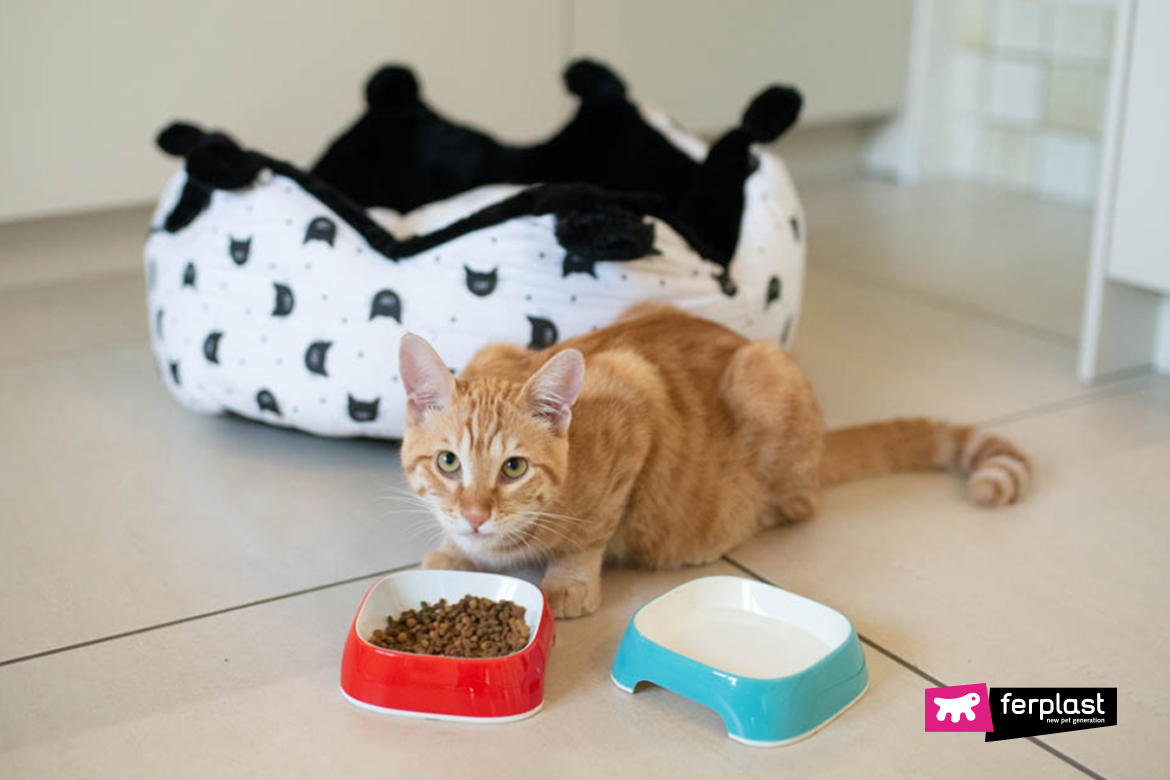
Credit: blog.ferplast.com
Frequently Asked Questions
Is 1 Cup Of Cat Food Too Much?
A cup of cat food may be too much or too little. It depends on your cat’s age, size, and activity level. Consult your vet for personalized advice. Proper portion sizes ensure your cat’s health and well-being. Always monitor your cat’s weight and adjust food accordingly.
How Much Food Should A Cat Eat In A Day?
Adult cats typically need 24-35 calories per pound daily. This translates to about 3-5 ounces of wet food, or 1/4 to 1/3 cup of dry food. Adjust portions based on activity level, weight, and age. Consult your vet for personalized advice.
Is 2 Meals A Day Enough For A Cat?
Cats can thrive on two meals daily if portions meet nutritional needs. Ensure balanced, high-quality cat food. Regular vet check-ups help monitor health and adjust diet.
What Is The 25 Rule For Cat Food?
The 25% rule for cat food means that the named ingredient must comprise at least 25% of the product. This rule ensures transparency in pet food labeling, helping pet owners make informed choices about their cat’s diet.
Conclusion
Feeding your cat the right amount is vital for their health. Understand your cat’s needs based on age, weight, and activity. Consult your vet for personalized advice. Use feeding guidelines as a starting point. Keep fresh water available at all times.
Monitor your cat’s weight and adjust food if needed. Maintain a routine to ensure consistency. Offering a balanced diet keeps your cat happy and healthy. Always prioritize their well-being. Your cat’s health is in your hands. Make informed choices to support their growth and vitality.
Enjoy the companionship of a healthy and satisfied cat.