How Many Litter Boxes Per Cat: Essential Guidelines
When you bring a cat into your home, you want to create a comfortable and happy space for your furry friend. One of the biggest questions cat owners face is: how many litter boxes should you have per cat?
It’s a question that can make a big difference in your cat’s well-being and your home’s cleanliness. You might be thinking that one box is enough, but that might not be the case. Imagine the stress and discomfort your cat might feel when they don’t have a clean, accessible place to do their business.
By understanding the right number of litter boxes, you can prevent unwanted accidents and ensure your cat feels secure and content. Ready to dive into the details and ensure your cat’s happiness? Let’s explore the perfect litter box setup for your home.

Credit: www.tuftandpaw.com
Importance Of Proper Litter Box Management
Proper litter box management is vital for your cat’s health and happiness. Cats are particular about where they do their business. A clean, accessible litter box can prevent behavioral problems. It also ensures your home stays clean and fresh.
Good litter box management reduces stress for your cat. It helps them feel safe and comfortable in their environment. Cats will avoid using a dirty or smelly box. This can lead to accidents elsewhere in your home.
Convenience And Accessibility
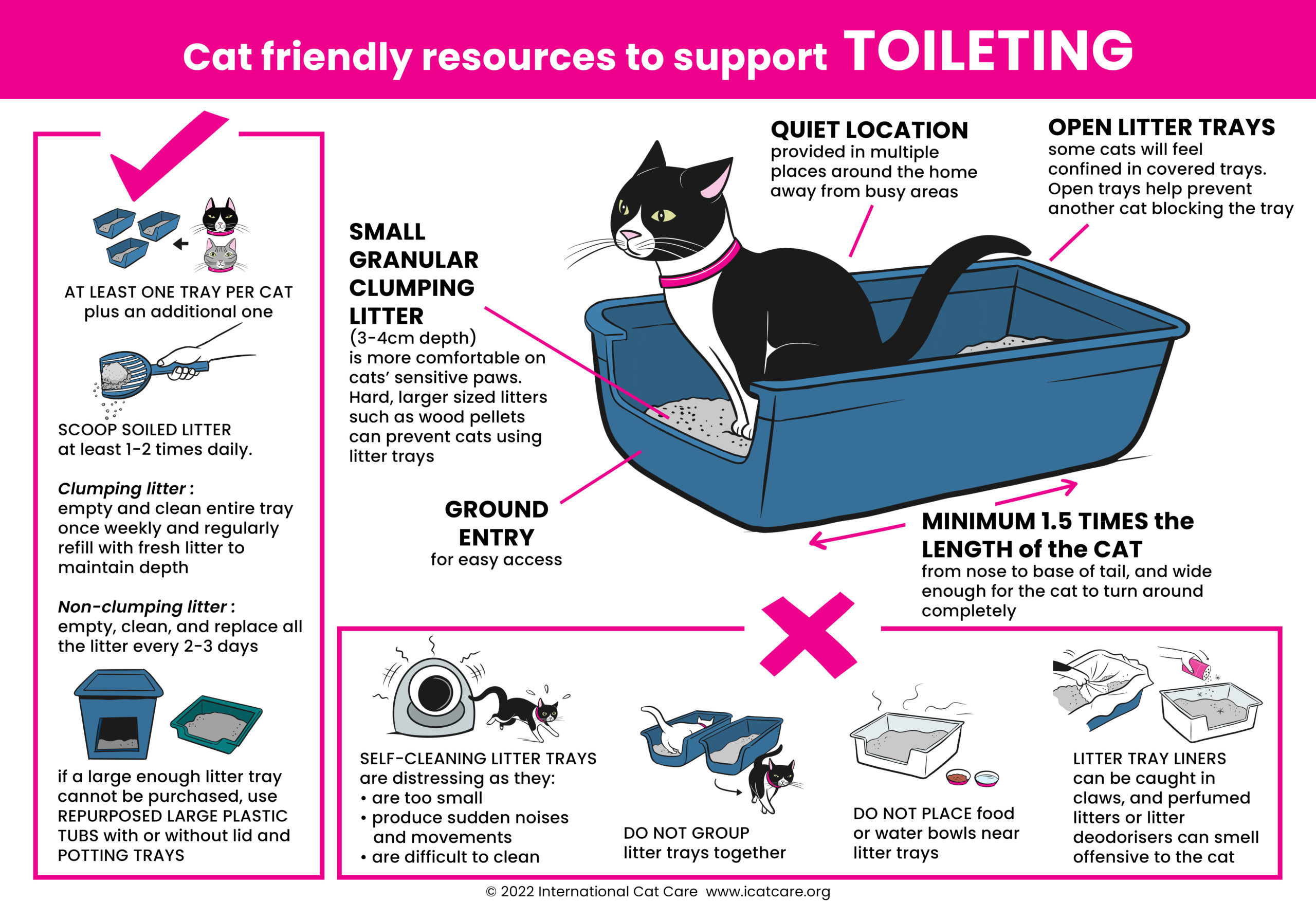
Cats prefer easy access to their litter boxes. Each box should be in a quiet, private location. Avoid placing boxes near loud appliances or high-traffic areas. Cats need a peaceful place to relieve themselves.
Accessibility also means having enough boxes. The rule of thumb is one box per cat, plus one extra. This ensures every cat in your home has options. Multiple boxes prevent territorial disputes among cats.
Cleanliness And Hygiene
Regular cleaning is crucial for litter box management. Scoop waste daily to keep the box fresh. Replace the litter weekly to control odor. A clean box reduces the risk of health issues in cats.
Wash the litter box with mild soap monthly. This prevents bacteria buildup. Cats are sensitive to smells. A clean box is more inviting for them.
Size And Type Matters
Choose the right size and type of litter box. Larger boxes offer more space for movement. This is especially important for bigger cats. High-sided boxes prevent litter from spilling out.
Covered boxes provide privacy but may trap odors. Some cats prefer open boxes. Observe your cat’s behavior to determine their preference.
Factors Influencing Litter Box Quantity
Determining litter box quantity depends on several factors like the number of cats and their habits. Experts recommend one box per cat, plus an extra. Space, cleanliness, and accessibility are crucial for maintaining feline comfort.
Choosing the right number of litter boxes for your cats can make a world of difference in your home. But how do you decide on the perfect number? Several factors come into play, from the number of cats you have to the size of your living space. Understanding these elements can help you create a more comfortable environment for both you and your furry friends.Number Of Cats In The Home
The general rule of thumb is to have one litter box per cat, plus one extra. So, if you have two cats, aim for three litter boxes. This extra box helps to prevent territorial disputes and gives each cat more options. More boxes mean less chance of accidents. Each cat has its own preferences, and having enough boxes reduces the stress of sharing. Have you ever noticed your cats waiting for the other to finish? This simple addition can make them both happier.Household Size And Layout
Consider your home’s size and layout when placing litter boxes. In a larger home, it’s wise to spread them out. This way, your cats won’t have to travel far to do their business. Place boxes in quiet, accessible areas. Avoid high-traffic zones where your cat may feel anxious. If you live in a multi-story home, try having a litter box on each level.Cat Behavior And Preferences
Every cat is unique, with its own quirks and preferences. Some cats are picky about the type of litter or the box itself. Others might prefer a certain location in the house. Observe your cat’s behavior. Does your cat avoid certain boxes? Maybe it’s too noisy or lacks privacy. Adjusting based on these behaviors can prevent unwanted messes. Understanding these factors can greatly improve your cat’s happiness and cleanliness in your home. Have you considered all these aspects in your current setup? A few simple changes might bring peace to your household.General Rule For Litter Box Count
Every cat needs its own litter box for comfort and hygiene. Ideally, one extra box is recommended beyond the number of cats. This ensures each cat has space, reducing stress and unwanted mess.
Understanding how many litter boxes you should have for your feline friends can make a world of difference in maintaining a happy and clean home. The general rule for litter box count is simple yet crucial for cat owners. It helps prevent territorial disputes and promotes a healthy environment for your pets.One Litter Box Per Cat Plus One Extra
The basic guideline is to have one litter box per cat, plus an additional one. So, if you have two cats, you should have three litter boxes. This ensures each cat has its own space and an extra option if one box is occupied or too dirty. Think about it: would you want to wait for a bathroom if there were only one? Your cats appreciate having choices, too. An extra litter box can also help reduce stress-related accidents in the house.Adjustments For Multi-cat Households
In multi-cat households, the dynamics change, and so should your litter box strategy. If your cats don’t get along well, consider placing the boxes in different locations. This ensures that each cat has its own territory and reduces the chance of bullying. Observe your cats’ behavior. If you notice one cat blocking another from a particular box, it might be time to add another one in a separate area. This small adjustment can lead to a more harmonious home environment. Are your cats still having issues? It might be worthwhile to experiment with different types of litter or box designs to see what your cats prefer. Each cat is unique, and what works for one may not work for another. With a little attention and adjustment, you can create a comfortable space for your feline family. How do you ensure your cats feel at home? Share your thoughts in the comments!
Credit: www.petnurture.com.au
Common Mistakes In Litter Box Allocation
Providing the right number of litter boxes for your cats is crucial. Many cat owners overlook common mistakes in litter box allocation. These errors can lead to stress and behavioral issues in cats. Understanding these mistakes helps improve your cat’s living conditions.
Overcrowding Issues
Too many cats sharing a single litter box create problems. Cats need space to feel comfortable. One litter box for multiple cats can cause anxiety. Cats may start avoiding the litter box altogether. This behavior can lead to messy situations at home.
Overcrowding can result in territorial disputes. Each cat should have access to its own box. Sharing can lead to aggression and fights. Cats need personal space to feel safe.
Ignoring Territorial Needs
Cats are territorial animals by nature. They need their own space to do their business. Ignoring this need can cause stress. Cats may start marking areas around the house. This marking is their way of claiming territory.
Providing enough litter boxes respects their territorial instincts. One box per cat is essential. This helps them feel secure in their environment. It reduces the risk of territorial disputes among cats.
Signs Your Cat Needs More Litter Boxes
As a cat owner, you may wonder how many litter boxes you truly need. Your feline friend might be dropping clues that one isn’t enough. Recognizing these signs can make your home a happier place for both of you.
Inappropriate Elimination
One of the clearest signs your cat needs more litter boxes is inappropriate elimination. If your cat is choosing corners, rugs, or even your favorite shoes instead of its litter box, it might not be just mischief. Cats can be picky about cleanliness, and a single box may not meet their standards.
Think about it: would you like to wait in line for the bathroom? If you have multiple cats, the same logic applies. A crowded litter box can push your kitty to find alternative spots. Adding extra boxes can help prevent these messy accidents.
Stress And Aggression
Imagine living in a world where basic resources are scarce. Cats feel stress when they don’t have enough access to litter boxes. This stress can lead to aggression, not just towards other cats but also towards humans.
Have you noticed your cat swatting or hissing more than usual? A new litter box might be the solution. When resources are abundant, cats feel more secure. A calm cat is a happy cat, and a happy cat makes for a peaceful household.
So, how do you ensure your cat is comfortable? Monitor their behavior closely. Check for any signs of distress or unusual elimination habits. You might find that by simply adding a litter box, you create a more harmonious environment for everyone.
Now, consider this: if you had to choose between a harmonious home or dealing with daily messes, which would you prefer? The answer could be as simple as an extra litter box.
Tips For Optimal Litter Box Placement
Cats need one litter box each, plus an extra. Place them in quiet spots for comfort. Avoid high-traffic areas to minimize stress.
When setting up litter boxes for your cats, placement is just as important as quantity. A well-placed litter box can make all the difference in your cat’s comfort and your home’s cleanliness. Let’s dive into some practical tips for optimal litter box placement that can ensure harmony for both you and your feline friends.Accessibility And Privacy
Cats value their privacy as much as their humans do. Place litter boxes in locations where your cat feels safe and undisturbed. Think of spots where your cat can easily enter and exit without feeling trapped. A corner of a quiet room can work wonders. Yet, ensure the box is still easily accessible. If your cat has to navigate stairs or obstacles, it might choose to go elsewhere. In my home, placing a litter box by the laundry room—quiet but not isolated—was a game-changer.Avoiding High Traffic Areas
No one wants to be interrupted during their bathroom break, and your cat is no different. Avoid placing litter boxes in bustling areas like hallways or near frequently used doors. High traffic areas can stress your cat, leading to avoidance of the litter box. Instead, choose a calm area where your cat can have some peace. Think about rooms or spaces that are seldom used but still part of your cat’s roaming territory. Have you noticed a spot where your cat often retreats for naps? That might be the ideal location. Consider these insights next time you find yourself rearranging the litter boxes. Have you tried moving a litter box to a new location to see if it improves usage? It’s an easy change that might surprise you with positive results.Maintaining Cleanliness And Hygiene
Cats need one litter box each to stay clean and healthy. This prevents mess and encourages good hygiene. Having an extra box helps ensure a tidy space for your cat.
Ensuring the right number of litter boxes for your cat is essential, but it doesn’t stop there. Maintaining cleanliness and hygiene is a crucial part of keeping both you and your feline friend happy. A clean litter box not only encourages your cat to use it but also prevents unpleasant odors in your home.Regular Cleaning Routine
Having a regular cleaning routine is key to maintaining hygiene. Cats are particular about their bathroom habits, and a dirty litter box can lead to accidents elsewhere in your home. Scoop out waste daily to keep the litter box fresh and inviting. Replace the litter completely at least once a week, or more frequently if you have multiple cats. It’s like giving your cat a fresh slate, and it helps prevent buildup of odor and bacteria. Use warm water and mild soap to clean the box itself to remove any residue.Choosing The Right Litter
The type of litter you choose can make a significant difference in maintaining cleanliness. Clumping litter is often preferred for its ease of cleaning, as it forms solid clumps that can be scooped out easily. Consider odor control options if you’re worried about smells. Baking soda-infused or activated charcoal litters can help neutralize odors without harsh chemicals. Remember, your cat’s comfort is important too; some cats have preferences for texture, so you might need to try a few types. Maintaining a clean litter box is a task that requires attention but pays off in a happy, healthy cat. Have you ever noticed how much more content your cat seems when their space is tidy? It’s a simple way to show your pet love and care, while also keeping your home fresh.
Credit: www.petmd.com
Benefits Of Proper Litter Box Management
Proper litter box management is crucial for maintaining a healthy and happy environment for your feline friends. Many cat owners overlook the impact that litter boxes have on their pets’ well-being and their own household harmony. If you’ve ever wondered why your cat seems grumpy or why there’s tension in the home, it might be time to assess how you manage litter boxes. By ensuring each cat has adequate access to clean litter boxes, you can enhance your cat’s health and foster a peaceful living space. Let’s explore how this simple change can make a world of difference.
Enhanced Cat Health And Well-being
Imagine how you feel when your bathroom is clean and fresh. Cats experience similar comfort with clean litter boxes. Proper litter box management keeps your cat’s stress levels low and reduces the risk of urinary tract infections. When your cat can easily access a clean litter box, it minimizes the chances of accidents or health issues.
A friend of mine had a cat who frequently avoided the litter box because it was shared with two other cats and often dirty. After adding more boxes, the cat’s behavior improved significantly. This simple adjustment can prevent health problems and promote your cat’s happiness.
Improved Household Harmony
Sharing litter boxes can lead to territorial disputes among cats. By providing enough boxes, you reduce competition, keeping peace in your home. Each cat having their own space can prevent fights and ensure they feel secure.
Think about your own need for personal space. Cats are no different. More litter boxes lead to fewer accidents and less cleaning for you. When your home is free from unexpected messes, it creates a more relaxed atmosphere for everyone.
Have you ever noticed tension between your cats or felt overwhelmed by messes? Evaluating your litter box strategy could be the solution. By understanding the benefits of proper litter box management, you can enhance your pet’s health and household harmony, creating a happier home for all.
Frequently Asked Questions
How Many Litter Boxes Should You Have For One Cat?
You should have at least two litter boxes for one cat. This ensures cleanliness and reduces stress. Multiple boxes provide options and prevent accidents. Keeping them clean is vital for your cat’s comfort and health. Place them in quiet, accessible locations for optimal use.
Why Do Vets Recommend Two Litter Boxes Per Cat?
Vets recommend two litter boxes per cat to prevent overcrowding and territorial stress. Cats value cleanliness and privacy. Having multiple boxes ensures they always have a clean place. It reduces competition and minimizes behavioral issues. More boxes also help in multi-cat households to maintain harmony.
How Many Litter Boxes For A 2 Story House?
For a 2-story house, provide at least one litter box per floor. Ideally, have one box per cat, plus one extra. This ensures easy access and reduces territorial issues, keeping your cats comfortable and happy. Proper placement also helps maintain cleanliness and prevents accidents.
Do I Need A Second Litter Box For A Second Cat?
Yes, each cat should have its own litter box. This prevents territorial disputes and ensures hygiene. Consider one extra box to accommodate their needs better.
Conclusion
Choosing the right number of litter boxes is crucial. A simple rule helps: one box per cat, plus one extra. This ensures each cat has enough space. It reduces stress and prevents territorial issues. Clean boxes regularly for a happy cat.
Litter box placement also matters. Keep them in quiet, accessible spots. Cats prefer privacy. Following these guidelines improves your cat’s well-being. It also keeps your home cleaner. Happy cats mean a happier household. Always pay attention to your cat’s behavior.
Adjust if needed. Your furry friend will thank you!

Similar Posts