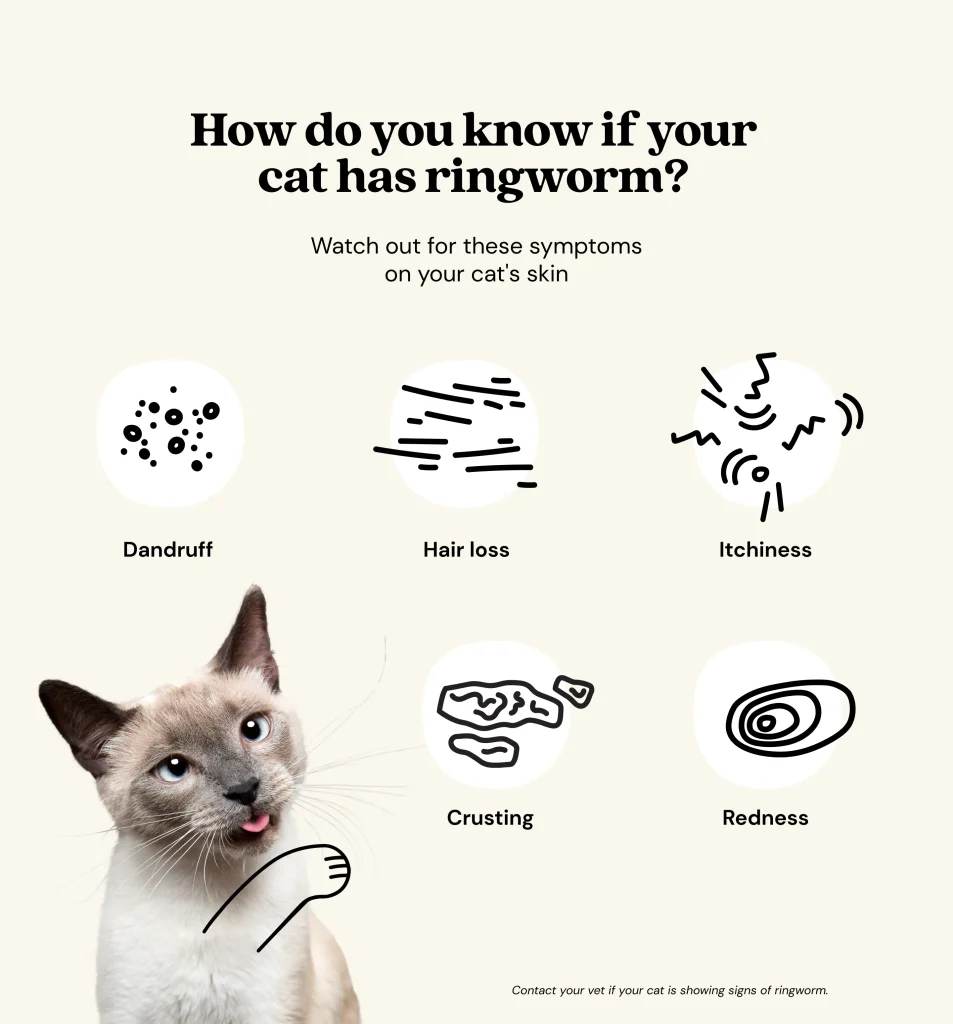
Have you noticed your furry friend scratching more than usual or perhaps developing unusual bald patches? If so, your cat might be dealing with ringworm, a common fungal infection that can affect its skin, fur, and nails.
It sounds alarming, but don’t worry—you’re not alone, and help is at hand. Understanding how to treat ringworm in cats is crucial not only for your pet’s health but also for preventing the spread of this contagious condition to other pets and even family members.
We will guide you step-by-step through the identification, treatment, and prevention of ringworm, ensuring that your beloved feline returns to its playful, healthy self in no time. Stay with us to discover the effective methods that will give you peace of mind and protect your household from further outbreaks.
Credit: www.cdph.ca.gov
Identifying Ringworm In Cats
Ringworm in cats is a common fungal infection. It affects the skin, causing discomfort and irritation. Identifying ringworm early is crucial for effective treatment. This infection is contagious and can spread to humans and other pets. Knowing the symptoms and causes helps in taking quick action.
Common Symptoms
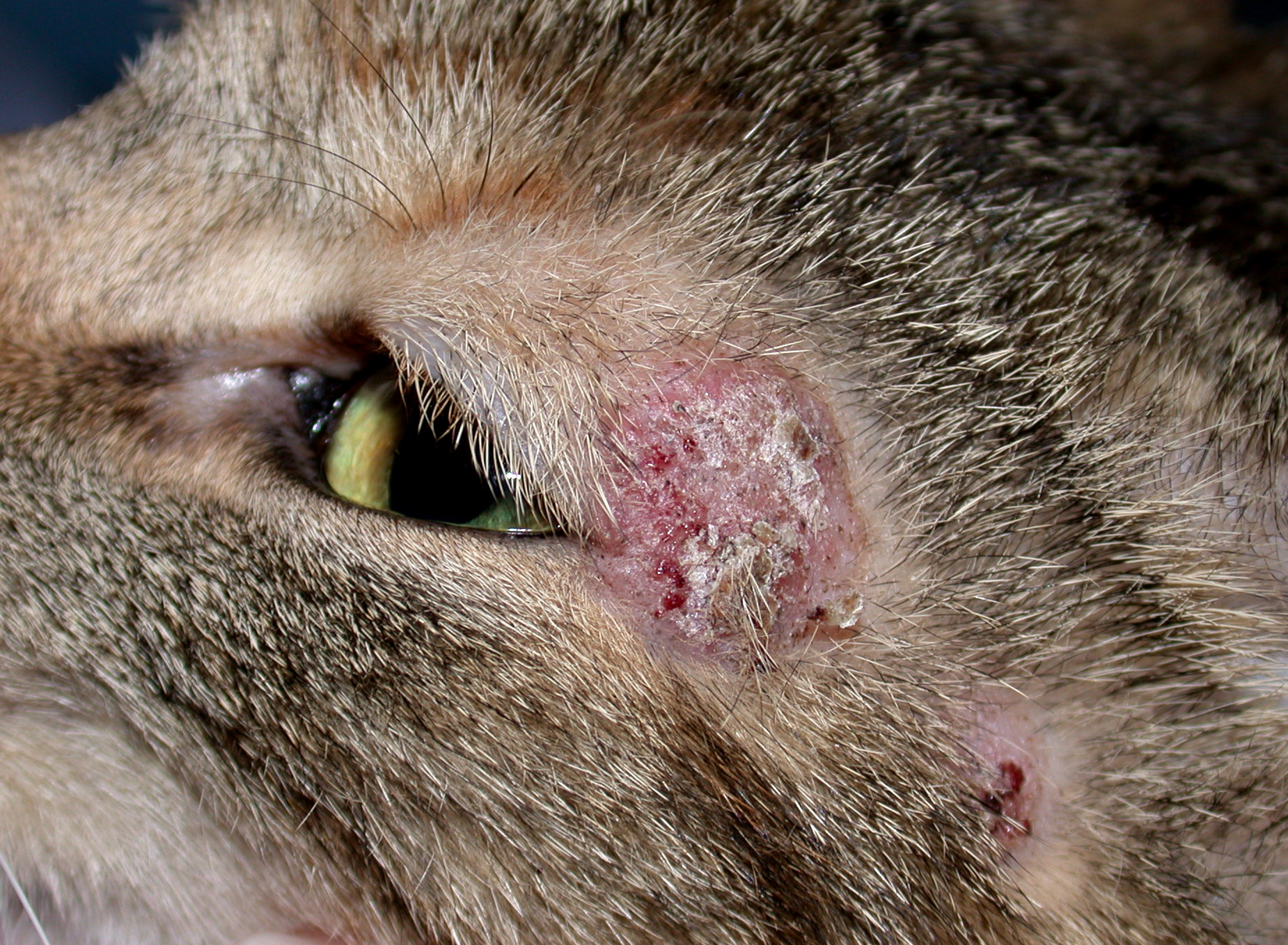
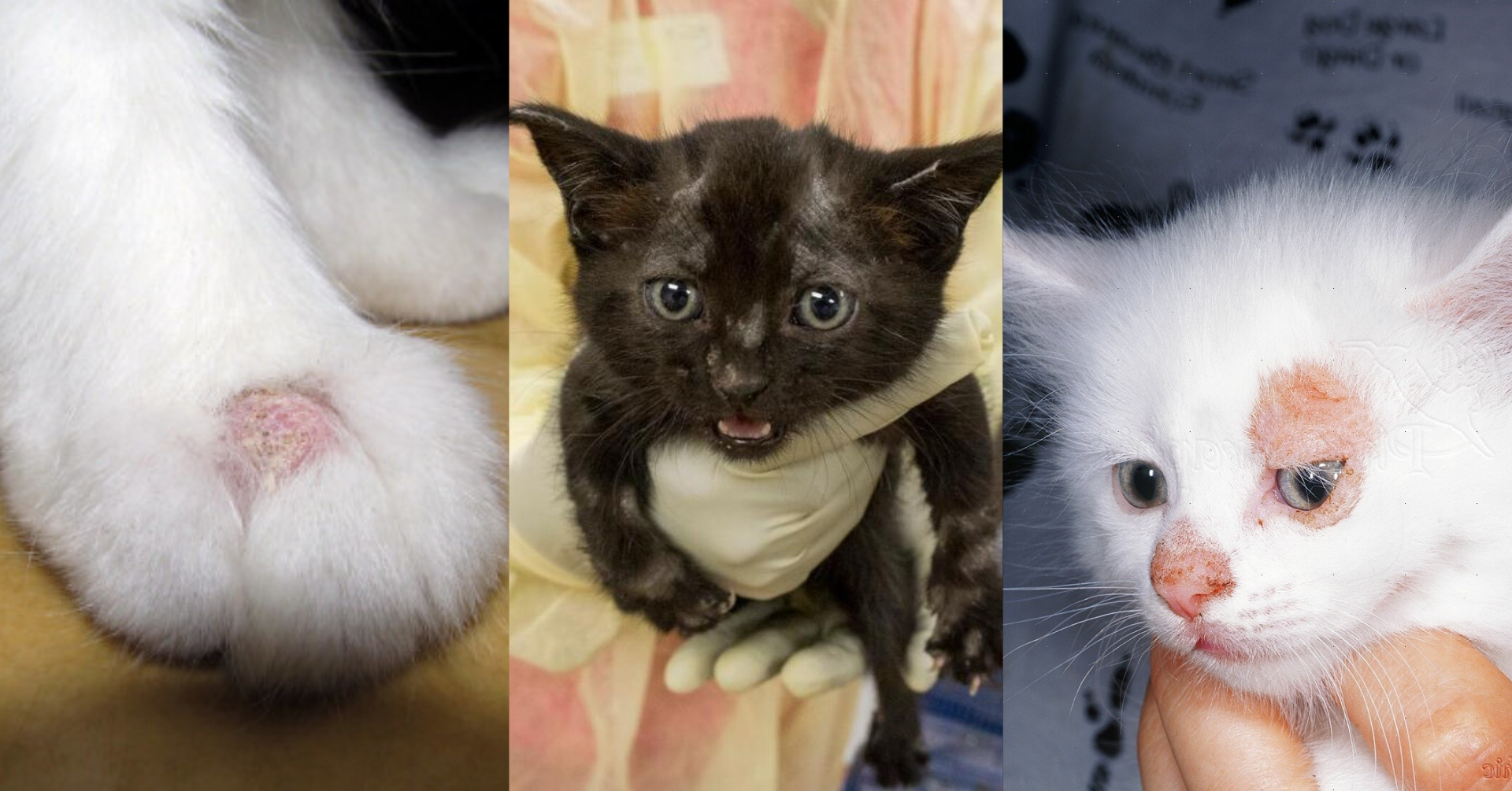
Ringworm often appears as circular patches on a cat’s skin. These patches may be red or scaly. Cats might experience hair loss in affected areas. Itching and scratching are common signs. Some cats develop small bumps or lesions. Check for broken or brittle hair around these patches. Inspect your cat’s skin regularly for any unusual spots.
Causes Of Ringworm
Ringworm is caused by fungi known as dermatophytes. These fungi thrive in warm, humid environments. Cats can contract ringworm through direct contact with infected animals. Shared items like bedding or grooming tools can spread the infection. Outdoor cats are at higher risk due to exposure. Weak immune systems make cats more susceptible. Ensure your cat’s living area is clean and dry.
Diagnosis Techniques
Veterinarians identify ringworm in cats through examining skin samples. They use UV light to spot infected areas. Antifungal treatments, often topical or oral, help clear the infection.
When you suspect your cat might have ringworm, diagnosing the condition correctly is crucial. Proper diagnosis ensures your feline friend gets the right treatment and helps prevent the spread of this contagious fungus. But how do veterinarians confirm ringworm? Let’s explore some common techniques used by vets.Veterinary Examination
Your first step should be a visit to the vet. During the examination, the vet will look for specific signs of ringworm, such as hair loss, scaly skin, or red patches. You might notice your cat scratching more than usual, which can also be a clue. The vet may use a special ultraviolet lamp called a Wood’s lamp. When shone on the affected area, certain types of ringworm glow under this light, making it easier to identify. However, not all cases will show this glow, so further tests might be necessary.Laboratory Tests
If the initial exam is inconclusive, your vet might suggest laboratory tests. One common method is a fungal culture, where a sample of your cat’s hair or skin is taken and placed in a medium to see if ringworm grows. This test is reliable, but results can take up to two weeks. Another option is a skin biopsy, where a small sample of skin is examined under a microscope. This can provide a quicker diagnosis and is useful if the fungal culture is not definitive. Have you ever wondered how important these tests are? Accurate diagnosis ensures your cat receives the appropriate care, helping them recover faster and keeping your household safe. So, if you notice suspicious symptoms, don’t hesitate to get your cat checked. It’s always better to be safe and sure.Topical Treatments
Ringworm in cats can cause discomfort and distress. Topical treatments provide an effective way to manage this fungal infection. They work directly on the affected skin, helping to eliminate the fungus. These treatments are usually easy to apply and can be used at home. Let’s explore two common types of topical treatments.
Antifungal Creams
Antifungal creams are a popular choice for treating ringworm. They target the fungus on your cat’s skin. Apply a thin layer to the affected area. Make sure to follow the vet’s instructions for best results. These creams help reduce itching and promote healing.
Medicated Shampoos
Medicated shampoos offer another effective treatment option. They work by cleansing the skin and removing fungal spores. Use these shampoos during your cat’s regular bath. Leave the shampoo on for a few minutes before rinsing. This ensures the antifungal agents penetrate the skin properly.
Credit: www.coloradoanimalrescue.org
Oral Medications
Dealing with ringworm in cats can be a daunting experience, especially when it comes to treatment. Oral medications often play a crucial role in combating this fungal infection. These medications can be a game-changer in managing and eventually eliminating ringworm. But how do you ensure that your cat gets the best out of these treatments?
Prescription Antifungals
Prescription antifungals are commonly used to treat ringworm in cats. These medications work by directly attacking the fungus, helping to clear the infection from the inside out. Some popular options include Griseofulvin and Itraconazole.
Your vet will determine the best choice based on your cat’s specific needs. It’s fascinating how such small pills can make a big difference in your pet’s health.
Administration Guidelines
Giving oral medications to cats can be challenging. You might have experienced your cat spitting out pills or outright refusing them. Here’s a tip: try hiding the pill in a treat or crushing it and mixing it with food.
Consistency is key. Make sure to give the medication at the same time every day to maintain effective levels in your cat’s system. How do you usually get your cat to take medicine?
Keep a close eye on your pet for any side effects. If your cat seems uncomfortable or shows signs of an allergic reaction, contact your vet immediately. Your vigilance can prevent complications and ensure a smooth recovery.
Environmental Control
When dealing with ringworm in cats, environmental control is crucial. Cats can be quite the adventurers, prowling around every nook and cranny of your home. This means that areas they frequent can harbor the fungus that causes ringworm. Taking steps to clean and disinfect their environment not only helps in treating your cat but also prevents the spread of infection.
Cleaning And Disinfecting
The first step in environmental control is cleaning and disinfecting your home. Start by vacuuming all carpets and rugs regularly. This helps remove hair and skin cells that might carry the ringworm spores. After vacuuming, dispose of the vacuum bag or clean the canister thoroughly.
Use a mixture of water and bleach to disinfect surfaces that your cat frequently touches. Don’t forget to wipe down furniture, windowsills, and even walls. Pay special attention to areas where your cat sleeps or lounges. These spots can be hotspots for fungal spores.
Wash your cat’s bedding in hot water with a strong detergent. Dry it thoroughly under direct sunlight if possible. Sunlight acts as a natural disinfectant, adding an extra layer of protection. Can you recall when a simple sunny day did wonders for your laundry? It’s nature’s way of helping you fight ringworm!
Preventing Spread
Preventing the spread of ringworm requires vigilance. Limit your cat’s access to areas that are hard to clean, like closets or cluttered rooms. This reduces the chances of the fungus spreading to items that are difficult to disinfect.
Consider setting up a specific area for your cat during treatment. This containment strategy can prevent ringworm from reaching other parts of your home. It also makes it easier to clean and disinfect a smaller space regularly.
Encourage family members to wash their hands frequently, especially after handling your cat. This simple habit can prevent the spread of ringworm to humans. Have you ever thought about how a small act like handwashing can be a powerful shield against infection?
By taking proactive steps to control your environment, you play a vital role in your cat’s recovery. Every effort counts, and with diligence, you can create a safer space for both your pet and your family.
Natural Remedies
Natural remedies offer gentle ways to treat ringworm in cats. These methods focus on enhancing the cat’s immunity and soothing the skin. Many cat owners prefer these solutions due to their minimal side effects. Here, we explore herbal solutions and dietary supplements.
Herbal Solutions
Herbs can help manage ringworm symptoms in cats. Tea tree oil is a popular choice. It is known for its antifungal properties. But, always dilute it before application. Aloe vera is another option. It soothes irritated skin and promotes healing. Apply the gel directly to the affected area. Calendula cream can reduce inflammation and speed recovery. Always consult a vet before using herbs.
Dietary Supplements
Dietary supplements support the cat’s immune system. A strong immune system helps combat ringworm infections. Omega-3 fatty acids found in fish oil are beneficial. They reduce inflammation and improve skin health. Probiotics can also be helpful. They enhance gut health and boost immunity. Vitamin E supplements support skin repair. Always discuss with a vet before introducing new supplements.
Monitoring And Follow-up
Monitoring and follow-up are crucial when treating ringworm in cats. Ensuring your cat recovers fully requires consistent observation. This process helps identify any lingering signs of infection. It also ensures that treatment is effective. Regular monitoring can prevent the spread of ringworm. It also supports your pet’s overall health.
Signs Of Recovery
Look for improvements in your cat’s skin and coat. Reduced redness or itching indicates healing. New hair growth in affected areas is a positive sign. Your cat might show fewer signs of discomfort. These signs suggest the treatment is working. Regularly check for any new lesions. Early detection prevents further complications.
Regular Check-ups
Schedule regular visits with your veterinarian. They can confirm if the infection has cleared. Your vet may perform additional tests. These tests ensure the fungus is completely gone. Consistent check-ups help catch any recurring issues. Your vet can adjust treatment if necessary. Follow their advice for ongoing care and prevention.

Credit: lolahemp.com
Frequently Asked Questions
What Kills Ringworm In Cats Fast?
Antifungal treatments like lime sulfur dips or oral medications quickly eliminate ringworm in cats. Consult a vet for proper diagnosis and treatment. Maintain hygiene by disinfecting the environment and washing pet bedding regularly. Early intervention ensures faster recovery and prevents spreading the infection.
Do I Need To Take My Cat To The Vet For Ringworm?
Yes, take your cat to the vet for ringworm. Early treatment prevents spreading and ensures proper care.
How Contagious Is Ringworm From Cat To Human?
Ringworm is highly contagious and can easily spread from cats to humans. It transfers through direct contact with an infected cat or contaminated items like bedding or grooming tools. Always wash hands after handling pets and consult a veterinarian for treatment if needed.
What Triggers Ringworm In Cats?
Ringworm in cats is triggered by a fungal infection known as dermatophytes. It spreads through contact with infected animals, objects, or environments. Warm and humid conditions often promote its growth. Cats with weakened immune systems are more susceptible to ringworm.
Regular grooming and maintaining hygiene can help prevent it.
Conclusion
Treating ringworm in cats requires patience and care. Start with a vet visit. They diagnose and recommend treatments. Use prescribed antifungal medications consistently. Maintain cleanliness in your home. This stops the spread of infection. Wash your cat’s bedding frequently. Regularly clean grooming tools and toys.
Limit your cat’s contact with other pets. This helps prevent further transmission. Remember, consistency is key. Stick to the treatment plan. Watch for improvements in your cat’s skin. Seek veterinary advice if needed. Keep your cat healthy and happy by staying attentive.
Your commitment ensures a smooth recovery process.