How Do You Treat Ear Mites in Cats: Effective Solutions
Imagine your cat constantly scratching its ears or shaking its head. This could be more than just a quirky behavior; it might be a sign of ear mites.
These tiny parasites can cause big discomfort for your feline friend. You want to help, but where do you start? Understanding how to treat ear mites in cats is crucial for your pet’s health and comfort. This guide will walk you through the steps to soothe your cat’s ears and get them back to their purring best.
Stick with us, and you’ll discover simple solutions that could make all the difference. Don’t let your cat suffer another day—find out how you can help right now.
Identifying Ear Mites
Identifying ear mites in cats can be a challenging task for many. These tiny parasites can cause discomfort and may lead to infections. Understanding how to identify them can help in treating your cat effectively.
What Are Ear Mites?
Ear mites are small parasites that live in the ear canal. They feed on skin oils and ear wax. They are not visible to the naked eye. A vet can confirm their presence with a microscope.
Signs Your Cat Has Ear Mites
Your cat might scratch its ears often. You may notice frequent head shaking. These behaviors indicate irritation. Other signs include dark discharge from the ears. This discharge resembles coffee grounds.
Behavioral Changes In Cats
Cats with ear mites may become more irritable. They might hide away or act differently. These changes are due to discomfort. Pay attention to their mood and behavior.
Physical Symptoms To Watch For
Redness around the ears can be a symptom. Swelling might also occur. Your cat’s ears may look dirtier than usual. This is due to mite activity and discharge.
Consulting A Veterinarian
If you suspect ear mites, contact a veterinarian. They can provide a proper diagnosis. Treatment options will be discussed. This ensures your cat receives the right care.
Common Symptoms
Cats with ear mites often scratch their ears and shake their heads. Dark, waxy ear discharge is common. These symptoms indicate discomfort and need attention.
Caring for your cat’s health can sometimes feel like a mystery, especially when it comes to ear mites. These tiny pests are more common than you might think and can cause significant discomfort for your feline friend. Recognizing the common symptoms is crucial for timely treatment and your cat’s overall well-being.Htmlitching And Scratching
Cats infested with ear mites often display relentless itching. They may shake their heads or scratch their ears persistently. If you notice your cat doing this more than usual, it’s time to take a closer look.Htmlear Discharge
Ear mites can cause a dark, crumbly discharge that looks a bit like coffee grounds. This is not normal ear wax and is a clear sign of an infestation. Regularly check your cat’s ears for any unusual buildup.Htmlinflammation And Redness
Ear mites irritate the ear canal, leading to inflammation and redness. This can make your cat quite uncomfortable. If you spot these symptoms, a vet visit should be your next step.Htmlfrequent Head Shaking
Cats may shake their heads frequently in an attempt to dislodge the mites. This behavior is more than just a quirky habit; it’s a sign that something is wrong. Pay attention if your cat starts shaking its head more often.Htmlunpleasant Odor
A foul smell from your cat’s ears can be a symptom of ear mites. This odor is due to the infection and buildup in the ear canal. Regular sniff checks can help catch this symptom early.Htmlbehavioral Changes
Ear mites can make your cat irritable or withdrawn due to the discomfort. You might notice changes in their usual playful behavior. Ask yourself, have you seen a shift in your cat’s mood recently?Being attentive to these symptoms can make all the difference in your cat’s health. Regular ear checks are a simple yet effective way to catch ear mites early. Have you checked your cat’s ears today?
Diagnosis Methods
Veterinarians often diagnose ear mites in cats using an otoscope to examine the ear canal. Microscopic examination of ear debris helps confirm the presence of mites, ensuring accurate treatment. Regular check-ups and ear cleanings prevent infestations and maintain feline ear health.
Diagnosing ear mites in cats is a critical first step in ensuring your feline friend gets the right treatment. Many cat owners often wonder if their pet’s constant scratching is due to ear mites or something else. Understanding the diagnosis methods can help you determine when to seek veterinary assistance and what to expect during the process.Visual Inspection
One of the simplest methods to suspect ear mites is a visual inspection of your cat’s ears. You might notice a dark, coffee-ground-like substance in the ear canal. This debris is a telltale sign that points towards the presence of ear mites. However, while you might see some debris, it’s essential to remember that other ear conditions can look similar. So, don’t solely rely on your eyes; professional diagnosis is crucial.Veterinary Examination
A vet’s examination is the most reliable way to confirm the presence of ear mites. The vet will use an otoscope to look deep inside your cat’s ear canal. This tool allows them to spot mites and assess any damage or inflammation. During my first visit to the vet with my cat for suspected ear mites, I was amazed at how quickly the vet could identify the issue using the otoscope. This reinforced my trust in seeking professional guidance.Microscopic Analysis
To be absolutely sure, vets often take a sample of the ear debris for microscopic analysis. This involves examining the debris under a microscope to spot the mites directly. It’s a definitive method that leaves no room for doubt. You might wonder if this step is really necessary. But consider this: wouldn’t you want to be absolutely sure before starting any treatment on your beloved pet?Swab Tests
Swab tests are another technique vets use to diagnose ear mites. They swab your cat’s ear and send the sample to a lab for detailed analysis. This method helps rule out other infections or conditions that might mimic ear mite symptoms. Have you ever thought about how much goes into diagnosing such a tiny pest? It’s fascinating, and it ensures your cat gets the correct treatment without unnecessary medication. Understanding these diagnosis methods not only prepares you for the vet visit but also gives you the peace of mind that you’re doing everything to keep your cat healthy. Are you ready to take the next step in ensuring your cat’s ears are mite-free?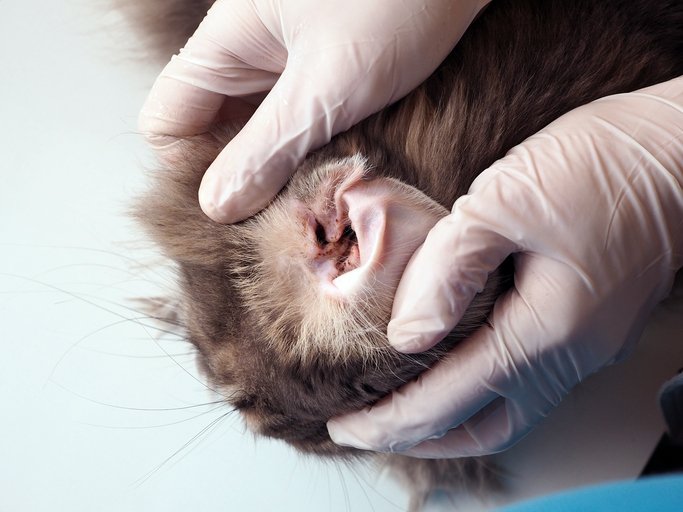
Credit: www.reedanimalhospital.com
Home Remedies
Treating ear mites in cats involves simple home remedies. Gently clean the ears with a cotton ball and mineral oil. Repeat daily until the mites are gone.
Treating ear mites in cats can feel like a daunting task, especially if you’re worried about using harsh chemicals on your furry friend. Fortunately, there are several home remedies that can help alleviate your cat’s discomfort. These remedies are not only gentle but also use natural ingredients that you might already have at home. Before diving in, remember to consult with your vet to ensure these solutions are safe for your cat’s specific situation.Natural Oils
Natural oils can be a soothing relief for your cat’s itchy ears. Olive oil and almond oil are popular choices for their gentle and moisturizing properties. Applying a few drops can help suffocate the mites and soften ear wax. Imagine the relief your cat might feel as the oil gently loosens debris and clears the mite infestation. But how do you apply it? Use a dropper or a small syringe without the needle. Be sure to massage the base of your cat’s ear gently to allow the oil to work its way inside. Have you ever tried coconut oil? It’s also effective due to its antibacterial properties. It can reduce inflammation while tackling those pesky mites.Herbal Solutions
Herbs can be powerful allies in combating ear mites. Neem oil, extracted from the seeds of the neem tree, is renowned for its antiseptic and anti-inflammatory properties. It can provide relief and prevent infections. Have you ever noticed how your cat calms down when exposed to gentle scents? Lavender oil mixed with water can be used as a mild ear rinse. It’s known for its calming effects and ability to repel pests. If you’re feeling adventurous, consider using witch hazel as an ear cleaner. Known for its astringent qualities, it can help dry out excess moisture in the ear canal, making it less inviting for mites. When using herbal solutions, the key is to dilute them properly to avoid irritation. How do you ensure you’re using the right amount? Always start with a small concentration and test it on a small area first. These home remedies can help improve your cat’s comfort, but remember, consistency is crucial. Regular treatment and monitoring are necessary to ensure the effectiveness and safety of these natural solutions. Have you found success with any of these remedies? Your experience might just be the insight another cat owner needs.Over-the-counter Treatments
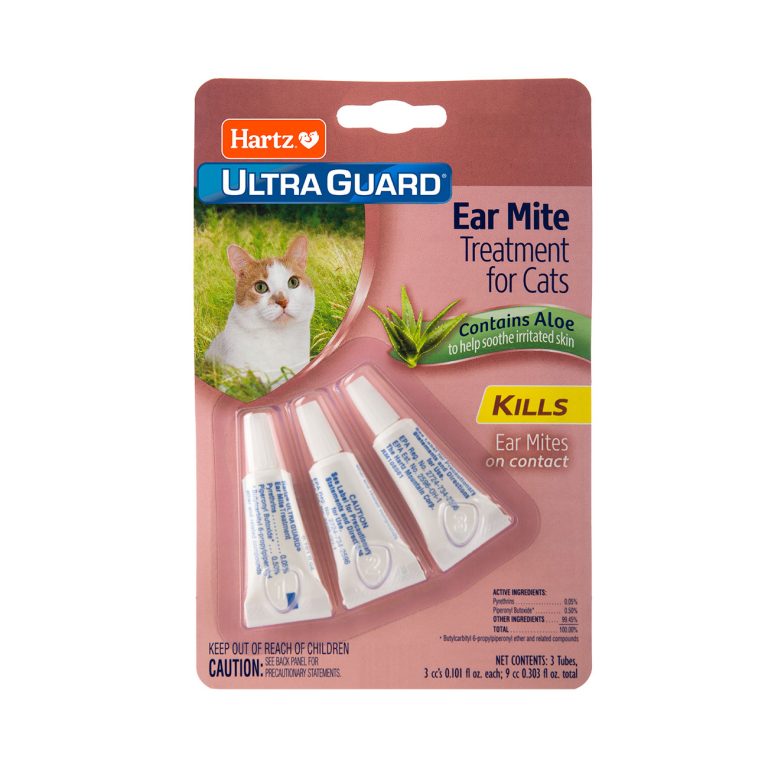
Ear mites in cats can be treated with over-the-counter solutions like ear drops or medicated ear cleansers. These products help eliminate mites and soothe irritation. Always follow the instructions on the package and consult a vet if symptoms persist.
Over-the-counter treatments for ear mites in cats can be a convenient and effective solution for pet owners looking to quickly alleviate their feline friend’s discomfort. These remedies often come in the form of ear drops and topical medications, which are easily available at pet stores or pharmacies. Choosing the right product can help clear the infestation and bring relief to your cat. But which option is the best for your furry friend? Let’s explore some common over-the-counter treatments.Ear Drops
Ear drops are a popular choice for treating ear mites, as they are simple to use and directly target the problem area. These drops typically contain ingredients that kill mites and soothe irritation, providing relief to your cat. Using ear drops usually involves gently holding your cat’s head and applying the drops directly into the ear canal. You might need to massage the base of the ear to ensure the drops are evenly distributed. It’s crucial to follow the instructions on the packaging for the best results. Have you ever tried ear drops for your cat? If so, you know how important it is to keep them calm during the process.Topical Medications
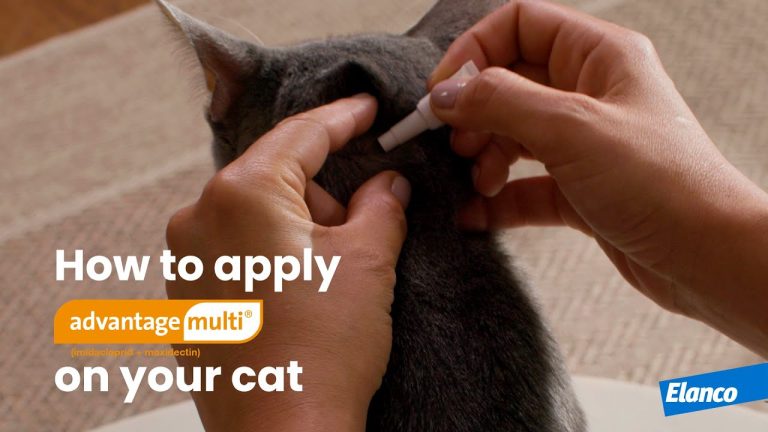
Topical medications offer another effective way to combat ear mites. These treatments are applied to the skin, usually at the base of your cat’s neck, and work by being absorbed into the bloodstream. They provide a systemic approach, targeting not just the mites in the ears but also any that might be on your cat’s body. Topical treatments can be a great option if you’re looking for something that tackles the problem more broadly. Ensure you apply the medication as directed, and be mindful of any signs of irritation or allergic reactions. Have you noticed any changes in your cat’s behavior or skin after using a topical treatment? Choosing between ear drops and topical medications depends on your cat’s specific needs and your comfort with applying these treatments. Always consider consulting your veterinarian to ensure you’re making the best choice for your pet’s health and well-being.Prescription Medications
Prescription medications effectively treat ear mites in cats by eliminating parasites and soothing irritation. Veterinarians often prescribe topical ointments, drops, or oral medications. Regular cleaning supports recovery and prevents recurrence.
Treating ear mites in cats can be a challenging task, but prescription medications offer a reliable solution. These medications are specifically designed to eradicate ear mites effectively, ensuring your feline friend finds relief from itching and discomfort. While over-the-counter treatments are available, prescription options are often more potent and veterinarian-recommended for severe infestations.Veterinarian-recommended Options
Your vet might suggest a range of prescription medications tailored to your cat’s needs. Ivermectin and Selamectin are popular choices, known for their efficacy in eliminating ear mites. These medications are often applied topically, ensuring direct contact with the affected area for swift results. Another recommended treatment is Milbemycin oxime, an oral medication that targets mites internally. Though less common, it can be particularly effective for cats resistant to topical solutions. Discuss with your vet which option suits your cat best.Usage Guidelines
Administering prescription medication requires careful adherence to your veterinarian’s instructions. Ensure you apply the medication precisely as directed, often involving a few drops directly into your cat’s ear canal. It’s crucial to complete the entire course of treatment, even if symptoms appear to improve. This prevents a resurgence of mites and ensures thorough eradication. Avoid the temptation to adjust the dosage on your own. Have you ever found yourself second-guessing a prescription’s strength based on your cat’s reactions? It’s always better to consult your vet before making any changes. They can provide guidance if your cat shows adverse effects or if you’re unsure about the application process. Remember, effective treatment also involves cleaning your cat’s environment to prevent re-infestation. Regularly washing bedding and vacuuming areas where your cat frequents is essential. Have you considered this step in your treatment plan? It’s as important as the medication itself. By following these guidelines, you’ll be well on your way to providing your cat with the relief they deserve, ensuring a happy and healthy feline companion.Preventive Measures
Treating ear mites in cats involves regular ear cleaning and using vet-recommended medications. Keeping your cat’s environment clean helps prevent infestations. Regular vet check-ups ensure your pet stays healthy and mite-free.
When it comes to ensuring your feline friend remains free from ear mites, preventive measures are key. These tiny parasites can cause immense discomfort and lead to more severe health issues if left unchecked. By adopting a few simple practices, you can keep your cat’s ears mite-free and healthy. Let’s dive into some effective preventive strategies to keep those pesky mites at bay.Regular Cleaning
Regular cleaning of your cat’s ears is crucial. It helps remove dirt and wax where mites can thrive. Use a vet-recommended ear cleaner and a soft cloth or cotton ball. Gently wipe the visible part of the ear, avoiding deep insertion which can harm the ear canal. Consistency is your best ally here. Set a schedule—maybe once a week or as advised by your vet. A clean ear is less likely to become a breeding ground for mites. Have you ever noticed a cat grooming itself with meticulous precision? It’s time to take a leaf out of their book. Keeping your cat’s ears clean is an extension of their natural grooming process.Routine Check-ups
Routine check-ups with your veterinarian are non-negotiable. These visits ensure any potential ear mite infestation is caught early. Your vet can spot subtle signs you might miss at home. During these check-ups, your vet may suggest preventive treatments, especially if your cat spends time outdoors. These treatments can be a powerful defense against ear mites. Think of these visits as a health investment. They’re a proactive approach to preventing not just ear mites but other potential health issues. Have you scheduled your cat’s next appointment? By integrating regular cleaning and routine check-ups into your cat care routine, you’re investing in their long-term health and happiness. Remember, a little prevention goes a long way in keeping those pesky ear mites at bay!
Credit: www.amazon.com
When To Consult A Veterinarian
Recognizing when to consult a veterinarian for ear mites in cats can save your pet from discomfort and potential complications. While many cat owners prefer home remedies, knowing the right time to seek professional help is crucial. Ignoring the signs can lead to more serious health issues. So, let’s explore the indicators that suggest a vet visit is necessary.
1. Persistent Itching And Scratching
If your cat keeps scratching its ears, consult a vet. Persistent itching may signal a deeper issue. A professional can examine your cat’s ears thoroughly. They can identify the exact cause of the discomfort.
2. Excessive Ear Discharge
Notice any unusual discharge from your cat’s ears? This can indicate an infection. A veterinarian can determine the severity. They can also provide appropriate treatment.
3. Strong Odor From Ears
Detect a foul smell from your cat’s ears? This is a warning sign. A strong odor often accompanies infections. A vet visit can prevent further complications. They can offer the right care.
4. Behavioral Changes
Has your cat become irritable or withdrawn? Changes in behavior can indicate discomfort. Ear mites can cause severe pain. A veterinarian can assess your cat’s overall health. They can recommend the best course of action.
5. Unsuccessful Home Remedies
Tried home remedies with no success? It’s time to see a vet. They can prescribe effective treatments. A professional diagnosis ensures the right solution. Don’t wait too long.
6. Swelling Or Redness
Notice swelling or redness in your cat’s ears? These symptoms need immediate attention. A vet can identify the cause. They can treat any infections or allergies.
Myths And Misconceptions
Many believe ear mites in cats can be treated with home remedies, but these often prove ineffective. It’s essential to consult a vet for the right treatment. Misunderstandings about symptoms can delay proper care, worsening the issue.
Ear mites in cats can be a pesky problem, and with numerous myths and misconceptions floating around, it’s easy to feel overwhelmed. Misunderstandings can lead to ineffective treatments or unnecessary worry. By debunking these myths, you can better understand how to effectively treat ear mites and ensure your feline friend remains healthy and comfortable.Myth: Ear Mites Are Only Found Outdoors
Many believe that ear mites only affect cats who roam outside. However, indoor cats can also fall victim to these tiny pests. Ear mites are highly contagious and can easily spread from one pet to another, regardless of whether they go outside.Misconception: Home Remedies Are Always Safe
Some pet owners turn to home remedies without understanding the risks involved. While some natural treatments might help, others can cause irritation or worsen the problem. It’s crucial to consult a vet before trying any DIY solutions to ensure your cat’s safety.Myth: Ear Mites Are Visible To The Naked Eye
A common belief is that ear mites can be easily seen with the naked eye. In reality, these mites are microscopic and require a vet’s expertise and tools for proper identification. Your vet might use an otoscope or perform a microscopic examination to diagnose the issue accurately.Misconception: Cleaning Ears Alone Will Get Rid Of Mites
Simply cleaning your cat’s ears is not enough to eliminate ear mites. Although cleaning may remove some debris, mites require specific treatment to eradicate. Medication prescribed by your vet targets and kills the mites effectively, ensuring a thorough resolution.Myth: Ear Mites Affect Only Cats
While cats are commonly affected, ear mites can also trouble dogs and other animals. If you have multiple pets, it’s essential to treat all affected animals to prevent recurrent infestations. Consider whether your pets interact with others outside your home, as ear mites can spread quickly. Are there any myths you’ve believed about ear mites? Knowing the truth empowers you to protect your furry companion better. Understanding these misconceptions can help you avoid pitfalls and ensure your cat receives the care it needs.Long-term Care
Dealing with ear mites can be challenging, but the journey doesn’t end once they’re gone. Long-term care is essential to keep your cat’s ears healthy and prevent future infestations. It’s not just about treatments; it’s about creating a nurturing environment for your feline friend.
Monitoring Your Cat
Keeping an eye on your cat’s behavior is crucial. Do they shake their head frequently or scratch their ears excessively? These signs might indicate persistent ear issues or even a new infestation.
Regularly check their ears for any wax buildup or irritation. A little effort in observation can save a lot of trouble down the road. Consider marking your calendar for weekly ear inspections, making it a routine part of pet care.
During a play session or while grooming, take a moment to peek into their ears. This simple habit can help catch problems early, ensuring your cat stays comfortable and healthy.
Maintaining Ear Health
Maintaining ear health goes beyond just cleaning. Use a vet-approved ear cleaning solution to gently clean the ears. Avoid inserting anything into the ear canal, as this can cause damage.
Think about your home environment. Are there places where your cat might pick up mites again? Regularly cleaning bedding and toys can help minimize risks.
Nutrition also plays a role in overall health. A well-balanced diet strengthens the immune system, helping your cat fight off infections. Consult your vet for dietary recommendations tailored to your pet’s needs.
Have you considered grooming as a bonding activity? Regular grooming not only maintains hygiene but also strengthens your relationship with your cat. This bonding time can make ear inspections easier and more enjoyable for both of you.

Credit: www.berkeleydogandcat.com
Frequently Asked Questions
What Are Ear Mites In Cats?
Ear mites are tiny parasites that infest a cat’s ear canal. They cause irritation and inflammation, leading to itching and discomfort. These mites are highly contagious and can spread between animals. Regular cleaning and veterinary check-ups can help prevent infestations.
How Do Cats Get Ear Mites?
Cats often contract ear mites through close contact with infected animals. These mites are highly contagious. They can also spread through shared bedding or grooming tools. Keeping your cat’s environment clean can reduce the risk of infestation.
What Are The Symptoms Of Ear Mites In Cats?
Common symptoms include excessive scratching, head shaking, and dark, crumbly ear discharge. Cats may also experience inflammation and discomfort. If you notice these signs, consult a veterinarian promptly. Early treatment can prevent further complications.
Can Ear Mites Affect Humans?
Ear mites primarily affect animals and are rare in humans. However, they can cause temporary skin irritation. If you suspect an infestation, treat your pet promptly. Maintain good hygiene to minimize any risk of transmission.
Conclusion
Treating ear mites in cats is crucial for their comfort. Regular checks help prevent infestations. Clean your cat’s ears gently. Always use vet-approved treatments. Follow instructions carefully to ensure effectiveness. Monitor your cat for signs of improvement. Persistent issues require a vet visit.
Early intervention leads to faster recovery. Your cat deserves a mite-free life. Keep an eye on symptoms like scratching or head shaking. Healthy ears mean a happy cat. Prioritize your pet’s well-being. Regular vet visits support long-term health. Ear mites are manageable with care and attention.
Enjoy time with your healthy, content feline friend.