How Do You Toilet Train Your Cat: Expert Tips Revealed
Imagine a home free from the smell of a litter box, where your feline friend uses the toilet just like you do. Sounds too good to be true?
It’s not! Toilet training your cat is not only possible but can be a game-changer for your home’s cleanliness and your pet’s routine. You might be wondering how this magical transformation can happen. Well, you’re not alone. Many cat owners are curious about this intriguing possibility.
You’ll discover the steps to teach your cat this impressive skill. With the right approach, patience, and a sprinkle of cat psychology, you can achieve what seems like the impossible. Are you ready to change your pet-care game forever? Keep reading to unlock the secrets of cat toilet training and see how your life can become cleaner and more convenient!
Choosing The Right Time
Toilet training your cat can be a rewarding journey. Choosing the right time is crucial for success. Cats are creatures of habit. Their routine matters. Begin training when your cat is comfortable and relaxed. A stressed cat may resist new experiences. Timing plays a vital role in toilet training success.
Understanding Your Cat’s Behavior
Observe your cat’s daily habits closely. Identify their bathroom routine. Cats usually follow a pattern. Knowing this helps you pick the best training time. If your cat uses the litter box regularly, it’s a good sign. This shows they are ready for the next step.
The Importance Of Age
Age is a key factor in toilet training. Young kittens might not be ready. Cats aged six months or older adapt better. Older cats can learn too. Consider their health and mobility. These factors affect their training readiness.
Health Considerations
Ensure your cat is healthy before starting. A sick cat may struggle with training. Consult a vet if you are unsure. Health issues can complicate the process. A healthy cat adjusts to changes more easily.
Minimizing Stress Factors
Reduce stress in your cat’s environment. Loud noises and new pets can be distracting. A calm setting aids in smooth training. Create a peaceful space for your cat. This encourages them to adapt quickly.
Seasonal Timing
Seasons can influence your training. Winter may not be ideal. Cats prefer warmth and comfort. Spring and fall offer moderate temperatures. These seasons are less stressful for your cat.
Necessary Supplies
Starting the journey of toilet training your cat requires the right tools. Having the necessary supplies ensures a smooth transition for your feline. Each item plays a vital role in this process.
Litter Box
Begin with a basic litter box. It’s essential for initial training. Choose a size that suits your cat’s needs. Start by placing it near the toilet.
Flushable Litter
Use flushable litter for easy cleanup. It’s safe for plumbing and the environment. Your cat will adjust quickly to this type of litter.
Training Seat
A cat training seat is crucial. It fits over your toilet seat. This seat helps your cat get used to using the toilet.
Step Stool
Provide a step stool for easy access. Cats need help reaching higher places. A stool ensures they can comfortably use the toilet.
Patience And Rewards
Have patience during training. Use treats as rewards for good behavior. Positive reinforcement encourages your cat to learn.
Step-by-step Training Process
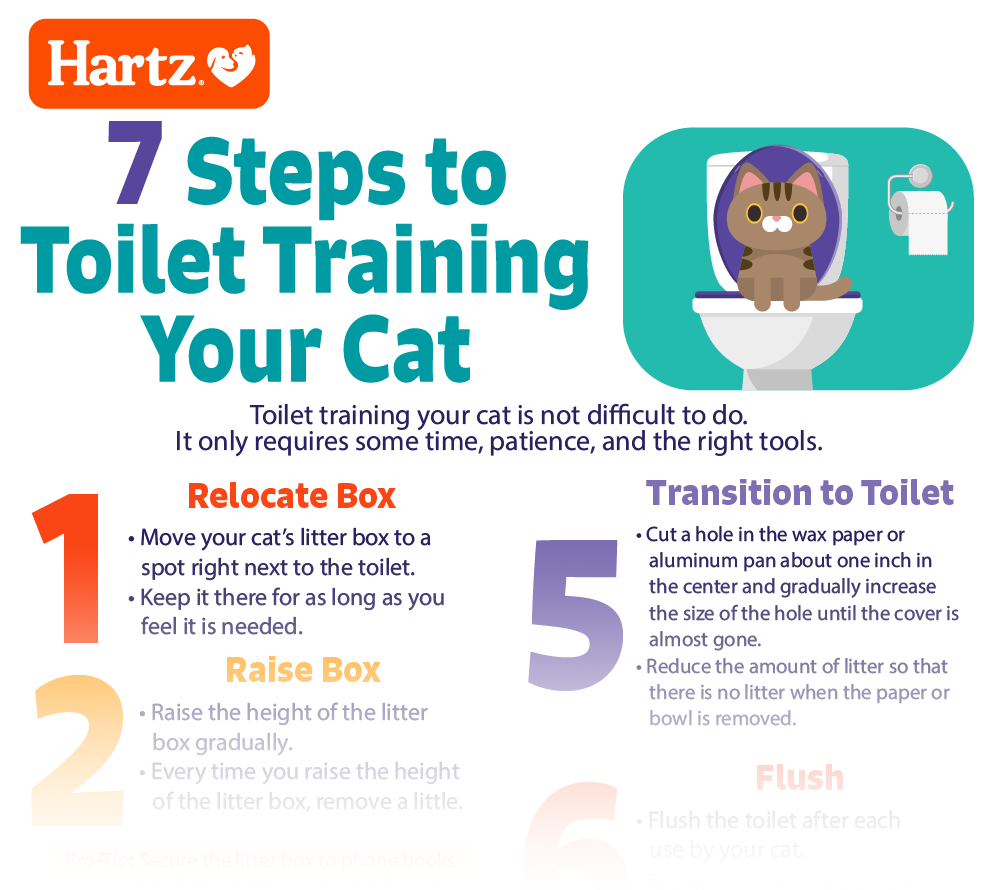
Training a cat to use the toilet involves gradual steps. Start by placing a litter box near the toilet. Slowly raise its height using books or boxes until it reaches toilet level. Transition to a special cat toilet training seat.
Encourage your cat at each stage with praise.
Toilet training a cat may sound daunting, but with patience and dedication, you can guide your feline friend through a step-by-step training process that transforms them into a toilet-using pro. Imagine the relief of no more litter box messes and the satisfaction of watching your cat master a new skill. Before diving into the process, remember that each step requires consistency and positive reinforcement. Let’s dive into each phase of this fascinating journey.Introducing The Toilet
Start by placing your cat’s litter box next to the toilet. This helps them associate the toilet area with their bathroom routine. You might notice your cat sniffing around the toilet seat out of curiosity. Encourage this behavior with treats or gentle praise. Make sure the toilet lid is open and secure, preventing any accidents. Have you ever seen a cat’s inquisitive stare when they encounter something new? It’s all about making them comfortable with this new object.Gradual Adjustment
Slowly raise the litter box height by placing it on top of a sturdy base, like a stack of magazines or boxes. The goal is to align the box with the toilet seat. Every few days, increase the height a bit more. This gradual change helps your cat adapt without stress. Remember, patience is key! Keep an eye on your cat’s reactions. Are they hesitant or curious? Monitor their comfort level closely during this phase.Removing The Litter Box
Once the litter box is level with the toilet seat, it’s time to remove it completely. Place a training seat on the toilet, filled with a bit of litter. This acts as a transitional phase, helping your cat feel at ease. Notice any reluctance? Keep encouraging them with treats and affection. If they seem confused, gently guide them to the new setup. It’s essential to maintain a calm and positive environment during this transition.Teaching Balance And Positioning
Now, focus on teaching your cat to balance on the toilet seat. You can use treats placed on the seat to encourage them to hop up. Watch their movements; are they steady or wobbly? Adjust the amount of litter gradually, reducing it each day. This step is crucial as it helps your cat learn proper positioning and balance. Pay attention to their posture, ensuring they feel secure. Imagine the pride you’ll feel when your cat finally masters this step! Have you considered how rewarding it will be to see your cat use the toilet independently? Keep supporting them with patience, and celebrate small victories along the way.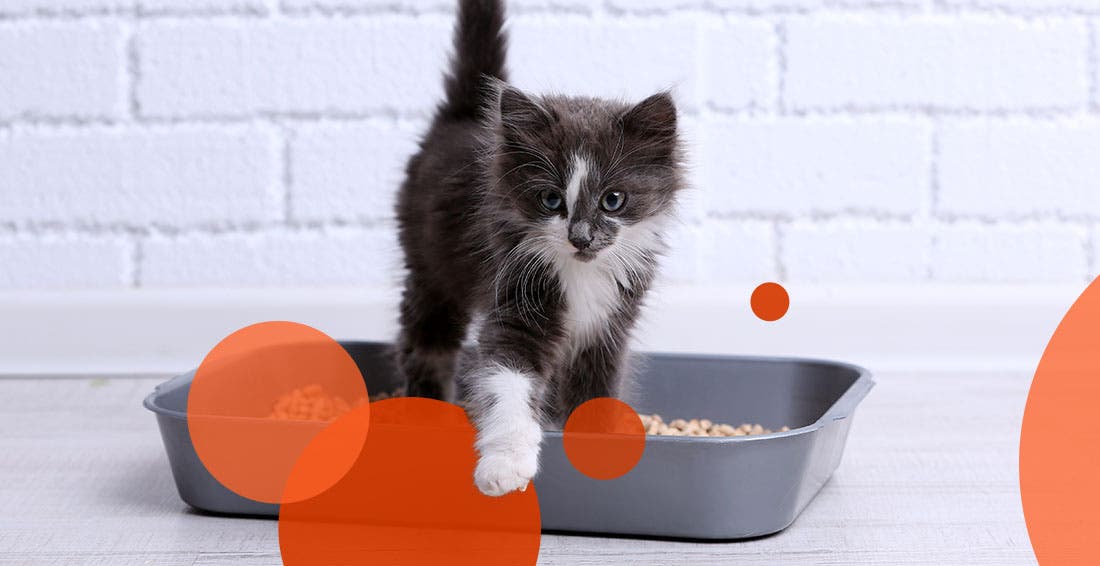
Credit: yourpetandyou.elanco.com
Common Challenges
Training a cat to use the toilet can be tricky. Cats may resist change, making the process slow. Consistency and patience are key to overcoming these challenges.
Toilet training your cat can be an exciting journey, but like any worthwhile endeavor, it comes with its set of challenges. As you embark on this unique task, understanding the common hurdles can help you prepare and adapt. Whether it’s dealing with accidents or managing a resistant feline, staying patient and flexible is key.Handling Accidents
Accidents are inevitable during toilet training. Your cat might occasionally miss the mark. It’s essential to address these mishaps calmly. Instead of reprimanding, clean the area thoroughly to remove any lingering odors. Cats are guided by their sense of smell, and a clean space discourages repeat accidents. Consider using an enzymatic cleaner, which specifically targets pet odors. This maintains a fresh environment, encouraging your cat to stick to their training routine.Dealing With Resistance
Resistance is another common challenge in toilet training. Some cats may be hesitant to change their bathroom habits. Have you noticed your cat avoiding the training seat or showing discomfort? To tackle this, observe their behavior closely. Adjust the training pace to suit your cat’s comfort level. Patience is your ally here; forcing a cat can lead to increased resistance. Introduce gradual changes, like lowering the litter box closer to the toilet. This helps your cat adapt without feeling overwhelmed. Celebrate small victories to keep motivation high. Have you ever tried offering a treat or extra cuddle time as encouragement? Positive reinforcement can work wonders in easing your cat’s resistance. It’s a small gesture that goes a long way in building trust and cooperation. Toilet training your cat may test your patience, but with persistence and understanding, you’ll navigate these challenges successfully. Are you ready to embrace this journey with your feline friend?Maintaining Success
Training your cat to use the toilet can be a rewarding experience, but maintaining success requires consistent effort and attention. Once your cat has mastered the basics, it’s crucial to keep reinforcing those good habits and monitoring their health. This ensures that your feline friend remains comfortable and happy with their newfound skill.
Reinforcing Good Behavior
Positive reinforcement is key. Celebrate every successful toilet visit with praise and a treat. This strengthens the association between using the toilet and a positive experience.
Consistency is your best friend. If your cat occasionally misses the mark, don’t be disheartened. Gently guide them back to the toilet and encourage them to try again.
Consider your cat’s personality. Some cats love verbal praise, while others respond better to treats or affection. Tailor your approach to what your cat loves most.
Monitoring Health
Keep an eye on your cat’s bathroom habits. Changes in frequency or consistency might indicate health issues. If you notice anything unusual, consult your vet.
Regular check-ins are important. Ensure your cat is comfortable using the toilet and not showing signs of stress or discomfort.
Health monitoring isn’t just about physical well-being. A stressed cat might refuse to use the toilet. Make sure their environment is calm and safe.
Engage with your cat regularly. A happy and healthy cat is more likely to continue using the toilet successfully.
Have you noticed any changes in your cat’s behavior? Observing and adapting to your cat’s needs will help maintain their success in toilet training.
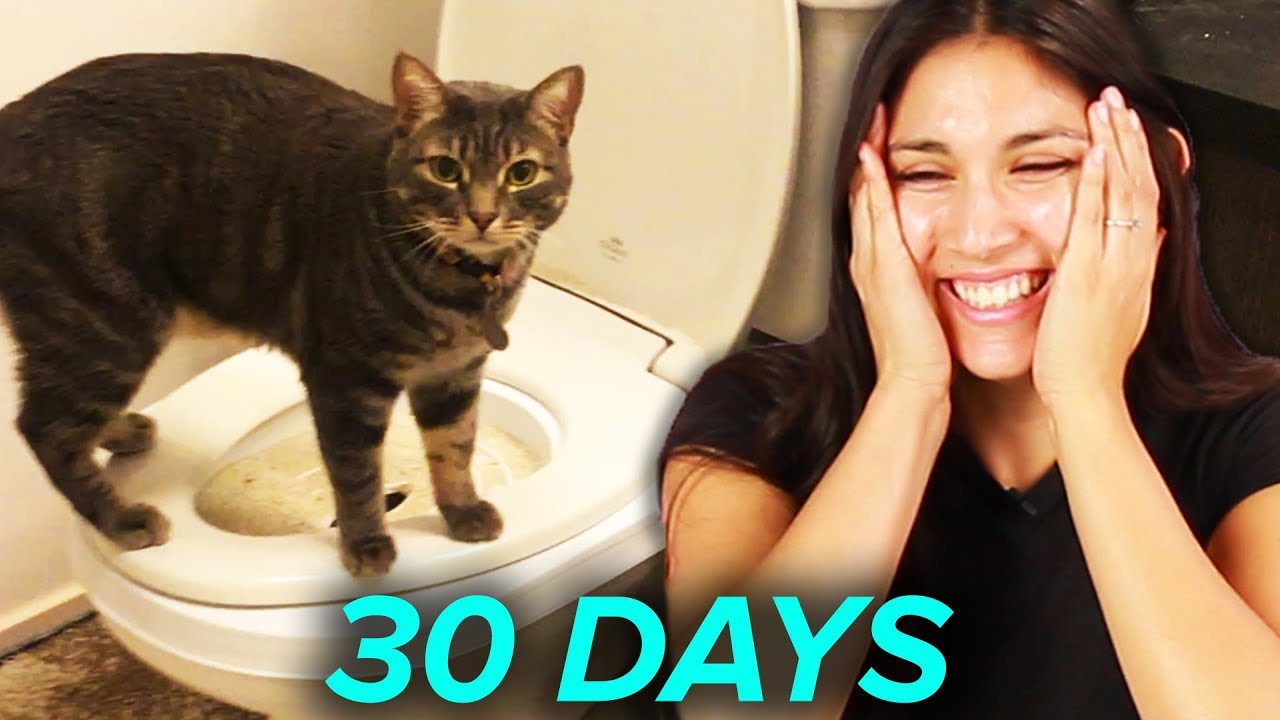
Credit: www.youtube.com
Expert Advice
Training a cat to use the toilet involves patience and consistency. Gradually move the litter box closer to the toilet. Once near, use a training seat and reward your cat for success.
Toilet training your cat might seem like an impossible task. But with expert advice, the process becomes a lot more manageable. Whether you’re a first-time pet owner or a seasoned cat lover, these insights from veterinarians and professional trainers will guide you in the right direction.Veterinarian Tips
Veterinarians often recommend starting the toilet training process when your cat is still young. This is because kittens are more adaptable and open to learning new behaviors. Have you considered your cat’s health? Veterinarians stress the importance of ruling out any medical issues before training. A healthy cat is more likely to succeed in adapting to new routines. It’s essential to use positive reinforcement. Reward your cat with treats or affection when they show interest in the training setup. This encourages them to repeat the behavior.Professional Trainers Insights
Professional trainers suggest taking baby steps. Gradually move the litter box closer to the toilet over several days. This helps your cat adjust to the new location without feeling overwhelmed. Trainers also recommend using a special training kit. These kits often come with a staged process that makes the transition smoother for both you and your cat. Have you ever noticed your cat’s natural habits? Cats are curious by nature, and trainers use this to their advantage. Encouraging your cat to explore the toilet area can make them more comfortable with the new setup. Patience is key. Training can take several weeks, so avoid rushing the process. By staying consistent, you are more likely to see positive results. Remember, your cat’s comfort is crucial throughout the training journey. What adjustments can you make today to ensure a smooth transition for your feline friend?Benefits Of Toilet Training
Training your cat to use the toilet offers convenience and keeps your home cleaner. Start by gradually moving the litter box closer to the toilet, then use a special training seat. This method reduces litter usage and is eco-friendly, providing a tidy environment for both you and your feline friend.
Toilet training your cat can transform your living space and your relationship with your feline friend. It’s not just about convenience; it’s about creating a cleaner and more pleasant home environment. Imagine eliminating the hassle of cleaning a litter box while enhancing the overall hygiene of your home. Plus, think of the reduced odor that can make your home more inviting to guests. These are just a few of the benefits that make toilet training your cat a worthwhile endeavor.Improved Hygiene
Toilet training your cat can significantly improve the cleanliness of your home. Without litter boxes, you avoid the inevitable mess of litter scattered across your floors. It’s a relief to step out of bed without feeling those gritty bits underfoot. Additionally, toilet training eliminates the need to constantly monitor and clean up after your cat’s bathroom habits. This can be especially beneficial if you have small children or other pets who might come into contact with a litter box. You gain peace of mind knowing that your home is free from the bacteria and germs typically associated with litter boxes.Reduced Odor
The smell of a litter box is something every cat owner knows all too well. Even with frequent cleaning, odors often linger. Toilet training your cat can dramatically reduce these unpleasant smells. With no litter box, there’s no clumping litter to absorb odors and no need for air fresheners or odor-neutralizing sprays. Your home can smell fresh and inviting without additional efforts. Imagine inviting friends over without worrying about the distinct scent of a litter box hitting them as they walk through the door. Toilet training not only enhances your living environment but also boosts your confidence in hosting guests. Who wouldn’t want a home that smells as clean as it looks? Have you ever thought about the impact of a fresh-smelling home on your mood and well-being? A clean-smelling environment can lift your spirits and help you relax. It’s not just about impressing others; it’s about creating a space where you feel most comfortable.
Credit: www.wikihow.com
Frequently Asked Questions
How Long Does It Take To Toilet Train A Cat?
Toilet training a cat usually takes 2 to 6 weeks. Consistency and patience are key factors in this process. Cats may learn at different paces, so monitor progress closely. Use positive reinforcement to encourage desired behavior. Adjust your approach based on your cat’s response and comfort level.
Are Cats Easy To Toilet Train?
Cats can be toilet trained, but it requires patience and consistency. Start with a litter box near the toilet. Gradually move it onto the toilet seat. Transition slowly to using a toilet training kit. Success varies by cat, so be prepared for some challenges along the way.
What Is The Easiest Way To Potty Train A Cat?
Start by placing the litter box in a quiet area. Gradually move it closer to the toilet. Use a training seat to transition your cat from the litter box to the toilet. Reward your cat for using the toilet. Consistency and patience are key to successful potty training.
Can A Cat Be Trained To Use A Toilet?
Yes, a cat can be trained to use a toilet. Start with a litter box near the toilet. Gradually move it onto the seat. Replace the box with a training kit. Consistent training and patience are key. Ensure the cat feels comfortable throughout the process.
Conclusion
Toilet training your cat takes time and patience. Start with a plan. Choose a quiet spot for your cat’s litter box. Gradually move it closer to the toilet. Use rewards for progress. Small treats work well. Consistency is key. Stay patient during setbacks.
Every cat learns at their own pace. Celebrate small victories. Your bond with your cat will strengthen. Keep the process fun and stress-free. Soon, your cat will use the toilet confidently. Enjoy a cleaner home and happier cat. You can do this with love and patience.
Happy training!