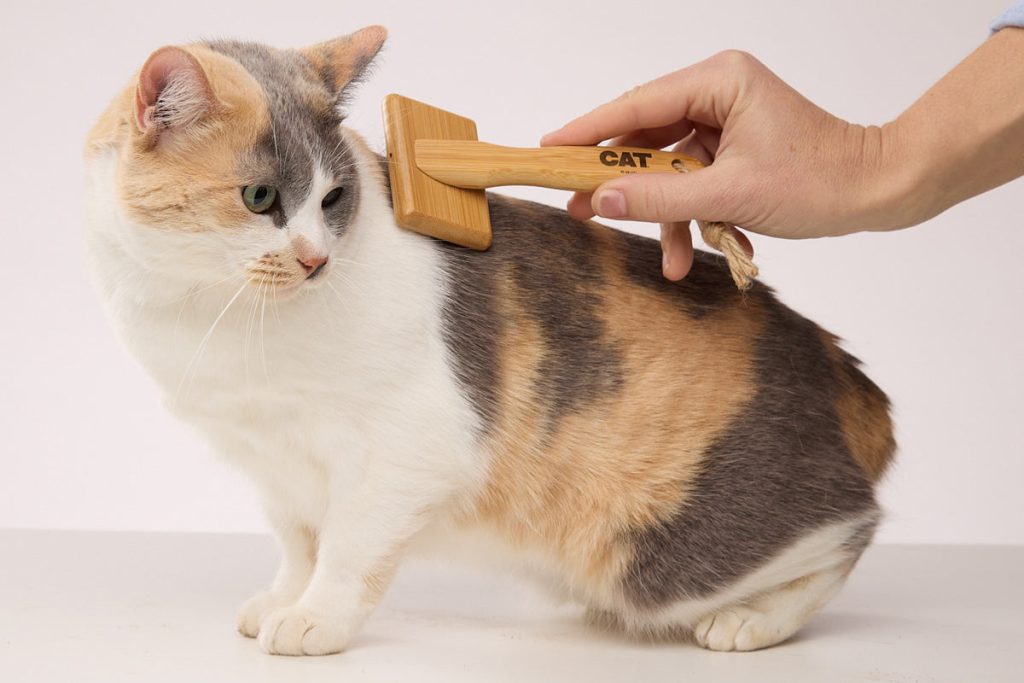
Have you ever wondered how to keep your cat’s coat looking its best? If you’ve noticed your feline friend shedding all over your furniture or struggling with knots in their fur, you’re not alone.
Brushing your cat isn’t just a grooming task; it’s a way to strengthen your bond with your pet while keeping them healthy and happy. Picture this: a calm, content cat purring as you gently brush away loose hair, leaving behind a sleek, shiny coat.
Doesn’t that sound wonderful? By learning the right techniques, you can turn brushing into a soothing ritual that both you and your cat will enjoy. Get ready to discover the secrets to brushing your cat like a pro, ensuring your furry companion feels pampered and loved. Keep reading to find out how you can make this experience stress-free and rewarding for both of you!
Choosing The Right Brush
Choosing the right brush for your cat is essential to ensure a pleasant grooming experience. The wrong brush can irritate your cat’s skin or not effectively remove loose fur and tangles. It’s crucial to pick a brush that suits your cat’s specific coat type and grooming needs. Let’s dive into the types of brushes available and the factors you should consider.
Types Of Brushes For Cats
- Slicker Brushes:These brushes have fine, short wires close together. They’re great for removing mats and tangles in medium to long-haired cats.
- Bristle Brushes:Ideal for short-haired cats, bristle brushes help to remove loose fur and distribute natural oils across the coat.
- Pin Brushes:Similar to human hairbrushes, pin brushes are gentle and work well for cats with sensitive skin or fluffy coats.
- Rubber Brushes:Perfect for short-haired cats, rubber brushes are gentle and effective at massaging the skin while removing loose fur.
Have you ever tried using a brush on your cat, only to find your feline friend squirming away? The type of brush you choose can make all the difference in your cat’s comfort.
Factors To Consider
- Coat Type:Is your cat’s fur short, long, or somewhere in between? Match the brush to your cat’s coat to ensure effective grooming.
- Sensitivity:Some cats have sensitive skin. Choose a brush that’s gentle, like a pin or rubber brush, to avoid irritation.
- Size of the Brush:Ensure the brush fits comfortably in your hand and matches the size of your cat. A large brush might overwhelm a small cat.
Imagine trying a new brush and seeing your cat relax and enjoy the grooming session. It’s all about finding the perfect match.
Does your cat seem more relaxed with certain brushes? Pay attention to their reactions during grooming to find out what they prefer.
Taking the time to choose the right brush can transform grooming from a chore into a bonding activity with your furry friend. What’s your cat’s favorite brush type?
Preparing Your Cat
Gently start by petting your cat to help them relax before brushing. Use a soft brush with gentle strokes. Focus on areas prone to tangles, like the back and sides, for a smooth coat.
Preparing your cat for brushing is essential for a stress-free experience. A calm and trusting environment helps your cat feel at ease. This makes the process smoother for both you and your furry friend.Creating A Calm Environment
Begin by choosing a quiet space in your home. This reduces distractions and keeps your cat focused. Dim lighting can also help soothe your cat. Avoid loud noises that might startle them. Soft background music can be beneficial too. Ensure the room is at a comfortable temperature. A warm, cozy space makes your cat feel safe.Building Trust With Your Pet
Start by gently petting your cat. Speak in a soft, reassuring voice. Let them sniff the brush before starting. This helps them get familiar with the tool. Offer treats to associate brushing with positive experiences. Rewarding good behavior encourages cooperation. Spend a few minutes each day petting and holding them. This strengthens the bond and builds trust over time. Brushing shouldn’t feel like a chore. It should be an enjoyable bonding activity. Make sure to move slowly and be patient. Your cat will appreciate the effort you put into their comfort.Brushing Techniques
Brushing your cat can strengthen your bond. It also keeps their coat healthy. Using the right technique is crucial. It can make the process enjoyable for both you and your cat. Let’s explore some effective methods.
Starting Slowly
Introduce the brush gradually. Let your cat sniff and explore it first. This helps reduce anxiety. Begin with short sessions. Just a few minutes at a time. Gradually increase the duration. Use treats and gentle praise to encourage cooperation. Patience is key.
Direction And Pressure
Brush in the direction of hair growth. This reduces pulling and discomfort. Use gentle pressure. Too much force can irritate the skin. Be mindful of sensitive areas. Like the belly and tail. Adjust your technique based on your cat’s reaction. Regular brushing keeps their coat shiny and healthy.
Managing Shedding
Brushing your cat is essential to manage shedding. Regular brushing can reduce fur mess and keep your home cleaner. Cats shed fur naturally, but you can control it. Read on to learn how to manage shedding effectively.
Frequency Of Brushing
Brushing your cat often helps manage shedding. Short-haired cats need brushing once a week. Long-haired cats need it more often, about twice a week. This routine reduces loose fur around your home. It also keeps your cat’s coat healthy.
Handling Loose Fur
Loose fur can be a problem if not handled well. Use a quality brush for your cat’s fur type. Brushes with soft bristles work best for short-haired cats. For long-haired cats, use a comb designed for tangles. Collect loose fur in a trash bag during brushing. This keeps fur from spreading everywhere.
Place a towel under your cat during brushing. This catches stray fur and makes cleanup easier. You can also use a damp cloth to wipe your cat after brushing. It removes any remaining loose fur.
Dealing With Tangles And Mats
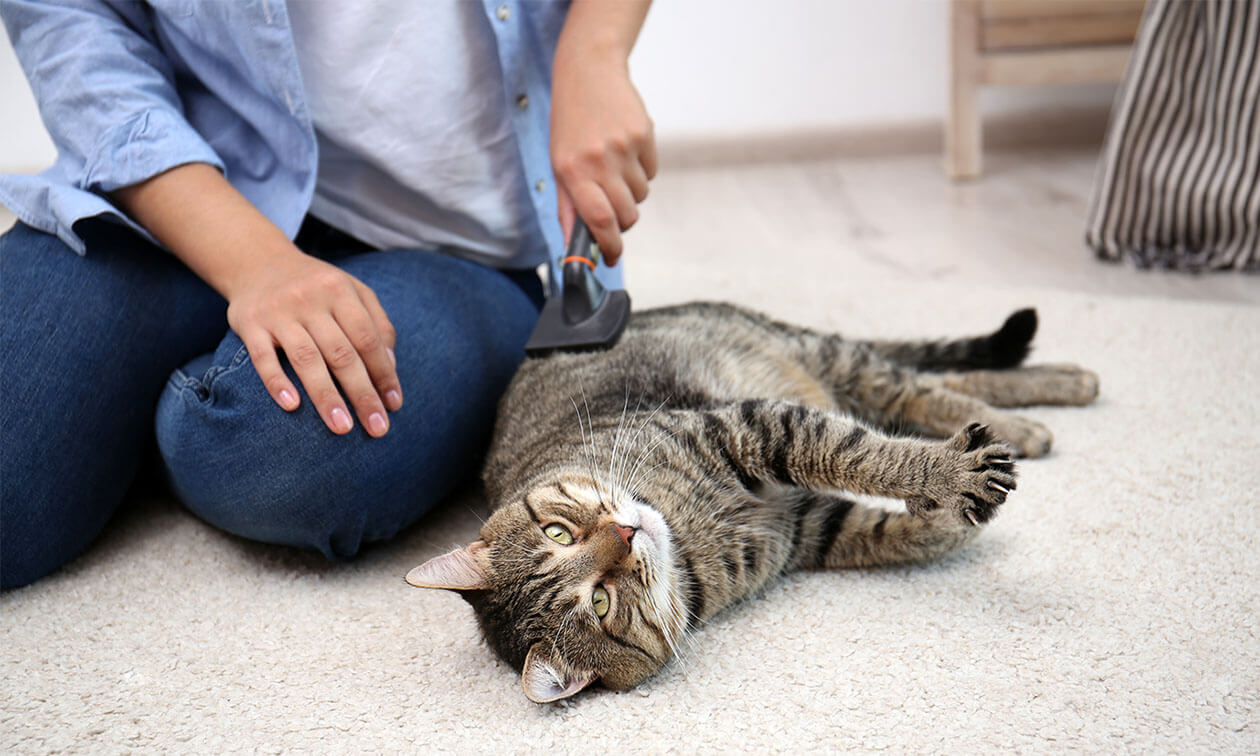
Cats often struggle with tangles and mats. Start with a gentle brush to ease their discomfort. Focus on detangling knots with patience, ensuring your feline friend remains calm and relaxed.
Brushing your cat isn’t always as straightforward as it sounds. Cats, with their playful antics and curious nature, often end up with tangles and mats in their fur. These pesky knots can be uncomfortable for your feline friend, leading to skin issues if not dealt with properly. But fear not! You can tackle these tangles with ease, ensuring your cat stays happy and healthy.Identifying Problem Areas
Before you start, take a moment to identify where the tangles are. Common problem areas include behind the ears, under the legs, and around the tail. Feel through your cat’s fur gently, looking for any dense spots. You might notice your cat flinching or pulling away when you touch a knot. These are signs that it needs attention. Understanding your cat’s usual grooming spots can help you spot unusual tangles early. Regular brushing can prevent mats from developing in these areas.Safe Removal Methods
Once you’ve identified the knots, it’s time for safe removal. Use a comb with wide teeth to gently tease the tangles apart. Start at the edges of the mat and work your way in. Be patient and calm. Cats can sense your anxiety, which may make them uncomfortable. If the mat is stubborn, consider using a detangling spray for cats. These sprays help loosen the knot without pulling too hard. In some cases, scissors might be necessary, but use them with caution. Cutting too close can harm your cat’s skin. If you’re unsure, consult a professional groomer for advice.Remember, your cat’s comfort is the priority. Wouldn’t you want the same if you were in their place?
Credit: www.zoetispetcare.com
Post-brushing Care
Gentle grooming maintains a cat’s fur health. After brushing, offer treats to build positive associations. Check for knots or tangles, ensuring comfort and a shiny coat.
After brushing your cat, it’s important to focus on post-brushing care. This ensures your feline friend remains comfortable and healthy. Caring for your cat doesn’t stop with grooming. You must also check for any signs of discomfort or health issues. This helps maintain their well-being.Rewarding Your Cat
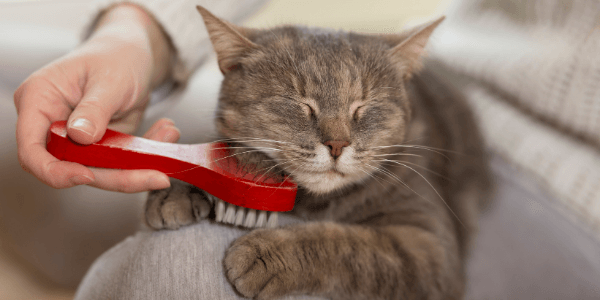
Giving your cat a treat after brushing reinforces good behavior. It creates a positive experience for them. Choose their favorite snack or toy. This makes them look forward to the next grooming session. Praise and affection also go a long way. A gentle pat or cuddle shows your appreciation. This strengthens your bond with your cat.Checking For Skin Conditions
After brushing, inspect your cat’s skin. Look for redness, bumps, or irritation. These can be signs of allergies or infections. Regular checks help catch issues early. Use a soft brush to part the fur. This gives a clear view of the skin. If you notice anything unusual, consult your vet. Early detection ensures your cat stays healthy.Common Mistakes
Brushing a cat seems simple, but mistakes are common. Many owners brush their cats incorrectly. This can lead to stress for the cat. Understanding what to avoid is key. It ensures a positive experience for both you and your cat. Let’s explore some common brushing mistakes.
Avoiding Over-brushing
Over-brushing is a frequent mistake. Cats do not need constant brushing. It can irritate their skin. This may cause discomfort or even pain. Brushing too often can damage their fur. It removes too much natural oil. This oil keeps their coat healthy and shiny. Limit brushing to a few times a week. This helps maintain a healthy coat.
Recognizing Stress Signals
Cats can show stress during brushing. Look for signs like twitching tails. Flattened ears also indicate discomfort. Hissing or growling means they are unhappy. Stop brushing if these signals appear. Give your cat a break. Try again when they seem calm. Understanding these signs helps build trust. A calm cat makes brushing easier.
Credit: www.preventivevet.com

Credit: luckydawgsalongrooming.com
Frequently Asked Questions
Are You Supposed To Brush Your Cat’s Fur?
Yes, brushing your cat’s fur is important. It reduces shedding, prevents mats, and keeps their coat healthy. Regular brushing also minimizes hairballs and helps you bond with your cat. Always choose the right brush for your cat’s fur type.
How Do You Brush An Unwilling Cat?
Gently introduce the brush while your cat is relaxed. Use treats and calm tones to encourage cooperation. Brush in short, gentle strokes, starting from areas your cat enjoys being touched. Gradually work towards less favored spots, stopping if your cat becomes stressed.
Patience and positive reinforcement are key to success.
How To Properly Brush Cats?
Gently hold your cat and use a suitable brush. Start at the head and move towards the tail. Brush in the direction of hair growth. Use short strokes for long-haired cats, and longer strokes for short-haired cats. Reward your cat with treats for a positive experience.
How Do Groomers Keep Cats Still?
Groomers use gentle techniques to keep cats calm and still. They often use soothing voices, treats, and gentle handling. Specialized grooming tables and tools also help. Cats are given breaks to reduce stress, ensuring a safe and comfortable experience.
Conclusion
Brushing your cat helps keep its coat clean and healthy. Regular grooming reduces shedding and prevents hairballs. Use gentle strokes to make your cat comfortable. Start slowly and build a routine your cat enjoys. Choose the right brush for your cat’s fur type.
Long or short, each coat needs special care. Pay attention to your cat’s reactions. Stop if they seem stressed. With patience, brushing can be a bonding experience. Cats love feeling pampered and clean. A well-brushed cat feels happy and looks great.
So grab your brush and start today!