How Do I Keep My Cat from Scratching the Furniture: Proven Tips
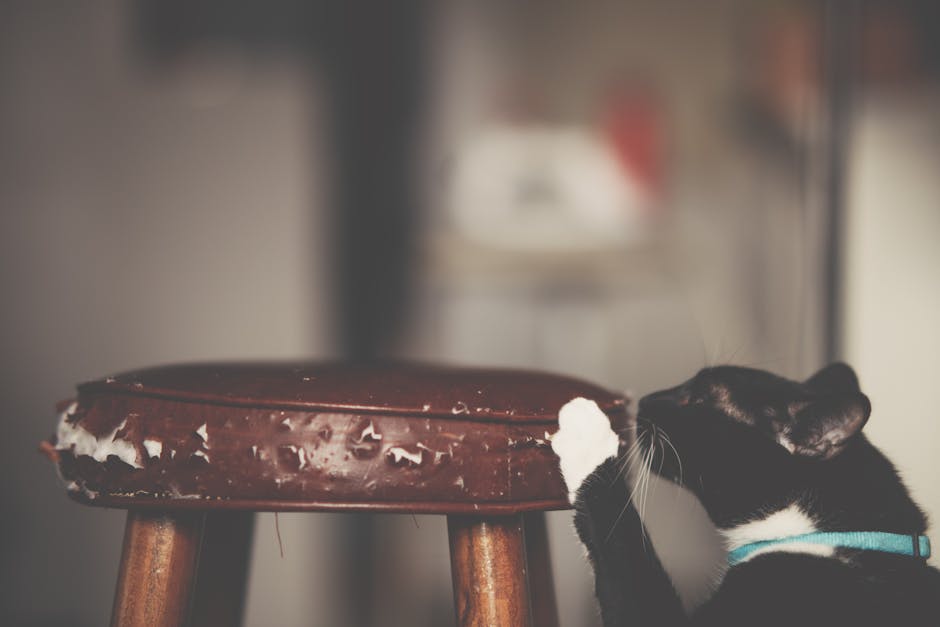
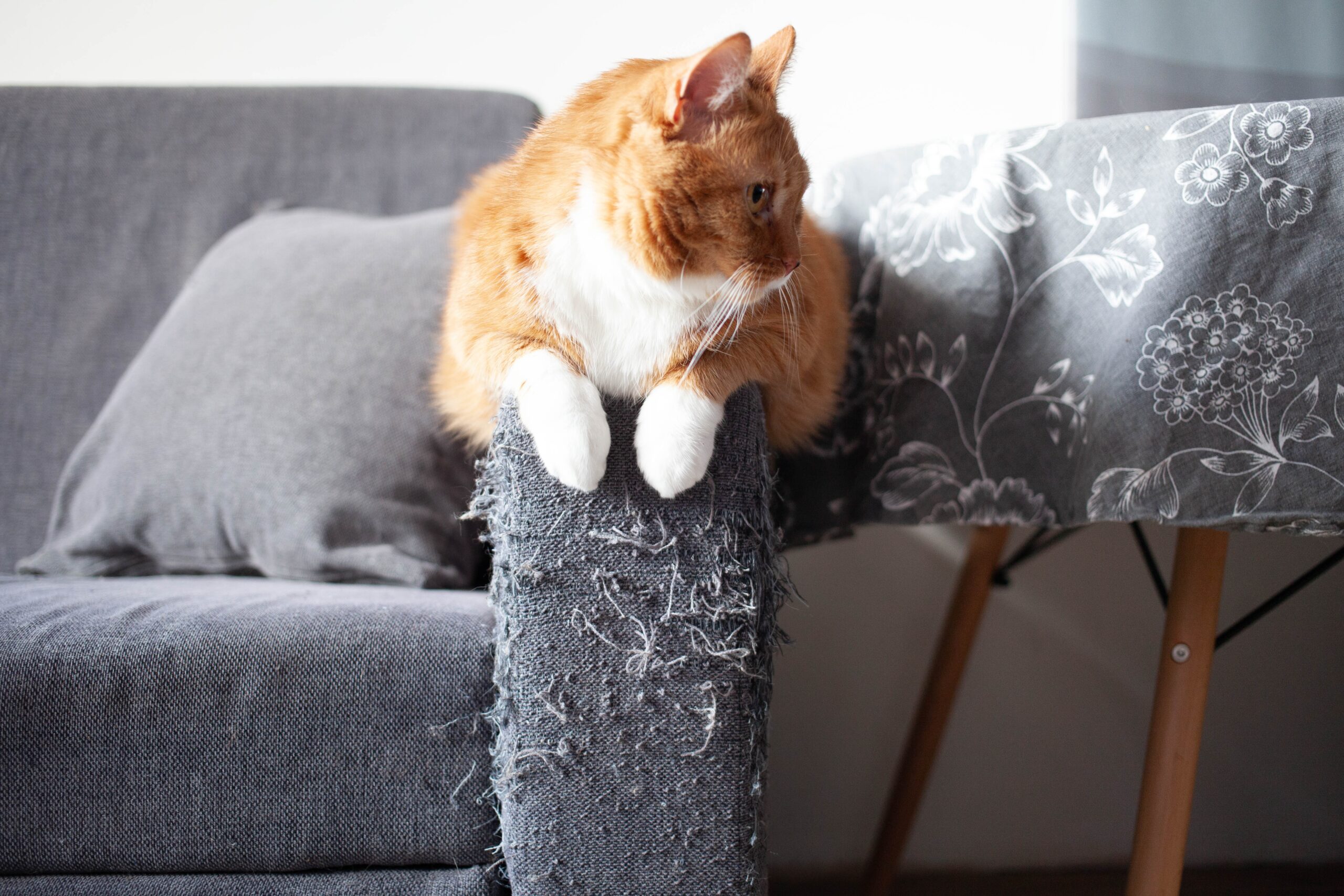
Are you tired of finding scratch marks on your favorite sofa or watching helplessly as your cat turns your furniture into their personal claw-sharpening station? You’re not alone.
Many cat owners face the same challenge, and it can be frustrating to see your beloved furniture suffer. But don’t worry—there are effective strategies to protect your home without sacrificing your feline friend’s happiness. You’ll discover simple, practical tips to keep your cat from scratching the furniture.
By the end, you’ll not only reclaim your living space but also strengthen the bond with your furry companion. So, let’s dive in and explore how you can create a scratch-free environment that you and your cat will love.

Credit: www.washingtonpost.com
Reasons Cats Scratch Furniture
Cats scratch furniture to mark territory, sharpen claws, and stretch muscles. Protect your furniture by providing scratching posts. Place them near favored scratching spots to redirect their instincts.
Understanding why your cat scratches furniture is the first step to addressing this common issue. Cats are naturally inclined to scratch, and it serves several important functions for them. Recognizing these reasons can help you find effective solutions to protect your beloved couch or armchair.Natural Instincts
Scratching is in a cat’s DNA. It’s not just a random act of destruction. Cats scratch to shed the outer layers of their claws. This is essential for maintaining healthy claws. Think about how you trim your nails. Similarly, your cat needs to keep its claws in top shape. Scratching is their way of doing this.Marking Territory
Cats have scent glands in their paws. When they scratch, they release their scent onto the surface. This is their way of saying, “This is my space.” Have you ever noticed your cat scratching more in certain areas? They’re marking those spots as their own. It’s their way of establishing territory.Exercise And Stretching
Scratching is an excellent way for cats to stretch their muscles. It’s akin to how you might stretch after sitting for a long time. This activity helps them maintain flexibility. Cats also use scratching as a form of exercise. It engages their muscles and keeps them active. This is particularly important for indoor cats who may not get as much physical activity. How can you redirect your cat’s scratching habit? Consider providing alternatives like scratching posts or pads. You can guide your cat towards these more appropriate surfaces. By understanding the reasons behind your cat’s scratching, you can create a more harmonious living environment. What strategies have you tried to manage your cat’s scratching behavior? Share your experiences below!Effective Deterrents
Dealing with a cat that loves to scratch your furniture can be a real challenge. But did you know that there are effective deterrents you can use to save your beloved couch? These solutions not only protect your furniture but also satisfy your cat’s natural instinct to scratch. Let’s dive into some practical ways to keep your cat’s claws busy and your furniture safe.
Using Scratching Posts
Scratching posts are a fantastic way to redirect your cat’s attention away from your furniture. Place them strategically around your home, especially near the furniture pieces your cat loves to scratch.
Choose a variety of textures and heights to keep your cat interested. Think about what your cat likes—does it prefer sisal rope, carpet, or cardboard? Offering different options can make all the difference.
Engage your cat by sprinkling some catnip on the posts. This small addition can make them irresistible. Is your cat ignoring the post? Try playing with them near it. Your cat might just take the hint.
Applying Sticky Tape
If you’re looking for a simple solution, sticky tape might be your answer. Cats dislike the feeling of sticky surfaces on their paws, making this an effective deterrent.
Apply the tape to areas where your cat tends to scratch. This can be the arms of your couch or the corners of your chairs. It’s a quick fix, but it works wonders.
Do you worry about the tape ruining your furniture’s look? Clear double-sided tape is available and hardly noticeable. It gets the job done without compromising your decor.
Deploying Citrus Scents
Citrus scents are another powerful deterrent. Cats generally dislike the smell of citrus fruits. Using these scents can keep them away from your furniture.
Try using citrus-scented sprays or placing citrus peels in problem areas. It’s a natural and safe option for both your cat and your home.
What if you don’t like the smell of citrus? Consider using essential oils. A few drops mixed with water can create a subtle yet effective barrier. It’s a win-win solution for you and your furniture.
Each of these deterrents offers a unique approach to keep your furniture scratch-free. Have you tried any of these methods? What worked best for your feline friend? Share your experiences and help others in their quest to protect their homes!
Training Techniques
Keeping your cat from scratching the furniture can be challenging. Training techniques offer effective solutions. These methods help guide your cat’s instincts. They also protect your home. Let’s explore how positive reinforcement and redirecting behavior can make a difference.
Positive Reinforcement
Positive reinforcement rewards good behavior. It encourages cats to repeat actions. Use treats or affection when your cat scratches a designated post. Praise your cat immediately. Consistency is key. Your cat will associate scratching the post with rewards. Avoid punishing your cat. This can cause stress and fear.
Redirecting Scratching Behavior
Redirecting behavior involves offering alternatives. Provide scratching posts near furniture. Cats need to scratch for their health. Offer different textures and heights. This satisfies their natural urges. Use catnip to attract them to the posts. Place double-sided tape on furniture. Cats dislike the sticky feeling. This deters them from scratching.
Creating A Cat-friendly Environment
Creating a cat-friendly environment can stop your feline from scratching your furniture. Cats need spaces that cater to their natural instincts. By making your home welcoming, you can redirect their scratching behavior. This approach benefits both your furniture and your cat’s well-being.
Providing Alternative Scratching Options
Offer scratching posts to divert your cat’s attention. Choose sturdy posts covered in sisal or cardboard. Place them near furniture they usually scratch. Cats prefer vertical posts with enough height. Horizontal scratchers work for some cats too. Experiment with different textures and shapes. This gives your cat options and keeps them engaged.
Ensuring Adequate Playtime
Active play reduces the urge to scratch furniture. Use toys that mimic prey to engage your cat. Feather wands or toy mice work well. Schedule regular play sessions throughout the day. Rotate toys to keep your cat interested. A tired cat scratches less. Interactive play strengthens your bond with your pet.
Grooming And Nail Care
Keeping a cat from scratching furniture can be a challenge. Grooming and nail care are effective strategies to reduce this behavior. Regular attention to your cat’s nails can help protect your home. This section explores how grooming can keep your furniture safe.
Regular Nail Trimming
Trimming your cat’s nails is essential. Short nails reduce damage to furniture. Use a cat nail clipper for safety. Cut only the tip of each nail. Avoid the quick, which is the pink part. Trimming every few weeks helps maintain nail length.
Start slow if your cat resists. Calm your cat with treats or soothing words. Over time, your cat will become more comfortable with nail trimming. Regular nail care keeps both your cat and furniture happy.
Using Nail Caps
Nail caps offer another solution. These small, plastic covers go over your cat’s nails. They prevent sharp nails from scratching surfaces. Nail caps are safe and easy to apply. Many pet stores sell them in various sizes.
Choose a color that matches your cat’s style. Apply adhesive to the cap and slip it over the nail. Ensure it fits snugly but not too tight. Caps generally last four to six weeks. Replace them as needed to keep your furniture protected.
Both regular nail trimming and nail caps can reduce furniture scratching. Your cat stays happy, and your home remains scratch-free.
:strip_icc()/keep-cat-from-scratching-carpet-554831_final-a8dcf3bb9e3b4c269259604c244f42d5.png)
Credit: wb-iisg.com
Consulting A Veterinarian
If your cat’s scratching becomes a problem, consulting a veterinarian can help. Vets are experts in animal behavior and health. They can offer solutions tailored to your cat’s needs. Understanding the root cause of scratching is key to finding a solution. A vet visit can ensure your cat is healthy and happy.
Evaluating Behavioral Issues
Veterinarians can identify if behavioral issues cause scratching. Sometimes, scratching is a sign of stress or anxiety. A vet can observe your cat’s behavior closely. They may suggest changes to your cat’s environment. This can help reduce unwanted scratching.
Considering Medication Or Therapy
In some cases, medication or therapy might be necessary. Vets can prescribe medications to calm anxious cats. They may also recommend behavioral therapy. This therapy teaches cats better scratching habits. It can be a helpful tool in managing your cat’s behavior.
Credit: zoeforpets.com
Frequently Asked Questions
How To Deter A Cat From Scratching A Couch?
Use a scratching post near the couch to divert your cat’s attention. Apply double-sided tape on couch surfaces to deter scratching. Trim your cat’s nails regularly to reduce damage. Use citrus spray as cats dislike the scent. Reward your cat for using the scratching post instead.
What Can I Spray On My Furniture To Keep Cats From Scratching?
Use a cat-safe repellent spray like citrus or lavender essential oils diluted with water. These scents deter cats. Ensure the spray is non-toxic and suitable for fabrics. Spray it lightly on furniture to prevent scratching. Regularly reapply for effectiveness.
How Do You Scratch Proof Furniture From Cats?
Use double-sided tape or pet-friendly sprays on furniture. Provide scratching posts to distract your cat. Trim their nails regularly. Use furniture covers or slipcovers. Train your cat with positive reinforcement techniques.
At What Age Do Cats Stop Clawing?
Cats typically stop excessive clawing by age 5. Training and regular nail trimming help reduce clawing behavior. Provide scratching posts to redirect their natural instinct and protect furniture. Each cat is unique, so some may stop clawing earlier or later than others.
Conclusion
Keeping your cat from scratching furniture can be simple. Offer them alternatives like scratching posts. Place these near their favorite spots. Praise them when they use it. This reinforces good behavior. Regularly trim their nails to reduce damage. Use deterrent sprays on furniture.
They help discourage scratching. Patience and consistency are key. Your cat needs time to adjust. Be gentle and understanding. Cats scratch to mark territory and stretch. Meeting these needs makes everyone happy. With these tips, your furniture stays safe. And your cat remains content.
Enjoy a scratch-free home.

Similar Posts