How Can You Tell If Your Cat Has Ear Mites: Expert Tips
Is your cat scratching its ears more than usual? Have you noticed any unusual head shaking or dark debris in their ears?
These could be signs of ear mites, a common issue that many cat owners face. Ear mites are tiny parasites that can cause significant discomfort for your feline friend. Ignoring the problem might lead to serious ear infections or other health issues.
But how can you be sure if ear mites are the culprit? We’ll explore the telltale signs that your cat may have ear mites, and what you can do to help them. Understanding these symptoms and acting quickly is crucial for your cat’s well-being. Keep reading to learn how to spot the signs early and ensure your pet stays healthy and happy.
Credit: www.smalldoorvet.com
Signs Of Ear Mites In Cats
Cats are masters at hiding their discomfort. Ear mites can cause irritation and pain. Knowing the signs helps you care for your feline friend better. Here are some common symptoms of ear mites in cats.
Scratching And Head Shaking
Frequent scratching is a key sign. Your cat might scratch its ears often. Watch for head shaking too. This is a sign of irritation. Cats shake their heads to relieve discomfort. It’s like they’re trying to shake something off.
Dark Ear Discharge
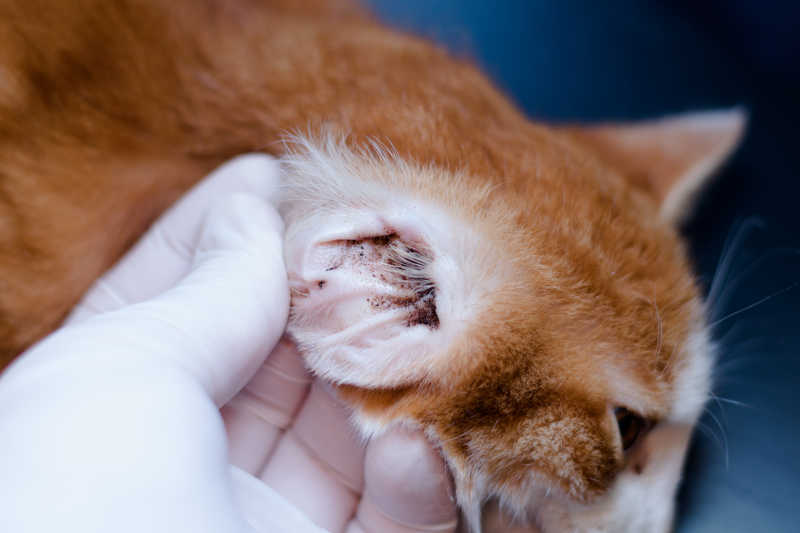
Inspect your cat’s ears. Dark discharge is a warning sign. It’s often waxy and resembles coffee grounds. This is a classic sign of ear mites. It’s caused by the mites and debris they leave behind. Check both ears to be sure.
Red And Inflamed Ears
Redness is another sign. Inflamed ears are a response to irritation. This happens due to constant scratching. The skin becomes red and swollen. It can be painful for your cat. Look for these signs during grooming sessions.

Credit: www.guilfordjamestownvet.com
Behavioral Changes
Noticeable behavioral changes in cats might indicate ear mites. Frequent head shaking or excessive scratching near the ears are common signs. You might also observe your cat being unusually irritable or restless. Keep an eye on these behaviors to ensure your cat’s comfort and health.
Have you noticed your feline friend acting a bit differently lately? Cats can be masters at hiding discomfort, but behavioral changes might be a sign that something is amiss. Ear mites, tiny parasites that make a home in your cat’s ears, can cause a variety of behavioral shifts. Understanding these changes can help you take swift action to ensure your cat’s comfort and health.Increased Irritability
A typically sweet and calm cat might suddenly become grumpy or aggressive. If your cat hisses or swats more than usual, it could be a red flag. Ear mites can cause intense irritation, making even the most patient cat a bit testy. Have you ever had an itch you just couldn’t scratch? Imagine that frustration magnified. That’s what your cat might be feeling. If your cat seems to be in a perpetual bad mood, it’s worth considering a check-up with the vet.Sensitivity To Touch
Does your cat flinch or run away when you try to pet them? Increased sensitivity, especially around the head or ears, is a common sign of ear mites. Even a gentle touch might be unbearable for your cat. Think about how you feel when you have a sunburn, and someone taps your shoulder. That’s a similar sensation your cat might experience with ear mites. If your normally affectionate cat suddenly avoids your touch, it could be time to investigate further. Recognizing these behavioral changes is crucial. It helps you address the issue before it worsens. Have you noticed these signs in your cat? Taking action early can make all the difference in your pet’s comfort and happiness.Physical Examination Techniques
Ear mites in cats can cause visible symptoms. Watch for excessive scratching and head shaking. Dark wax or discharge in the ear may indicate a problem. Conduct a gentle ear inspection to identify signs of irritation or inflammation. Early detection helps in effective treatment and ensures your cat stays comfortable.
Checking your cat for ear mites can seem daunting, especially if you’ve never done it before. But with some simple physical examination techniques, you can spot the signs early and save your furry friend from discomfort. Regularly examining your cat’s ears can prevent serious health issues and help you bond with your pet.Inspecting The Ear Canal
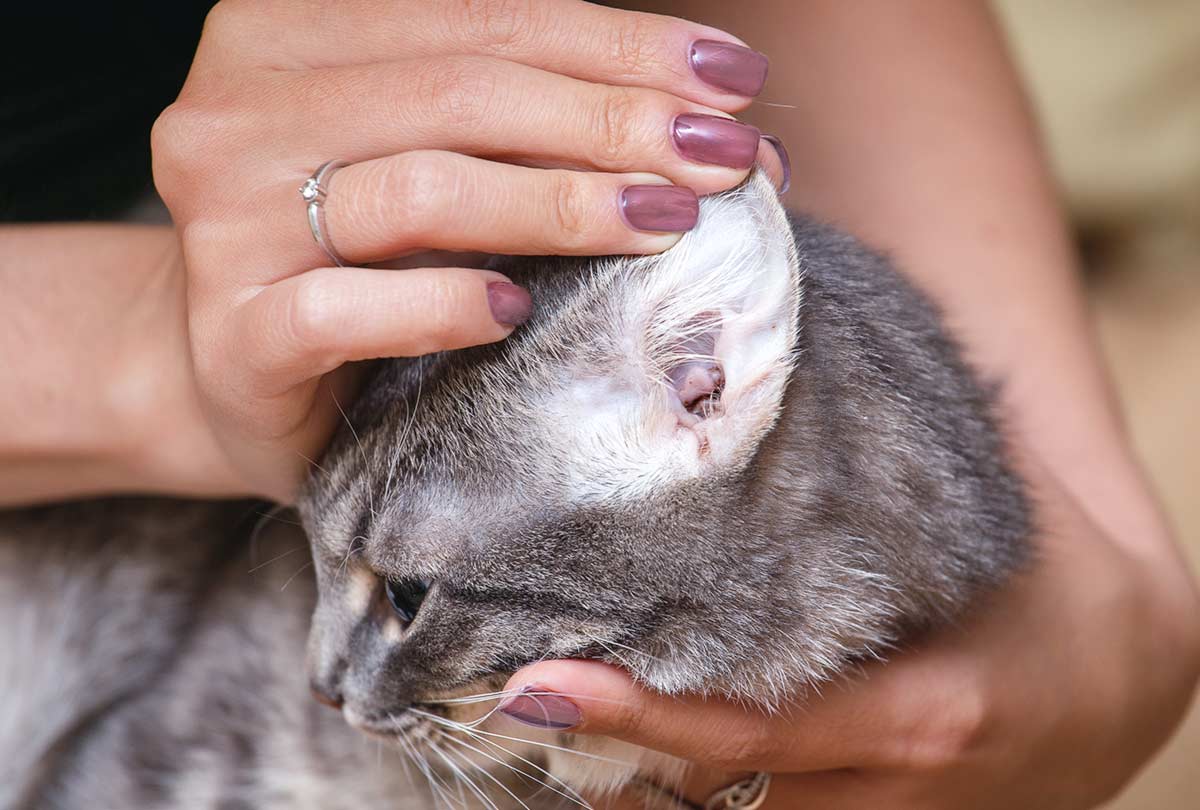
Begin by gently holding your cat’s head and looking into their ear canal. You might need a friend to help keep your cat still if they’re squirmy. Look for dark, crumbly debris that resembles coffee grounds—this is a common sign of ear mites. Take note of any redness or swelling inside the ear. A healthy ear should be pale pink without any strong odor. If you notice a foul smell, it could indicate an infection. Use a flashlight to see deeper into the ear, but be cautious not to insert anything into the ear canal. Cats’ ears are sensitive, and you don’t want to cause any injury.Using A Magnifying Glass
A magnifying glass can be a useful tool to get a closer look at what’s happening in your cat’s ear. It can help you spot the tiny white mites that are otherwise difficult to see with the naked eye. Hold the magnifying glass about an inch away from your cat’s ear. Angle it so that light shines directly into the ear canal, giving you a clearer view. Have you ever wondered if something as simple as a magnifying glass can make a difference? It can be the key to detecting mites early, ensuring your cat gets the treatment it needs right away. If you find anything suspicious during your examination, consulting with a vet is always a good step. They can provide a definitive diagnosis and recommend treatment options. Remember, your vigilance can keep your cat’s ears healthy and happy.Diagnostic Tools And Tests
Spotting ear mites in your cat can be tricky, but diagnostic tools and tests can help you get a clear answer. Knowing what to look for and how to proceed can save your cat from discomfort and potential complications. Let’s delve into the tools and methods used to confirm the presence of ear mites in your feline friend.
Veterinary Examination
Your vet is your best ally in diagnosing ear mites. A thorough examination can reveal signs that might be easy for you to miss. During the visit, the vet might check for symptoms like ear scratching, head shaking, and dark discharge. These are tell-tale signs that your cat could be dealing with ear mites.
Have you ever noticed your cat scratching its ears excessively? It’s easy to dismiss it as a quirky behavior, but it might be worth a vet visit. Early detection can prevent further issues.
Microscopic Analysis
If the vet suspects ear mites, they might use a microscope to examine ear discharge. This test is crucial because it allows for a definitive diagnosis. Under the microscope, ear mites are visible as tiny moving specks. It’s a straightforward yet effective method to confirm their presence.
Remember the time your vet took a sample from your cat’s ear? Watching them analyze it under the microscope may have seemed routine, but it’s a critical step. This simple test can be the difference between accurate diagnosis and guesswork.
Why wait for symptoms to get worse? Regular check-ups can catch these pesky mites early, ensuring your cat stays healthy and happy. If your cat’s behavior changes, don’t hesitate to consult your vet. Their expertise and diagnostic tools can offer peace of mind and a clear path to treatment.
Home Remedies And Treatments
Ear mites in cats cause symptoms like constant scratching, head shaking, and dark ear discharge. These tiny pests irritate your cat’s ears, leading to discomfort. Identifying these signs early helps ensure your feline friend receives prompt care.
Ear mites can be a real nuisance for your feline friend, causing discomfort and distress. When you notice signs like excessive scratching, head shaking, or dark discharge from your cat’s ears, it’s time to consider possible treatments. Let’s explore practical remedies and treatments you can try at home to help your cat feel better.Natural Oils And Solutions
One effective way to deal with ear mites is using natural oils. Olive oil or almond oil can work wonders. They help soothe the irritation and suffocate the mites, making them easier to clean out. Gently apply a few drops into your cat’s ear and massage the base to distribute the oil. This simple method can provide relief and minimize scratching. Another home solution is green tea. Brew a cup, let it cool, and use it as a natural ear rinse. Its antiseptic properties can help clean the ear canal and reduce inflammation. Regular rinsing can keep mites at bay and promote ear health.Over-the-counter Medications
Sometimes, natural methods aren’t enough. If your cat’s symptoms persist, consider over-the-counter options. Ear mite drops available at pet stores can be effective. These solutions typically contain insecticides that kill mites on contact. Follow the instructions carefully to ensure your cat receives the correct dosage. While choosing products, look for those with ingredients like pyrethrins or ivermectin. They are known for their efficacy in eliminating mites. However, always consult your vet before starting any treatment, especially if your cat has sensitive skin or allergies. Can you imagine your cat’s relief once the mites are gone? It’s rewarding to see them comfortable and carefree again. What home remedies have you tried for your cat? Share your experiences and help others in the comments below!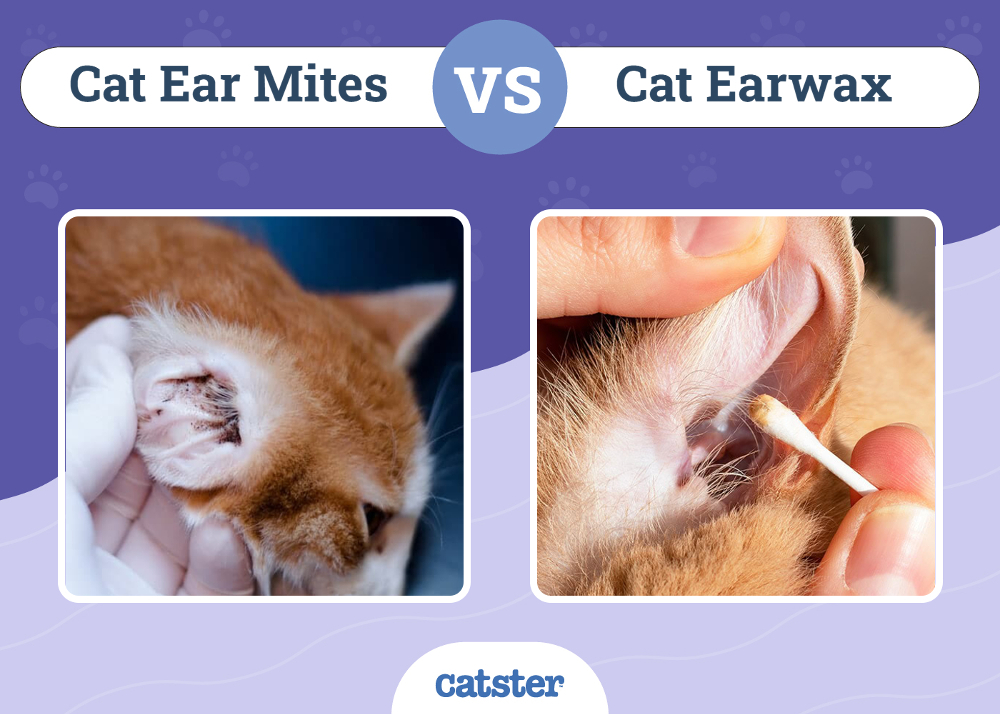
Credit: www.catster.com
Professional Treatment Options
Discovering signs like constant scratching or head shaking might indicate your cat has ear mites. Professional treatments, including ear drops or medications, can effectively eliminate these pests. Early detection and proper care ensure your feline’s comfort and health.
If you’ve noticed your cat scratching its ears more than usual or shaking its head, it might be time to consider professional treatment options for ear mites. While home remedies can offer temporary relief, professional treatments ensure a thorough and effective solution. Consulting with a veterinarian can help you choose the best treatment plan, ensuring your furry friend is comfortable and healthy.Prescription Medications
Veterinarians often prescribe medications to treat ear mites effectively. These medications can include topical ointments or oral drugs that specifically target the mites. Prescription options are typically stronger than over-the-counter products, providing faster relief for your cat. In my experience, my cat, Whiskers, was back to his playful self just days after starting a prescribed ear drop treatment. The vet explained that these medications not only kill the mites but also soothe the irritated skin.Follow-up Care And Monitoring
After beginning treatment, follow-up care is crucial to ensure the mites are completely eradicated. Regular check-ups with your vet can help monitor your cat’s progress and catch any lingering issues early. You might wonder, how can you be sure the treatment worked? Look for signs of improvement, like less scratching and a more relaxed demeanor in your cat. It’s important to complete the full course of treatment, even if symptoms seem to improve quickly. Additionally, keeping your cat’s environment clean helps prevent re-infestation. Regularly wash bedding and vacuum areas where your cat spends time. This proactive approach can help maintain your cat’s health and keep those pesky mites at bay.Preventative Measures
Cats may show signs like frequent ear scratching and dark discharge if they have ear mites. Regular checks and gentle cleaning can help spot early symptoms. Observing your cat’s behavior closely aids in identifying potential issues promptly.
Preventing ear mites in your cat is easier than you might think. Instead of reacting to problems, taking proactive steps can keep your feline friend healthy and comfortable. A little time spent on prevention can save you and your cat a lot of stress and discomfort.Regular Cleaning
Regular ear cleaning is crucial in preventing ear mites. Gently wipe your cat’s ears with a cotton ball dampened with a vet-recommended ear cleaner. Do this weekly to keep mites at bay and catch any dirt or debris before it becomes a problem. Consider making ear cleaning a part of your bonding routine. Perhaps after playtime when your cat is more relaxed. This way, it becomes a stress-free experience for both of you.Routine Veterinary Check-ups
Routine vet visits are not just for vaccinations. Your vet can spot early signs of ear mites that you might miss. Schedule a check-up at least once a year. During these visits, ask your vet to demonstrate how to examine your cat’s ears. This will give you confidence in spotting any changes at home. Knowing what to look for empowers you to act swiftly if needed. Being proactive with these preventative measures can lead to a healthier, happier cat. What small change can you make today to ensure your pet’s well-being?Frequently Asked Questions
What Does A Cat’s Ear Look Like With Mites?
A cat’s ear with mites appears inflamed and red. You may notice dark, waxy debris or discharge. The cat may scratch frequently, causing hair loss or scabs around the ear area. Mites can lead to a strong, unpleasant odor from the infected ear.
How Do You Get Rid Of Ear Mites In Cats?
Consult a vet for accurate diagnosis and treatment. Use prescribed ear drops or medications regularly. Clean cat’s ears gently with veterinarian-recommended solutions. Maintain hygiene by washing bedding and toys frequently. Monitor your cat’s behavior and check ears periodically for mites.
How Do Cats Act If They Have Ear Mites?
Cats with ear mites often scratch their ears excessively and shake their heads frequently. You may notice dark, crumbly ear discharge resembling coffee grounds. Cats might also exhibit irritability, sensitivity around the ears, or reduced appetite. Regular vet check-ups can help manage and treat ear mites effectively.
How To Check For Ear Mites At Home?
Use a flashlight to inspect your pet’s ears for dark debris or excessive scratching. Check for signs like head shaking, redness, or inflammation. Clean the outer ear gently with a cotton ball. If symptoms persist, consult a veterinarian for proper diagnosis and treatment.
Conclusion
Spotting ear mites early can save your cat discomfort. Watch for signs like head shaking and excessive scratching. Check your cat’s ears for dark, crumbly wax. If you notice these symptoms, consult a vet promptly. Treating ear mites quickly prevents further issues.
Your cat’s health and happiness matter. Regular vet check-ups and ear inspections can help. Keeping your cat’s ears clean reduces mite risks. Stay observant and proactive. Your furry friend relies on you. With care, your cat can stay healthy and ear mite-free.

Similar Posts