How Can I Help My Cat Pass a Hairball: Easy Solutions
You’ve probably heard that familiar, unpleasant hacking sound coming from your cat, only to discover yet another hairball on your floor. Hairballs are a common issue for cat owners, but that doesn’t make them any less concerning or messy.
If you’re wondering how you can help your cat pass a hairball, you’re not alone. Many cat lovers like you are searching for effective solutions to make this process easier for their furry friends. We’ll explore practical, easy-to-implement strategies that not only help your cat feel better but also give you peace of mind.
Keep reading, because what you discover here could make a big difference in your cat’s comfort and your home’s cleanliness.
Credit: www.pumpkin.care
Understanding Hairballs In Cats
Understanding hairballs in cats can help you ensure your furry friend is comfortable and healthy. Hairballs are a common issue, but knowing why they happen and what you can do is crucial. Let’s dive into the causes and symptoms you should be aware of.
Causes Of Hairballs
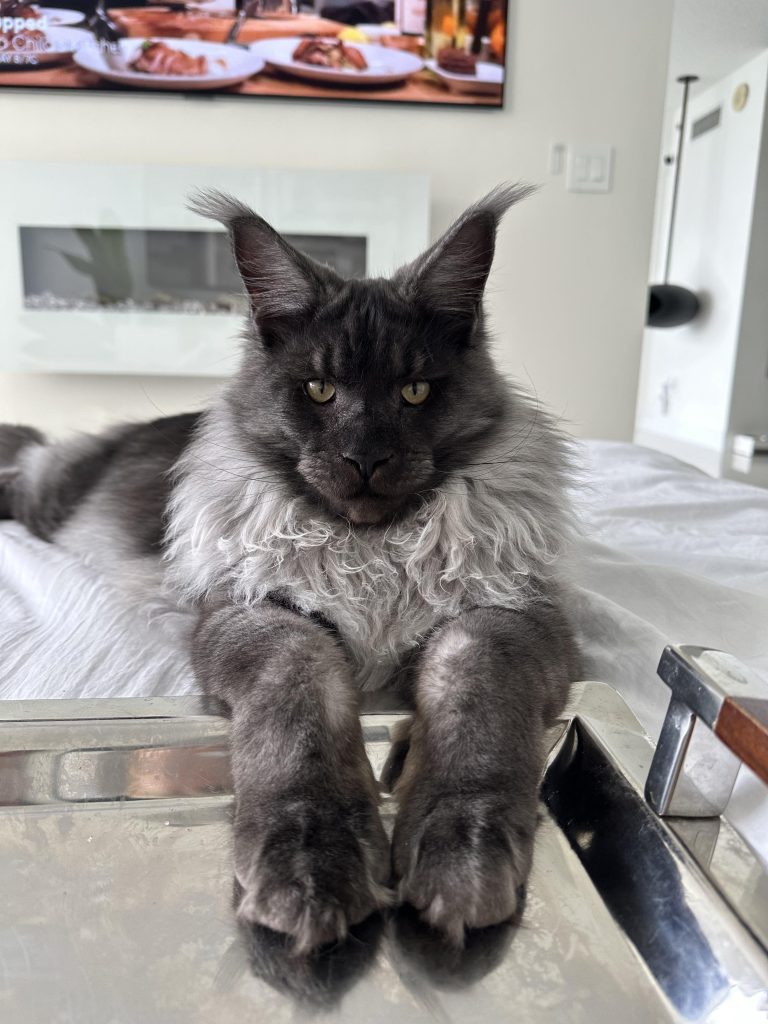
Cats are meticulous groomers. They use their tongues to clean themselves, which means they swallow loose fur. This fur sometimes accumulates in their stomach, forming a hairball. This is especially true for long-haired breeds like Persians or Maine Coons. Have you noticed your cat grooming more during shedding season? This can lead to more hairballs.
Young cats might not experience hairballs as often because their grooming habits aren’t as refined. But as they age, their grooming becomes more frequent. Are you feeding your cat a diet that supports healthy digestion? A diet lacking fiber can make hairballs harder to pass.
Symptoms To Watch For
Hairballs are not just a nuisance; they can affect your cat’s health. Signs your cat is struggling with a hairball include retching, vomiting, or gagging. You might also notice them regurgitating cylindrical shapes that look like compressed fur.
If your cat is lethargic or has a loss of appetite, it could indicate a hairball causing discomfort. Has your cat been coughing more than usual? Persistent coughing can be a sign of a stuck hairball. These symptoms might seem minor, but they can lead to bigger issues if not addressed.
Are you observing any changes in your cat’s litter box habits? Constipation can occur if a hairball is blocking their digestive tract. Keeping an eye out for these signs can help you take action before it becomes a serious problem.
Have you ever had to help your cat with a hairball? What steps did you take? Understanding these factors can make a significant difference in your cat’s life.
Preventive Measures
Helping your cat pass a hairball can be stressful. Prevention is the best approach. Understanding preventive measures keeps your cat healthy and comfortable. These simple steps can make a big difference.
Regular Grooming Techniques
Regular grooming reduces the amount of loose fur your cat swallows. Brush your cat daily to remove excess hair. Use a brush suitable for your cat’s fur type. This practice not only prevents hairballs but also strengthens your bond. Ensure the grooming session is calm and enjoyable for your pet.
Dietary Adjustments
Diet plays a crucial role in hairball prevention. Feed your cat a balanced diet with high fiber content. Fiber helps move hair through the digestive system. Some cat foods are specially formulated for hairball control. Always provide fresh water to keep your cat hydrated. Hydration aids digestion and reduces hairball formation.
Effective Home Remedies
Dealing with hairballs can be a challenging aspect of cat ownership. You’re not alone if you’ve found yourself worried about how to help your cat pass one smoothly. Thankfully, there are several effective home remedies that you can try to make the process easier and more comfortable for your feline friend.
Encouraging Hydration
One of the simplest ways to help your cat pass a hairball is to make sure they’re drinking enough water. Hydration is key to keeping your cat’s digestive system functioning properly. Cats are notorious for being picky about their water sources, so you might need to get creative.
Consider investing in a cat water fountain. Cats often prefer running water over stagnant bowl water. Does your cat turn their nose up at a fountain? Try placing multiple water bowls around your house to increase their chances of taking a sip.
Adding wet food to your cat’s diet can also boost their water intake. It’s a sneaky way to ensure they’re getting the hydration they need. Have you noticed your cat drinking less lately? It could be a sign they need more moisture-rich food.
Using Lubricants
Lubricants can help hairballs pass more smoothly through your cat’s digestive tract. One popular option is petroleum jelly. Simply place a small dab on your cat’s paw. They’ll instinctively lick it off, which helps to coat the hairball, making it easier to pass.
Olive oil is another household remedy that works wonders. Adding a teaspoon of olive oil to your cat’s food once a week can promote smoother digestion. Make sure not to overdo it. Too much oil can lead to digestive upset.
Do you worry about your cat’s reaction to these remedies? Most cats adapt well, especially when the alternatives are far less comfortable. It’s about finding what works best for your furry companion.
Hairballs may be a natural part of a cat’s life, but you can certainly take steps to alleviate the discomfort they cause. Have you tried any other remedies that worked for your cat? Your unique solutions could be helpful for other cat owners facing the same challenge.

Credit: www.youtube.com
When To Consult A Veterinarian
Every cat owner knows hairballs are common. Yet, there are times when a vet’s advice becomes crucial. Not all hairballs pass smoothly. Some might signal deeper health concerns.
Understanding when to seek professional help can save your cat from discomfort. It can also prevent complications. Early intervention often leads to better outcomes. Let’s explore the signs and treatments.
Signs Of Complications
Look for these signs in your cat. Persistent vomiting without a hairball is one. Also, a loss of appetite might indicate a problem. Frequent coughing or gagging is another warning. Watch for lethargy. It signals your cat isn’t feeling well. These signs suggest a visit to the vet.
Professional Treatments
A vet may perform a thorough examination. They might recommend specific medications. These help your cat pass the hairball safely. In some cases, surgery could be necessary. This is rare but crucial in severe cases. Always follow the vet’s guidance. It ensures your cat’s health and safety.
Managing Hairballs In Long-haired Breeds
Cats with long hair often struggle with hairballs. Regular brushing helps reduce loose fur. Provide plenty of water and a balanced diet to ease passage. Special cat foods or gels can assist in managing hairballs.
Managing hairballs in long-haired cat breeds can be a unique challenge due to their luxurious coats. These furry friends, with their majestic manes, often swallow more fur during grooming, leading to frequent hairball issues. Addressing this problem involves a combination of special grooming routines and tailored diets. Let’s dive into how you can help your feline companion stay comfortable and healthy.Special Grooming Needs
Long-haired cats require regular grooming to minimize hairball formation. Brushing your cat daily removes loose fur and reduces the amount they ingest. A short, fun grooming session can be a bonding experience for both of you. Consider using grooming tools like de-shedding brushes or combs designed for long-haired breeds. These tools can effectively remove the undercoat that might otherwise end up in your cat’s stomach. Have you ever tried grooming gloves? They’re not only effective but also feel like a gentle petting session. You might find your cat purring away as you help them reduce hairball risks.Breed-specific Diets
Diet plays a crucial role in managing hairballs. Long-haired breeds may benefit from specialized cat food designed to promote hairball passage. Look for formulas that include natural fibers, as these can aid in digestion and minimize hairball build-up. Offering wet food instead of dry can also help. The moisture content in wet food supports hydration, which is vital for digestion. Check with your vet if you’re unsure about switching diets. Did you know some cats enjoy a bit of pumpkin puree? It’s a natural fiber source that can aid digestion. You could mix a small spoonful into their meals to help manage hairball issues. Regular grooming and a thoughtful diet are your best allies in maintaining your cat’s health. Have you found any unique strategies that work for your long-haired friend?
Credit: www.wikihow.com
Frequently Asked Questions
What Happens If A Cat Can’t Cough Up A Hairball?
A cat unable to cough up a hairball may experience vomiting, constipation, or lethargy. Hairballs can block the digestive tract, causing serious health issues. Consult a veterinarian if symptoms persist. Regular grooming and specialized diets can help prevent hairball formation.
How To Help A Cat With A Stuck Hairball?
Encourage the cat to drink water to ease the hairball. Offer wet food or canned pumpkin for fiber. Gently massage their throat area to help expel it. Regular brushing reduces hairball formation. If persistent, consult a vet for further advice.
What Causes Hairballs In Cats?
Hairballs form when cats ingest hair during grooming. This hair accumulates in the stomach, leading to hairballs. Regular grooming can help reduce hairball formation.
How Can I Prevent Cat Hairballs?
To prevent hairballs, brush your cat regularly. This reduces loose hair ingestion. Providing high-fiber cat food can aid digestion and minimize hairballs.
Conclusion
Helping your cat pass a hairball can be simple. Start with regular brushing. This reduces the amount of hair they swallow. Next, provide a healthy diet with fiber. Fiber helps move hair through the system. Also, keep your cat hydrated.
Water aids digestion and smooths hair passage. Consider special hairball treats or gels. These products can assist digestion. Always monitor your cat’s health. If hairballs persist, consult a vet. They can offer more tailored advice. Your cat will feel better with the right care.
And a happy cat means a happy home.