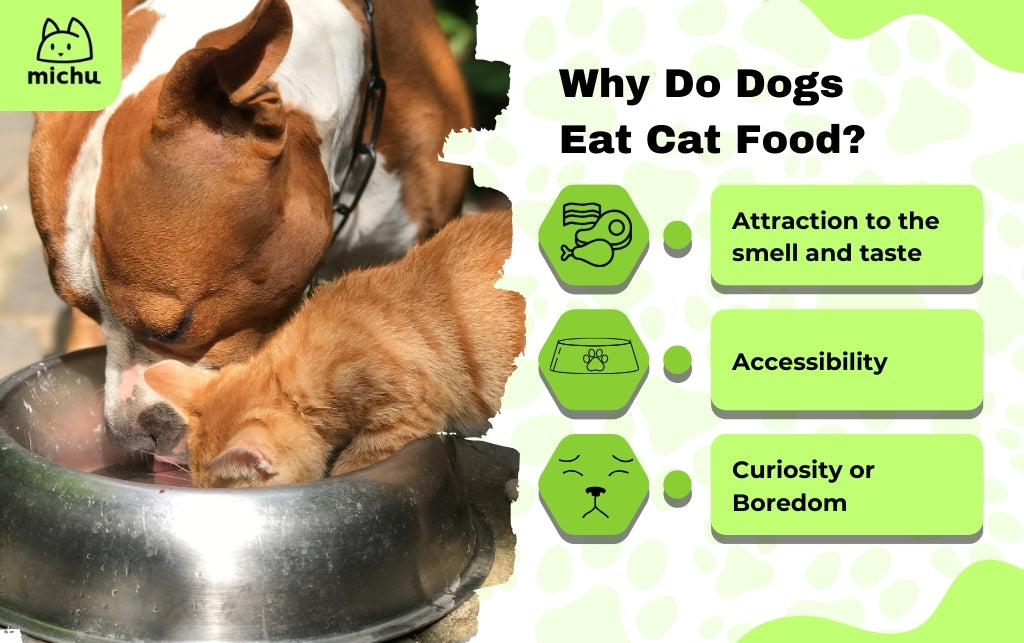
Have you ever caught your dog sneaking a bite from your cat’s food bowl? If so, you’re not alone.
Many pet owners face this curious scenario and wonder, “Does cat food hurt dogs? ” Understanding what your furry friends eat is crucial to their health and happiness. Your pets are part of your family, and ensuring they get the right nutrition is one of the best ways to show your love.
But could letting your dog munch on cat food be doing more harm than good? Stick around, and you’ll discover the surprising truth about cat food and dogs. This information could be the key to keeping your four-legged friend healthy and happy for years to come.
Differences Between Cat And Dog Nutrition
Cats and dogs have different nutritional needs. These differences stem from their distinct evolutionary paths. Cats are obligate carnivores. They need nutrients only found in meat. Dogs, on the other hand, are omnivores. They can eat both plants and animals. Understanding these differences helps in choosing the right food for each pet.
Unique Dietary Needs
Cats require specific nutrients that dogs do not. Taurine is essential for cats. Without it, they can face serious health issues. Dogs can produce taurine naturally. Cats also need arachidonic acid. This fatty acid is crucial for their health. Dogs can create it on their own. The unique needs of cats and dogs mean their food should not be interchangeable.
Protein And Fat Content
Cat food generally has higher protein levels. Cats thrive on high-protein diets. This is due to their carnivorous nature. Dog food often contains lower protein. Too much protein can lead to health issues in dogs. Fats are another key difference. Cats need more fat in their diet. It provides them with essential energy. Dogs require less fat, balancing their omnivorous diet. Feeding cats and dogs their specific food ensures they get the right nutrients.

Credit: www.akc.org
Potential Risks Of Cat Food For Dogs
As a pet owner, you might occasionally run out of dog food, leaving you with the temptation to use cat food as a substitute. However, while this may seem harmless, feeding cat food to your dog can lead to potential health risks. Understanding these risks can help you make informed choices for your furry friend’s diet.
Digestive Issues
Cat food is designed for felines, which have different nutritional needs than dogs. The high protein and fat content can be hard on your dog’s digestive system. You might notice symptoms such as diarrhea or vomiting after they consume cat food. Imagine your dog’s discomfort as their stomach struggles to process the unfamiliar ingredients. If your dog frequently experiences these symptoms, it’s time to reconsider their diet.
Allergic Reactions
Just like humans, dogs can be allergic to certain ingredients in cat food. Common allergens include fish and beef, which are prevalent in cat food recipes. If your dog starts scratching excessively or develops skin rashes, it could be an allergic reaction. Have you ever had an itchy rash that just wouldn’t go away? Your dog might feel the same way after eating cat food.
Are you willing to risk your dog’s health for the sake of convenience? Prioritize their well-being by sticking to food specifically formulated for dogs. It’s not just about avoiding immediate discomfort; it’s about ensuring long-term health and happiness. Consider this the next time you find yourself reaching for that bag of cat food.
Long-term Health Implications
Feeding dogs cat food can lead to serious health issues over time. Cats and dogs have different nutritional needs. Cat food is rich in protein and fat. This imbalance may cause problems for dogs.
Dogs eating cat food regularly may face long-term health risks. Understanding these risks helps in making better feeding choices. Let’s explore the implications on a dog’s health.
Weight Gain Concerns
Dog’s weight can increase due to eating cat food. Cat food has high fat content. Dogs consuming it regularly may gain extra weight. This weight gain can lead to obesity. Obesity increases the risk of other diseases.
Active dogs may burn extra calories. But most dogs might struggle with excessive weight. Owners must monitor their dog’s weight closely. Providing balanced meals is essential for maintaining health.
Organ Health
Feeding dogs cat food may affect their organ health. High protein can strain the dog’s liver and kidneys. These organs work harder to process the extra protein. Over time, this strain can lead to organ damage.
Kidney issues can be serious for dogs. It may lead to long-term health complications. Choosing the right food is crucial for organ health. Owners should be mindful of their dog’s diet.
Signs Your Dog Ate Cat Food
Have you ever caught your dog nibbling on cat food? You might wonder if this harmless snack could actually cause harm. While an occasional bite might not seem like a big deal, cat food can affect dogs in unexpected ways. Understanding the signs can help you act quickly if your furry friend has indulged in their feline sibling’s meal.
Behavioral Changes
One of the first things you might notice is a shift in your dog’s behavior. They could become unusually lethargic or hyperactive. If your usually calm dog suddenly can’t sit still, cat food might be to blame.
Dogs might also display a lack of interest in their regular activities. Have you ever seen your dog ignoring their favorite toy or skipping their regular walk? Cat food can sometimes cause this type of withdrawal.
It’s important to observe these behavioral changes closely. Could your dog’s mood swings be related to their sneaky snacking?
Physical Symptoms
Physical symptoms can provide more concrete clues. Look for digestive issues, such as vomiting or diarrhea. These can be immediate signs that your dog’s stomach isn’t happy with the cat food.
Another symptom might be excessive thirst or urination. If your dog suddenly drinks a lot more water, cat food could be altering their system.
Skin reactions like itchiness or rashes might also occur. Have you noticed your dog scratching more than usual? This could be their body’s response to ingredients in cat food.
Have you ever considered the ingredients in cat food? Dogs and cats have different nutritional needs, and cat food might not provide the right balance for your dog. Keeping these signs in mind can help you decide if your dog’s recent snack was harmless or if it’s time for a vet visit. What steps will you take to ensure your dog stays healthy and happy?
Safe Feeding Practices
Feeding dogs with cat food can lead to nutritional imbalances. Cat food is rich in protein and fat, which might harm dogs’ health over time. Ensure safe feeding practices by providing species-specific diets.
Feeding time can be a chaotic affair in households with both dogs and cats. You might find yourself wondering if it’s safe to feed them the same food. The truth is, while cats and dogs are both beloved pets, their dietary needs are quite different. Feeding cat food to dogs regularly might not be ideal. Let’s delve into safe feeding practices to ensure both your furry friends stay healthy.Proper Food Separation
Keeping their food separate is essential. Dogs are curious eaters; they might sniff out and munch on cat food if it’s within reach. Cat food is often richer in proteins and fats, which can upset a dog’s digestive system. Try setting up different feeding stations. Place the cat’s food bowl in a higher spot, like a counter or shelf, where your dog can’t reach. This separation not only prevents your dog from eating cat food but also gives your cat a peaceful place to eat.Monitoring Eating Habits
Observe your pets during feeding. Is your dog sneaking bites from the cat’s bowl? Are they displaying any signs of discomfort after eating? These are cues that you need to adjust their feeding arrangements. Consider creating a routine. Feed your pets at specific times each day. This consistency helps them know when it’s their turn to eat, reducing the chances of them stealing each other’s food. Tracking their weight and energy levels can also provide insights into how well their diets are working. If you notice changes, consult your vet for advice on possible dietary adjustments. Could there be unintentional habits you’re fostering that lead to these feeding mix-ups? Reflecting on your pet’s eating habits can reveal simple solutions to ensure safe feeding practices.Alternatives To Cat Food For Dogs
Many dog owners wonder if cat food is suitable for their dogs. Dogs and cats have different dietary needs. Feeding cat food to dogs can cause health issues. It’s important to find the right alternatives to ensure a balanced diet for your dog.
Balanced Dog Diet Options
Dogs need a diet rich in proteins and vitamins. Quality dog food offers essential nutrients. Look for dog foods with real meat as the first ingredient. Avoid products with artificial colors and preservatives. Consider choosing foods formulated for your dog’s age and size.
Homemade meals can also be a great option. Include lean meats, vegetables, and whole grains. Always consult your vet before making significant diet changes.
Healthy Treat Suggestions
Treats should be a small part of a dog’s diet. Choose treats that are low in calories and high in nutrients. Carrots and apple slices make great natural treats. Dogs also enjoy plain, cooked chicken or turkey. Avoid giving dogs grapes, raisins, or chocolate. These can be toxic.
Many stores offer healthy, store-bought treats. Look for treats with few ingredients. Ensure these treats complement your dog’s regular diet.
Expert Insights On Pet Nutrition
Cat food can be harmful to dogs due to different nutritional needs. Dogs require balanced diets with specific nutrients. Eating cat food regularly might lead to health issues, including obesity and digestive problems in dogs. Always ensure pets eat food designed for their species to maintain optimal health.
Expert Insights on Pet Nutrition Understanding what goes into your pet’s diet is crucial for their health and happiness. You might wonder if it’s okay for your dog to munch on cat food occasionally. While both are beloved members of the family, their dietary needs aren’t identical. Let’s dive into expert insights on pet nutrition to uncover what the professionals say.Veterinarian Advice
Veterinarians often emphasize that dogs and cats have different nutritional requirements. Dogs need a balanced diet that includes protein, carbohydrates, fats, vitamins, and minerals. Cats, however, are obligate carnivores and require more protein and specific nutrients like taurine. Feeding your dog cat food regularly can lead to nutritional imbalances. Consider a time when your dog sneaked into the cat’s food bowl. It may not seem like a big deal at first glance. But veterinarians warn that over time, this could lead to health issues like obesity or digestive problems in dogs. Is it worth risking your dog’s health for a momentary snack?Pet Nutritionist Tips
Pet nutritionists also weigh in on the debate, providing practical tips to keep your dog healthy. They suggest ensuring your dog gets food specifically formulated for their needs. Dog food is designed to support their growth, energy levels, and overall health. Imagine you’re cooking a meal for a friend with dietary restrictions. You wouldn’t serve them something that could make them sick, right? Similarly, feeding your dog cat food is like not respecting their dietary needs. Nutritionists recommend feeding your pets separately to prevent accidental food swapping. To make mealtime smoother, consider creating a feeding schedule. Feed your dog and cat at different times or in separate areas. This not only keeps their diets on track but also minimizes the chance of your dog snacking on the cat’s food. Have you tried this approach yet? Conclusion By understanding the specific needs of dogs and cats, you can make informed choices about their diets. Consult with your veterinarian and pet nutritionist regularly. After all, their health and happiness are in your hands.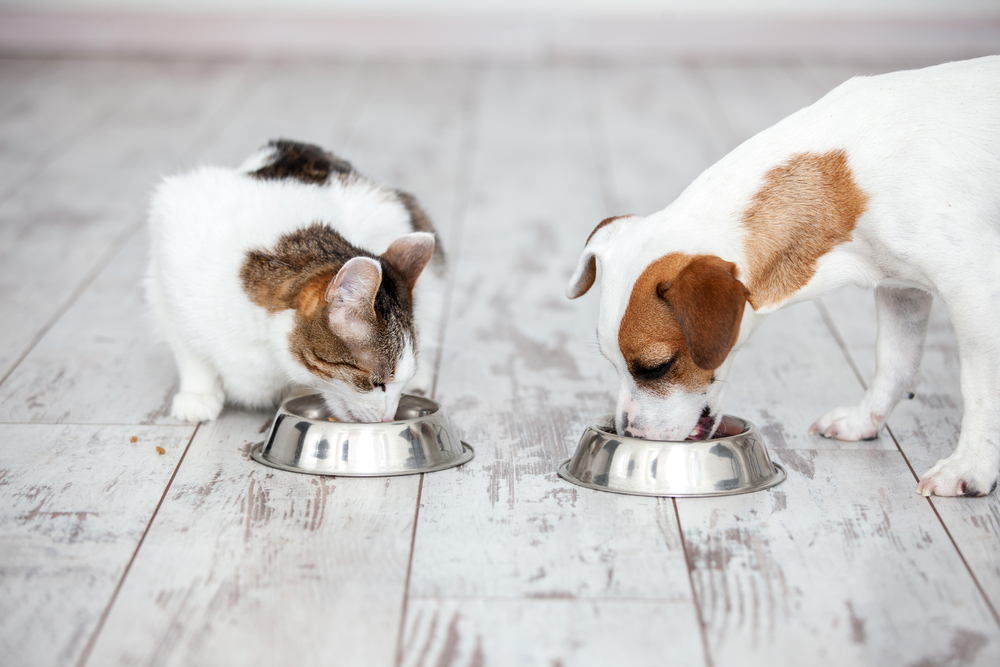
Credit: www.vets-now.com
Credit: www.petmd.com
Frequently Asked Questions
What Happens If A Dog Eats Cat Food?
Dogs eating cat food occasionally is usually harmless. Cat food is higher in protein and fat. Regular consumption can lead to obesity and nutritional imbalance in dogs. Monitor your dog for digestive issues or allergic reactions. Consult a vet if symptoms persist.
Always provide a balanced diet tailored for dogs.
Is It Bad To Feed Cat Food To My Dog?
Feeding cat food to dogs is not ideal. Cat food lacks the nutrients dogs need. It can lead to digestive issues and nutritional imbalances in dogs. Always provide species-appropriate food for your pets. Consult a veterinarian for advice on your dog’s diet.
How Do I Stop My Dog From Eating Cat Food?
Separate feeding areas for your pets. Use a pet gate or elevated cat food bowls. Train your dog with commands. Supervise feeding times closely. Opt for a dog-proof cat feeder.
What Should I Do If My Dog Only Wants To Eat Cat Food?
Gradually mix dog food with cat food to transition. Ensure dog food is palatable and nutritious. Consult a vet for advice. Monitor your dog’s health and adjust diet accordingly. Avoid prolonged feeding of cat food to dogs.
Conclusion
Feeding dogs cat food is not ideal for their health. Cat food lacks essential nutrients for dogs. It can lead to nutritional imbalances. Dogs have different dietary needs. Their food is higher in protein and fat. Over time, this can harm dogs.
Consult your vet for proper guidance. They know what’s best for your pet. Always choose food designed for dogs. Keep both pets healthy and happy. A balanced diet is vital. For their long, joyful life.