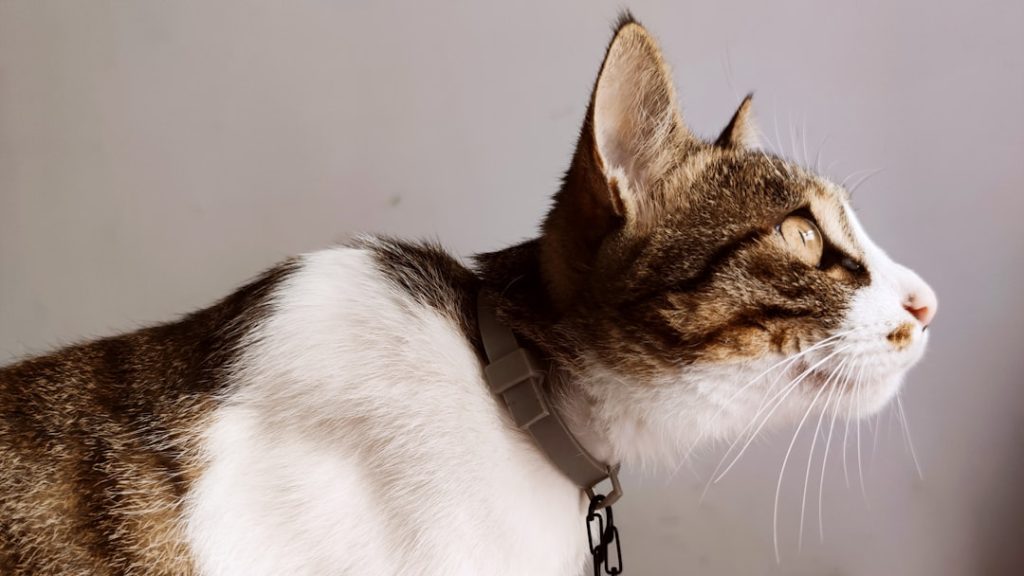
Are you tired of watching your beloved feline friend constantly scratch and groom, searching for relief from those pesky fleas? You’re not alone.
Many cat owners find themselves in this frustrating battle, desperately seeking an effective solution. Flea collars have long been a popular choice, but the question remains: do flea collars really work on cats? Before you make your next move, it’s important to understand how these collars function and whether they can truly offer your cat the comfort they deserve.
Stick with us as we delve into the details, answering your burning questions and guiding you toward making the best decision for your furry companion. Discover the truth about flea collars and ensure your cat remains itch-free and happy.
Credit: www.petsmart.com
How Flea Collars Function
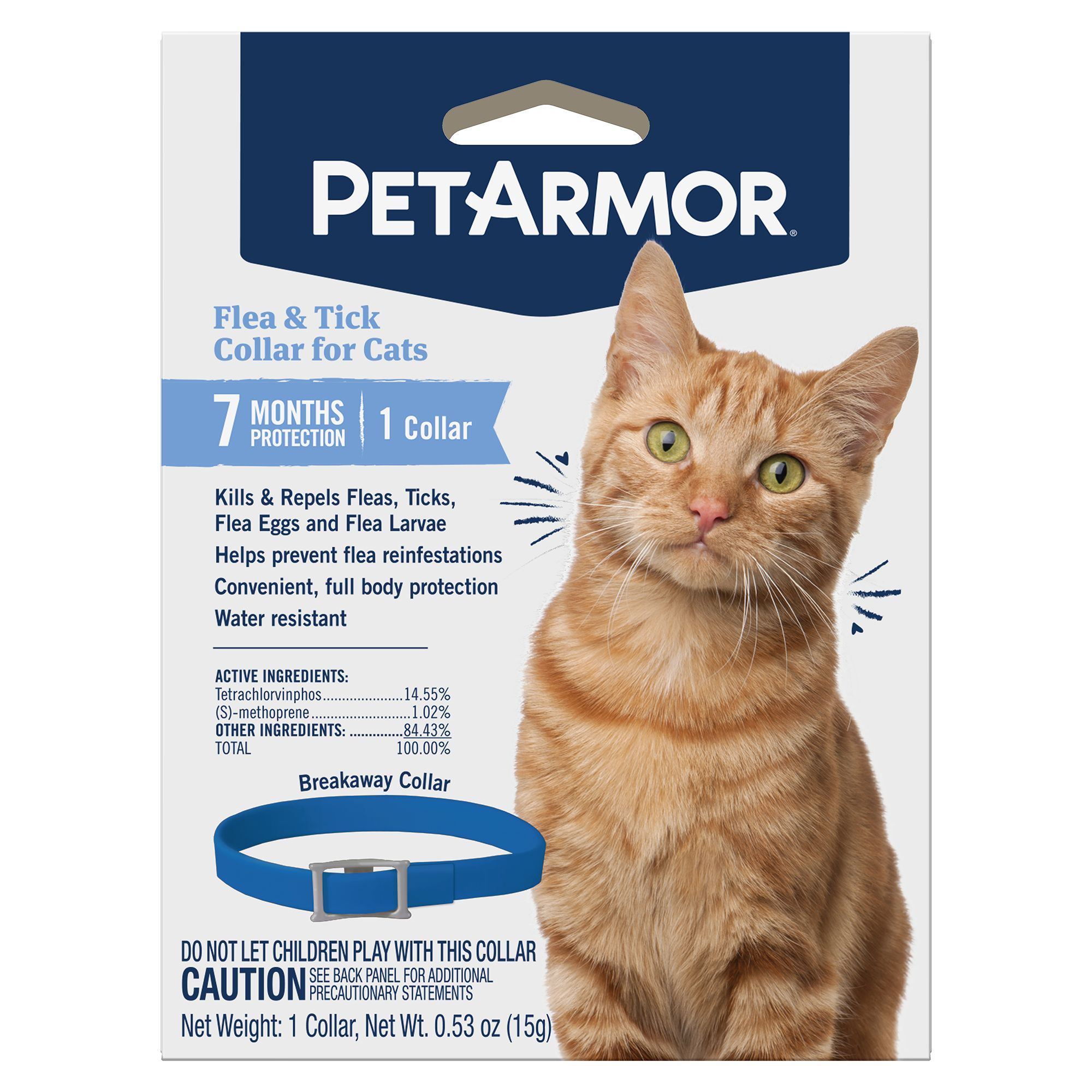
Flea collars have been a staple in pet care for decades. You might wonder how these simple devices can protect your cat from pesky fleas. Understanding how flea collars function can help you make an informed decision about your cat’s health and comfort. Let’s dive into the mechanics and types of flea collars available for your feline friend.
Mechanism Of Action
Flea collars work by releasing active ingredients that repel or kill fleas. These ingredients are usually pesticides like permethrin or imidacloprid. The collar slowly releases these substances over time.
As your cat moves, the collar spreads these ingredients across its fur. This creates a protective barrier against fleas. It’s almost like your cat is wearing a tiny shield that keeps these pests at bay.
Have you ever noticed how your cat loves to roam and explore? Flea collars are perfect for active cats, as they offer continuous protection without needing frequent application.
Types Of Flea Collars
Not all flea collars are the same. Some are designed to repel fleas, while others kill them. Repellent collars emit a smell that deters fleas from hopping on your pet. They’re great if your cat frequently visits flea-prone areas.
On the other hand, collars that kill fleas are equipped with powerful ingredients that eliminate fleas upon contact. These are ideal if your cat already has fleas and you need a quick solution.
Have you ever tried a natural flea collar for your cat? These are infused with herbal oils like citronella or eucalyptus. They can be a gentler option if your cat has sensitive skin.
Choosing the right type depends on your cat’s lifestyle and needs. What kind of environment does your cat live in? This is a key question when deciding which collar to choose.
Next time you shop for a flea collar, consider how these collars function and how they can fit into your cat’s daily routine. The right collar can make a world of difference in keeping your furry friend happy and flea-free.
Credit: www.catster.com
Effectiveness For Cats
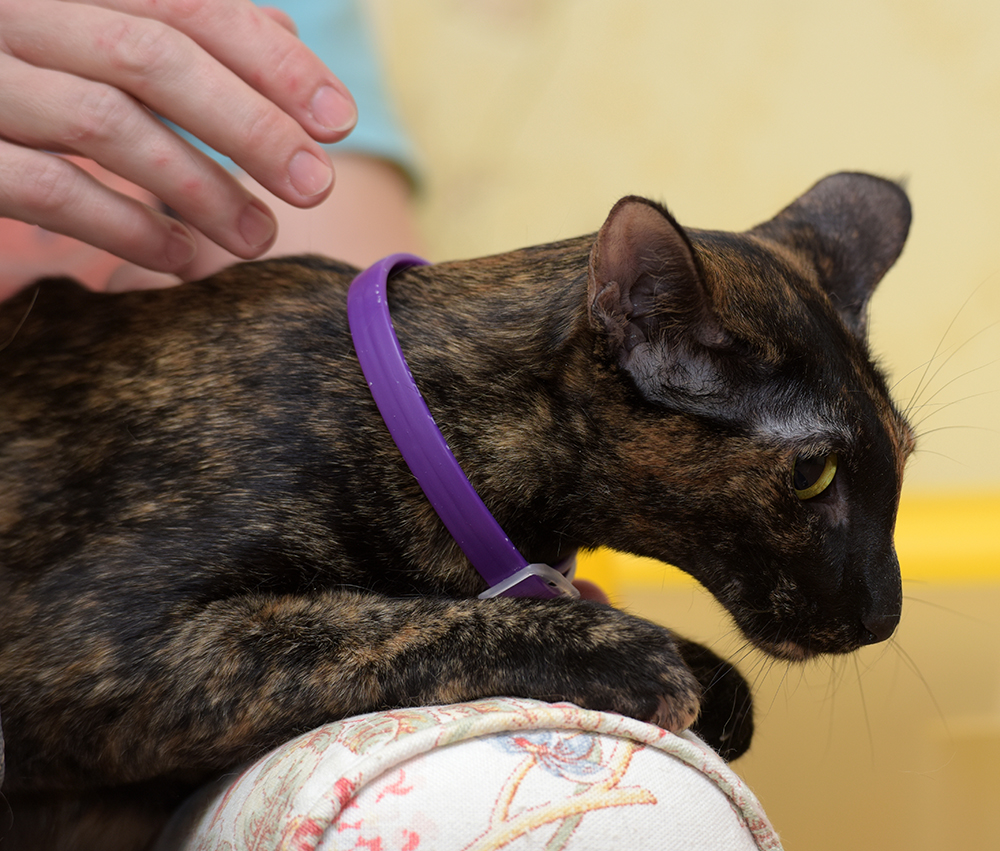
Flea collars can be effective for cats, offering protection against fleas. They work by releasing chemicals that repel or kill fleas. It’s crucial to choose the right collar and monitor your cat’s reaction for the best results.
Effectiveness for Cats Flea collars for cats have been a popular choice among pet owners seeking to protect their furry friends from pesky parasites. But how effective are they really? The truth is, the effectiveness can vary greatly depending on several factors.Factors Influencing Efficacy
The effectiveness of flea collars on cats can depend on a few key factors. First, the brand and type of collar play a crucial role. Some collars release active ingredients over months, while others might only last a few weeks. Another factor is your cat’s lifestyle. Does your cat spend a lot of time outdoors, or are they mostly indoors? Outdoor cats might need a collar with stronger protection due to increased exposure to fleas. Your cat’s health and skin condition can also influence how well a flea collar works. Cats with sensitive skin may react differently to certain chemicals, reducing the collar’s effectiveness.Comparative Analysis With Other Treatments
How do flea collars stack up against other treatments like topical solutions or oral medications? Each method has its own pros and cons. Flea collars are generally easy to use—simply put it on your cat and you’re done. Topical treatments, while effective, require regular application and can be messy. Oral medications might work faster, but getting your cat to swallow a pill can be a challenge. A close friend once told me how her cat refused to take oral meds, but accepted a flea collar without fuss. This shows that sometimes, convenience and your cat’s preference can outweigh other factors. Have you ever tried different flea treatments on your cat? What worked best for you? It’s important to weigh the options and choose what suits your cat’s needs and your lifestyle.Benefits Of Using Flea Collars
When it comes to keeping your feline friend flea-free, flea collars can be a practical solution. They offer a variety of benefits, making them a popular choice among pet owners. The convenience they provide can be a game-changer in your cat care routine. Let’s dive into why flea collars might be the answer to your cat’s flea woes.
Ease Of Use
Flea collars are incredibly simple to use. You just pop it around your cat’s neck, and you’re good to go. No messy applications or complicated instructions.
Imagine the ease of not having to chase your cat around the house with a spray or shampoo. With a flea collar, you can save time and stress, both for you and your cat.
Plus, they don’t require frequent reapplication, unlike some other flea treatments. You put it on once and can forget about it for a while. Isn’t it nice to have one less thing to worry about?
Long-lasting Protection
Flea collars offer prolonged protection, often lasting several months. This means fewer chances of fleas making a comeback.
Picture this: You buy a collar in January, and it’s still working its magic in June. That’s half a year of flea protection with minimal effort.
Flea collars have ingredients that are slowly released over time, ensuring that your cat stays protected longer. It’s like having a tiny shield around your cat, warding off pesky fleas day in and day out.
Have you ever wondered if there’s an easier way to keep your cat flea-free? Flea collars might just be the answer, offering ease of use and long-lasting protection. Are you ready to try one for your furry friend?
Potential Drawbacks
Flea collars for cats can be effective, but they have drawbacks. Some cats may experience side effects or react to chemicals. Owners should weigh these factors before use.
Possible Side Effects
Some cats may develop skin irritations from flea collars. Itching, redness, or hair loss can occur. These symptoms may indicate an allergic reaction. Cats might also show signs of discomfort or restlessness. If symptoms persist, consult a veterinarian immediately. In rare cases, more severe reactions might occur. Be cautious and monitor your cat’s health.
Environmental Concerns
Flea collars often contain chemicals that harm the environment. These chemicals can leach into soil and water. This can affect plants and animals nearby. Pets wearing flea collars may also spread chemicals indoors. Consider eco-friendly alternatives if this is a concern. There are options that reduce environmental impact while protecting your cat.
Safety Considerations
Flea collars can be an effective way to prevent fleas on cats. Yet, ensuring your cat’s safety is crucial. Understanding the safety considerations can help you make informed choices. Not all flea collars are created equal, and some can pose risks. A careful approach can protect your furry friend.
Choosing The Right Collar
Selecting the correct flea collar is vital for your cat’s safety. Look for collars designed specifically for cats. Some collars meant for dogs can harm cats. Read the label carefully. Check for age and weight suitability. Always prefer collars from reputable brands. Quality matters more than price. Avoid collars with strong chemicals. Natural options are often safer. If unsure, consult your vet for advice.
Monitoring Your Cat’s Reaction
Observe your cat closely after applying the collar. Watch for signs of discomfort or irritation. Excessive scratching or redness indicates a problem. If your cat seems lethargic, remove the collar immediately. Allergic reactions can occur. Be alert for unusual behaviors. Regular checks help catch issues early. If problems persist, seek veterinary help. Your cat’s well-being is the priority.
Expert Opinions
Experts often debate the effectiveness of flea collars for cats. Some say they help prevent infestations, while others suggest alternative treatments for better results. Understanding your cat’s specific needs is crucial for choosing the right solution.
When considering flea collars for cats, expert opinions can provide valuable guidance. These insights can help you decide whether a flea collar is the right solution for your feline friend. Let’s explore what veterinarians and pet owners have to say about their experiences with flea collars.Veterinary Insights
Veterinarians often recommend flea collars as a preventive measure. They appreciate the convenience and long-lasting protection these collars offer. Some vets highlight collars that release active ingredients gradually, ensuring extended protection. Not all collars are created equal. Experts stress the importance of choosing collars with proven efficacy and safety. Veterinary professionals often recommend products backed by clinical studies. Have you ever wondered if a flea collar is safe for your cat? Many vets advise checking for any allergies or skin sensitivities. This ensures that the collar will be safe and comfortable for your pet.Pet Owner Experiences
Many cat owners report positive experiences with flea collars. They appreciate the ease of use and effectiveness in keeping fleas at bay. Some users find them especially useful during peak flea seasons. However, not all experiences are the same. Some owners notice their cats scratching more than usual. This could indicate an allergic reaction, suggesting the collar might not be suitable for every cat. Have you tried a flea collar on your cat before? Some pet owners recommend monitoring your cat closely after putting on the collar. This helps in identifying any adverse reactions early on. If you’re considering a flea collar, it’s crucial to weigh these expert insights. Would you rely on veterinary advice or fellow pet owners’ experiences when making your decision?Alternatives To Flea Collars
Exploring flea collars for cats can lead to discovering effective alternatives. Consider oral treatments, topical solutions, and natural remedies. Each option offers unique benefits in controlling fleas without a collar.
If you’re a cat owner, you know that keeping your feline friend flea-free is crucial for their health and comfort. While flea collars are a popular choice, they aren’t the only option available. You might be wondering about the effectiveness of other methods. Let’s dive into some practical alternatives to flea collars that you can consider for your cat.Topical Treatments
Topical treatments are a popular choice for many cat owners. These products are usually applied directly to your cat’s skin, often at the base of the neck. They work by spreading across the skin and fur, killing fleas and preventing new infestations. Many cat owners find topical treatments convenient because they only need to be applied once a month. Brands like Frontline and Advantage are well-known and trusted. But, have you ever wondered if your cat will tolerate it? Some cats are sensitive to these treatments, so monitoring your pet after application is crucial.Oral Medications
Oral medications are another effective alternative to flea collars. These pills or chewables are ingested by your cat and work from the inside out. They target fleas at various life stages, often killing them within hours. Oral medications are great for cats who dislike topical applications. They provide a hassle-free option since you won’t have to worry about your cat rubbing off the treatment. However, always consult with your veterinarian to ensure the medication is safe for your specific pet’s health needs. Considering these alternatives, which option do you think suits your cat’s lifestyle best?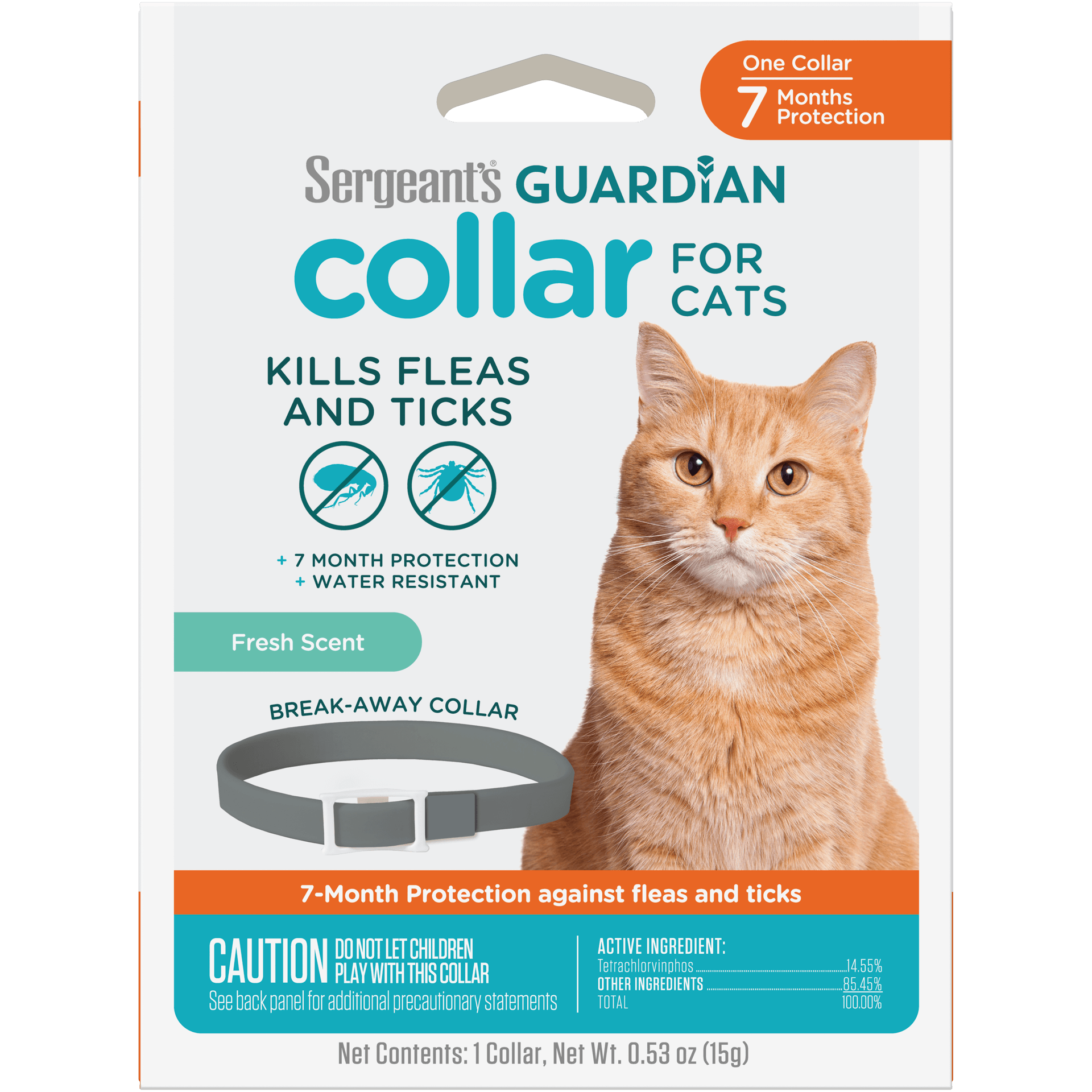
Credit: sergeants.com
Frequently Asked Questions
Do Cat Flea Collars Work If They Already Have Fleas?
Cat flea collars can help reduce fleas, but they may not eliminate an existing infestation completely. It’s best to combine them with other treatments like flea shampoos or spot-on treatments for effective results. Always consult your vet for the most suitable flea control plan for your cat.
Do Vets Recommend Cat Flea Collars?
Vets often recommend cat flea collars for effective flea prevention. They provide continuous protection against fleas and ticks. Ensure to choose a collar that suits your cat’s needs and consult your vet for advice. Regularly check for any skin reactions and follow usage instructions for safety.
Why Do Vets Not Like Flea Collars?
Vets often dislike flea collars due to potential toxicity and skin irritation. They may not effectively eliminate infestations. Alternative treatments are usually safer and more efficient.
What Is The Best Thing To Kill Fleas On Cats?
Use a vet-recommended flea treatment like Advantage or Frontline. Ensure the product is specifically for cats. Regular grooming and vacuuming help prevent infestations. Consult your vet for advice tailored to your cat’s needs. Always follow instructions on the product label for safety.
Conclusion
Flea collars can help protect cats from fleas. These collars work by releasing chemicals. The chemicals repel or kill fleas. But, not all collars suit every cat. Some might cause skin irritation. Always check the label and consult your vet.
Look for collars with safety features. Breakaway collars are safer for active cats. Regularly check your cat for fleas. Flea collars are just one part of flea prevention. Combine them with other methods for the best results. Keep your feline friend happy and flea-free.