Do Cats Need Separate Litter Boxes: Essential Insights
Imagine coming home to find your feline friends squabbling over space in the litter box. You might wonder if having just one is causing unnecessary stress.
If you’re juggling multiple cats, this concern might be all too familiar. But do cats really need separate litter boxes? Understanding their unique needs could transform your home into a peaceful haven for you and your pets. By addressing this simple question, you can enhance the health and happiness of your cats and improve your own living environment.
Dive in to discover how a small change can make a big difference, and why your cats might be silently pleading for their own private potty space.

Credit: m.facebook.com
Cat Behavior And Litter Box Preferences
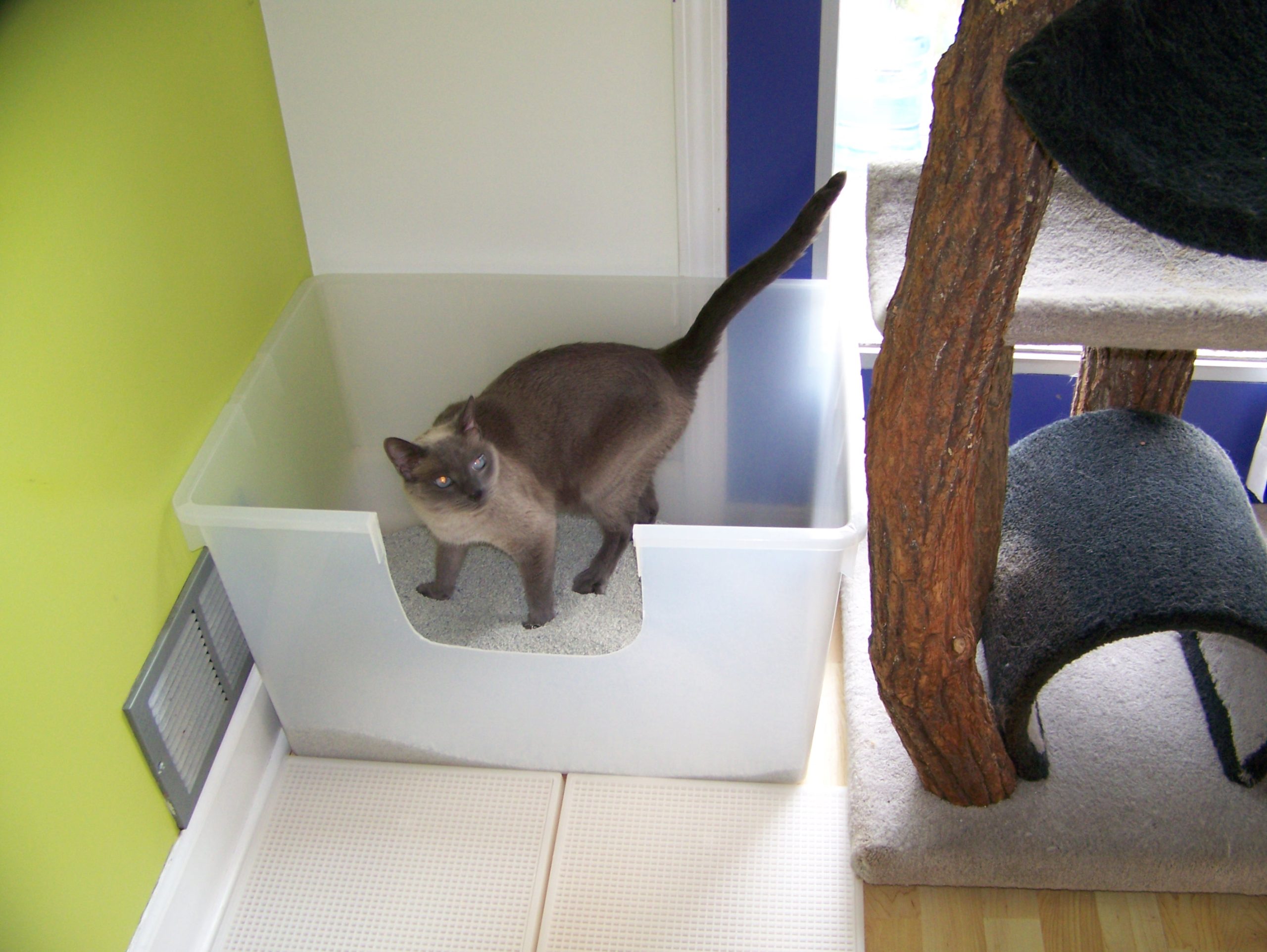
Cats often prefer having separate litter boxes to avoid territorial disputes. Providing individual boxes can reduce stress and encourage good litter habits. This simple step may prevent unwanted behavior and create a more harmonious home environment.
Cats are fascinating creatures with unique behaviors. Understanding their litter box preferences is key. Each cat has its own set of needs and instincts. These affect their use of litter boxes. Recognizing these can help maintain a happy home for your feline friends.Territorial Instincts
Cats are territorial by nature. They mark their territory to feel secure. This instinct extends to their litter boxes too. A shared box can cause stress for some cats. They might avoid using it if they smell another cat. Providing separate boxes can minimize territorial disputes.Privacy Needs
Cats value their privacy while using a litter box. A quiet, secluded spot is ideal for them. Crowded or noisy areas can make them anxious. They may refuse to use a litter box in such places. Having multiple boxes in different locations can ensure their privacy. It also reduces the chance of accidents. `Health Implications Of Shared Litter Boxes
Shared litter boxes can affect a cat’s health. Understanding these implications is crucial. Cats are sensitive creatures. They require a clean and stress-free environment. Sharing a litter box can lead to problems. These issues can impact both physical and mental health.
Disease Transmission
Cats can spread diseases through shared litter boxes. One cat’s germs can easily infect another. Parasites, bacteria, and viruses thrive in dirty litter. Diseases like feline herpes and ringworm spread this way. Regular cleaning can help but is not foolproof.
Stress And Anxiety
Sharing a litter box can stress a cat. Cats are territorial animals. They prefer personal spaces for their needs. A shared box can cause anxiety. Cats may avoid using a dirty or occupied box. This avoidance can lead to accidents outside the box. Stress and anxiety can also lead to health problems.
Optimal Litter Box Setup
Creating an optimal litter box setup is crucial for your feline friend. Cats are particular about their bathroom habits. Providing the right setup ensures their comfort and hygiene. A well-thought-out litter box arrangement can prevent behavioral issues. It also keeps your home clean and odor-free. Let’s explore the key aspects of setting up the perfect litter box environment for your cat.
Number Of Boxes Needed
How many boxes do you need? A simple rule: one box per cat. Plus one extra. This ensures each cat has options. It reduces stress and territorial disputes. If you have two cats, aim for three boxes. This way, everyone stays happy and healthy.
Placement And Accessibility
Where should you place the boxes? Choose quiet, low-traffic areas. Avoid noisy appliances. Cats appreciate privacy. They dislike disturbance during bathroom visits. Ensure easy access. Avoid placing boxes in hard-to-reach spots. Senior cats need more accessible locations. Consider their mobility needs. Keep boxes away from food and water. Cats prefer a clean separation of eating and bathroom spaces.
Signs Your Cat Needs A Separate Litter Box
Understanding your cat’s needs is crucial for a happy household. Cats are creatures of habit. Sharing a litter box might not suit them. Watch for signs that your cat needs its own space. These signs can help ensure your cat’s comfort and cleanliness.
Avoidance Behaviors
Cats may avoid a shared litter box. You might see them hesitating near it. They could seem anxious. This behavior indicates discomfort. Cats prefer privacy when doing their business. A separate litter box can ease their stress. It helps maintain their routine.
Inappropriate Elimination
Notice your cat using other areas for elimination? It’s a sign of distress. Cats may use carpets or furniture instead. This signals dissatisfaction with their litter box situation. Offering a separate box could solve this issue. It provides them a safe space to do their business.
Tips For Managing Multiple Litter Boxes
Cats often prefer separate litter boxes to maintain their personal space. Multiple boxes reduce territorial stress and prevent conflicts. Place them in quiet, accessible areas to encourage use.
Managing multiple litter boxes in a household can seem daunting, but it’s essential for the health and happiness of your feline friends. If you’re a cat owner juggling multiple boxes, it’s important to ensure each one is maintained properly. This not only keeps your home smelling fresh but also helps prevent territorial disputes among your cats. Let’s explore some practical tips to make this task easier and more efficient.Regular Cleaning Practices
Keeping litter boxes clean is crucial. Cats are particular about cleanliness, and a dirty box can lead to unwanted surprises elsewhere in your home. Set a routine to scoop waste daily or even twice a day if you have more than one cat. This helps to minimize odor and ensures your cats have a fresh place to do their business. Consider a weekly deep clean, where you empty the entire box and wash it with mild soap and water. This eliminates any lingering bacteria and keeps the box inviting for your cats. Having multiple boxes means more cleaning time, but it’s worth it to keep your cats happy. Perhaps you’ve noticed your cats avoiding a box that hasn’t been cleaned recently—this is a clear sign they need a pristine space.Choosing The Right Litter Type
Selecting the right litter can make all the difference in managing multiple boxes effectively. Some litters clump better than others, making it easier to clean. Others control odor more effectively, which is a blessing if you have several boxes. Think about your cats’ preferences too. Some cats are picky about the texture and scent of their litter. If you notice your cat avoiding certain boxes, it might be time to switch up the litter type. You might find that using different types of litter in different boxes solves issues of box avoidance. Experiment with various types until you find the right fit for your cats and home. Have you ever wondered if scented litter bothers your cat? It might, so observe their behavior and adjust accordingly. Managing multiple litter boxes doesn’t have to be a hassle. With regular cleaning and the right litter, you can ensure a harmonious environment for your feline family. Keep these tips in mind, and both you and your cats will enjoy a cleaner, happier home.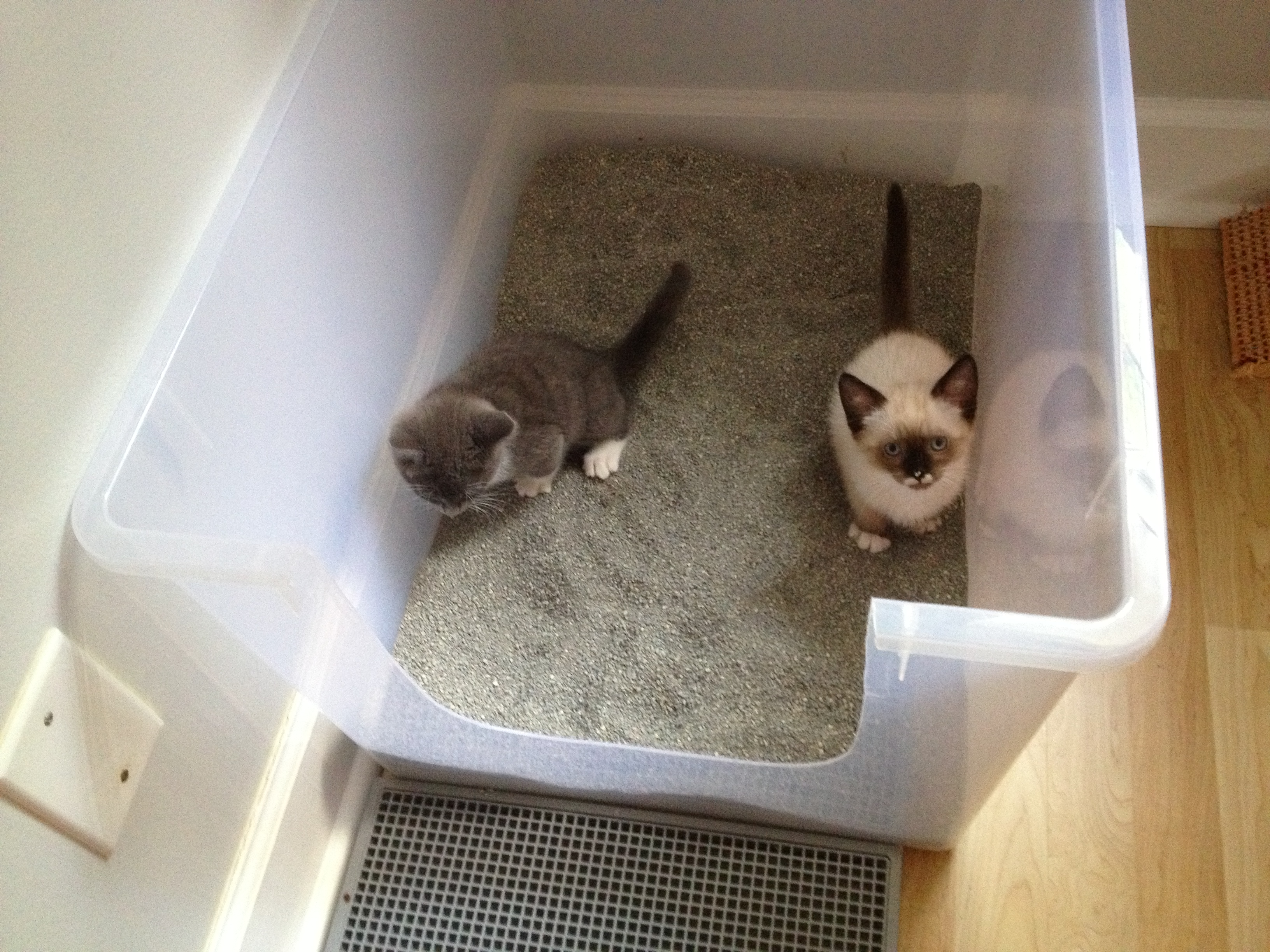
Credit: www.fundamentallyfeline.com
Benefits Of Separate Litter Boxes
Cats benefit from separate litter boxes, reducing stress and preventing territorial disputes. It ensures cleanliness, as each cat has its own space. This setup helps avoid behavioral issues, promoting a harmonious environment for feline companions.
Cats are fascinating creatures, and as cat owners, we strive to give them the best care possible. One important aspect of their care is their litter box situation. You might wonder whether your furry friends need separate litter boxes. The benefits of providing each cat with their own litter box are numerous and can significantly impact their health and happiness.Enhanced Hygiene
Having separate litter boxes for each cat ensures better hygiene. With their own space, there’s less chance of one cat encountering another’s waste. This reduces the spread of germs and keeps your home cleaner. A clean environment is crucial for your cat’s health. By minimizing the risk of infections, you safeguard their well-being. Plus, a fresh-smelling home is a bonus for you!Improved Cat Well-being
Cats are territorial animals. Sharing a litter box can cause stress and anxiety. Separate litter boxes give each cat their own haven, reducing conflicts. Think about it: if you had to share your bathroom with multiple people at the same time, wouldn’t it be uncomfortable? Providing individual boxes prevents stress-related issues like inappropriate urination. Happy cats are healthier cats. When they feel secure in their environment, their overall well-being improves. Consider how this small change might enhance your pet’s life. Do you have multiple cats at home? How have you handled their litter box arrangements? Sharing your experiences could help fellow cat lovers make informed decisions.:strip_icc()/SPRPETS-Petfive-Sustainably-Yours-Natural-Cat-Litter-Lindsay-Boyers-07-20cd6c87838840788b23c19f0d08277f.jpg)
Credit: www.thesprucepets.com
Frequently Asked Questions
Can Two Cats Use One Litter Box?
Yes, two cats can share one litter box, but it’s not recommended. Experts suggest having one box per cat plus one extra. This prevents territorial issues and ensures cleanliness. Cats prefer their own space, reducing stress and promoting healthy habits.
Providing multiple boxes improves their comfort and well-being.
Do Cat Litter Boxes Need To Be Separated?
Cats prefer separate litter boxes to avoid territorial issues. Ideally, have one box per cat, plus one extra. This prevents conflicts and promotes cleanliness. Cats enjoy privacy, reducing stress and encouraging regular use. Separate boxes also help monitor health by tracking each cat’s litter habits.
Should I Let My Cat Use My Other Cat’s Litter Box?
Yes, cats can share litter boxes. Ensure it’s clean and spacious to prevent territorial behavior or stress. Providing one box per cat plus an extra is ideal. Monitor for any signs of conflict or hygiene issues to maintain a harmonious environment.
Why Do Vets Recommend Two Litter Boxes Per Cat?
Vets recommend two litter boxes per cat to prevent territorial disputes and ensure cleanliness. Cats prefer having options for urination and defecation. Providing two boxes reduces stress and encourages proper litter box use. This setup helps maintain a harmonious environment and supports your cat’s health and well-being.
Conclusion
Cats thrive with their own litter boxes. It limits stress and fights. Sharing can cause behavioral issues. Each cat has different habits. Separate boxes help keep peace. Clean boxes are important. Cats need clean space for their bathroom needs. Watch their habits closely.
Adjust if needed. Cats’ comfort and health matter. Separate boxes offer a solution. Happy cats lead to a happy home. Consider space and convenience. Make sure they are easy to access. Your cats will appreciate it. It’s a simple step.
Ensures their happiness. Keep your feline family content.

Similar Posts