Can You Train a Cat to Walk on a Leash: Tips & Tricks

Imagine strolling down your neighborhood with your feline friend right by your side, exploring the world beyond the windowpane together. Can you really train a cat to walk on a leash?
You might think that cats, with their independent nature, wouldn’t take to a leash like dogs do. But what if you could unlock a new way to bond with your cat while giving them a safe taste of the outdoors?
You’ll discover the secrets to turning your indoor explorer into a confident outdoor adventurer. We’ll dive into easy-to-follow steps that could transform your walks and enrich your cat’s life. Are you ready to challenge the myth that cats can’t be trained? Keep reading to learn how you can make leash training a reality, and why it could be the best decision for you and your whiskered companion.
Benefits Of Walking Your Cat
Walking your cat on a leash offers many benefits. It promotes physical health, mental stimulation, and strengthens the bond between you and your feline friend. Cats are natural explorers, and a walk can satisfy their curiosity. Let’s explore the benefits of walking your cat.
1. Physical Exercise
Cats need exercise to stay healthy. Walking helps maintain a healthy weight. It can also improve their muscle tone and joint health. Regular walks can prevent obesity-related issues.
2. Mental Stimulation
New sights and smells excite cats. A walk provides mental stimulation. This can reduce boredom and prevent behavioral problems. It keeps your cat’s mind sharp.
3. Strengthening Your Bond
Walking your cat can strengthen your bond. It provides quality time together. You become a trusted companion. Your cat will appreciate your presence.
4. Safe Exploration
Leash walking allows safe exploration. Cats can explore without the risks of free roaming. It protects them from traffic and other dangers. They can enjoy the outdoors safely.
5. Reducing Stress
Walking can reduce stress for indoor cats. It offers a change of scenery. Fresh air and natural light can boost their mood. A walk can make them feel more content.
Credit: www.barkandwhiskers.com
Choosing The Right Leash And Harness
Training a cat to walk on a leash requires the right gear. Cats are not like dogs. They need special equipment for safety and comfort. Choosing the right leash and harness is crucial. A good fit prevents escape and keeps your cat secure. Let’s explore the options available.
Types Of Harnesses
Cat harnesses come in different styles. The H-style harness is simple. It has two loops: one for the neck and one for the chest. This style is easy to put on. Another option is the vest harness. It offers more coverage and security. It wraps around your cat’s body. The vest harness is ideal for cats who tend to wiggle out. Lastly, the figure-eight harness allows more freedom. It adjusts easily to fit your cat’s size. Choose a harness that fits snugly but comfortably.
Selecting A Suitable Leash
Leashes for cats are lighter than dog leashes. A retractable leash gives more freedom. It extends when your cat roams and retracts when needed. A standard leash is less flexible. It keeps your cat closer to you. The material of the leash matters too. Nylon is durable and lightweight. Cotton offers comfort but may not last as long. A leash with a swivel clip prevents tangling. Ensure the leash is long enough for exploration but short enough for control.
Getting Your Cat Comfortable
Teaching your cat to walk on a leash can enhance outdoor adventures together. Start indoors where your cat feels safe and gradually introduce the leash. With patience, many cats learn to enjoy strolling outside, offering them fresh air and exercise while ensuring their safety.
Getting your cat comfortable with a leash can be fun and rewarding. Cats are curious creatures, but they need time to adapt. Patience is key. A calm environment helps your cat feel secure during the process.Introducing The Harness
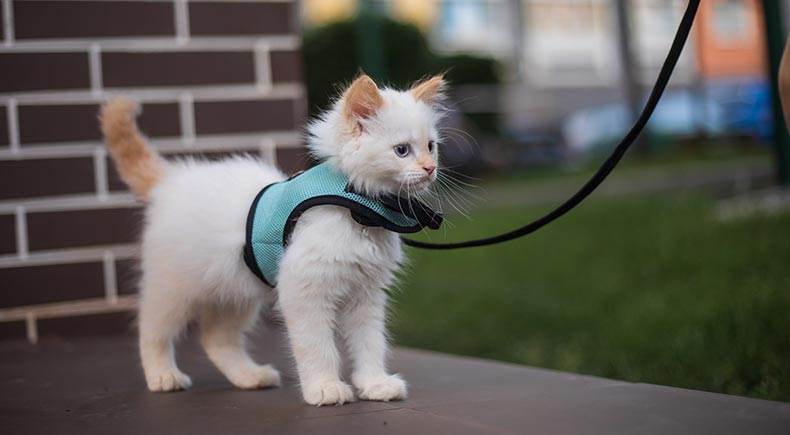
Start with a harness that fits your cat snugly. Let them sniff and inspect it. Place the harness near their favorite spots. Don’t rush. Allow your cat to explore it in their own time. Gradually, your cat will become curious about it. Once they seem interested, try gently placing the harness on them. Ensure it isn’t too tight. Praise them and offer treats for positive reinforcement. This encourages them to associate the harness with good experiences.Building Trust And Familiarity
Trust is crucial for leash training. Spend time bonding with your cat daily. Play with them using toys they love. This builds a strong connection. As your cat grows comfortable with the harness, take small steps. Let them wear it indoors. Gradually increase the duration. Offer treats and gentle words of encouragement. Your cat will begin to feel familiar with the sensation. Once they seem relaxed, attach the leash. Guide them gently around the house. Always reward their progress. This reinforces positive behavior and builds trust.
Credit: www.nytimes.com
Training Techniques
Training a cat to walk on a leash requires patience and technique. Cats are independent creatures, but they can learn new skills. With the right methods, your feline friend can enjoy the outdoors safely. Below, explore effective training techniques for leash walking.
Positive Reinforcement Methods
Cats respond well to positive reinforcement. Treats are a great motivator. Reward your cat when they show interest in the leash. Praise them for wearing the harness. Keep sessions short and enjoyable. This builds a positive association with the leash.
Use toys to encourage movement. Play near the leash to make it familiar. Gradually, your cat will link the leash to fun activities. Consistency is key. Repeat the process regularly. Over time, your cat will feel comfortable with the leash.
Gradual Exposure To Outdoors
Start indoors with the leash and harness. Let your cat explore in a safe environment. Introduce the outdoors slowly. Begin with short trips to a quiet yard. Allow your cat to sniff and roam.
Increase the duration of outdoor walks gradually. Watch for signs of stress. Stay close to your home initially. Choose quiet times for walks. Slowly, your cat will adapt to the sights and sounds.
By following these techniques, your cat will learn to enjoy leash walks. Be patient and observe their comfort level. Each cat adapts at their own pace. Training takes time but builds trust and confidence.
Common Challenges And Solutions
Training a cat to walk on a leash can be tricky. Cats may resist due to unfamiliar sensations. Gradually introducing the leash and practicing indoors can help. Patience and gentle encouragement are key to overcoming these challenges.
Training a cat to walk on a leash can be a rewarding experience, but it’s not without its challenges. Many cat owners face hurdles that can make the process seem daunting. However, understanding these common obstacles and knowing how to tackle them can make the journey smoother for both you and your feline friend.Handling Fear And Anxiety
Cats are creatures of habit and introducing something new, like a leash, can trigger fear and anxiety. The key is to make the leash a part of their environment before even attempting to use it. Leave the leash near their favorite spot and let them sniff and explore it. Reward them with treats and affection when they show interest. This positive association can reduce their anxiety. When I first tried to leash train my cat, Luna, she was terrified. Instead of pushing her, I spent a week letting her adjust to the sight and smell of the leash. Once she was comfortable, we took baby steps, starting with wearing the harness indoors.Dealing With Resistance
Resistance is natural. Cats are independent and may not immediately take to being guided. The trick is to be patient and consistent. If your cat resists walking, don’t pull or drag. Instead, encourage them with treats and gentle coaxing. Sometimes, a little playtime with a toy can entice them to move forward. Consider what might be causing the resistance. Is the harness too tight? Is the environment noisy? Adjust accordingly and try again. When Luna resisted, I realized it was the outdoor noises that startled her. We began with short walks during quieter times of the day, gradually increasing the duration as she grew more confident. What challenges have you faced in leash training your cat? How did you overcome them? Remember, patience and understanding go a long way in making this a positive experience for both you and your feline companion.Safety Tips For Outdoor Adventures
Training a cat to walk on a leash can enhance outdoor adventures. Start slowly and use treats for encouragement. Ensure the harness fits snugly to keep your cat safe and comfortable during walks.
Taking your cat on outdoor adventures can be a fun and rewarding experience for both of you. However, ensuring your feline friend’s safety is crucial. Cats are naturally curious creatures, and while this trait can lead to delightful discoveries, it can also present unexpected dangers. By following some straightforward safety tips, you can create a safe environment for your cat to enjoy the great outdoors.Avoiding Dangerous Situations
When venturing outside, always be aware of your surroundings. Keep a keen eye out for potential hazards like busy streets, aggressive dogs, or areas with poisonous plants. It’s essential to keep your cat on a short leash to maintain control. This helps prevent your cat from darting into danger, such as traffic or other animals. Have you ever noticed how quickly cats can get tangled in a leash? Practice walking your cat in a safe, enclosed space before heading out. This way, both of you will be more comfortable managing the leash in unpredictable situations.Monitoring Your Cat’s Health
Regularly check your cat for any signs of distress or discomfort. Panting, drooling, or excessive meowing can indicate that your cat is overwhelmed or unwell. Ensure your cat stays hydrated, especially during warmer months. Bring a portable water bowl and offer them water frequently. Check for ticks and fleas after every outing. These pests can latch onto your cat and cause health issues if not addressed promptly. When I first started taking my cat, Whiskers, on walks, I learned quickly the importance of monitoring his health. One sunny afternoon, I noticed he was panting heavily. I immediately gave him water and found a shaded spot to rest. This small action made a big difference in his comfort and safety. Ask yourself: Are you prepared to handle emergencies during your outdoor adventures? Carrying a small first-aid kit can be a game-changer in unexpected situations. By paying close attention to these safety tips, you’ll ensure that your outdoor adventures with your cat are filled with joy and free from mishaps.Enjoying The Experience
Training a cat to walk on a leash can be fun. It’s about enjoying time together. The joy comes from shared adventures. Cats, like dogs, can explore the world safely on a leash. The experience is unique for both pet and owner.
Expect some challenges. But with patience, both you and your cat can enjoy the journey. Leash training opens up new experiences. It strengthens the bond between you and your feline friend.
Exploring New Environments
Cats are curious creatures by nature. Leash training lets them explore new places safely. New scents, sights, and sounds can stimulate their senses. This helps in keeping their minds active and sharp.
Take your cat to a local park or a quiet street. Watch as they discover new environments. Each walk can be an adventure. It brings excitement and joy to your cat’s life.
Strengthening Your Bond
Walking a cat on a leash builds trust. It requires communication and understanding. This shared activity can deepen your connection. Your cat learns to rely on you for safety.
Enjoying walks together can be a bonding experience. It creates special memories. Over time, your cat will associate the leash with fun. This positive association can strengthen your relationship.

Credit: www.youtube.com
Frequently Asked Questions
Is It A Good Idea To Walk Your Cat On A Leash?
Walking your cat on a leash can be a great idea. It offers exercise and mental stimulation. Ensure the cat is comfortable with the leash. Start with short sessions. Monitor your surroundings for safety. Always use a harness designed for cats.
This can enrich their environment while keeping them secure.
Is It Too Late To Teach My Cat To Walk On A Leash?
It’s never too late to teach your cat to walk on a leash. Start with patience and positive reinforcement. Gradually introduce the harness and leash indoors. Practice short sessions, rewarding your cat’s progress. Consistency and calm will help your cat adjust comfortably.
Some cats may take longer, so remain patient.
At What Age Is It Too Late To Train A Cat?
Cats can be trained at any age. Older cats might take more time to learn new tricks. Patience and consistency are key. Start training with simple tasks and use positive reinforcement. Every cat is unique, so adapt your methods accordingly.
Remember, it’s never too late to train a cat.
Can I Train An Adult Cat To Use A Harness?
Yes, you can train an adult cat to use a harness. Start with short sessions indoors. Use treats and positive reinforcement. Gradually increase time and familiarity. Ensure the harness fits comfortably. Patience and consistency are key for successful training.
Conclusion
Training a cat to walk on a leash is possible. It takes patience and practice. Start slow, and use treats as rewards. Some cats love the adventure. Others may prefer staying home. Listen to your cat’s cues. Always be gentle and encouraging.
Respect their comfort zone. With time, they might enjoy outdoor strolls. Remember, each cat is different. Success varies among cats. So, give it a try and enjoy bonding time. It’s a unique way to explore the world together. Happy walking!

Similar Posts