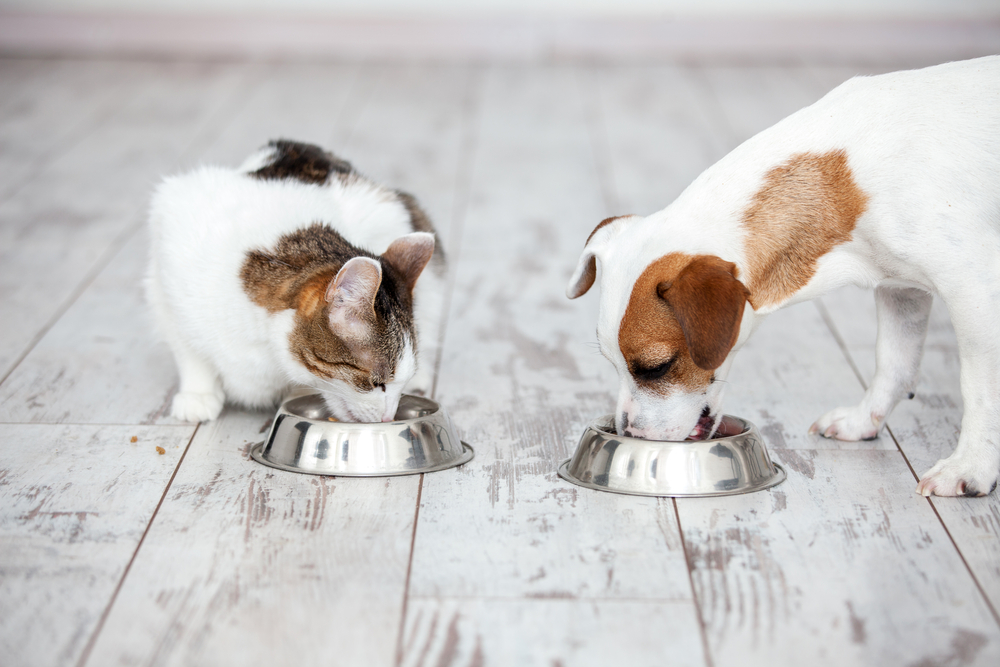
Do you ever find yourself in a pinch, looking at a bowl of cat food and wondering if it’s okay to feed it to your dog? You’re not alone.
Many pet owners face this dilemma, questioning the safety and nutritional value of cat food for their canine companions. Before you scoop that kibble into your dog’s bowl, it’s crucial to understand the differences between cat and dog food. This knowledge can impact your dog’s health and happiness.
Dive into this article to discover why it’s essential to make informed choices about what you feed your furry friend. You might be surprised by what you learn!

Credit: www.usatoday.com
Differences Between Dog And Cat Food
Dog food and cat food have different nutritional needs. Dogs need more protein and fat. Cats require higher amounts of certain vitamins. Feeding dog cat food can lead to deficiencies. Always choose food specifically formulated for dogs to ensure they get the proper nutrients.
Differences Between Dog and Cat Food Have you ever wondered why dog and cat food are separate in pet stores? They may look similar, but they cater to different nutritional needs. Understanding these differences can help you make better choices for your furry friends.Nutritional Requirements
Dogs and cats have distinct dietary needs. Cats are obligate carnivores, meaning they require a diet rich in meat. They need high levels of protein and specific amino acids like taurine, which they cannot produce on their own. Dogs, on the other hand, are omnivores. Their diet is more flexible and includes a mix of proteins, carbohydrates, and fats. They can thrive on a more varied diet, unlike their feline counterparts.Ingredients And Formulation
The ingredients in cat food often include higher amounts of meat and fish. This is due to their need for high protein and certain nutrients, like arachidonic acid and vitamin A, which come from animal sources. Dog food usually contains more grains and vegetables. This helps meet their nutritional requirements for fiber and carbohydrates. Have you ever noticed the difference in smell between dog and cat food? It’s not just your imagination! Cat food often has a stronger aroma due to its higher protein content. This can be more appealing to cats but might not suit a dog’s taste or dietary needs. Feeding your dog cat food might seem harmless, but it can lead to nutritional imbalances. Dogs consuming cat food regularly might gain weight or face digestive issues due to the high protein and fat levels. Next time you’re at the store, look at the labels closely. You’ll notice the careful balance of nutrients tailored for each species. Would you feed yourself a bird’s diet just because it’s available? Probably not. The same logic applies to our pets. Understanding these differences can prevent potential health issues and ensure your pet gets the nutrition they need. Are you ready to make informed choices for your furry family members?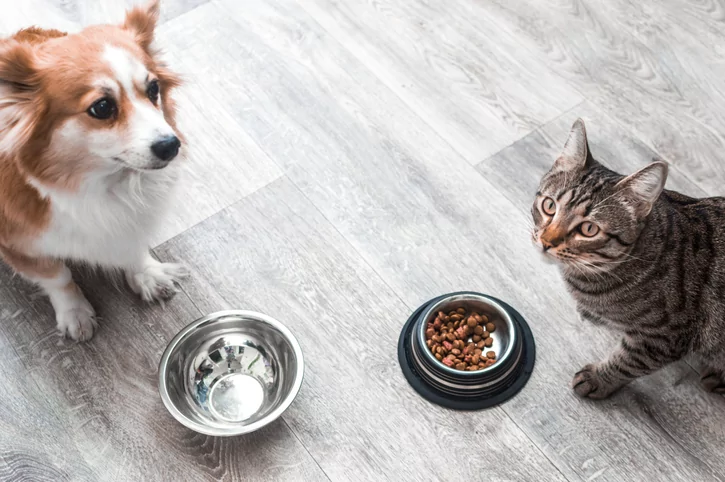
Credit: bottletreeanimalhospital.com
Potential Risks Of Feeding Cat Food To Dogs
Feeding your dog cat food might seem harmless. But it carries several risks. Dogs and cats have different nutritional needs. Cat food often lacks the right balance for dogs. This can lead to health problems and changes in behavior.
Health Issues
Cat food is high in protein. This can strain a dog’s kidneys. Over time, it may lead to kidney disease. Cat food also has more fat. This can cause weight gain in dogs. Obesity in dogs leads to heart problems. Dogs need more carbohydrates than cats. Cat food lacks these essential nutrients. This can lead to energy imbalances in dogs.
Behavioral Changes
Feeding dogs cat food might change their eating habits. Dogs may become picky eaters. They might refuse their regular dog food. This can create meal-time challenges. Dogs may also show signs of hyperactivity. High protein levels can affect their behavior. The wrong diet can lead to mood changes. Dogs may become less playful or more irritable.
Why Dogs May Be Attracted To Cat Food
Dogs might be drawn to cat food because of its strong smell and different taste. Cat food often contains higher protein levels. While tempting, regular feeding of cat food to dogs isn’t recommended due to nutritional imbalances.
Why Dogs May Be Attracted to Cat Food Ever wondered why your dog seems irresistibly drawn to your cat’s food bowl? You’re not alone. Many dog owners experience this puzzling behavior. Understanding the reasons behind this attraction can help you manage it better. Let’s dive into a few fascinating insights that might explain this phenomenon.Scent And Taste
Dogs have an incredible sense of smell. Cat food often has a richer aroma than dog food. This could be because it’s higher in protein and fat. These enticing scents can lure your dog in, making them curious to taste it. Once they try it, the taste might be more appealing. Cat food often includes flavors and textures that are different from dog food. Your dog might find these changes exciting, leading to repeated attempts to get a taste.Curiosity And Novelty
Dogs are naturally curious creatures. They love exploring new things, especially when it comes to food. If your dog sees the cat eating something different, they might want to investigate. This curiosity is not just about the food itself. Dogs often enjoy anything that seems new or unusual. This includes trying out their feline friend’s meals. Have you noticed your dog poking around the cat’s food bowl? It’s their way of exploring and experiencing something novel. So, why do you think your dog is drawn to the cat’s food? Is it just curiosity, or is the scent too enticing to resist? Understanding these motivations can help you address the issue effectively. Consider setting boundaries or feeding them separately to avoid any tummy troubles.Safe Alternatives To Cat Food For Dogs
Feeding dogs cat food regularly can upset their stomachs. Opt for safe alternatives like plain cooked chicken, steamed vegetables, or rice. These foods are gentle on their digestion and provide essential nutrients without harmful additives.
When your dog gazes at the cat’s food bowl with longing eyes, you might wonder if it’s okay to let them indulge. While cat food might seem tempting for your canine friend, it’s not the best choice for their health. Dogs and cats have different nutritional needs, and feeding your dog cat food regularly can lead to health issues. Fortunately, there are safe alternatives that ensure your dog gets all the nutrients they need without compromising their well-being.Balanced Diet Options
A balanced diet is crucial for your dog’s health. High-quality dog food is specifically designed to meet their nutritional requirements. Look for foods labeled as “complete and balanced” to ensure your dog receives the right mix of proteins, carbohydrates, fats, vitamins, and minerals. If you’re unsure about which brand to choose, consult your veterinarian. They can recommend options that suit your dog’s specific needs based on age, breed, and health conditions. Remember, your dog’s diet should be tailored to them, not borrowed from your cat’s menu.Homemade Recipes
Have you ever considered making homemade meals for your dog? It can be a fun and rewarding experience. You can control the ingredients, ensuring your dog gets the freshest and healthiest options. Start with simple recipes like boiled chicken and rice, which are gentle on the stomach and packed with protein. Add vegetables like carrots and peas for vitamins and minerals. Always include a protein source, a carbohydrate, and some veggies for a balanced meal. If you enjoy cooking, try experimenting with different ingredients. Just make sure to avoid foods that are toxic to dogs, like onions, garlic, and chocolate. Keeping a list of safe foods handy can make meal prep easier and safer. Why not make meal time an adventure for your dog? It might even become a family activity where everyone pitches in to create healthy meals for your furry friend.Tips For Preventing Dogs From Eating Cat Food
Keeping your dog from eating cat food can be tricky. Dogs love to explore and taste different things. Cat food’s smell can attract your dog like a magnet. Yet, cat food isn’t ideal for dogs. It lacks the nutrients dogs need. Let’s explore some tips to keep your dog away from the cat’s dish.
Effective Feeding Strategies
Feed your pets at different times. This helps reduce temptation. When your dog eats first, they focus on their meal. Then, feed your cat separately. This keeps the dog from sneaking bites. Use different feeding spots. Keep the bowls in separate rooms. This prevents quick snacking.
Use slow feeders for dogs. Slow feeders make eating a challenge. They keep dogs busy and satisfied. Your dog won’t have time to think about cat food.
Environmental Adjustments
Raise the cat’s food bowl. Place it on a higher surface. This makes it hard for your dog to reach. Use baby gates to block off areas. Keep the cat’s feeding area separate. Dogs can’t sneak past gates easily.
Consider using pet doors. Pet doors allow only cats to pass. Your dog can’t get through. This keeps the feeding area safe. Use scent deterrents near the cat’s bowl. Dogs dislike certain smells. Choose scents like citrus to keep dogs away.

Credit: michupet.com
Signs Your Dog Has Eaten Cat Food
Dogs are naturally curious and may eat cat food occasionally. While it might seem harmless, cat food isn’t ideal for dogs. Understanding the signs that your dog has eaten cat food can help you respond quickly. Knowing these signs ensures your furry friend’s health remains intact.
Symptoms To Watch For
Pay attention to your dog’s behavior after eating cat food. Vomiting is a common sign. Diarrhea may also occur. Your dog might show signs of stomach discomfort. Excessive gas can be another indicator. Watch for signs of lethargy or reduced appetite. Keep an eye on any changes in their behavior.
Immediate Actions To Take
First, stay calm. Assess your dog’s condition carefully. Remove any remaining cat food from their reach. Offer your dog plenty of fresh water. Monitor your dog closely for a few hours. Contact your veterinarian if symptoms persist. They can provide guidance tailored to your dog’s needs.
Consulting A Veterinarian
Consulting a veterinarian is a crucial step if you’re considering giving your dog cat food. While it might seem harmless to share pet food between your furry friends, there are hidden risks and nutritional concerns. Understanding these can help you make informed decisions that ensure the well-being of your pet.
When To Seek Professional Advice
Have you noticed any changes in your dog’s behavior or health after they accidentally consumed cat food? If yes, it’s time to consult a vet. Unexplained symptoms like vomiting, diarrhea, or lethargy should not be ignored.
Even if your dog seems healthy, it’s wise to check with a vet before making cat food a regular part of their diet. Dogs and cats have different dietary needs, and a vet can help you understand the potential impacts.
Don’t wait for visible symptoms to appear. Proactive consultation can prevent health issues before they start.
Preparing For A Vet Visit
Gather all the relevant details about your dog’s diet. Note how often they have eaten cat food and any changes in their behavior or health.
Prepare questions in advance. Ask about the nutritional differences between cat and dog food and how these could affect your pet’s health.
Bring a sample of the cat food your dog consumed. This helps the vet assess its ingredients and offer specific advice.
Think about what you hope to achieve from this visit. Are you looking to rule out potential health issues, or are you seeking alternative dietary options for your dog?
Remember, your vet is your partner in ensuring your dog’s health. A well-prepared visit can provide peace of mind and valuable insights. Wouldn’t you want to do everything you can to keep your furry friend healthy and happy?
Frequently Asked Questions
Can A Dog Temporarily Eat Cat Food?
Dogs can eat cat food temporarily, but it’s not ideal. Cat food lacks nutrients crucial for dogs. Ensure it’s only a short-term solution and return to dog food for balanced nutrition. Monitor your dog for any signs of digestive issues.
Consult a vet if unsure about dietary changes.
What Can I Feed My Dog If I Run Out Of Dog Food?
You can feed your dog cooked chicken, rice, plain pasta, or scrambled eggs. Consider vegetables like carrots or peas. Avoid onions, garlic, and chocolate as they are harmful. Always ensure food is cool and unseasoned. Consult your vet if unsure about specific foods.
What Happens When I Feed My Cat Dog Food?
Feeding your cat dog food can lead to nutritional deficiencies. Cats need specific nutrients found only in cat food. Dog food lacks taurine, crucial for cat health. Long-term consumption may cause heart issues and other health problems. Always choose cat-specific food to ensure your feline’s well-being.
Can I Feed My Dog Fresh Pet Cat Food?
Feeding your dog fresh pet cat food isn’t recommended. Dogs and cats have different nutritional needs. Cat food often contains higher protein and fat levels, which may not be suitable for dogs. It’s best to provide your dog with food specifically formulated for their dietary requirements to ensure optimal health.
Conclusion
Feeding your dog cat food isn’t a great idea. Dogs and cats have different dietary needs. Cat food lacks nutrients dogs require. It could lead to health problems for your dog. Always choose dog food for your furry friend. It’s designed for their needs.
Consult your vet if unsure about your dog’s diet. Proper nutrition keeps your dog healthy and happy. Making informed choices is key. Remember, what you feed matters. Your dog’s health depends on it. Prioritize their well-being with the right food.
Keep your dog safe and nourished.