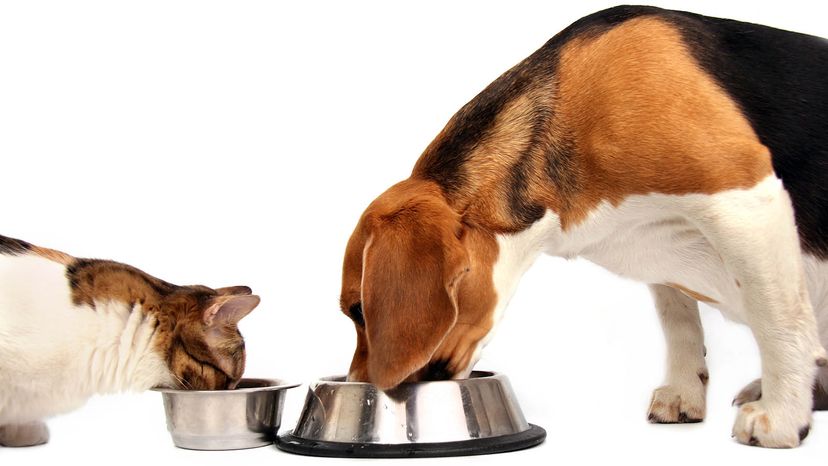
Have you ever found yourself in a pinch, out of dog food, and wondering if you can scoop some cat food into your dog’s bowl? You’re not alone.
Many pet owners face this dilemma and wonder if it’s safe or even healthy. You care deeply about your furry friend’s well-being, and making the right choices can sometimes feel overwhelming. You’ll discover whether feeding cat food to your dog is a viable option or a potential risk.
We’ll uncover surprising truths that could change how you view your pets’ diet. Stick around; the insights might just surprise you and lead to a healthier, happier pet.
Nutritional Differences
Cat food and dog food have different nutritional formulas. Cats need more protein and certain nutrients. Feeding cat food to dogs can lead to health issues over time. Always choose the right food for your pet’s needs.
Feeding your dog cat food might sound convenient, especially if you run out of dog food unexpectedly. But is it the right choice for your furry friend? Understanding the nutritional differences between cat and dog food is crucial. Each type of food is tailored to meet the specific dietary needs of these distinct animals, and feeding one animal the other’s food can lead to nutritional imbalances.
Protein Content
Cats are obligate carnivores, meaning they need a diet high in protein to thrive. Cat food is typically richer in protein compared to dog food. Dogs, on the other hand, are omnivores and require a more balanced diet. Feeding your dog high-protein cat food may seem beneficial, but it can strain their liver and kidneys over time. Imagine feeding a human a bodybuilder’s protein diet daily—it’s simply not sustainable for long-term health.
Fat Levels
Have you noticed how your dog’s energy levels vary with diet changes? Cat food usually contains higher fat levels. Cats utilize fats as a primary energy source, while dogs do not need as much fat. A high-fat diet can lead to obesity and other health issues in dogs. Would you risk your pet’s health for convenience? Keep in mind that a dog’s body processes fats differently than a cat’s.
Vitamin And Mineral Needs
The vitamin and mineral needs of cats and dogs diverge significantly. Cats require more taurine, niacin, and vitamin A, which are present in cat food. Dogs synthesize some of these nutrients naturally and don’t need them in such high quantities. Feeding your dog cat food might lead to nutrient overdose or deficiencies. How does this affect their health? It’s like giving a child adult vitamins—the balance isn’t right and could be harmful over time. Balancing the right nutrients in your pet’s diet is vital for their health and longevity. Have you ever thought about how these small differences could impact your dog’s overall well-being? Next time you reach for that can of cat food, consider whether it truly meets your dog’s nutritional needs. Remember, feeding your pet isn’t just about keeping them full; it’s about keeping them healthy.
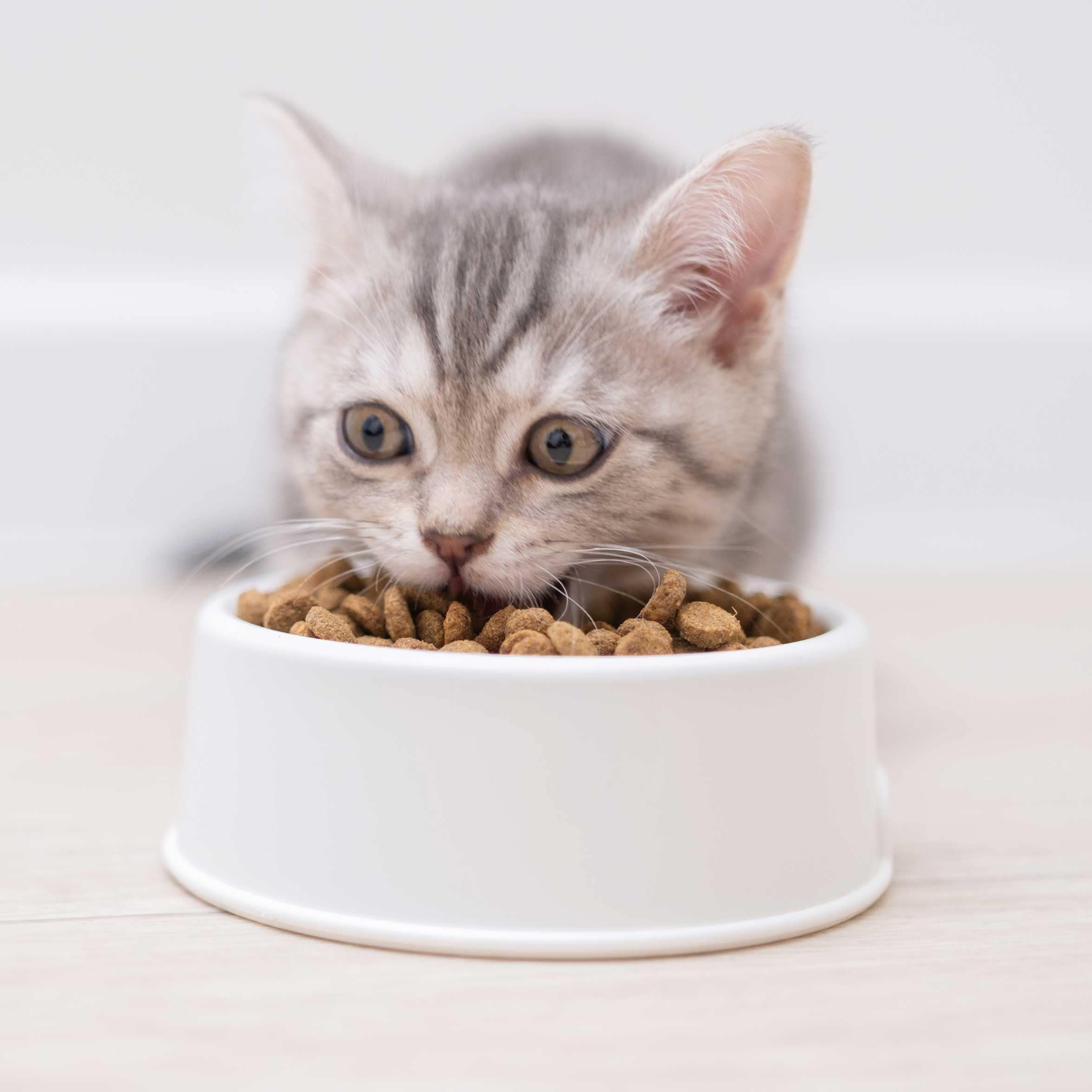
Credit: www.embassyofpakistanusa.org
Health Risks
Feeding cat food to dogs poses health risks due to differing nutritional needs. Cats require more protein and certain vitamins, which may not suit dogs. Dogs eating cat food can lead to digestive issues and potential weight gain. Always choose dog-specific food to ensure balanced nutrition and prevent health problems.
Feeding your dog cat food might seem harmless, especially when you’re in a pinch or when your dog seems to enjoy the taste. However, this can lead to serious health risks for your furry friend. Dogs and cats have different dietary needs, and cat food is specifically formulated to meet the nutritional requirements of felines, not canines.
Digestive Issues
If you’ve ever caught your dog sneaking cat food, you might have noticed an upset stomach later. Cat food is higher in fat and protein, which can be tough on a dog’s digestive system. This can lead to vomiting, diarrhea, and even more severe digestive problems. Your dog might love the taste, but is it worth the potential for a messy cleanup? Keeping cat food out of reach can save you both a trip to the vet and a stained carpet.
Nutritional Deficiencies
Cat food lacks the balanced nutrients your dog needs to thrive. While cats require more protein and certain nutrients like taurine, dogs need a different balance that includes more carbohydrates and less protein. Feeding your dog cat food regularly can lead to deficiencies in essential vitamins and minerals. Over time, this imbalance can affect their energy levels, coat health, and overall well-being. Consider this: Would you eat a diet meant for someone else’s nutritional needs? Your dog relies on you to provide the right food for their health.
Long-term Health Concerns
What about the long-term effects of feeding cat food to your dog? Continuous consumption can contribute to obesity due to the high fat content in cat food. Obesity in dogs can lead to joint issues, diabetes, and heart disease. Are you willing to risk your dog’s health by not providing the right food? A short-term convenience could lead to long-term health problems. In my early days of pet ownership, I once thought a little cat food for my dog wouldn’t hurt. But after a few trips to the vet, I quickly realized the importance of proper nutrition. It was a costly mistake, both financially and emotionally. Is it really worth the risk? Your dog’s health should always be a priority, and feeding them the appropriate food is a crucial step in ensuring they live a long, healthy life.
Potential Benefits
While cats and dogs have different dietary needs, certain situations arise. In these cases, feeding cat food to dogs may offer some temporary benefits. Understanding these benefits helps pet owners make informed decisions.
Palatability For Picky Eaters
Cat food often has a strong aroma and taste. This makes it appealing for picky eaters. Dogs that refuse regular meals might eat cat food more readily. Its rich flavor can stimulate their appetite. This offers a short-term solution for dogs with eating issues.
Short-term Emergency Situations
Running out of dog food can happen unexpectedly. In emergencies, cat food might serve as a temporary substitute. It provides essential nutrients until regular dog food is available. This prevents hunger and ensures your dog eats something nutritious. Keep this as a backup plan for unforeseen circumstances.
When It Might Be Safe
Some pet owners wonder if dog-friendly cat food exists. Dogs can eat cat food occasionally if they’re healthy and not allergic. Cat food is rich in protein and fat, but not balanced for dogs long-term. Always check with a vet to ensure safety.
Feeding cat food to your dog might seem like a harmless decision, especially if you run out of dog food or your pup shows a sudden interest in the feline’s meal. However, it’s crucial to understand when it might be safe to do so. While dog and cat foods are formulated differently to meet their respective nutritional needs, there are circumstances where feeding your dog cat food can be acceptable.
Small Quantities
Sometimes, small quantities of cat food can be safe for your dog. If your dog sneaks a bite or two from the cat’s bowl, there’s generally no reason for alarm. Consider the occasional nibble an exploratory snack rather than a meal replacement. This doesn’t mean you should make it a habit, but rest assured that a small amount won’t harm your dog. Remember, moderation is key.
Occasional Feeding
Imagine you’re stuck at home on a rainy day with no dog food left in the pantry. In such cases, feeding your dog cat food occasionally can be a temporary solution. Is it ideal? No, but it can work in a pinch. Just ensure it’s not a regular part of your dog’s diet. If you find yourself relying on cat food more often, it’s time to rethink your pet supply strategy. Have you ever noticed your dog sniffing around the cat food with curiosity? It’s tempting to give in, but always consider the nutritional balance. Dogs require different nutrients than cats, so consistent feeding of cat food can lead to deficiencies or excesses. What steps can you take to ensure emergencies don’t become habits? Focus on keeping an eye on your supplies, and make sure both your pets get the food they truly need. By understanding these nuances, you can make informed decisions that keep your furry friends healthy and happy.
Veterinarian Recommendations
When considering if you can feed cat food to your dog, professional guidance is key. Veterinarian recommendations are crucial in maintaining your pet’s health and wellbeing. Vets have the expertise to address dietary needs specific to each animal. Consulting with a veterinarian can prevent health issues related to improper feeding habits. They provide tailored advice for both cats and dogs.
Professional Advice
Veterinarians advise against feeding cat food to dogs regularly. Cat food contains higher protein levels suited for felines. Dogs need balanced nutrition with adequate protein, fat, and carbohydrates. Dog food meets these specific dietary requirements. Feeding cat food to dogs may lead to nutritional imbalances.
Tailored Diet Plans
Creating a diet plan with a veterinarian ensures your dog receives proper nutrition. They can assess your dog’s health and suggest appropriate food choices. Tailored diet plans consider your dog’s age, size, and health conditions. This personalized approach helps maintain your dog’s overall health.
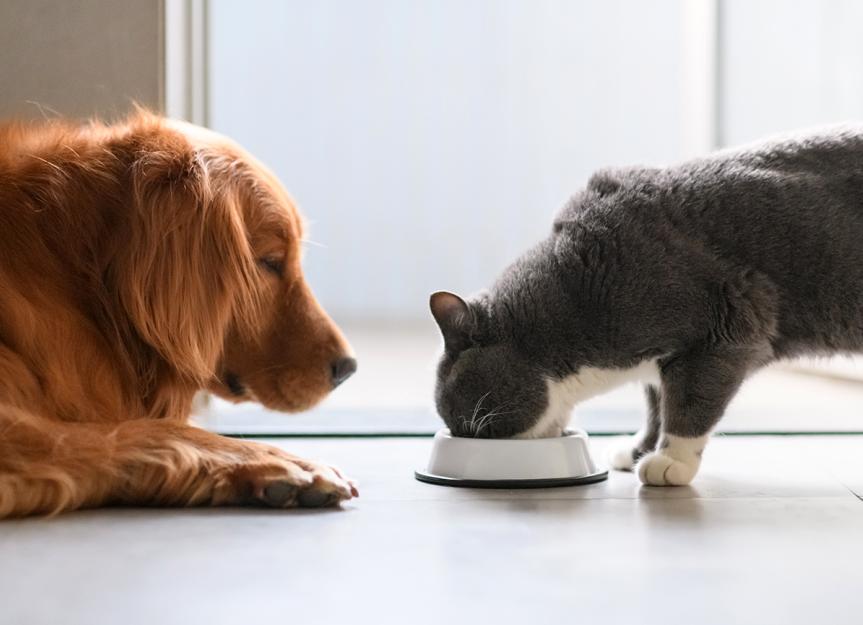
Credit: www.petmd.com
Alternatives To Cat Food
Dogs should not eat cat food as their main diet. Cat food lacks nutrients essential for dogs. Consider dog-specific meals or homemade options with balanced nutrition to keep your dog healthy and happy.
Feeding your dog cat food might seem convenient, but it’s not a healthy choice. Cats and dogs have different nutritional needs, and cat food often lacks the right balance for dogs. So, what are the best alternatives to cat food for your canine companion? Let’s explore some options that will keep your dog happy and healthy.
Dog-specific Foods
Dog-specific foods are designed with your furry friend’s needs in mind. They contain the right balance of proteins, fats, and carbohydrates that cater to a dog’s metabolism. Have you ever noticed how your dog perks up at mealtime when you pour kibble into their bowl? That’s because these foods are crafted to be both nutritious and tasty. When choosing a dog food, look for options that list meat as the first ingredient. This ensures your dog gets enough protein for muscle maintenance and energy. You might also consider brands that include omega fatty acids for a shiny coat and healthy skin. Next time you’re at the pet store, take a moment to read the labels and ensure you’re making a choice that supports your dog’s well-being.
Homemade Diet Options
For those who enjoy cooking, preparing homemade meals for your dog can be a rewarding experience. You control the ingredients, ensuring they are fresh and wholesome. Picture the satisfaction of seeing your dog devour a meal you lovingly prepared just for them. When crafting a homemade diet, balance is key. Include lean meats like chicken or turkey, along with vegetables such as carrots and peas. Adding a small portion of grains like brown rice can provide your dog with energy. Always check with your vet to ensure your homemade meals meet all nutritional needs. Have you ever thought of adding a sprinkle of fish oil for extra omega-3s? It’s a simple addition that can enhance your dog’s diet. Choosing the right food for your dog can make a significant difference in their health and happiness. What changes can you make today to ensure your dog is getting the best nutrition possible?

Credit: www.petmd.com
Frequently Asked Questions
What Cat Food Is Ok For Dogs?
Dogs can eat cat food occasionally, but it shouldn’t replace their regular diet. Cat food is richer in proteins and fats, which may not suit dogs long-term. Always choose high-quality, balanced dog food to meet their nutritional needs. Consult your vet before introducing cat food to your dog’s diet.
What If I Give Cat Food To My Dog?
Feeding cat food to dogs can cause digestive issues. Cat food is high in protein and fat, unsuitable for dogs. Regular consumption may lead to obesity or pancreatitis. Ensure your dog eats food specifically formulated for them. Consult a vet for dietary advice if needed.
What Happens If My Dog Ate Some Cat Food?
Dogs can eat cat food occasionally without harm, but it shouldn’t replace their regular diet. Cat food is higher in protein and fat, which can upset a dog’s stomach or lead to obesity. Monitor for vomiting or diarrhea, and consult your vet if symptoms persist or your dog has allergies.
Can A Dog Temporarily Eat Cat Food?
Dogs can eat cat food temporarily, but it’s not ideal. Cat food lacks essential nutrients dogs need. Feeding cat food occasionally won’t harm, but regular consumption is unhealthy. Always ensure your dog gets a balanced diet designed for its nutritional requirements.
Consult a vet for more guidance.
Conclusion
Feeding cat food to dogs is not ideal. Each pet has unique needs. Cat food contains more protein and fat. Dogs may struggle to digest it. Over time, this can cause health issues. It’s best to stick to dog food.
It ensures balanced nutrition for your dog. Consult your vet for advice if needed. Keep your pets healthy and happy. Understanding their dietary needs is crucial. Always provide the right food for each pet. It makes a big difference. Your furry friend deserves the best care.