Are Upper Respiratory Infections Contagious in Cats: Unveiling Facts
Imagine coming home to your furry friend only to find them sneezing and coughing. It’s natural for you to be concerned about your cat’s health and wonder if upper respiratory infections are contagious.
These infections in cats can be worrying, especially if you have more than one feline companion. But don’t worry; understanding how these infections spread and knowing the signs can help you protect your beloved pets. You’ll discover the truth about upper respiratory infections in cats.
Are they really contagious? How can you keep your kitty safe and healthy? By the end, you’ll have the answers you need to ensure your cat remains happy and healthy. So, let’s dive into the world of feline health and uncover the secrets to preventing these pesky infections.
Credit: wesvet.com
Causes Of Upper Respiratory Infections In Cats
Upper respiratory infections in cats can be caused by various agents. These infections lead to sneezing, coughing, and nasal discharge. Understanding their causes helps in managing symptoms. Cats often catch these infections from other animals. Crowded environments increase risk. Stress weakens their immune system. Let’s dive into the common causes.
Common Viral Agents
Viruses are the primary culprits in feline respiratory infections. Feline herpesvirus is widespread among cats. It spreads easily in shelters and catteries. Cats may remain carriers even after recovery. Another common virus is feline calicivirus. It causes mouth ulcers and respiratory issues. Vaccinations can protect against these viruses. Early detection helps in managing symptoms.
Bacterial Contributors
Bacteria can also cause respiratory infections in cats. Bordetella bronchiseptica affects cats in crowded places. It leads to coughing and sneezing. Chlamydophila felis causes eye infections and sneezing. Antibiotics can treat bacterial infections effectively. Regular vet check-ups prevent severe complications. Hygiene and isolation of sick cats reduce transmission.
Credit: www.marvistavet.com
Symptoms Of Upper Respiratory Infections
Upper respiratory infections in cats can be concerning for pet owners. Recognizing the symptoms early can help in managing the condition effectively. Cats often show a range of signs, from mild to severe. Understanding these symptoms can aid in early intervention.
Recognizing Early Signs
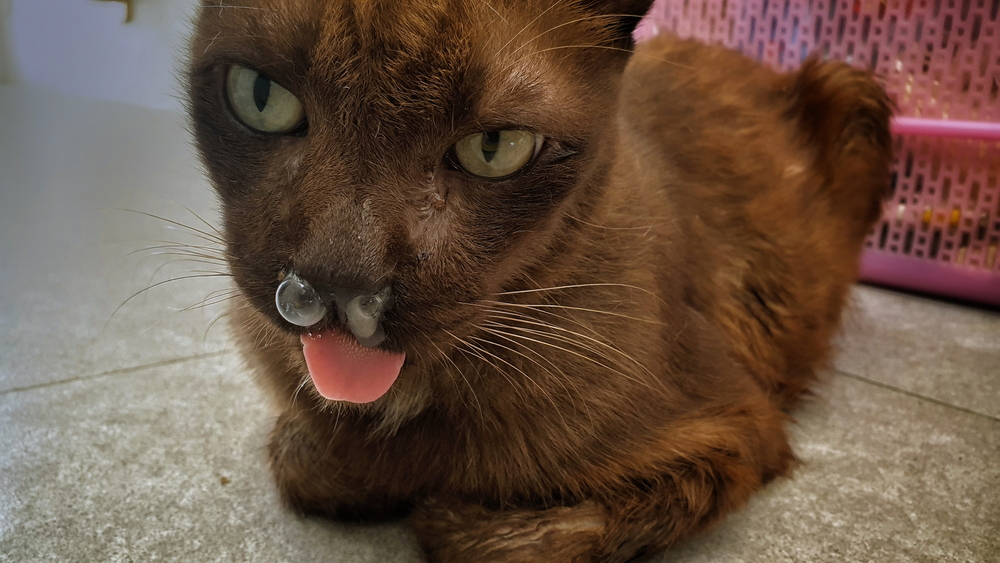
Early signs of upper respiratory infections in cats are often subtle. Sneezing is one of the first symptoms. Cats may also show nasal discharge. Watery eyes are common. Some cats will cough. Others might have a mild fever. These signs suggest the start of an infection. Owners should monitor their cats closely.
Severe Symptom Manifestations
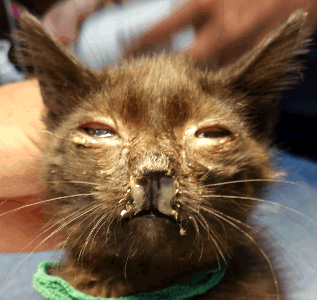
Some cats develop severe symptoms. Thick nasal discharge can occur. This may lead to breathing difficulties. Cats might lose their appetite. Weight loss follows if not addressed. High fever is possible. Lethargy becomes apparent. These severe signs need veterinary attention. Prompt care can prevent complications.
Transmission Among Cats
Upper respiratory infections in cats can spread easily. These infections are often caused by viruses and bacteria. Cats living closely together face higher risks. Understanding transmission is crucial for prevention.
Various factors influence how infections spread. Direct contact and environmental factors play major roles. Let’s explore how these elements contribute to infection spread.
Direct Contact
Direct contact involves physical interactions between cats. Cats can transmit infections by touching noses. Sharing food or water bowls increases risk. Sneezing and grooming also facilitate spread. Infected cats release pathogens through saliva and nasal secretions.
Environmental Factors
Environmental factors significantly impact infection transmission. Crowded living conditions increase exposure. Poor ventilation aids pathogen survival. Contaminated surfaces can harbor infectious agents. Cleaning routines help reduce risks. Maintaining hygiene is key to prevention.

Credit: www.riverlandingsanimalclinic.com
Risk Factors For Contagion
Cats can catch upper respiratory infections, which spread easily among them. Close contact and shared environments increase the risk. Symptoms like sneezing or coughing signal contagious stages.
Understanding the risk factors for contagion is crucial if you have a feline friend battling an upper respiratory infection. These infections, often likened to the common cold in humans, can be surprisingly contagious among cats. But what makes some cats more susceptible than others? Here, we’ll delve into two key risk factors: age and immunity, and living conditions.Age And Immunity
Kittens and senior cats often have weaker immune systems, making them more vulnerable to infections. Young cats are still building their immunity, while older cats may have compromised health due to age-related factors. Consider how a child or elderly person catches colds more easily—it’s a similar scenario for your furry companions. Have you ever noticed how some cats get sick while others seem to dodge every infection? This often boils down to the strength of their immune systems. Regular vet check-ups and vaccinations can greatly enhance your cat’s ability to fend off illnesses. Are you ensuring your cat is as healthy as possible?Living Conditions
Where your cat lives can significantly impact their risk of catching an infection. Cats in crowded shelters or multi-cat households face a higher risk of contagious diseases due to close proximity. Think about a busy office during flu season—germs spread quickly, right? Similarly, cats sharing litter boxes, food, and water bowls can easily pass germs. Is your home a safe haven for your cat, or could their living situation be putting them at risk? Maintaining a clean environment and ensuring your cat has personal space can prevent the spread of infections. Have you considered how small changes in your cat’s living area might improve their health? Simple steps, like regular cleaning and providing separate dishes for each cat, can make a big difference.Preventive Measures
Upper respiratory infections in cats are contagious. Regular vet check-ups help prevent the spread. Ensure clean environments and minimize contact with infected cats to safeguard your feline friend.
Preventive measures are crucial to safeguarding your feline friend from upper respiratory infections. These infections are quite contagious among cats, often spreading in multi-cat environments or shelters. By being proactive, you can significantly reduce the risk of your cat contracting such illnesses. Let’s explore some effective strategies that focus on vaccination, isolation, and hygiene.Vaccination Strategies
Vaccines are your cat’s first line of defense against upper respiratory infections. Consult your veterinarian to ensure your cat receives the core vaccines, particularly the ones targeting feline herpesvirus and feline calicivirus. These vaccines are vital in boosting your cat’s immunity. Consider scheduling regular booster shots, especially if your cat frequents places with other cats like grooming centers or boarding facilities. A well-vaccinated cat is less likely to fall prey to contagious viruses.Isolation And Hygiene
Isolation can be a useful tactic if you have multiple cats. If one shows symptoms of a respiratory infection, isolate them immediately. This step can prevent the disease from spreading to other cats in your household. Good hygiene practices are essential. Clean your cat’s bedding, litter boxes, and food bowls regularly. Use disinfectants that are safe for pets to eliminate any lingering germs. Maintaining a clean environment is key to reducing infection risks. Have you ever noticed how often cats groom themselves? They’re naturally inclined toward cleanliness, but they rely on you to keep their surroundings sanitary. Remember, a clean home is a safer home for your furry companion. Is your cat’s health a priority? Implementing these preventive measures can keep your feline friend happy and healthy, minimizing the chances of them catching contagious infections.Treatment Options
Upper respiratory infections in cats can be concerning for pet owners. Understanding treatment options is key to helping your feline friend recover. Different strategies are available, ranging from medical interventions to home care practices. Choosing the right treatment depends on the severity of the infection and your cat’s overall health. Let’s explore the various methods to manage these infections effectively.
Medical Interventions
Veterinarians often prescribe antibiotics to fight bacterial infections. These medications help clear up symptoms like sneezing and coughing. In some cases, antiviral drugs may be recommended. These target viral causes of respiratory issues. Immunostimulants can boost your cat’s immune system. They help in fighting off infections more effectively. Always consult a vet before starting any medication.
Home Care Practices
Home care plays a crucial role in your cat’s recovery. Ensure your cat stays warm and comfortable. This helps them rest and recover more quickly. Provide plenty of fresh water. Hydration is essential for healing. Use a humidifier to ease breathing difficulties. It adds moisture to the air, making it easier for your cat to breathe. Keep your cat’s living area clean and stress-free. This reduces the risk of spreading the infection.
Impact On Cat Communities
Upper respiratory infections spread quickly among cats, affecting their health and behavior. Shared spaces increase infection risks, leading to stressed communities. Awareness and care can help manage these contagious outbreaks.
Upper respiratory infections (URIs) in cats can have a significant impact on cat communities, influencing their health, behavior, and overall well-being. These infections are highly contagious and can spread quickly, especially in environments where cats live closely together. Understanding the dynamics of how URIs affect different cat communities can help in managing and preventing outbreaks.Shelter Environments
In shelters, cats live in close quarters, making them particularly vulnerable to URIs. Crowded conditions and stress can weaken a cat’s immune system, making it easier for infections to spread. Shelters often face challenges in isolating sick cats due to limited space. Effective management strategies include regular health checks and vaccinations. Staff can also improve ventilation and hygiene practices to reduce the risk. Imagine visiting a shelter and seeing the cats healthy and playful rather than sneezing and lethargic.Multi-cat Households
In homes with multiple cats, URIs can spread like wildfire. One cat coming into contact with an infected cat can lead to an entire household getting sick. This is a real concern for cat owners who want to maintain a harmonious environment. Preventive measures, such as keeping new cats separated until they are cleared by a vet, can help. You might also consider boosting your cats’ immune systems with a balanced diet and stress-reducing activities. Have you thought about how your habits might impact your cats’ health? The spread of URIs isn’t just a problem for the affected cats; it’s a community issue. By being proactive, you can help keep your furry friends healthy and happy.Frequently Asked Questions
How Long Is My Cat Contagious With An Upper Respiratory Infection?
A cat with an upper respiratory infection is typically contagious for 7 to 10 days. Isolate your cat during this period to prevent spreading the infection to other pets. Always consult a veterinarian for proper diagnosis and treatment.
What Is The Fastest Way To Get Rid Of An Upper Respiratory Infection In Cats?
Consult a vet for antibiotics to treat an upper respiratory infection in cats. Ensure they stay hydrated and warm. Use a humidifier and isolate them from other pets.
Can A Cat Catch A Respiratory Infection From Another Cat?
Yes, cats can catch respiratory infections from other cats. Infections spread through direct contact or shared environments. Keep your cat’s vaccinations up-to-date to reduce risk. Regular vet check-ups help in early detection and treatment.
How Do Cats Catch An Upper Respiratory Infection?
Cats catch upper respiratory infections through contact with infected cats or contaminated environments. Viruses and bacteria spread via sneezing, coughing, or sharing food and water bowls. Stress, overcrowding, and poor hygiene increase infection risk. Vaccinating your cat helps prevent these infections.
Keep their environment clean and stress-free for added protection.
Conclusion
Cats can spread upper respiratory infections to other cats. These infections are quite contagious. Keeping infected cats away from healthy ones helps prevent spread. Regular vet check-ups ensure your cat stays healthy. Vaccinations play a crucial role in protection too.
Watch for signs like sneezing or coughing. Early detection and treatment make a difference. Maintain a clean environment to reduce infection risks. Always consult a vet if you suspect an infection. Your cat’s health matters. Stay informed and keep your feline friend safe.