Are Tapeworms Contagious in Cats? Uncover the Facts
Are you worried that your beloved feline might be sharing more than just cuddles and purrs? The thought of tapeworms lurking in your cat can be unsettling, especially if you’re concerned about them being contagious.
Understanding whether these pesky parasites can spread from one cat to another—or even to you—is crucial for keeping your home safe and healthy. This article will unlock the secrets of tapeworm transmission, giving you peace of mind and the knowledge you need to protect your furry friend.
Stick around to discover the truth about tapeworms in cats, and learn simple steps to ensure your cat stays parasite-free. Your cat’s health—and your own—deserves your attention.
Tapeworms In Cats
Tapeworms in cats are a common health concern for pet owners. These parasites can affect your cat’s health and comfort. Understanding tapeworms is crucial for maintaining your cat’s well-being.
What Are Tapeworms?
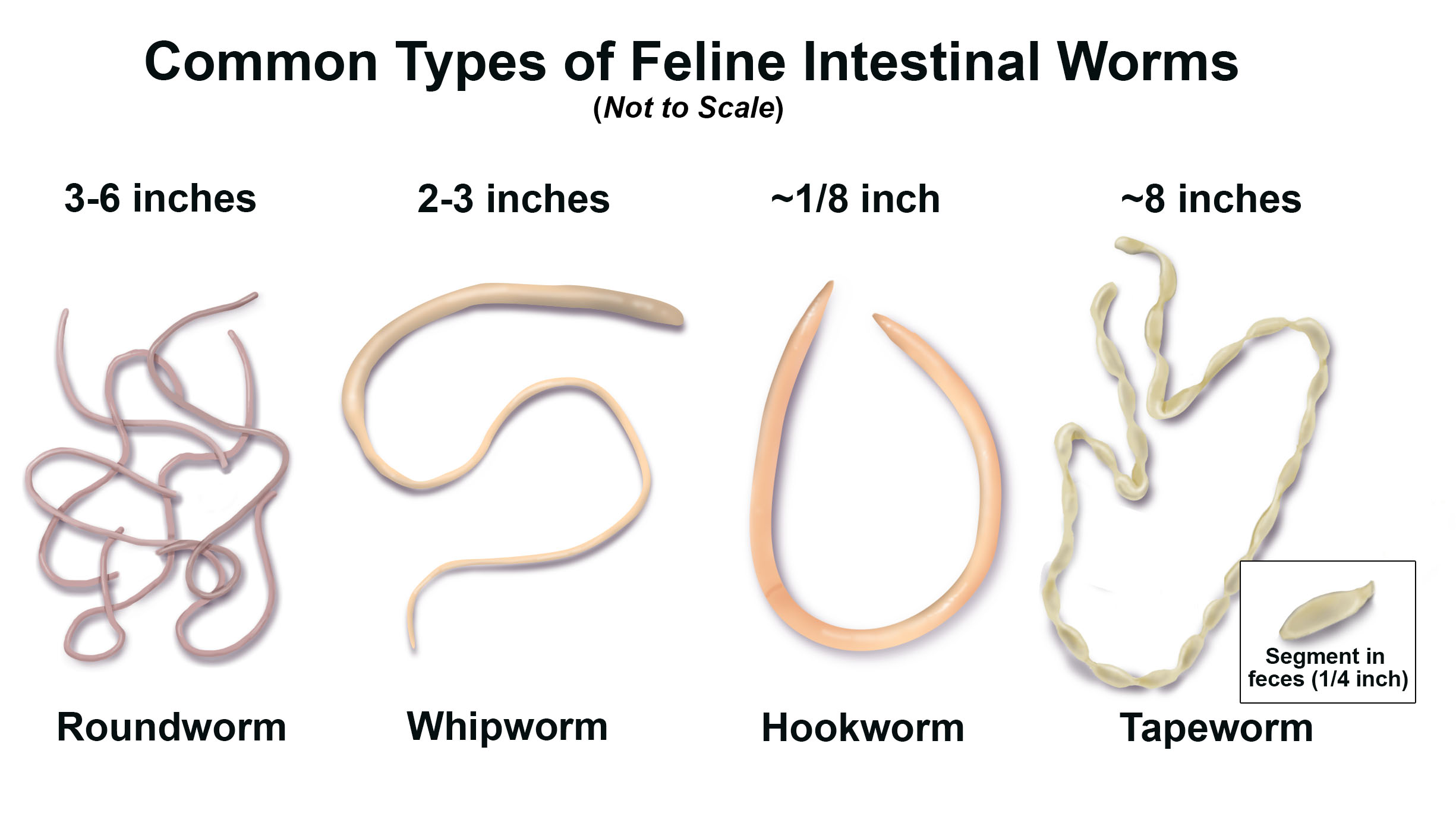
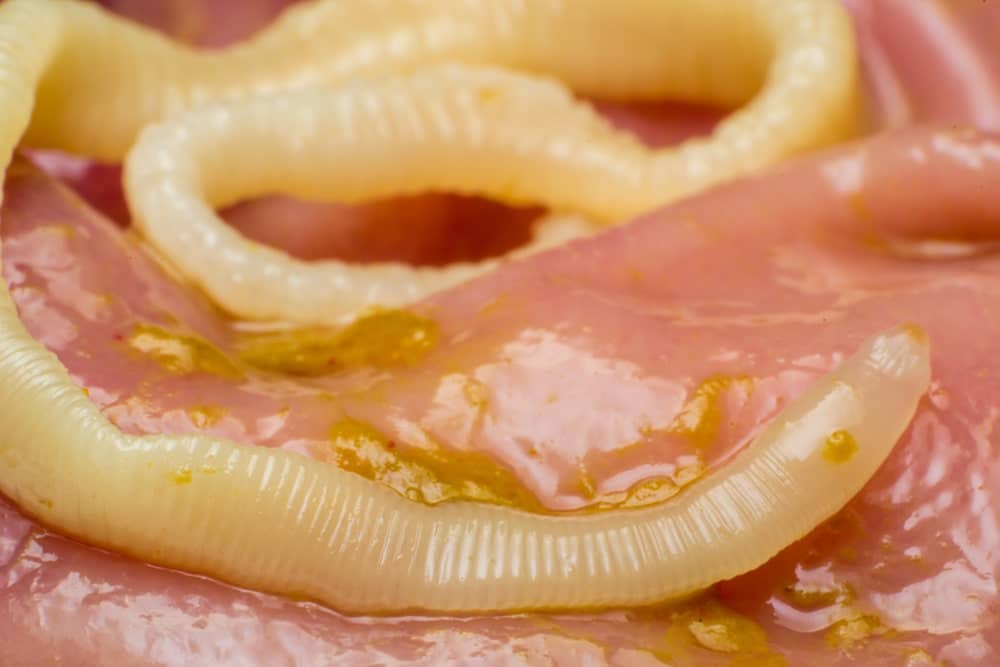
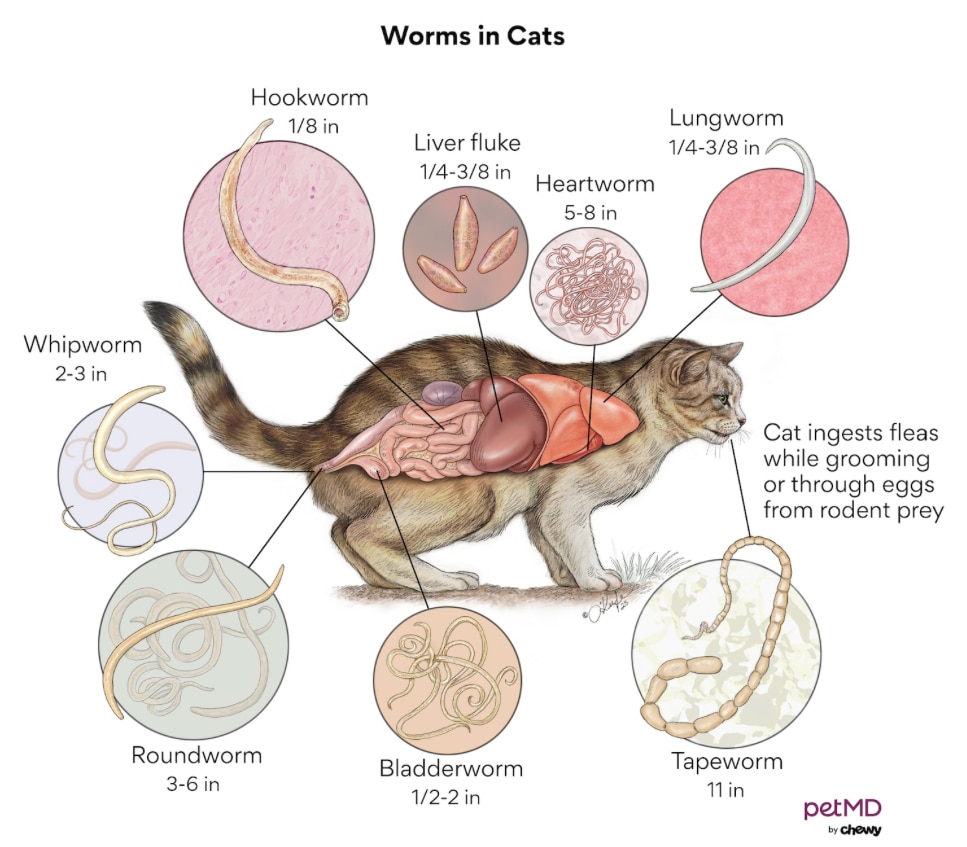
Tapeworms are flat, segmented worms that live in the intestines. They attach to the gut lining and absorb nutrients. Cats can get tapeworms from fleas or small animals. Tapeworms reproduce by releasing egg-filled segments.
These segments appear in a cat’s feces or around its anus. They look like grains of rice. Tapeworms can cause discomfort and other health issues.
Common Types Affecting Cats
Several types of tapeworms can infect cats. The most common is Dipylidium caninum. Cats contract this tapeworm through fleas. Another type is Taenia taeniaeformis. Cats acquire it by eating rodents.
Each type has its own life cycle. Knowing the type can help in treatment. Cats with tapeworms may show signs like weight loss or irritation.
Credit: www.catster.com
Transmission Of Tapeworms
Understanding how tapeworms spread in cats is essential. Tapeworms often pose a risk to feline health. These parasites can disrupt your cat’s well-being. The good news is that tapeworms are not directly contagious. But, they can spread through indirect means.
How Tapeworms Spread
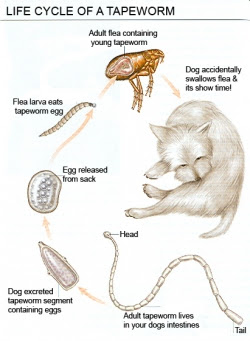
Tapeworms have a unique life cycle. They rely on intermediate hosts to transfer. These hosts are typically fleas or small rodents. Cats often ingest these hosts by accident. Once inside, tapeworms latch onto the cat’s intestines. They grow by absorbing nutrients from the cat. This cycle continues until treated.
Role Of Fleas In Transmission
Fleas play a vital role in tapeworm transmission. Flea larvae often ingest tapeworm eggs. Cats groom themselves and swallow infected fleas. The tapeworm larvae then enter the cat’s system. Regular flea control can reduce the risk of infestation. This step is crucial to prevent tapeworms in cats.
Symptoms In Infected Cats
Spotting tapeworm infections in cats can be tricky. Many cat owners miss the subtle signs. Knowing the symptoms helps you act fast. Cats with tapeworms show physical and behavioral changes. Let’s dive into these signs.
Physical Signs To Watch
Look for changes in your cat’s fur. Tapeworms can make the coat dull. You might see segments of worms near the tail. These segments look like rice grains. Cats may also lose weight without a change in diet. A bloated belly is another sign. Check for these signs regularly.
Behavioral Changes
Watch for shifts in your cat’s behavior. Infected cats may seem restless. They might drag their bottom across the floor. This is due to itchiness. A decrease in playfulness can be a clue. A cat might sleep more than usual. Notice these changes in your feline friend.
Diagnosing Tapeworms
Cats can carry tapeworms, but these parasites aren’t directly contagious to other pets or humans. Tapeworms spread when cats ingest infected fleas or raw meat. Regular vet checks help diagnose and treat this common issue effectively.
Tapeworms in cats are a common concern for pet owners. Understanding how to diagnose these parasites can be crucial to ensuring your furry friend’s health. You might be wondering how you can tell if your cat is affected. Diagnosing tapeworms involves both observation and veterinary expertise. Let’s dive into the steps involved in identifying these pesky worms.Veterinary Examination
A visit to the vet is the first step in diagnosing tapeworms. Your veterinarian will conduct a thorough examination of your cat. They’ll check for signs of tapeworms, such as segments in the fur or around the anus. Have you noticed your cat licking its bottom more than usual? It could be a sign that something’s amiss. A vet will use their experience to spot subtle clues you might miss.Diagnostic Tests
Veterinary examinations are often followed by diagnostic tests. These tests can confirm the presence of tapeworms. Your vet might suggest a fecal test, which checks for tapeworm eggs. You may wonder how effective these tests are. Fecal tests can reveal hidden infections that aren’t visible in a physical examination. They are a reliable way to ensure a complete diagnosis. When was the last time you had your cat tested for parasites? Regular testing can help catch issues early, preventing complications down the road. Being proactive in diagnosing tapeworms can save your cat from discomfort and health issues. With a combination of keen observation and professional help, you can keep your feline friend healthy and happy.Treatment Options
Tapeworms in cats can be unpleasant, but treatment options are available. Addressing this issue promptly is crucial for your cat’s health. Different methods can help remove these parasites effectively.
Medications Available
Veterinarians often prescribe oral medications for tapeworms in cats. These medicines kill the tapeworms, making them harmless. Tablets and injections are common forms of treatment. They work quickly and efficiently. Some medications require repeated doses. This ensures complete removal of the parasites. Always follow the vet’s instructions carefully. Monitoring your cat’s response is essential.
Home Remedies And Care
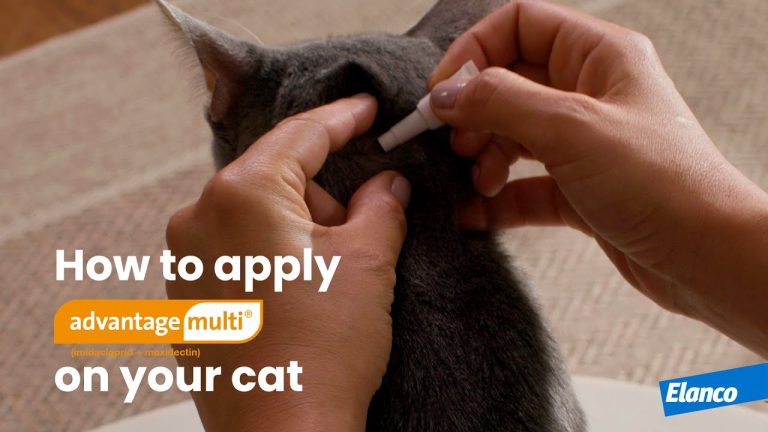
Natural remedies can support tapeworm treatment. Pumpkin seeds are known for helping expel parasites. They can be mixed into your cat’s food. Another option is crushed garlic. It may help deter tapeworms. Always consult a vet before trying home remedies. Ensure your cat’s environment is clean. Regularly wash bedding and litter areas. Maintaining hygiene reduces tapeworm risks. Proper nutrition boosts your cat’s immune system. A strong immune system fights off parasites more effectively.
Credit: www.drchucknoonan.com
Preventative Measures
Cats can spread tapeworms through fleas. Ensuring regular flea treatment helps prevent this. Clean your cat’s environment to reduce risks.
Preventing tapeworms in cats is crucial for their health and well-being. While these parasites can be a nuisance, there are effective strategies to keep your feline friend safe. Understanding and implementing preventative measures can save you time, stress, and veterinary expenses. This section will guide you through practical steps to ensure your cat remains tapeworm-free.Flea Control Strategies
Fleas are often the primary culprits for transmitting tapeworms to cats. Implementing effective flea control strategies is essential. Start by using veterinarian-recommended flea treatments regularly. Consider keeping your cat indoors or limiting outdoor exposure, especially in flea-prone areas. Regularly vacuum your home and wash your cat’s bedding to remove flea eggs and larvae. Don’t forget about your yard. Use pet-safe insecticides to reduce flea populations outdoors. By taking these steps, you create a flea-free environment for your cat.Regular Veterinary Check-ups
Regular veterinary check-ups are vital in preventing tapeworm infestations. During these visits, your vet can conduct routine fecal exams to detect parasites early. Discuss preventative medications with your vet. Many options are available that can protect your cat from tapeworms and other parasites. Consider setting a reminder for annual vet visits. Consistent vet check-ups ensure your cat’s health is monitored closely, and any issues are addressed promptly. Are you doing everything you can to keep your cat healthy? By focusing on these preventative measures, you take proactive steps in safeguarding your furry companion.Potential Risks To Humans
When it comes to owning a cat, understanding the potential risks of tapeworms to humans is crucial. While the idea of your furry friend having parasites may be unsettling, knowing the facts can help you manage the situation effectively. Let’s explore how tapeworms in cats can affect humans and what precautions you should take.
Cross-species Transmission
Tapeworms can be transmitted from cats to humans, but it’s not a common occurrence. Humans typically become infected through accidental ingestion of tapeworm eggs. This can happen if you come into contact with infected cat feces or if you inadvertently ingest a flea carrying the tapeworm larvae.
It’s important to note that the type of tapeworm most commonly found in cats, Dipylidium caninum, doesn’t easily infect humans. However, children are more susceptible due to their tendency to play on the ground and put objects in their mouths. Being aware of these transmission methods can help you take appropriate measures to protect yourself and your family.
Precautions For Pet Owners
There are simple steps you can take to minimize the risk of tapeworm transmission. Regularly deworming your cat is a vital practice. This not only keeps your cat healthy but also reduces the chance of human infection.
Maintaining a flea-free environment is another essential precaution. Fleas are the primary carriers of tapeworms, so using flea prevention treatments on your cat and keeping your home clean can significantly lower the risk. Vacuum regularly and wash your pet’s bedding to eliminate any potential flea habitats.
Personal hygiene plays a crucial role too. Wash your hands thoroughly after handling your cat, cleaning the litter box, or gardening. This simple habit can make a big difference in preventing any potential cross-species transmission.
Have you ever thought about how often you interact with your cat daily? Each snuggle and play session is a moment to cherish, but it’s also a reminder to stay vigilant about hygiene. What steps are you taking to ensure your pet’s health doesn’t compromise your own?
Credit: www.petmd.com
Frequently Asked Questions
Can My Cat Pass Tapeworms To My Other Cat?
Yes, cats can transmit tapeworms to each other through flea infestations. Ensure both cats receive treatment. Regular vet check-ups and flea control help prevent spread. Keep the environment clean to minimize risk.
Can I Touch My Cat If It Has Tapeworms?
Yes, you can touch your cat if it has tapeworms. Wash your hands thoroughly afterward to prevent any risk of infection. Keep your cat’s living area clean and consult a vet for proper treatment. Regularly check for fleas, as they often carry tapeworms.
How Likely Am I To Get Tapeworms From My Cat?
It’s rare to get tapeworms from cats, but possible if ingesting infected fleas. Maintain good hygiene to reduce risk. Regularly deworm and groom your cat to prevent tapeworms. Always wash hands after handling pets and avoid contact with feces to stay safe.
Can I Sleep With My Cat If She Has Tapeworms?
It’s best to avoid sleeping with your cat if she has tapeworms. Tapeworms can spread through contact. Ensure your cat receives treatment from a veterinarian. Maintain good hygiene by washing your hands after handling your cat. Keep your bedding clean to reduce the risk of transmission.
Conclusion
Cats can get tapeworms from fleas or rodents. These worms are not directly contagious between cats. Regular vet check-ups help catch infestations early. Use flea control to lower risks. Clean your cat’s living area often. Always wash your hands after handling your cat.
This keeps both you and your pet safe. By following these steps, you help keep your cat healthy. Always consult your vet for advice. They offer the best guidance for your pet’s needs. Stay informed and protect your furry friend.
Your cat’s health matters.