
When it comes to your furry friend’s health, curiosity isn’t just an option—it’s a necessity. You might have noticed your cat acting a bit off lately, or perhaps you’ve spotted something unusual in the litter box.
If you’re concerned about cat tapeworms and wondering if they could spread to you or other pets, you’re not alone. This topic is more than a mere curiosity; it’s about ensuring the safety and well-being of everyone in your home.
Understanding whether cat tapeworms are contagious can help you protect your pet and yourself from potential health risks. Stick around to learn the real facts behind these pesky parasites and how you can keep your household safe and healthy.
What Are Cat Tapeworms?
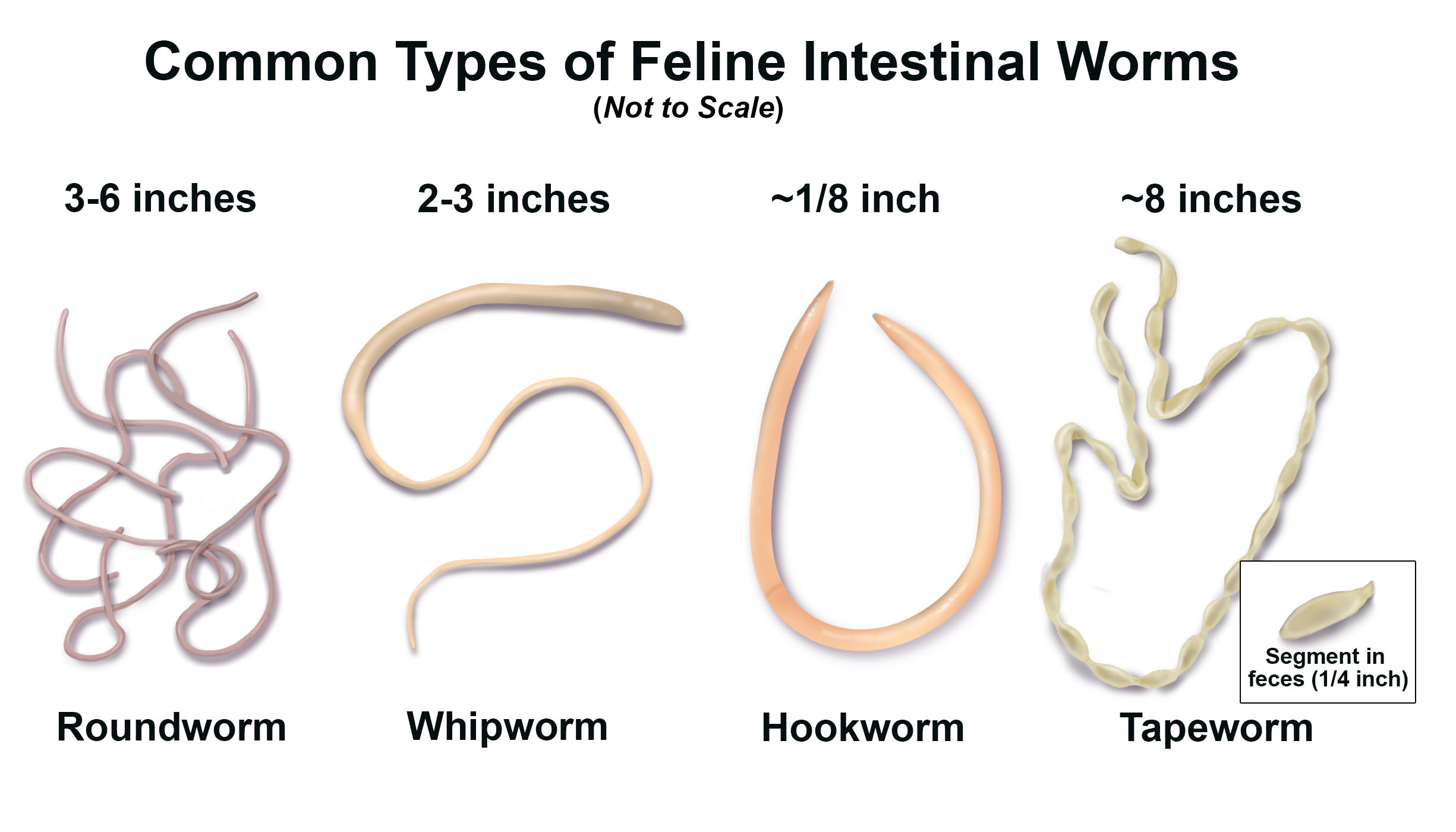
Cat tapeworms are parasites that reside in a cat’s intestines. They attach to the intestinal walls and absorb nutrients. These worms can cause discomfort and health issues in cats. Often, they are flat, long, and segmented. Segments can break off and pass through a cat’s feces. This makes them visible to pet owners.
Cat tapeworms are common in cats that roam outside. They can be picked up from fleas or by eating infected animals. Understanding these parasites helps in preventing and treating infections.
Types Of Tapeworms In Cats
There are different types of tapeworms in cats. The most common type is Dipylidium caninum. Cats get this type from swallowing infected fleas. Another type is Taenia taeniaeformis. This type comes from eating infected rodents.
Each type has distinct characteristics and transmission methods. Knowing these types aids in choosing the right treatment. Identifying the type is crucial for effective control.
Lifecycle Of Tapeworms
The tapeworm lifecycle starts with an intermediate host. For Dipylidium caninum, fleas are the host. For Taenia, rodents serve as the host. Cats ingest these hosts during grooming or hunting.
Once ingested, larvae develop into adult tapeworms in the intestines. Adults produce segments filled with eggs. These segments detach and exit with feces. Then, the cycle repeats as fleas or rodents consume the eggs.
Breaking this cycle is key to preventing tapeworm spread. Regular flea control and monitoring can help. Understanding the lifecycle aids in effective prevention strategies.
Transmission To Humans And Other Pets
Cat tapeworms rarely spread directly to humans or other pets. Transmission typically involves ingesting fleas carrying tapeworm larvae. Regular flea control reduces the risk and keeps pets safe.
When thinking about the health of your cat, the idea of tapeworms might send a shiver down your spine. But understanding how these pesky parasites can be transmitted to humans and other pets is key to keeping your household safe. Surprisingly, tapeworms are not as easily spread as you might think, but there are still significant risks to be aware of.Risk Factors For Humans
Cats can carry tapeworms, but you don’t need to panic about catching them. Direct transmission from cats to humans is rare. The real risk comes from ingesting fleas that are infected with tapeworm larvae. Consider this: if you have a toddler crawling around, exploring the world with their hands and mouth, they could accidentally ingest an infected flea. This is why maintaining good hygiene and flea control is crucial. Are you regularly vacuuming and cleaning areas where your cat spends time? These simple actions can greatly reduce the risk.How Other Pets Can Get Infected
Your cat isn’t the only pet at risk. Dogs and other household pets can also become hosts to tapeworms. The transmission is usually through fleas, much like with humans. If your dog shares living space or bedding with your cat, they could easily pick up fleas from them. Have you noticed your dog scratching more than usual? It might be time to check for fleas and consider a vet visit. Regular flea treatments for all pets can help create a flea-free environment. This proactive approach can prevent the spread of tapeworms and keep all your furry friends healthy. Keeping an eye on your pets’ behavior and maintaining a clean home environment are practical steps you can take. Are you prepared to take these actions? Your diligence can make a significant difference in reducing the risk of tapeworm transmission in your home.Symptoms In Cats
Cat tapeworms can cause various symptoms in your feline friend. Knowing these symptoms helps you spot potential infections early. Early detection means better health for your cat. Let’s explore the common signs of a tapeworm infection in cats.
Physical Signs Of Infection
Look for white rice-like grains around your cat’s tail or in feces. This is a clear sign of tapeworms. Observe your cat’s weight. An unexpected loss might indicate a parasite. Check their coat condition. A dull, rough coat could be a symptom. Is your cat’s abdomen swollen or tender? This might be another sign.
Behavioral Changes
Notice any changes in your cat’s eating habits. Increased hunger can be a symptom. Is your cat scratching or biting at its rear often? This behavior might suggest irritation from tapeworms. Watch for lethargy or less playfulness. Tapeworms can make cats tired. Pay attention to your cat’s mood. Unusual irritability might be linked to discomfort. These signs can help you determine if your cat needs a vet visit.
Credit: www.vet.cornell.edu
Diagnosis Methods
When you suspect your cat might have tapeworms, identifying them quickly is crucial. Diagnosis methods are essential for confirming their presence and initiating treatment. Knowing what to look for and which tests to consider can make a significant difference in your pet’s health and your peace of mind.
Veterinary Tests
Your veterinarian is a key player in diagnosing tapeworms. They may conduct a fecal examination to look for tapeworm segments or eggs. These tests are straightforward and provide reliable results.
Sometimes, a blood test may be recommended to rule out other issues or complications. This can be particularly useful if your cat shows unusual symptoms beyond the typical signs of tapeworms. Have you ever wondered how many hidden conditions such a simple test could uncover?
Veterinary clinics have the advantage of advanced diagnostic tools. For instance, they might use imaging techniques like X-rays if they suspect complications. This can offer a comprehensive view of your cat’s internal health, ensuring nothing is overlooked.
Home Observation Techniques
Observing your cat at home is another effective method. Look for small, rice-like segments around your cat’s anus or in their bedding. These are often the first visible signs of tapeworms.
Monitor your cat’s weight and appetite. A sudden change in these can indicate a problem. If you’ve ever noticed your cat’s belly looking unusually round, it could be a sign worth checking.
Pay attention to your cat’s grooming habits. Excessive licking around the tail area might be an attempt to soothe irritation caused by tapeworms. Have you ever thought about how much your cat’s behavior can tell you?
Keeping an eye on your pet can provide early clues, enabling you to seek timely veterinary advice. Regular checks and a keen eye can be just as valuable as a vet’s test. What subtle signs have you noticed in your cat lately?
Treatment Options
When your cat is diagnosed with tapeworms, the first thought often is, “How do I get rid of them?” The good news is there are effective treatments available. They not only eliminate the parasites but also help ensure your feline friend remains healthy and happy. Understanding these treatment options is crucial for any cat owner.
Medications For Cats
Medications are the most common treatment for cat tapeworms. These drugs, known as dewormers, are effective in eliminating tapeworms from your cat’s system. You can find them in various forms like tablets, injections, or topical treatments.
Consult your vet to choose the best option for your cat. For instance, some cats may find tablets hard to swallow, making topical treatments a better choice. Don’t forget to follow the vet’s instructions for dosage and frequency.
A friend once struggled with giving her cat a tablet, only to discover that hiding it in a treat worked wonders. Have you tried this trick yet?
Preventive Measures
Prevention is better than cure. Keeping your cat indoors is one effective measure to prevent tapeworm infestations. When cats roam outside, they may encounter fleas, which are carriers of tapeworms.
Regular flea control is also vital. Use flea prevention products recommended by your vet to keep these pesky insects at bay. You can also regularly clean bedding and vacuum the house to reduce flea exposure.
Don’t forget to check your cat’s diet. Raw meat can be a source of tapeworms. Opt for high-quality commercial cat food instead. Do you think your cat’s diet might be putting them at risk?
By focusing on treatment and prevention, you can ensure your cat lives a tapeworm-free life. Isn’t it amazing how a few simple steps can make such a big difference in your pet’s health?

Credit: www.catster.com
Preventing Spread
Cat tapeworms can spread, causing worry for pet owners. Understanding how to prevent this spread is essential. Adopting effective measures ensures both pets and humans stay safe. Simple steps can make a big difference in controlling tapeworm transmission.
Hygiene Practices
Good hygiene keeps tapeworms at bay. Wash hands after handling cats. Clean litter boxes frequently to minimize risks. Use gloves when cleaning to avoid direct contact. Regularly vacuum your home to remove any eggs. Disinfect surfaces that cats often touch. These practices help maintain a clean environment.
Regular Vet Check-ups
Vet visits are crucial for detecting tapeworms early. Schedule routine check-ups for your cat. Vets can provide deworming treatments if needed. They also offer advice on preventing future infestations. Early detection ensures effective treatment and reduces spread. Always follow your vet’s recommendations for your cat’s health.
Myths And Misconceptions
Cat tapeworms often spark myths about their contagiousness. They spread through flea ingestion, not direct contact. Proper flea control minimizes risk.
Understanding the myths and misconceptions about cat tapeworms is crucial for every pet owner. Many people harbor fears and incorrect beliefs about these parasites, leading to unnecessary worry and ineffective actions. By separating fact from fiction, you can better protect your feline friend and ensure a healthier coexistence.Common Misunderstandings
One widespread misunderstanding is that tapeworms can easily jump from cats to humans. This isn’t true. Tapeworms require specific hosts and conditions to survive, so the risk of direct transmission to humans is minimal. Another misconception is thinking that all deworming treatments are the same. Not every product targets tapeworms effectively. Always consult your vet for the right treatment tailored to your cat’s needs. Some believe only outdoor cats are at risk of tapeworms. Indoor cats can also be affected, especially if fleas enter your home. Fleas often carry tapeworm larvae, making flea control essential.Scientific Clarifications
Tapeworms in cats are primarily transmitted through flea infestations. When a cat ingests an infected flea during grooming, it may become host to tapeworms. This is why flea control is vital. Tapeworms need an intermediate host, like a flea, to complete their life cycle. Direct transmission from one cat to another is highly unlikely without this host. Understanding this can help you focus on effective preventive measures, rather than unnecessary isolation. The idea that tapeworms are a sign of poor pet care is misleading. Even the most well-cared-for cats can get tapeworms if exposed to fleas. The key is regular check-ups and consistent flea prevention. Have you ever wondered if your cat’s environment could be influencing these myths? A clean, controlled living space reduces risks significantly. Yet, vigilance is still necessary as fleas can be sneaky invaders. Addressing these myths with scientific facts empowers you to make informed decisions. Your cat’s health depends not just on treatment but on understanding the real risks and how to manage them.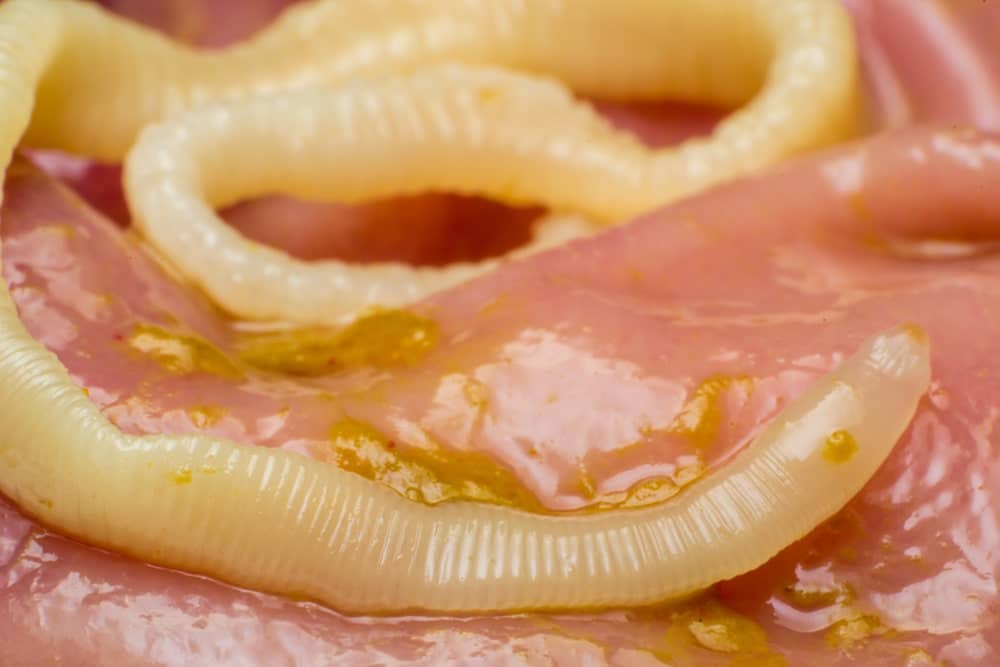
Credit: www.catster.com
Frequently Asked Questions
Can I Touch My Cat If It Has Tapeworms?
Yes, you can touch your cat with tapeworms. Wash your hands after handling to prevent transmission. Regular cleaning of your cat’s environment reduces risk. Consult a vet for effective treatment and advice.
Do I Need To Quarantine My Cat With Tapeworms?
You don’t need to quarantine your cat with tapeworms. Ensure proper treatment and hygiene. Keep areas clean and vacuum regularly. Consult your veterinarian for effective deworming medications.
Do I Need To Treat My House If My Cat Has Tapeworms?
Yes, treating your home is recommended. Tapeworms can spread through fleas and contaminated surfaces. Vacuum carpets, clean bedding, and treat all pets. Consult a vet for effective treatments and preventive measures. Regular cleaning minimizes reinfestation risks.
Is It Safe To Be Around A Cat With Worms?
Being around a cat with worms can pose health risks. Worms are contagious and can spread to humans. Regular vet check-ups and proper hygiene help minimize risks. Always wash hands after handling the cat. Ensure your pet receives appropriate treatment to prevent transmission.
Conclusion
Cat tapeworms are not directly contagious to humans. They spread through fleas. Keeping your cat flea-free helps prevent tapeworms. Regular vet check-ups are important. They ensure your pet’s health. Treat your cat promptly if infected. Clean your home to remove fleas.
This reduces the risk of tapeworms. Always wash your hands after handling your cat. It keeps you safe from germs. Be vigilant about your cat’s health. A healthy cat means a happy home.