Have you ever come across a hairless cat and wondered if they truly lack hair? You might be surprised by the truth about these unique feline friends.
When you think about hairless cats, you probably picture their smooth, bare skin. But is that really the whole story? Understanding the mystery of hairless cats can be intriguing and might even change the way you view these fascinating animals.
As you read on, you’ll discover hidden details about their so-called “hairless” nature and why these cats are so captivating. Are you ready to uncover the surprising facts and delve deeper into the world of these remarkable creatures? Keep reading to satisfy your curiosity and enrich your understanding of these enigmatic pets.

Credit: www.reddit.com
Hairless Cat Breeds
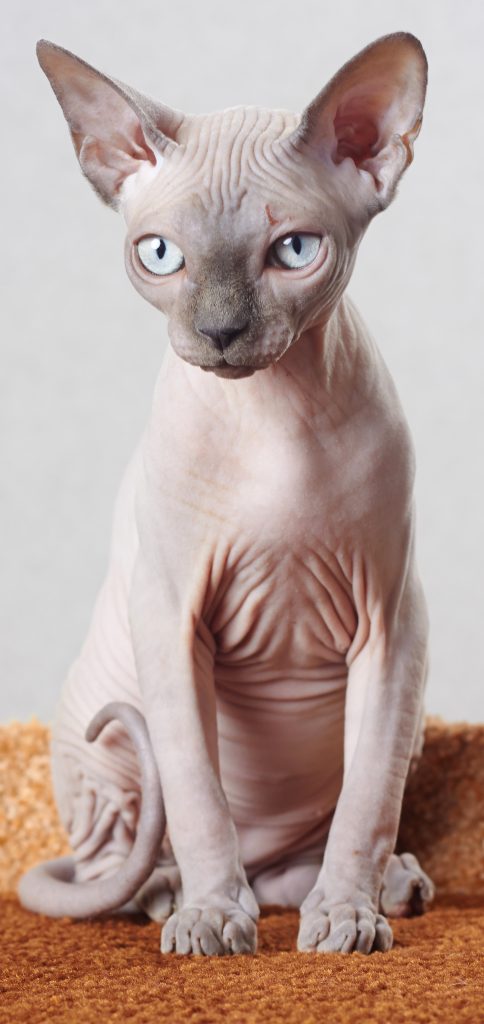
Hairless cats, like the Sphynx, often appear entirely bald. Yet, they have a soft, fine layer of fuzz. This gives them a warm, suede-like feel when touched.
Hairless cats have captivated cat lovers around the world with their unique appearance and charming personalities. But do hairless cats truly lack hair? The answer is not as straightforward as it seems. Hairless cat breeds actually have a fine layer of downy fuzz, which can be surprising to those unfamiliar with these intriguing felines. Let’s dive into the world of hairless cat breeds and uncover what makes them so special.Sphynx Cats
Sphynx cats are perhaps the most famous hairless breed. They are known for their wrinkled skin and large, bat-like ears. Despite their name, Sphynx cats do have a light layer of fuzz covering their bodies, giving them a soft, suede-like feel. This breed is incredibly affectionate and loves to be the center of attention. If you’re someone who enjoys a cat that craves companionship and warmth, a Sphynx might be the perfect match for you. Have you ever felt the velvety touch of a Sphynx? It’s an experience you won’t forget.Peterbald Cats
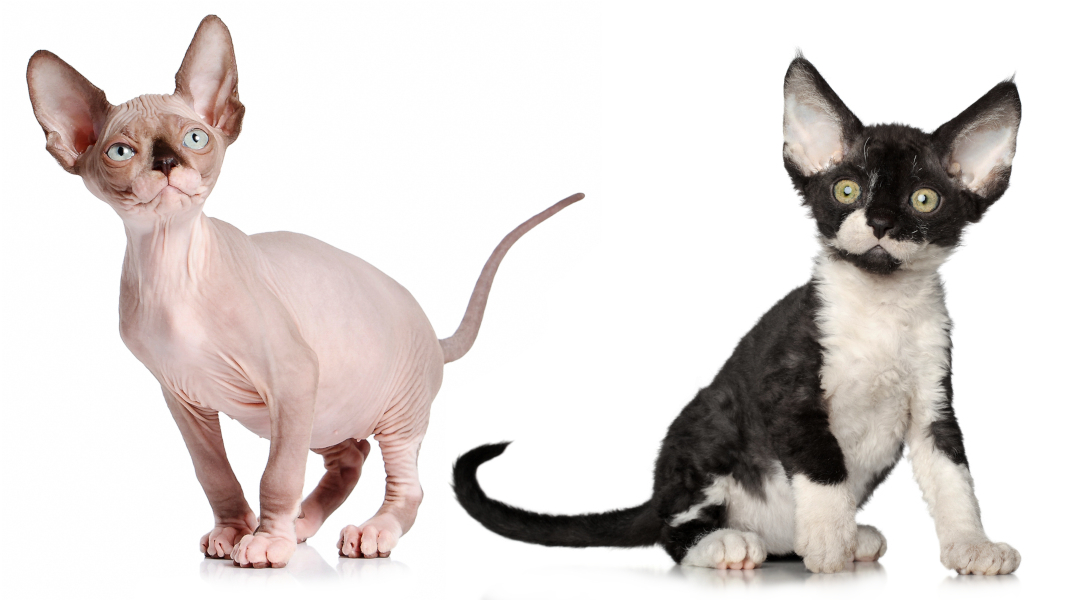
Peterbald cats originate from Russia and offer a unique twist on hairlessness. These cats can range from completely bald to having a short, velvety coat. A Peterbald’s hairlessness is due to a genetic mutation, making them a fascinating breed for those interested in cat genetics. They are known for their slender bodies and elongated limbs, often resembling feline ballerinas. If you’re keen on a cat with an elegant appearance and playful demeanor, Peterbald cats might catch your interest. Can you imagine the grace of a Peterbald prancing through your living room?Donskoy Cats
Donskoy cats, also hailing from Russia, are another intriguing hairless breed. Unlike Sphynx cats, Donskoys can develop more hair as they age, leading to a variety of coat types even within the same breed. Their skin is elastic and feels warm to the touch, offering a unique tactile experience. Donskoys are known for their intelligence and sociability, making them engaging companions. Picture yourself with a Donskoy, its warm body nestled against you during a chilly evening—isn’t that a comforting thought? Hairless cats might not fit the traditional image of a feline, but they bring unique traits and experiences to the table. Their surprising fuzz and captivating personalities offer something special for every cat enthusiast. Would you consider welcoming a hairless cat into your home?Misconceptions About Hairlessness
Misconceptions often arise about hairless cats. Surprisingly, they aren’t completely hairless; they have a thin layer of fuzz. This velvety texture is soft to the touch, offering a unique experience.
Misconceptions about hairless cats often arise from their striking appearance. Many people assume these unique felines are entirely bald. However, this isn’t entirely accurate. Understanding the nuances of their hairlessness can enrich your appreciation for these fascinating pets.True Baldness Vs. Fine Fur
Hairless cats, such as the Sphynx, aren’t truly bald. They have a thin layer of fine fur that covers their bodies. This fur is often so subtle that it gives them a suede-like appearance. Have you ever touched a peach? That’s similar to how a Sphynx feels. This fine fur provides them some protection and sensory feedback. Yet, it’s different from the thick fur coats of other cat breeds. This means that these cats still need grooming. Their skin can become oily or dirty, requiring regular baths. Have you ever wondered what it would be like to bathe a cat? With hairless cats, it’s a common routine.Texture And Feel
Touching a hairless cat is a unique experience. Their skin is warm and soft, unlike any other pet you’ve petted. This warmth is because they lack the insulating layer of fur. Their body compensates by producing more heat. Have you ever noticed how cats seek warmth? Hairless cats do this even more. They love snuggling in blankets or sunbathing on windowsills. The texture of their skin is quite different too. It’s smooth, and you can feel the contours of their muscles. This tactile experience can be surprising, but many find it endearing. These cats challenge our perception of what a pet should feel like. Have you ever questioned your assumptions about pets? A hairless cat might just make you rethink them. Understanding these misconceptions can help you appreciate the unique beauty and needs of hairless cats. Are you prepared to see them in a new light?Genetics Of Hairlessness
Have you ever wondered why some cats are hairless? The genetics behind hairlessness in cats is a fascinating topic that reveals how certain genes can lead to their unique appearance. Hairless cats, such as the Sphynx, are not entirely hairless but have a fine layer of fuzz. Understanding the genetic factors that contribute to this trait can offer insights into the complex world of feline genetics.
Role Of Genetics
Genetics plays a critical role in determining whether a cat will be hairless. The primary gene responsible for hairlessness in cats is the HR gene, which is a recessive gene. This means that for a cat to be hairless, it must inherit two copies of this gene—one from each parent. It’s fascinating to think that a single gene can have such a noticeable impact on a cat’s appearance.
When you look at a hairless cat, you’re seeing the result of generations of genetic selection. Breeders have carefully chosen cats with the desired gene to produce kittens with the hairless trait. This genetic selection process is essential to maintaining the characteristic look of breeds like the Sphynx.
Inheritance Patterns
Understanding inheritance patterns can help you grasp why some kittens in a litter are hairless while others are not. Hairlessness in cats follows a recessive inheritance pattern. This means that for a kitten to be hairless, both parents must carry the hairless gene, even if they themselves are not hairless.
Imagine you have two cats, both carriers of the hairless gene, but not hairless themselves. Their litter might include both hairless and furry kittens. This genetic lottery adds an element of surprise to breeding hairless cats. It’s like opening a mystery box every time a new litter is born!
As a cat enthusiast, you might wonder if you can predict the outcome of a breeding pair. While genetic testing can provide some insights, the exact inheritance pattern can still leave surprises. Have you ever considered what it would be like to breed a litter of kittens? The excitement of seeing which traits emerge is part of the allure for breeders.
Now, think about this: could understanding these patterns help us in other areas of pet breeding or even human genetics? The exploration of feline genetics offers a small glimpse into the broader world of genetics and how traits are passed down through generations.
If you have a hairless cat or are considering adopting one, knowing these genetic intricacies can deepen your appreciation for these unique creatures. What traits do you find most intriguing in your own pet? Understanding the science behind them might just change how you see your furry (or not-so-furry) friend!
Credit: vgl.ucdavis.edu
Skin Care For Hairless Cats
Hairless cats have unique skin care needs. Their lack of fur exposes their skin to various elements. This requires special attention. Owners must understand how to care for their skin properly. Proper skin care keeps them healthy and comfortable.
Bathing Needs
Hairless cats need regular baths. Their skin produces oils that accumulate. These oils can lead to skin issues. Frequent bathing removes excess oils. Use gentle, cat-safe shampoos. These products protect their sensitive skin. Ensure the water is warm, not hot. Cold water can shock their system. Dry them thoroughly after each bath.
Sun Protection
Hairless cats are susceptible to sunburn. Their skin lacks fur for protection. Limit their sun exposure during peak hours. Shade and indoor play help prevent sun damage. Consider using pet-safe sunscreen. Apply sunscreen to exposed areas. This offers extra protection against harmful rays.
Health Considerations
Hairless cats, like the Sphynx, come with unique health considerations. Their lack of fur influences their well-being in several ways. Owners need to understand these aspects to ensure their pets remain healthy. These cats require special care due to their skin and temperature sensitivities.
Temperature Regulation
Hairless cats struggle to maintain body temperature. Without fur, they lose heat quickly. They often seek warmth from blankets or sunny spots. Owners should provide warm environments. Heating pads or cozy cat beds help. These cats may need clothes in colder seasons. Dress them in soft fabrics to prevent skin irritation.
Skin Conditions
Hairless cats are prone to skin issues. Their skin produces more oils without fur. Frequent bathing is necessary to remove excess oils. This prevents clogged pores and skin infections. Use gentle shampoos for delicate skin. Monitor for rashes or redness regularly. Check for signs of dryness or flaking. Skin care is crucial for these unique cats.

Credit: ourlittlesuburbanfarmhouse.com
Popularity And Culture
Hairless cats, like the Sphynx, appear bald but actually have a fine layer of fuzz. This peach-like skin often feels warm and soft. Their unique look and playful nature make them popular in modern pet culture.
Hairless cats, often called Sphynx cats, have captivated the world with their unique appearance. They defy the traditional notion of what a cat should look like. Their popularity has soared in recent years, and they have found their way into various aspects of culture and media.Cultural Impact
Hairless cats have become symbols of uniqueness and individuality. People are drawn to their distinct look and charming personalities. They often appear in movies and commercials, representing the unusual and the avant-garde. In cultures around the world, hairless cats challenge the status quo. They force us to rethink beauty standards. Owners often say their hairless companions teach them to embrace differences. Have you ever noticed how a hairless cat can start a conversation? Their presence in a room is like an open invitation to question and explore the unconventional.Celebrity Influence
Celebrities have a knack for setting trends, and hairless cats are no exception. Many famous personalities have adopted these unique pets, boosting their popularity. This influence trickles down to fans who want to emulate their idols. Stars like Taylor Swift and Demi Lovato have shared their lives with hairless cats. Their social media posts featuring these pets receive thousands of likes and shares. It’s a testament to how celebrities can shape public perception and preferences. Have you ever wondered why you’re drawn to certain pets? Sometimes, it’s because someone you admire has made them seem irresistible.The rise in popularity of hairless cats is more than a fleeting trend. It’s a shift in how we perceive beauty and companionship. Whether through cultural impact or celebrity influence, these fascinating felines challenge us to see the world differently.
Frequently Asked Questions
Does A Hairless Cat Have Fur?
Hairless cats, like the Sphynx, lack a typical fur coat. They have a fine layer of peach fuzz. This gives them a soft texture. Their skin is sensitive, requiring regular care and protection. Despite their lack of fur, they are known for their unique appearance and playful personalities.
Do Hairless Cats Shed?
Hairless cats, like the Sphynx, do shed, but very minimally. They lack a full coat of fur. Instead, they have fine, peach-fuzz-like hair. Regular grooming helps manage their skin oils. Despite their appearance, they aren’t completely maintenance-free.
Why Is My Hairless Cat Growing Hair?
Hairless cats can grow hair due to hormonal changes, seasonal shifts, or genetic variations. Consult a vet for advice. Proper care and diet might influence hair growth. Ensure your cat’s environment supports its unique skin needs. Regular grooming and monitoring can help maintain your cat’s health and comfort.
How Are Sphynx Cats Bald?
Sphynx cats are bald due to a genetic mutation. This mutation affects their hair follicles, preventing fur growth. They have a soft, peachy fuzz instead. Their unique appearance requires special skin care to maintain health.
Conclusion
Hairless cats have hair, but it’s very fine and short. Some call it peach fuzz. It gives them a unique feel and appearance. They need special care to keep their skin healthy. Regular baths and moisturizing are important. Their charm lies in their distinctive look and friendly nature.
Perfect for those who want a low-shedding pet. These cats are known for their affectionate behavior. They can be a warm companion. Understanding their needs helps in building a strong bond. If you’re considering one, knowing this can guide your decision.