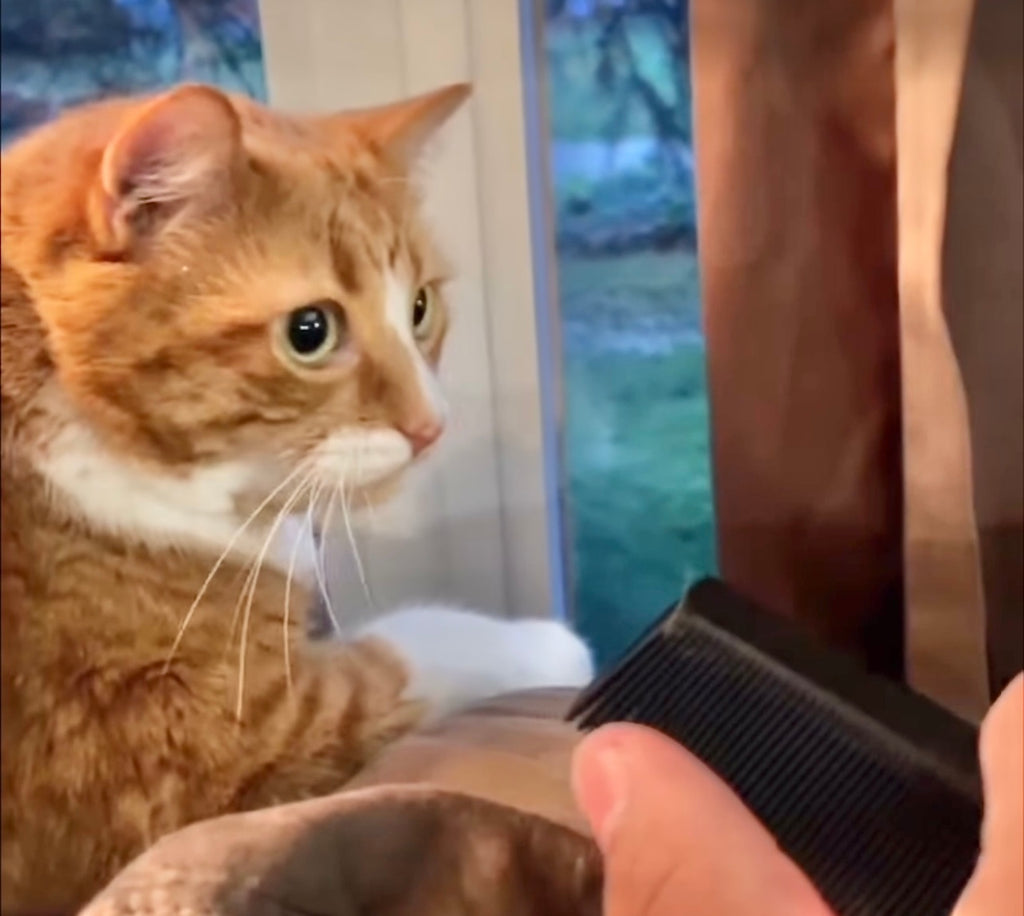
Have you ever noticed your cat making a strange face or gagging when you run a comb through your hair? It might seem odd, but this quirky feline behavior is not uncommon.
If you’re a cat owner, you’ve probably wondered what’s going on. Could the sound of a comb really be that unpleasant for your furry friend? You’re not alone in your curiosity, and the answer might surprise you. Understanding why cats react this way can deepen your bond with them and even help you avoid unknowingly stressing them out.
This article will unravel the mystery behind this behavior, exploring the science and senses of our beloved pets. Don’t miss out on discovering how you can make your home a more comforting place for your cat. Dive in to learn more about the fascinating world of feline reactions!
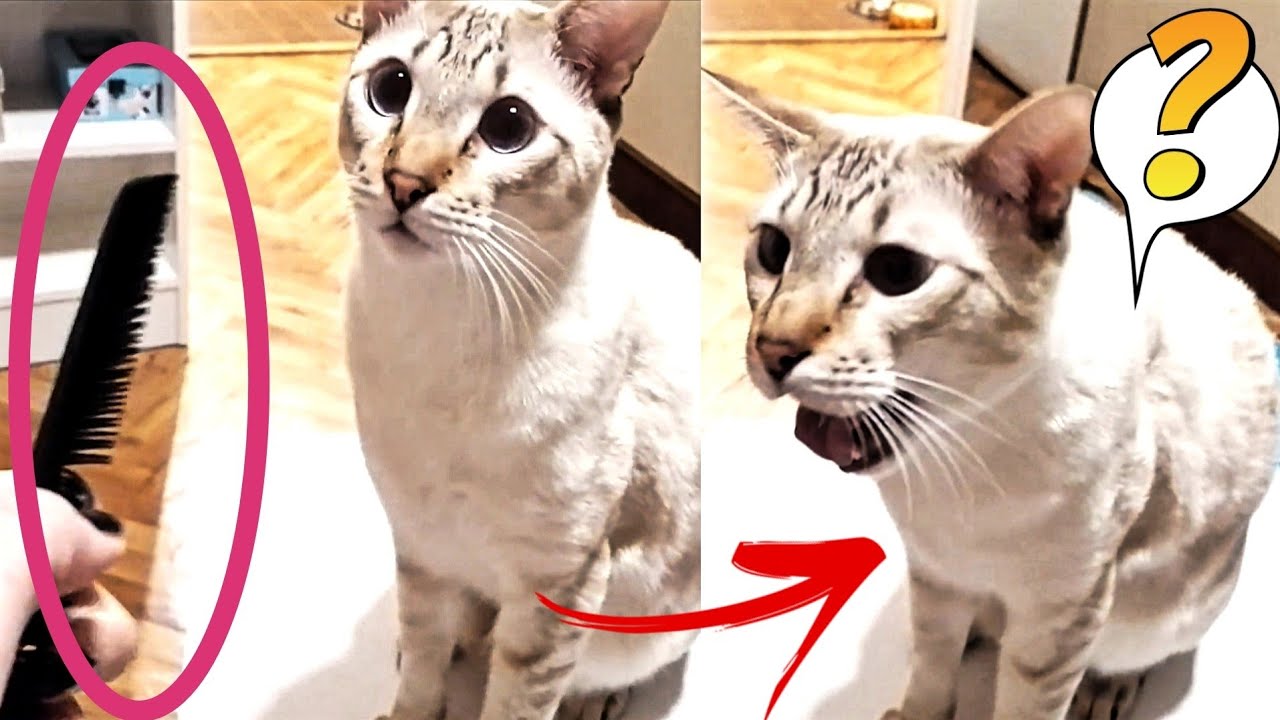
Credit: www.reddit.com
Cat Sensory Perception
Cats gagging at the sound of a comb can be linked to their keen sensory perception. The noise might mimic distressing frequencies, triggering a reflexive response. This reaction highlights their sensitive hearing and unique reactions to certain sounds.
Cats are fascinating creatures with a sensory perception that often leaves us humans in awe. Their reactions to everyday sounds, like the noise a comb makes, can be puzzling. This peculiar behavior is tied to their acute sensory perception, particularly their hearing. Understanding how cats perceive the world can help us better connect with our feline friends and ensure their comfort.Understanding Cat Hearing
Cats have an extraordinary range of hearing. They can detect sounds far beyond the capabilities of human ears. This heightened sense allows them to hear the high-pitched chirps of birds or the subtle rustle of a mouse. Have you ever noticed your cat’s ears twitching at the slightest sound? That’s because their ears are designed to catch sounds from different directions. This ability to swivel their ears helps them focus on specific noises, which is crucial for survival in the wild. When a comb’s sound reaches your cat’s ears, it may be perceived as an unusual or even threatening noise. The sound might mimic the frequency of an animal in distress, triggering a gag reflex as a defensive reaction.Sensitivity To Sounds
Cats are incredibly sensitive to certain frequencies. High-pitched or harsh sounds can be particularly disturbing to them. This sensitivity can explain why the sound of a comb, which to us seems harmless, can cause such a strong reaction. Have you ever tried running a comb through your hair near your cat, only to see them recoil? This is a direct result of their sensory sensitivity. A cat’s gagging response can be their way of coping with an overwhelming auditory stimulus. Understanding your cat’s sensitivity to sounds can help you create a more comfortable environment. Consider how you can minimize potentially disturbing noises in your home. Have you thought about the impact of other household sounds on your cat’s comfort? Creating a calm and quiet space can enhance your cat’s well-being. By being mindful of their sensory needs, you strengthen the bond with your feline companion, ensuring they feel safe and secure.The Sound Of A Comb
Cats may gag at the sound of a comb due to its high-pitched frequency. This noise triggers their sensitive hearing, causing discomfort. Understanding their reactions helps in avoiding stress during grooming sessions.
Cats are fascinating creatures with quirks that often leave us puzzled. One such mystery is their tendency to gag at the sound of a comb. This reaction seems odd, especially when you consider how much they usually enjoy being groomed. Let’s take a closer look at what might be causing this peculiar behavior.Characteristics Of Comb Noise
The noise a comb makes is distinct. As you run it through your hair, it produces a rhythmic, repetitive sound. This sound can vary depending on the type of comb, but generally, it has a soft scraping quality. Cats have incredibly sensitive hearing. This means they can pick up on the subtle nuances of the comb’s noise that humans might miss. If you’ve ever noticed your cat reacting to sounds you barely hear, you understand how acute their hearing is.Frequency And Pitch
The frequency and pitch of a comb’s sound might be the key factors that trigger a cat’s gag reflex. Comb noises typically fall within a frequency range that is particularly sensitive for cats. The pitch can mimic sounds that cats associate with danger or discomfort. Imagine a high-pitched squeal that grates on your nerves. For cats, the pitch of a comb might be just as unpleasant. If you’ve ever turned on a high-frequency device and watched your cat bolt from the room, you’ve witnessed their sensitivity to certain frequencies. This sensitivity raises an interesting question: Are there other everyday sounds that might be distressing your cat without you realizing it? By paying attention to their reactions, you can create a more comfortable environment for them. Understanding the sound of a comb and its impact on cats can help us better care for our feline friends. Next time you comb your hair, watch your cat’s reaction. You might just learn something new about your furry companion.Biological Responses
Have you ever tried to groom your cat with a comb only to see them gag at the sound? This curious behavior can be traced back to their biological responses. Understanding these reactions can help you navigate your feline friend’s quirks with more empathy and insight. Let’s dive into what triggers these gagging responses in cats and how their neurological systems come into play.
Gag Reflex In Cats
The gag reflex is a natural protective mechanism in many animals, including cats. It’s designed to prevent choking or ingestion of harmful objects. Cats have a sensitive gag reflex that can be triggered not only by physical stimuli but also by certain sounds. The high-pitched noise of a comb, which resembles the frequency of certain natural threats, can activate this reflex.
Imagine your cat’s surprise when they hear the comb. Their body interprets it as a potential threat. This reflex is an involuntary response, similar to how you might recoil at a loud, unexpected noise. Your cat’s reaction is a testament to their finely tuned survival instincts.
Neurological Triggers
Have you ever wondered how your cat’s brain processes sounds? Their neurological system is remarkably complex. Certain noises, like the sound of a comb, can trigger a reaction due to how their brain associates these sounds with danger. The sharp, metallic noise of a comb might mimic sounds in their natural environment that signal distress or predators.
Consider the way your cat’s ears perk up at the slightest rustle. Their brains are wired to detect and respond to environmental cues swiftly. This heightened sensitivity means that even seemingly harmless sounds can cause unexpected reactions. It’s not just about the noise; it’s about what the noise represents in their instinct-driven world.
Next time you reach for the comb, think about how your cat perceives it. Could there be a less stressful way to groom them? What other everyday sounds might be causing your feline stress without you realizing it?

Credit: www.reddit.com
Behavioral Interpretation
Have you ever noticed your cat’s peculiar reaction to the sound of a comb? This behavior might seem amusing, but it’s deeply rooted in your cat’s instincts and emotions. Understanding the behavioral interpretation of why cats gag at the sound of a comb can help you better relate to your feline friend. Let’s explore some key aspects of this intriguing behavior.
Stress And Anxiety Indicators
Just like humans, cats have unique stress triggers. The sound of a comb might be one of them. If your cat gags when hearing this noise, it could be a subtle sign of stress or anxiety.
Consider the environment when this happens. Are there other stressors present? Loud noises, unfamiliar scents, or new people can heighten your cat’s tension.
Understanding these indicators can help you create a more comfortable space for your cat. Imagine how you feel when stressed—your cat feels similarly, but can’t express it in words.
Instinctual Reactions
Cats are wired for survival. Their instincts guide them in many ways. The sound of a comb might mimic something threatening in their natural world.
Some experts suggest it resembles the sound of hissing or certain insects. Your cat’s gagging response might be an instinctual reaction to a perceived threat.
Think about how you react instinctively to sudden noises or movements. Your cat’s response is similar, driven by centuries of evolutionary programming.
Have you tried observing your cat in different scenarios with various sounds? You might discover more about their unique reactions and preferences.
Recognizing these behavioral cues can enhance your bond with your cat. It encourages you to be mindful of their needs and emotions. Next time you hear your cat gag at a comb’s sound, you’ll know it’s more than just a quirky habit—it’s a window into their inner world.
Comparative Analysis
Many cat owners notice their feline friends gagging at comb sounds. This reaction is intriguing and deserves a closer look. It’s essential to compare this behavior with other animals to understand its uniqueness. Analyzing similar reactions in different species can shed light on this odd phenomenon. Cats have unique traits that might explain their gagging behavior. Let’s explore these aspects in detail.
Similar Reactions In Other Animals
Dogs, unlike cats, rarely gag at comb sounds. Their reactions to high-pitched noises differ. Some dogs might bark or become anxious. Birds, on the other hand, show sensitivity to sharp sounds. They often flutter or flee, seeking safety. The gagging response is not common in most animals. This makes the cat’s reaction more intriguing.
Unique Traits Of Cats
Cats possess acute hearing abilities. They can detect sounds humans can’t hear. Their sensitivity makes them react strongly to certain noises. The comb sound might mimic a distress signal in nature. Cats are naturally curious and cautious. This could trigger their gagging response. Understanding a cat’s unique traits helps explain their peculiar behavior.

Credit: www.youtube.com
Preventive Measures
Cats often show distress at certain sounds, like the noise of a comb. Understanding why this happens can help in preventing it. By implementing preventive measures, cat owners can reduce their pet’s stress. This ensures a calm and peaceful grooming experience. Let’s explore effective strategies to manage this issue.
Reducing Stressful Sounds
Reducing stressful sounds around your cat can help. Consider turning off loud appliances during grooming. Soft music may calm your cat. Speak gently to them as you groom. This creates a soothing environment. Avoid sharp, sudden noises. These can cause fear and discomfort. Observe your cat’s reactions to different sounds. Tailor the environment to their comfort.
Alternative Grooming Tools
Using alternative grooming tools can make a big difference. Rubber brushes create less noise. They are gentle on a cat’s skin. Silicone gloves are another option. They mimic the sensation of petting. These tools help avoid the harsh sound of a comb. Always choose tools that cater to your cat’s preferences. Experiment to find what works best for them. Your cat’s comfort should be a priority.
Frequently Asked Questions
Why Do Cats Gag When You Scrape A Comb?
Cats gag at comb scraping due to a high-pitched sound triggering their sensitive hearing. This sound resembles certain predator or prey noises, causing a reflexive gag reaction. Their acute hearing amplifies this effect, making it uncomfortable for them.
Why Do Comb Sounds Make Cats Vomit?
Comb sounds can trigger a cat’s gag reflex due to their sensitivity to high-pitched noises. This reaction might cause vomiting. Cats have heightened auditory systems, making them more susceptible to distress from certain sounds. Always observe your cat’s reactions and consult a vet if concerned.
Why Do Cats Stick Their Tongue Out When They Hear A Comb?
Cats stick their tongue out due to the “Flehmen response. ” Combing sounds mimic prey, triggering this instinctive behavior.
What Sounds Make Cats Gag?
High-pitched sounds can make cats gag. Certain noises like foil crinkling or a comb scraping can trigger this reaction. Cats’ sensitive hearing often causes them to respond strongly to unusual sounds. Observing your cat’s behavior can help identify specific noises that affect them.
Conclusion
Cats gagging at the sound of a comb is fascinating. It might seem strange, but there are reasons. Cats have sensitive hearing. High-pitched noises, like combs, can irritate them. It’s important to understand and respect their reactions. Your cat’s comfort matters most.
Keep them calm and happy. Avoid using a comb if it bothers them. Always watch for signs of stress. Understanding these quirks helps strengthen your bond. Every cat is different. Observe and learn from their behavior. This builds a loving, trusting relationship.