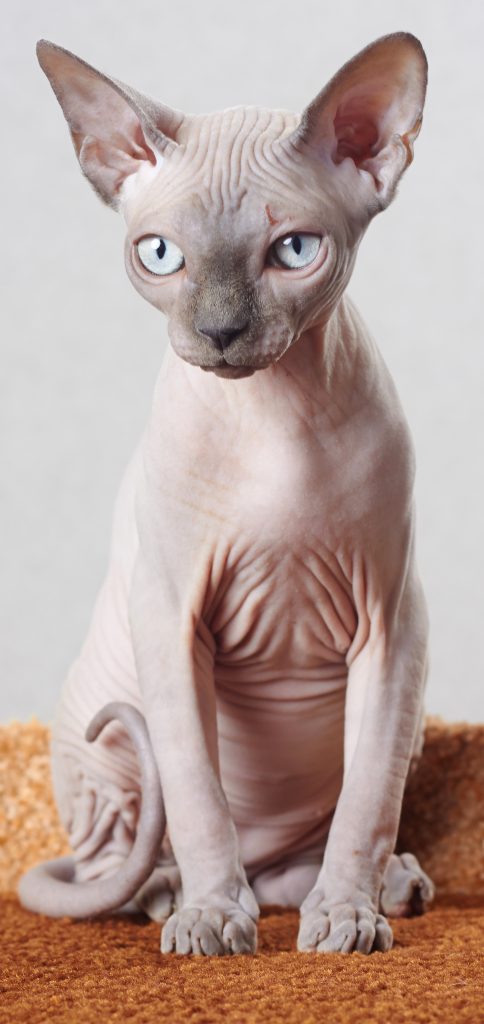
Have you ever gazed at a Sphynx cat and wondered if they really have hair? You’re not alone.
These intriguing felines often captivate attention with their unique appearance, prompting curiosity and questions. As you delve into the world of Sphynx cats, you’ll uncover fascinating facts about their skin, care needs, and what truly sets them apart from other breeds.
This article will satisfy your curiosity, offering insights that might surprise you and change the way you view these enchanting creatures. So, if you’re ready to discover the truth behind the hairless mystique of Sphynx cats, keep reading—you might find more than you expected!
Origins Of Sphynx Cats
Have you ever wondered why Sphynx cats are hairless? Their unique appearance is a result of a fascinating history. Understanding the origins of Sphynx cats not only adds to their charm but also gives insights into their care and personality.
History Of Hairlessness
The Sphynx cat’s lack of fur is not a modern development. The breed’s roots can be traced back to the 1960s in Toronto, Canada. A genetic mutation led to the birth of a hairless kitten named Prune. This mutation was carefully bred, giving rise to the Sphynx breed we know today.
Interestingly, hairless cats have appeared sporadically throughout history, but the Sphynx was the first breed to be intentionally developed. This deliberate breeding focused on preserving the hairless gene while maintaining a robust health profile. It’s a testament to the dedication of breeders who wanted to create a unique yet healthy feline companion.
Why Hairlessness Matters
You might wonder why hairlessness is significant. Besides their striking appearance, Sphynx cats offer practical benefits. They are hypoallergenic, making them suitable for cat lovers with allergies. Their hairlessness also means less shedding and reduced grooming needs.
However, their lack of fur also demands specific care. Sphynx cats need regular baths to remove oil buildup on their skin. Their skin is exposed to the elements, requiring protection from the sun and cold. This unique aspect of Sphynx cats makes them fascinating yet demanding pets.
A Personal Encounter
My first encounter with a Sphynx cat was unforgettable. Seeing the cat’s smooth skin and playful demeanor challenged my preconceived notions about cats. Their warmth and affectionate nature were palpable, proving that beauty can be found in the unexpected.
Have you ever held a Sphynx cat and felt their warmth? It’s a unique experience that sparks curiosity. It challenges the conventional idea of what a cat should look and feel like, inviting you to appreciate diversity in the animal world.
What’s Next?
As you learn more about Sphynx cats, consider what makes them unique. Their origins are a testament to how genetic diversity can create strikingly beautiful creatures. How do you see Sphynx cats fitting into your life?
Are you ready to embrace the quirks and charms of a hairless companion? Their history is just the beginning of a rewarding journey with these extraordinary felines.

Credit: ourlittlesuburbanfarmhouse.com
Physical Characteristics
Sphynx cats are unique with their intriguing features. They stand out due to their lack of a traditional fur coat. Yet, there’s more to their appearance than meets the eye.
Understanding their physical traits helps appreciate these fascinating felines better.
Skin Texture
The skin of a Sphynx cat feels different from other cats. It is often compared to soft suede. This texture provides a warm feel to the touch.
Despite having no fur, their skin is not entirely smooth. It has some fine hair. This makes the skin feel velvety.
Hair Follicles
Sphynx cats do have hair follicles. These follicles exist even without visible hair. The follicles are smaller and less active.
This reduced activity leads to the bald appearance. The presence of follicles means they can sometimes grow a fine fuzz.
This fuzz is not like regular cat fur. It is more like a peach’s fuzz. This unique feature adds to their charm.
Common Misconceptions
When you think of Sphynx cats, you might picture a completely hairless feline. This breed is often misunderstood, leading to several misconceptions that can affect how they are cared for. Understanding the truth behind these myths is crucial for any current or potential Sphynx owner.
Completely Hairless Myth
Contrary to popular belief, Sphynx cats aren’t entirely hairless. They have a fine layer of fuzz, akin to peach skin. This light coat is almost invisible but provides some warmth and protection. It’s easy to miss until you touch their skin.
Personal experience might surprise you; once you feel their velvet-like fuzz, you’ll realize they’re not so different from other cats. Would you have guessed that they need more warmth in colder months because of their scant coat?
Maintenance Needs
Many assume that having no fur means less grooming. This couldn’t be further from the truth. Sphynx cats produce natural oils that accumulate on their skin. Regular baths become essential to keep their skin clean and healthy.
Consider this: without regular cleaning, these oils can lead to skin issues. Have you ever thought about the importance of ear cleaning? Sphynx cats’ ears produce more wax due to the lack of hair to keep dirt out.
They also need protection from the sun. Unlike furred cats, their skin is more sensitive to UV rays. You might find yourself reaching for pet-safe sunscreen during sunny days. Isn’t it surprising how much attention their skin requires?
While they may not shed like other cats, the upkeep of a Sphynx is unique. Are you ready to embrace their distinctive grooming needs?
Credit: www.reddit.com
Unique Grooming Requirements
Sphynx cats have no fur, making their grooming needs unique. Their skin requires regular cleaning to remove natural oils. Frequent bathing helps maintain hygiene and prevents skin issues.
Sphynx cats are known for their unique appearance, often described as hairless, though they actually have a fine layer of fuzz. This lack of a full fur coat means they have special grooming needs that differ from other cat breeds. Understanding these requirements can help you maintain their health and happiness.Bathing And Skin Care
Sphynx cats have oily skin because they lack fur to absorb the natural oils. Regular baths are necessary to prevent oil buildup, which can lead to skin issues. Bathing your Sphynx cat once a week is a good practice. Use a gentle, hypoallergenic cat shampoo to keep their sensitive skin healthy. Always test the water temperature with your wrist before bathing to ensure it’s comfortable. If you’ve ever washed a Sphynx, you know they can be squirmy. Keep the bath short and sweet to minimize stress for both you and your cat.Ear Cleaning
Without hair to trap dust and debris, Sphynx cats’ ears tend to get dirty quickly. Regular ear cleaning is vital to prevent infections. You might wonder how often to clean their ears—doing it weekly can help maintain ear hygiene. Use a soft cloth or cotton ball dampened with a vet-approved ear cleaner. Avoid using cotton swabs as they can push dirt further into the ear canal. Remember the first time you cleaned your Sphynx’s ears? The satisfaction of seeing those clean ears is worth the effort. Consistent ear care ensures your cat stays healthy and comfortable. Do you find grooming your Sphynx challenging or rewarding? Share your experiences and tips in the comments!Health Considerations
Sphynx cats are known for their hairless appearance, which can impact their health. Owners must protect them from sunburn and cold temperatures, as their skin is exposed. Regular skin care is essential to prevent oil build-up and irritation.
Sphynx cats are unique creatures with distinct health considerations that you should be aware of before bringing one into your home. While their lack of fur might seem like a blessing—especially for those with allergies—it also means that their skin requires special care. Understanding these health considerations can ensure that your Sphynx cat remains happy and healthy. Let’s dive into what you need to know about skin sensitivity and temperature regulation.Skin Sensitivity
Sphynx cats may lack a fur coat, but their skin is surprisingly sensitive. They can easily get sunburned if exposed to direct sunlight for too long. You’ll want to keep them indoors or provide shade when outside. Their skin also tends to be oily, which can lead to acne or blackheads. Regular baths can help manage this issue. Use a gentle, pet-safe shampoo to keep their skin clean without causing irritation. Have you ever thought about how sunscreen works for a cat? While it sounds strange, applying a pet-safe sunscreen can protect your Sphynx from harmful UV rays. It’s a small step that can make a big difference.Temperature Regulation
Without fur, Sphynx cats have difficulty regulating their body temperature. They can get cold easily, especially in winter months. You might find them snuggling under blankets or seeking out warm spots in your home. Consider investing in pet clothing or heated beds to keep your cat comfortable. These simple additions can make your home more welcoming for your Sphynx. On the flip side, they can also overheat in warmer weather. Ensure your home is adequately ventilated and provide plenty of water to prevent dehydration. How do you know if your Sphynx is overheating? Look out for panting or restlessness as signs that they might need a cooler environment. By paying attention to these health considerations, you can provide the best care for your Sphynx cat. How will you adjust your home to meet their unique needs?
Credit: www.reddit.com
Sphynx Cats In Pop Culture
Sphynx cats have charmed their way into hearts worldwide. Their unique look and playful nature make them stand out. In pop culture, they hold a special place. From movies to music videos, their presence is felt. Let’s explore how these hairless felines have become icons.
Sphynx Cats In Movies And Tv
Sphynx cats have appeared in various films and TV shows. They often play mysterious or quirky roles. In the Austin Powers series, a Sphynx cat named Mr. Bigglesworth gained fame. This role showcased the cat’s unique look and added humor. TV shows like Friends also featured them. Their appearance often adds intrigue and fascination.
Sphynx Cats And Celebrities
Many celebrities adore Sphynx cats. Their hairless bodies and warm nature captivate stars. Singer Kat Von D and actor Norman Reedus are proud owners. These cats often appear in celebrity social media posts. Their presence boosts the feline’s popularity. Fans love seeing these unique pets in the limelight.
Sphynx Cats In Art And Fashion
Sphynx cats inspire artists and designers. Their distinct appearance often features in fashion and art. Some designers even feature them in runway shows. Artists draw or paint them to capture their unique beauty. Their striking features make them a popular subject in creative works.
Sphynx Cats In Music Videos
Music videos also highlight Sphynx cats. Their unusual look fits various themes. Artists choose them for their eye-catching appeal. In some videos, they symbolize elegance or mystery. Their presence adds a unique touch to visual storytelling.
Finding The Right Sphynx Cat
Adopting a Sphynx cat means welcoming a unique pet. Known for their hairless bodies, Sphynx cats stand out. They have distinct personality traits. Finding the right one involves some research. You want a healthy and happy cat. Begin by understanding their needs. Then, decide where to get your Sphynx. Choose carefully. A good decision ensures a lifelong bond.
Choosing A Breeder
Start with researching reputable breeders. Look for those with good reviews. A quality breeder prioritizes health. They provide proper care and medical checks. Visit the breeder in person. Observe the environment. Are the cats well cared for? Meet the kitten’s parents, if possible. This gives insight into temperament. Ask questions. A responsible breeder answers willingly. They should provide medical records. Ensure they offer a health guarantee.
Adoption Process
Consider adoption from a rescue organization. Many Sphynx cats need new homes. Start by contacting local shelters. Some specialize in specific breeds. The adoption process is thorough. Expect to fill out an application. They may ask for references. Prepare for a home visit. This ensures a good match for the cat. Be patient. The right cat may take time to find. Adoption fees support the shelter. They often include initial vaccinations. This makes adoption a cost-effective choice.
Frequently Asked Questions
Do Sphynx Cats Ever Have Hair?
Sphynx cats are typically hairless but can have a fine, peach-fuzz-like layer. They may develop sparse hair on specific body parts like ears, nose, or tail due to genetics or environmental factors. Regular grooming and care are essential to maintain their skin health and prevent oil buildup.
Do Sphynx Cats Shed A Lot?
Sphynx cats do not shed a lot because they lack a traditional fur coat. Their minimal hair might shed slightly, but it’s not noticeable. Regular grooming helps manage their skin oils. These unique cats are nearly hairless, making them a great choice for those seeking a low-shedding pet.
Can I Get A Sphynx Cat If I’m Allergic To Cats?
Sphynx cats have less fur, reducing allergens. They aren’t hypoallergenic but can cause fewer reactions. Consult a doctor before deciding. Regular grooming helps minimize allergens.
Do Sphynx Cats Have A Thick Coat Of Fur?
Sphynx cats do not have a thick coat of fur. They are nearly hairless, with a fine layer of peach fuzz. Their unique appearance requires regular grooming to maintain skin health.
Conclusion
Sphynx cats have a unique charm. Their hairless bodies feel warm. Yet, they aren’t completely hairless. Some have fine fuzz. This gives them their iconic look. Caring for their skin requires attention. Regular baths help maintain cleanliness. They need warmth due to their lack of fur.
Sphynx cats are loving and playful. Their personalities win many hearts. Perfect for those seeking a unique pet. They offer companionship and joy. A truly special feline friend.