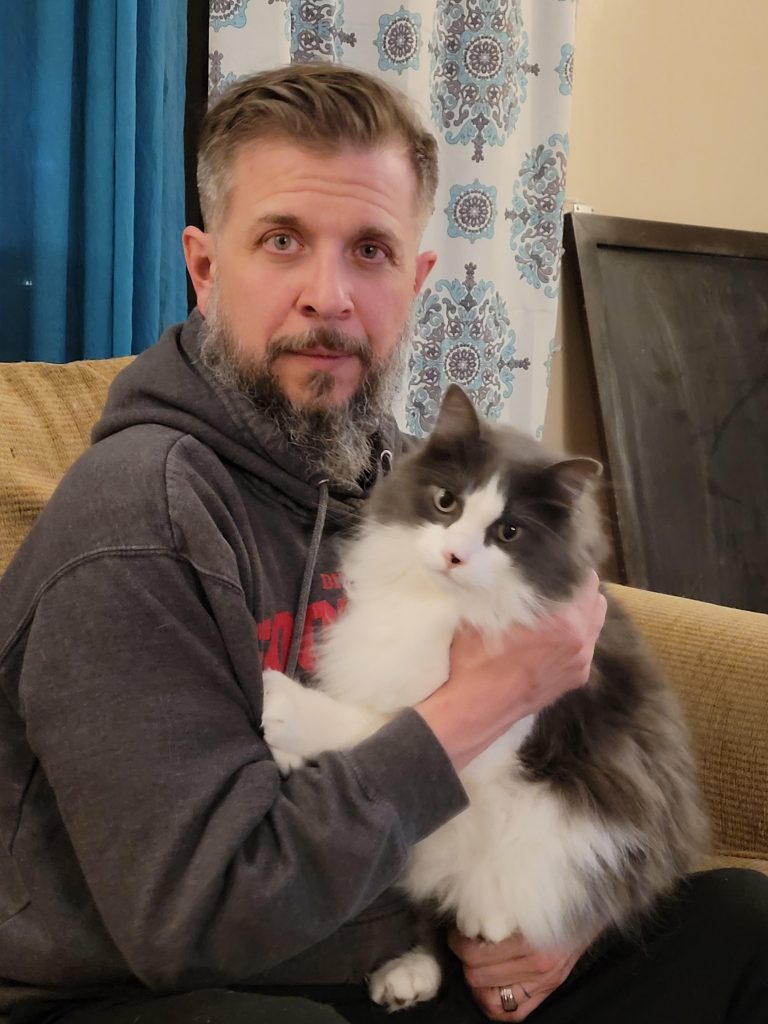
If you’ve ever found yourself sneezing, itching, or struggling to breathe around long-haired cats, you’re not alone. Dealing with allergies to these fluffy companions can be frustrating, especially if you’re an animal lover or live with someone who owns one.
You might feel like you’re stuck between a rock and a hard place, torn between your love for cats and your well-being. But what if you could find a balance? Imagine a life where you enjoy the company of your feline friend without the constant discomfort.
In this guide, we’ll explore practical solutions and smart strategies to help you manage your allergies effectively, so you can focus on the joy of having a cat without the hassle. Keep reading to discover how you can take control and lead a more comfortable, cat-friendly life.

Credit: www.tiktok.com
Identify Allergy Symptoms
Identifying allergy symptoms is crucial for cat lovers with sensitivities. Long-haired cats can trigger allergies. Knowing symptoms helps manage discomfort.
Common Signs Of Cat Allergies
Red, itchy eyes often indicate allergies. Sneezing is another common symptom. A runny or congested nose may occur. Skin may become itchy or develop rashes. Wheezing or coughing can happen. Some people experience shortness of breath.
Distinguishing Allergies From Other Conditions
Allergy symptoms can mimic other conditions. Cold symptoms like sneezing are similar. Asthma might cause breathing issues. Skin reactions could be mistaken for eczema. Tracking symptoms helps identify allergies. Consider timing and exposure to cats. Consult a doctor for accurate diagnosis.
Consult A Healthcare Professional
Living with an allergy to long-haired cats can be challenging. Seeking expert advice is crucial. Consulting a healthcare professional ensures that you manage your allergies effectively. They provide personalized solutions and guidance to minimize allergic reactions.
Importance Of Medical Diagnosis
Understanding the root cause of your allergy is essential. A proper medical diagnosis helps in identifying specific triggers. It aids in developing a tailored treatment plan. Without a diagnosis, managing symptoms becomes difficult. Professionals offer insights that over-the-counter solutions might miss.
Allergy Tests And Assessments
Allergy tests are vital in pinpointing allergens. Skin prick tests or blood tests help in identifying the specific allergy. They provide detailed information about your sensitivity levels. This data is key in forming an effective management strategy. Regular assessments ensure treatment remains effective over time.
Medication And Treatment Options
Finding out you are allergic to long haired cats can be tough. Thankfully, there are medication and treatment options available. These can help manage symptoms and improve your quality of life. Learn about some effective solutions to ease your discomfort.
Antihistamines And Decongestants
Antihistamines are popular for treating cat allergies. They block chemicals your body releases during allergic reactions. This reduces symptoms like sneezing and itching. Decongestants help clear nasal passages. They reduce swelling in nasal tissues, easing breathing difficulties. Both are available over the counter, but consult your doctor first.
Immunotherapy: Allergy Shots
Immunotherapy involves regular injections to build tolerance to allergens. Allergy shots can significantly reduce symptoms over time. They work by gradually desensitizing your immune system. This treatment requires commitment and patience. Consult an allergist to see if it’s a suitable option for you.

Credit: www.reddit.com
Create An Allergy-friendly Environment
Living with an allergy to long-haired cats can be challenging, especially when you adore their fluffy charm. However, creating an allergy-friendly environment can make a world of difference. Imagine a space where you can breathe easy and enjoy your feline friend’s company without constant sneezing or itchy eyes. Here’s how you can transform your home into a haven of comfort and relief.
Air Purifiers And Ventilation
Investing in a high-quality air purifier can be a game changer. Choose one with a HEPA filter. It effectively traps pet dander and other allergens. Place it in the room where your cat spends most of their time.
Opening windows frequently enhances ventilation. Fresh air circulation reduces allergen buildup. When the weather permits, let the breeze sweep away irritants.
Have you ever noticed how refreshing it feels after airing out your home? This simple act can significantly lessen allergy symptoms.
Cleaning And Maintenance Tips
Consistent cleaning is crucial. Vacuum carpets and upholstery regularly using a vacuum with a HEPA filter. This helps in capturing those pesky tiny particles.
Consider washable slipcovers for furniture. They make cleaning easier and help reduce dander accumulation. Wash them weekly for best results.
Think about how much time you spend on your couch. Keeping it clean can drastically improve your comfort level.
Mop floors frequently and use damp cloths for dusting. Dry dusting can stir up allergens instead of removing them.
Do you feel like cleaning is a never-ending battle? Establishing a routine can help maintain a cleaner environment without overwhelming you.
Creating an allergy-friendly environment is about making thoughtful choices. Every small step can lead to big changes in your daily comfort. What measures will you take to ensure your space is a sanctuary for both you and your long-haired companion?
Practical Interaction Strategies
Allergies to long-haired cats can be challenging. Limit contact, invest in air purifiers, and groom cats regularly. Use allergy medications and keep spaces clean to minimize symptoms.
Dealing with an allergy to long-haired cats can be challenging, especially if you love these fluffy companions. But don’t worry, you can still enjoy their company with some practical interaction strategies. By taking a few simple precautions, you can minimize allergy symptoms while still spending quality time with your feline friends.Minimizing Direct Contact
Reducing direct contact with your long-haired cat is essential. You might love snuggling with your pet, but it’s wise to limit this interaction. Use a blanket or towel between you and your cat when they sit on your lap to create a barrier. Consider designating specific furniture pieces as cat-free zones. This will help you have allergy-free spaces in your home. You can still enjoy your cat’s company from a slight distance, like when they curl up next to you on the floor.Safe Play And Handling Techniques
Playing with your cat is possible with a few adjustments. Use toys that allow you to maintain a safe distance, like feather wands or laser pointers. These toys keep your hands away from the fur and reduce the risk of triggering your allergies. When you need to handle your cat, wash your hands immediately afterward. This simple step can significantly reduce the transfer of allergens to your face or eyes. Always have hand sanitizer nearby for quick use. Cat grooming can also help reduce allergens. Use a damp cloth to wipe them down, decreasing loose fur and dander. If you’re not comfortable doing this, consider hiring a professional groomer who can manage it for you. Have you found other strategies that work for you in handling cat allergies? Share your experiences in the comments below, and let’s help each other enjoy our long-haired companions without the sneezes.Grooming And Hygiene Practices
Allergies can make long-haired cats a challenge. Regular grooming and vacuuming help manage allergens. Keeping cats clean and bathing them often reduces reactions.
Dealing with an allergy to long-haired cats can be quite a challenge, especially when you adore these fluffy companions. However, grooming and hygiene practices can significantly alleviate your symptoms, making life with your feline friend more comfortable. By maintaining a clean environment and keeping your cat well-groomed, you can reduce allergens and enjoy a happier cohabitation.Proper Grooming Techniques
Regular grooming is essential. Brush your long-haired cat frequently to minimize shedding. Consider using a grooming glove or a specialized brush designed for long-haired breeds. This not only helps keep your home free of cat hair but also reduces the amount of dander released into the air. Have you tried enlisting help from a friend or a professional groomer? This can be particularly useful if your allergies are severe. It’s a practical step to ensure your cat is well-groomed without triggering your symptoms.Reducing Allergen Spread
Keeping allergens at bay requires consistent effort. Clean your home regularly, focusing on areas your cat frequents. Vacuum with a HEPA filter to trap and reduce allergens in carpets and upholstery. Think about creating cat-free zones in your home. This can be as simple as designating a room or two as off-limits for your feline friend. It gives you a safe space to retreat to when your allergies act up. You might find using an air purifier beneficial. Place it in common areas to help filter the air and reduce allergen levels. This simple addition can make a noticeable difference in your home environment. Have you considered these steps in your routine? Each small action contributes to a more allergy-friendly home, allowing you to enjoy the company of your long-haired cat without constant discomfort.Alternative Pet Choices
Being allergic to long-haired cats doesn’t mean you can’t have a pet. There are many alternative pet choices. These options are suitable for those with allergies. Let’s explore some of these choices that can bring joy to your home.
Hypoallergenic Cat Breeds
Some cat breeds produce fewer allergens. Siberian cats are one such breed. They have long fur but lower allergen levels. Balinese cats, known as “long-haired Siamese,” are another option. They are friendly and produce less allergen. The Devon Rex has short hair and a playful nature. They shed less and have a unique look. Consider these breeds if you love cats but have allergies.
Other Pet Options
There are many non-feline pets to consider. Dogs like the Poodle and Bichon Frise are hypoallergenic. They are friendly and great companions. Fish are low-maintenance and allergen-free. A colorful aquarium can brighten any room. Birds, such as parakeets or canaries, offer joy with their songs. They are small and easy to care for. Hamsters and guinea pigs are good options too. They are fun to watch and handle.
Reptiles like turtles or lizards are unique pets. They have specific care needs but no fur. Their habitats can be interesting to set up. With so many options, you can find the perfect pet. One that fits your lifestyle and doesn’t trigger allergies.
Emotional Coping Mechanisms
Handling allergies to long-haired cats involves understanding emotional coping mechanisms. Stay calm and practice breathing exercises. Seek support from friends or family to discuss feelings.
Handling allergies to long-haired cats can be emotionally challenging. These furry companions often bring joy. Yet, allergies can lead to stress and discomfort. Emotional coping mechanisms are vital for managing these feelings. They help maintain a positive outlook despite health challenges. Let’s explore some effective strategies.Managing Stress And Anxiety
Stress often accompanies allergic reactions. Breathing exercises can calm your mind. Deep breathing reduces anxiety and clears your thoughts. Meditation offers a peaceful escape. Just a few minutes daily makes a difference. Visualization helps too. Imagine a calm scene, like a beach. This can lower stress levels. Create a quiet space at home. Use it to relax when anxiety creeps in.Building Support Networks
Having a support network eases emotional burdens. Share your experiences with friends and family. They can provide comfort and understanding. Join online communities for allergy sufferers. Engaging with others facing similar issues helps. They offer tips and emotional support. Consider professional counseling. Therapists can assist in coping with allergy-related stress. Find local support groups. Connecting with others in person can be reassuring.
Credit: katzenworld.co.uk
Frequently Asked Questions
Is It Possible To Be Allergic To Only Long Haired Cats?
Yes, it is possible to be allergic to long-haired cats. Allergies can be triggered by cat dander, saliva, and fur length may influence dander distribution. Consult an allergist for accurate diagnosis and tailored advice. Choose allergy-friendly breeds if sensitivities persist.
How To Stop Being Allergic To Cat Fur?
Reduce cat allergies by minimizing exposure and using air purifiers. Consider allergy medications or immunotherapy treatments. Regular cleaning helps eliminate allergens. Consult a healthcare professional for personalized advice.
How To Live With A Cat If You’re Allergic?
Keep your cat out of your bedroom and clean frequently. Use air purifiers to reduce allergens. Bathe your cat regularly. Take antihistamines to manage symptoms. Consult an allergist for personalized advice.
Which Cat Breed Is Worst For Allergies?
Persian cats are often worst for allergies due to their long, dense fur. They produce more allergens. Regular grooming and cleaning can help reduce allergens. Consider hypoallergenic breeds like Siberian or Balinese if you have allergies.
Conclusion
Dealing with cat allergies can be challenging, but it’s manageable. Remember, regular cleaning helps reduce allergens. Consider using air purifiers to improve air quality. Always wash your hands after petting the cat. Groom your cat regularly to reduce shedding. Consult with a doctor for the best allergy treatments.
Medications can help ease symptoms. Creating a cat-free zone in your home can also provide relief. Building a routine helps in managing allergies effectively. Enjoy the company of your feline friend with these simple steps. Your comfort and health matter.
Stay proactive and enjoy life with your long-haired cat.