If you’re a cat owner, you know the struggle of dealing with hairballs. These pesky little balls of fur can cause discomfort for your feline friend and frustration for you.
But what if you could reduce or even eliminate them? Imagine a home free from unexpected hairball surprises and a happier, healthier cat. This is not just a dream—it’s entirely possible with a few simple changes. You’ll discover effective strategies to significantly reduce cat hairballs, making life easier for both you and your furry companion.
Keep reading to uncover the secrets to a cleaner home and a more comfortable pet.
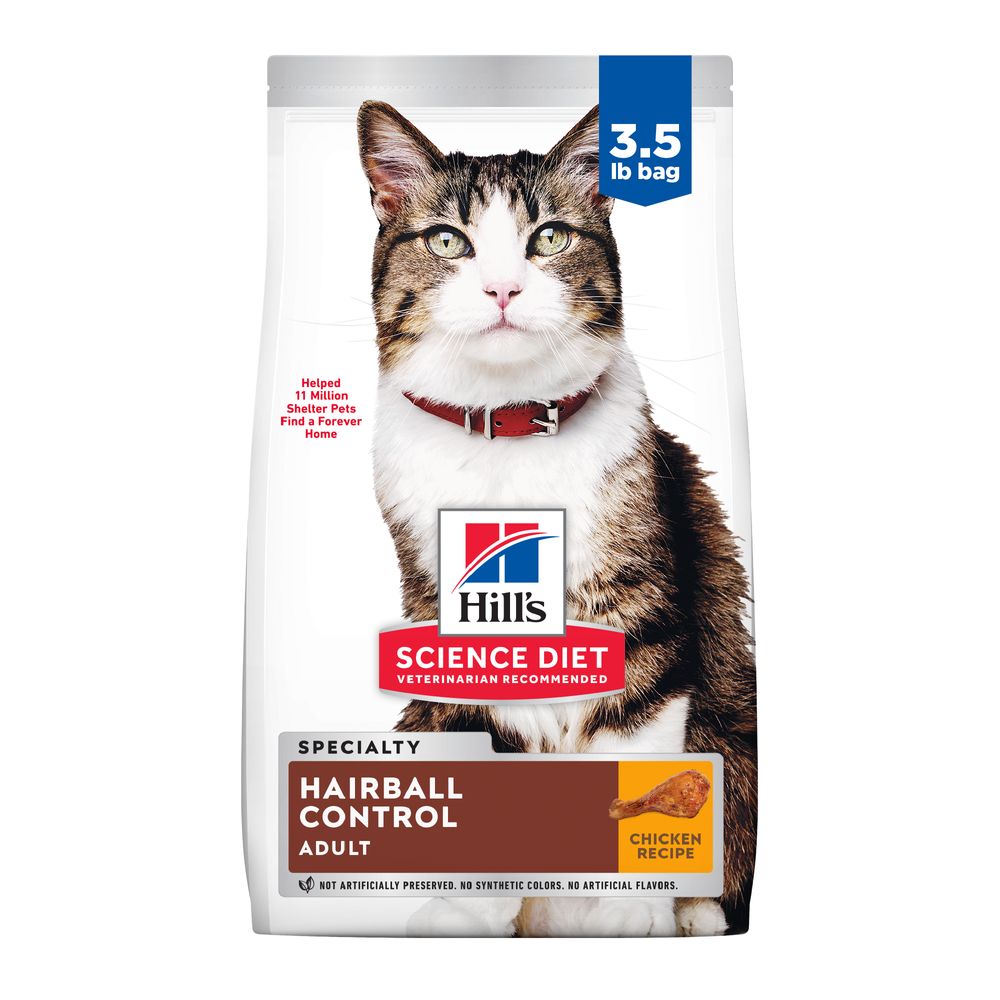
Credit: www.nutro.com
Understanding Hairballs In Cats
Cats often cough up hairballs due to grooming. Regular brushing helps reduce loose hair. Providing a balanced diet with fiber aids digestion and minimizes hairball formation.
Understanding hairballs in cats is crucial for every cat owner. These seemingly harmless clumps can actually cause discomfort and even health issues for your feline friend. By gaining insight into the causes and symptoms of hairballs, you can take steps to minimize them and ensure your cat’s well-being.Causes Of Hairballs
Hairballs are primarily a result of your cat’s grooming habits. Cats use their tongues to clean themselves, which leads to ingesting loose fur. Most of this fur passes through the digestive system, but some can accumulate in the stomach, forming a hairball. Long-haired breeds like Persians are more prone to hairballs due to their dense, fluffy coats. However, even short-haired cats can develop hairballs, especially during shedding seasons. A lack of regular brushing can contribute to more hair being swallowed. Diet also plays a significant role. Low-fiber diets may not help in moving hair through the digestive tract efficiently. Have you ever noticed a change in your cat’s hairball frequency after switching foods? It might be worth considering.Signs And Symptoms
The most obvious sign of a hairball is your cat coughing or gagging. You might find a tubular hairball on your floor or furniture, which can be alarming but is usually harmless. Frequent vomiting or retching without producing a hairball can indicate a blockage. If your cat shows signs of constipation, lethargy, or loss of appetite, it might be time to consult a vet. These symptoms can signal a more serious issue. Pay attention to your cat’s grooming habits. Excessive grooming can lead to more hair being swallowed, while a sudden decrease might signal discomfort or illness. Have you noticed your cat’s grooming patterns changing recently? Reducing hairballs involves understanding their root causes and recognizing symptoms early. Your vigilance can make a significant difference in your cat’s comfort and health. Are you ready to take proactive steps to help your furry companion?Dietary Adjustments
Reducing cat hairballs involves several strategies, with dietary adjustments playing a vital role. Proper nutrition can minimize hairball formation, keeping your feline friend healthy. Let’s explore how specific dietary changes can help.
Fiber-rich Foods
Fiber helps your cat’s digestive system function efficiently. It moves ingested hair through the gut. Adding fiber to your cat’s diet can greatly reduce hairballs. Foods like pumpkin, peas, and apples are great sources. High-fiber cat food is also available. Consult your vet before making changes to your cat’s diet.
Hydration Importance
Water is essential for your cat’s overall health. It keeps their digestive system working smoothly. Hydrated cats are less prone to hairballs. Ensure your cat has access to fresh water. Wet cat food can increase their water intake. This simple change can make a big difference.
Grooming Techniques
Grooming techniques play a crucial role in reducing cat hairballs. Cats are meticulous groomers, but this often leads to the ingestion of loose fur. Over time, this fur accumulates in their digestive tract, forming hairballs. By implementing effective grooming techniques, you can significantly minimize hairball formation and ensure your feline friend stays comfortable and healthy. Here’s how you can make a difference with regular brushing and specialized tools.
Regular Brushing
Regular brushing is your first line of defense against hairballs. It’s amazing how a simple routine can make a big difference. Brushing your cat not only removes loose fur but also strengthens your bond with them. Start with short sessions, gradually increasing the time as your cat gets accustomed to it.
Consistency is key. Aim to brush your cat several times a week, or even daily if they have a long coat. You might notice that your cat enjoys these sessions, turning them into a calming ritual. Have you ever wondered why your cat sometimes purrs while being brushed? It’s because they love the attention and the feeling of being pampered.
Specialized Tools
Choosing the right tools can enhance your grooming efforts. Not all brushes are created equal, and some are specifically designed to tackle loose fur more effectively. Consider using a slicker brush or a comb with fine teeth that can reach deeper layers of your cat’s coat.
For cats with long or thick fur, a de-shedding tool can work wonders. These tools are engineered to remove undercoat fur without harming the top layer. Imagine how much easier it would be if you had the right tool for the job. Investing in quality grooming tools can save you time and reduce the frustration of dealing with hairballs.
Have you ever tried a grooming glove? It’s a great alternative if your cat is skittish around brushes. It feels like a gentle petting session while efficiently removing excess fur. A simple change in your grooming approach can lead to noticeable results.
As you explore these grooming techniques, think about how they fit into your daily routine. What could you do differently to improve your cat’s comfort and health? By taking proactive steps, you’re not just reducing hairballs; you’re enhancing your cat’s overall well-being.
Natural Remedies
Many cat owners are familiar with the unwelcome surprise of finding hairballs around the house. While they’re a natural part of a cat’s grooming routine, excessive hairballs can indicate a need for dietary adjustments. Natural remedies offer a gentle approach to minimizing hairballs without causing stress to your feline friend. Let’s explore two effective options: olive oil and pumpkin.
Olive Oil Benefits
Olive oil isn’t just a staple in your kitchen; it can also be beneficial for your cat. Adding a small amount to your cat’s food can help lubricate their digestive tract. This makes it easier for hair to pass through their system, reducing the likelihood of hairball formation.
Start with half a teaspoon mixed into their food once a week. Monitor your cat’s reaction and adjust if necessary. Many cats enjoy the taste, which makes this remedy both practical and enjoyable for your furry friend.
Pumpkin For Digestion
Pumpkin is a fiber-rich food that can aid in digestion. It helps move hair through the digestive system, minimizing hairball formation. You can use canned pumpkin, but ensure it’s pure pumpkin without added sugars or spices.
Try adding a teaspoon of pumpkin to your cat’s meal several times a week. Notice if their digestion improves and hairballs become less frequent. It’s a simple addition that could make a big difference.
Have you ever thought about how these remedies could improve your pet’s health and your home environment? Natural solutions not only enhance your cat’s well-being but also ensure a cleaner space for you. Give these remedies a try and see the changes for yourself.
Veterinary Solutions
Dealing with cat hairballs can be frustrating for both you and your furry friend. These pesky little clumps can cause discomfort and even health issues. Fortunately, there are effective veterinary solutions to help reduce hairballs and keep your cat happy and healthy. Let’s dive into some practical approaches you can consider.
Medications And Supplements
Veterinarians often recommend medications and supplements specifically designed to minimize hairball formation. These products can be a game-changer for your cat’s comfort.
Medications like hairball control gels help lubricate the digestive tract, making it easier for your cat to pass hair naturally. These gels are usually flavored, so your cat might even enjoy them!
Supplements rich in omega fatty acids can improve your cat’s coat health, reducing shedding and subsequently hairball formation. You might notice a shinier coat as an added bonus.
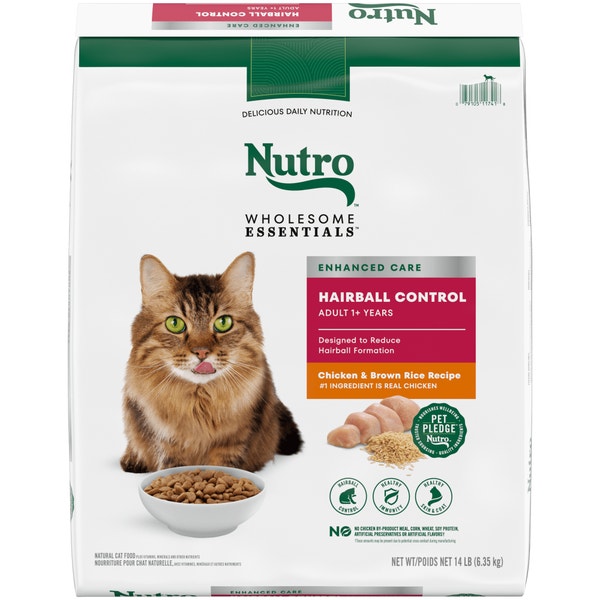
Have you ever wondered if your cat’s diet could impact hairball formation? Specialized cat foods are formulated to reduce hairballs. They contain fibers and oils that support healthy digestion.
When To Consult A Vet
Sometimes, despite your best efforts, hairballs can become a serious issue. When should you consider consulting a vet?
If your cat is frequently vomiting hairballs or showing signs of distress like coughing or gagging, it’s time to seek professional advice. These symptoms could indicate a blockage.
Persistent hairballs could also suggest an underlying health issue. Conditions like gastrointestinal problems might be at play. Your vet can help diagnose and treat these issues effectively.
Do you ever feel unsure about your cat’s symptoms? Trust your instincts and ask your vet. They can provide reassurance and guide you on the best course of action.
Incorporating veterinary solutions into your routine can make a significant difference. After all, your cat’s health is a priority. Are you ready to take the next step in minimizing hairballs?

Credit: www.hillspet.com
Preventive Measures
Reducing cat hairballs is essential for your feline’s comfort and health. Hairballs form when cats groom themselves and ingest loose hair. Implementing preventive measures can significantly reduce this issue. Let’s explore effective strategies to minimize hairballs.
Stress Reduction
Stress can increase grooming in cats. Provide a calm environment to help your cat relax. Ensure regular playtime to reduce stress levels. Use soothing music or pheromone diffusers to create a peaceful atmosphere. A relaxed cat grooms less excessively, reducing hairball formation.
Environment Optimization
Maintain a clean living space for your cat. Regularly vacuum to remove loose fur from furniture and carpets. Brush your cat often to capture loose hair before ingestion. Offer scratching posts and toys to engage your cat. A stimulating environment reduces boredom-related grooming.
Credit: evangersdogfood.com
Frequently Asked Questions
How Do I Help My Cat Stop Having Hairballs?
Brush your cat regularly to reduce loose fur. Feed them a high-fiber diet to aid digestion. Provide water and use hairball prevention treats. Consult a vet if hairballs persist.
Does Dry Cat Food Cause Hairballs?
Dry cat food doesn’t directly cause hairballs. Lack of moisture can lead to digestive issues, increasing hairball risk. Ensure your cat stays hydrated and groomed to minimize hairballs. Consider a balanced diet with wet food to aid digestion and reduce hairball formation.
Is It Normal For Cats To Throw Up Hairballs Every Day?
Cats shouldn’t throw up hairballs daily. Frequent vomiting may indicate health issues. Regular grooming and hydration help reduce hairball formation. Consult a vet if your cat vomits often. Maintaining a healthy diet and environment can prevent excessive hairballs. Regular vet check-ups ensure your cat stays healthy and comfortable.
What Causes Hairballs In Cats?
Hairballs occur when cats groom themselves and ingest loose fur. This fur can accumulate in their stomach, forming a hairball. Some cats are more prone to hairballs due to their grooming habits or longer fur. Regular grooming by owners can help reduce the amount of fur ingested.
Conclusion
Reducing cat hairballs improves your pet’s health and comfort. Regular grooming helps a lot. Choose the right diet to support their digestion. Hydration is essential for reducing hairballs. Cats need plenty of water daily. Playtime and exercise keep your cat active and healthy.
A stress-free environment also matters. Happy cats have fewer hairballs. Be patient with changes. Small steps make a big difference. Consult a vet if hairballs persist. Your cat deserves a comfortable life. With these simple tips, you can help your furry friend.
Enjoy a cleaner home and a happier cat.