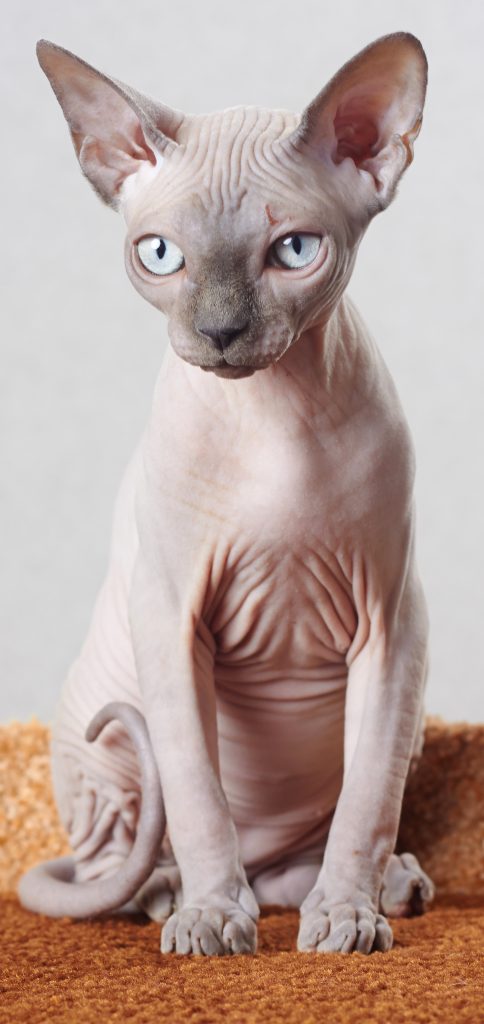
Imagine a cat without its furry coat. It’s quite a sight, isn’t it?
Hairless cats have an unmistakable charm that captivates cat lovers worldwide. But where exactly did these unique felines come from? You might be curious about their origins, their unique traits, or even considering welcoming one into your home. Unraveling the mystery behind hairless cats not only satisfies your curiosity but could also change the way you see these fascinating creatures.
As you continue reading, you’ll uncover the intriguing story of how hairless cats came to be and why they might just be the perfect pet for you. Ready to dive into this captivating tale? Let’s explore the history and allure of hairless cats together.
Credit: www.purina.co.uk
Ancient Roots
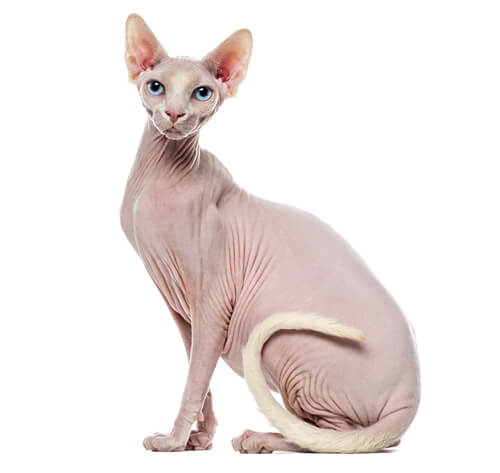
Hairless cats, such as the Sphynx, have origins traced back to ancient Egypt. These unique felines developed naturally over time due to genetic mutations. Their lack of fur was often seen as a sign of elegance and mystique, captivating cat lovers worldwide.
Hairless cats have a fascinating story that traces back to ancient times. These unique felines, often associated with modernity, have roots deeply embedded in history. Understanding their origin offers a glimpse into how nature and human curiosity can shape the existence of a species. As you explore the ancient roots of hairless cats, you may find surprising connections that challenge the usual perceptions of these intriguing creatures.The Origins Of Hairlessness
Hairlessness in cats is not a recent phenomenon. Ancient civilizations often documented their encounters with unusual animals, including those without fur. In some cultures, hairless cats were revered for their distinctive appearance. The genetic mutation responsible for hairlessness likely occurred naturally, allowing these cats to thrive in specific environments.Historical Records And Artifacts
Ancient artifacts and records offer clues about the existence of hairless cats. Egyptian hieroglyphs and art pieces sometimes depict animals resembling the modern Sphynx. Could these be our hairless companions’ ancestors? Such historical depictions suggest that hairless cats might have been valued for their unique look and possibly kept as pets by those who appreciated their rarity.Folklore And Mythology
Folklore across various cultures mentions cats with unusual traits, including hairlessness. These stories often attribute mystical properties to these animals, painting them as creatures of mystery and power. Have you ever considered how myths can influence our perception of animals? These tales could have contributed to the mystique surrounding hairless cats, enhancing their allure over generations.Evolution And Adaptation
Evolution plays a significant role in the existence of hairless cats. Over time, natural selection can favor certain traits, including hairlessness, in specific climates and environments. Imagine living in a warm climate where fur is less advantageous. Hairless cats might have adapted to such conditions, allowing them to survive and pass on their unique genetic traits. Could this be why they have persisted throughout history? As you ponder the ancient roots of hairless cats, consider how nature and human interaction have shaped their journey. These unique felines remind us that history is often more complex and interconnected than it seems. What other surprising connections might we uncover as we continue to explore the natural world around us?Genetic Mutations
Hairless cats, like the Sphynx, originate from natural genetic mutations. These mutations affect hair growth, resulting in their unique appearance. Breeders have embraced these traits, creating distinct hairless breeds through selective breeding.
Genetic mutations are fascinating phenomena that can lead to unique and sometimes surprising traits in animals. Hairless cats are a perfect example of how such mutations can result in distinct characteristics. These felines, known for their smooth skin and lack of fur, have captured the curiosity of pet enthusiasts and geneticists alike. But what exactly causes these cats to be hairless? Let’s dive into the world of genetic mutations to uncover the origins of these intriguing cats.Understanding Genetic Mutations
Genetic mutations occur naturally in all living organisms. They are changes in the DNA sequence that can lead to new traits or characteristics. In the case of hairless cats, a specific mutation affects the gene responsible for hair growth. This mutation prevents the development of a normal fur coat, resulting in the hairless appearance that many find so captivating.The Sphynx Cat Discovery
The Sphynx cat, one of the most well-known hairless breeds, was first discovered in the 1960s in Canada. A domestic cat gave birth to a hairless kitten due to a spontaneous genetic mutation. Breeders saw an opportunity and began to selectively breed these cats to establish the Sphynx breed. Have you ever wondered how a single mutation could lead to an entirely new breed? It’s all about selecting and breeding for those unique traits.The Role Of Selective Breeding
Selective breeding has played a crucial role in the development of hairless cat breeds. Breeders choose cats with the desired hairless trait to reproduce, enhancing and stabilizing the genetic mutation. This careful selection ensures that the mutation is passed on to future generations, allowing these distinctive cats to thrive. Think about the dedication required to maintain a breed’s unique characteristics. Would you have the patience to carefully choose and nurture generations of pets?Unexpected Challenges And Care
Owning a hairless cat comes with its own set of challenges. Without fur, these cats can be more sensitive to temperature changes and require extra care for their skin. Regular baths help to remove oil build-up, and sun protection is necessary to prevent burns. As a pet owner, how would you adapt your care routine to meet the needs of such a unique pet? It’s not just about looks; it’s about understanding their special needs. Hairless cats remind us of the beauty and intrigue of genetic mutations. They show how nature can surprise us and challenge our perceptions. As you learn more about these fascinating felines, consider how genetic variations can impact not just appearance, but also the care and attention required for a happy, healthy life.Key Breeds
Hairless cats, like the Sphynx, originated from natural genetic mutations. First discovered in Canada during the 1960s, these unique felines have since gained popularity for their striking appearance and affectionate nature. Their lack of fur requires special care to maintain healthy skin.
Have you ever wondered where those unique hairless cats come from? These intriguing felines, adored by many, originate from specific breeds that have distinct characteristics. Let’s dive into the fascinating world of hairless cats and explore some key breeds that stand out.Sphynx
The Sphynx is perhaps the most well-known hairless cat breed. Its origins date back to the 1960s in Canada when a domestic cat gave birth to a hairless kitten due to a natural genetic mutation. These cats are famous for their friendly and energetic personality. If you’ve ever met one, you know they love human attention and are quick to snuggle up to you for warmth. Sphynx cats have a suede-like texture to their skin, making them feel soft to the touch. Their playful nature makes them excellent companions for families and individuals alike.Peterbald
The Peterbald breed originated in Russia in the late 1990s. It came about from crossing a Donskoy cat with an Oriental Shorthair. The result was a sleek, elegant feline with a fascinating hairless appearance. Peterbalds are known for their affectionate demeanor. They often form strong bonds with their owners, craving companionship and interaction. If you’re seeking a loyal friend, a Peterbald might just be the perfect match. Their appearance can vary from completely bald to having a slight fuzz, adding to their uniqueness. Their slender build and almond-shaped eyes create a striking presence.Donskoy
The Donskoy breed, also known as the Don Sphynx, originated in Russia in the late 1980s. Unlike the Sphynx, its hairlessness is due to a dominant gene, making it a distinct breed in its own right. Donskoys are known for their inquisitive nature. They love exploring their surroundings and often engage in playful activities. This breed is ideal for someone who enjoys an active pet. Their skin can range from completely smooth to having a velvety texture. Donskoys often have wrinkles, especially around the face, adding character to their appearance. Have you had the pleasure of meeting a hairless cat? Their unique charm and personality might just steal your heart. Which breed intrigues you the most?
Credit: danspetcare.com
Breeding Practices
Hairless cats, like the Sphynx, originated through natural genetic mutations. Breeding practices helped these unique cats gain popularity. The absence of fur is their defining characteristic, attracting cat lovers worldwide.
Breeding practices have played a pivotal role in the emergence of hairless cats. These unique felines, loved for their distinctive appearance and affectionate nature, are the result of careful selection and breeding over generations. Understanding the breeding practices behind hairless cats can give you a new appreciation for these remarkable pets.Origins Of Hairless Cats
Hairless cats, often associated with the Sphynx breed, originated from natural genetic mutations. These mutations were first observed in domestic cats, leading to the birth of hairless kittens. Breeders saw potential in these unique traits and began developing the breed further.Selective Breeding
Selective breeding is a process where breeders choose cats with specific traits to produce desired outcomes. For hairless cats, breeders focused on enhancing the genetic mutation responsible for the lack of fur. By pairing hairless cats with those carrying the hairless gene, breeders successfully produced more kittens with this trait.Health Considerations
Ensuring the health of hairless cats is paramount in breeding practices. Breeders need to be vigilant about genetic health issues that can arise due to limited gene pools. Regular veterinary check-ups and responsible breeding practices help maintain the health and wellbeing of these cats.Breeding Ethics
Ethical breeding involves more than just producing kittens. Responsible breeders prioritize the welfare of their cats, providing loving homes and proper care. They avoid overbreeding and ensure that each cat is raised in a healthy environment, promoting both physical and emotional well-being.Challenges In Breeding
Breeding hairless cats isn’t without its challenges. Genetic diversity is crucial to avoid health problems, yet maintaining this diversity can be difficult. Breeders face the task of balancing the desire for hairless traits with the need for a robust gene pool.Future Of Hairless Cat Breeding
As breeding practices evolve, the future of hairless cats looks promising. With advances in genetic research, breeders are better equipped to manage health issues and genetic diversity. What do you think the next generation of hairless cats will look like? Breeding practices have shaped the hairless cats we adore today. Their journey from a genetic mutation to beloved pets is a testament to the dedicated efforts of breeders worldwide. By understanding these practices, you can appreciate the careful work involved in preserving and nurturing these unique felines.Cultural Significance
Hairless cats, known for their unique appearance and charming personalities, have woven themselves into the fabric of various cultures around the world. Their distinct look often sparks curiosity and admiration, leading to a deeper understanding of their cultural significance. Let’s explore how these fascinating creatures have been perceived historically and their rise in modern popularity.
Historical Perceptions
Historically, hairless cats have been seen as mystical and rare. Ancient cultures, like the Aztecs, reportedly revered them for their uniqueness. Stories abound about their presence in temples, symbolizing grace and elegance.
In colder regions, their lack of fur was seen as an oddity. People often wondered how these cats could survive harsh climates. Their resilience became a symbol of adaptation, subtly influencing cultural attitudes towards survival.
Modern Popularity
Today, hairless cats are loved by many around the globe. Their hypoallergenic nature attracts those who struggle with cat allergies. Could this be why they’ve become increasingly popular?
Pop culture has embraced these cats too. Movies and social media spotlight their quirky looks, sparking interest and adoration. Have you noticed their frequent appearances in viral videos?
Owning a hairless cat now is often seen as trendy. It’s a conversation starter, a unique pet choice that reflects individuality. Have you ever considered what owning such a distinctive pet says about you?
In the end, hairless cats are more than just their unique appearance. They are symbols of adaptation and individuality, bridging historical perceptions with modern trends. Perhaps their cultural significance lies in their ability to continuously intrigue and inspire.
Global Distribution
Hairless cats, like the Sphynx, have fascinated cat lovers globally. Their unique look and friendly nature appeal to many. These cats aren’t just found in one part of the world. They’ve spread across continents, becoming popular pets in various regions. Understanding their global distribution helps appreciate their journey and presence today.
North America
In North America, hairless cats are quite popular. The Sphynx breed began in Canada in the 1960s. From there, their popularity grew in the United States. Many breeders specialize in these unique cats. Cat shows often feature them, attracting curious onlookers. Their playful nature makes them beloved pets in many households.
Europe
Europe also boasts a strong presence of hairless cats. Breeders in countries like Russia and France have developed distinct variations. In Russia, the Don Sphynx is a notable breed. It’s known for its friendly demeanor and unique history. European cat lovers appreciate their hypoallergenic qualities. This makes them ideal for allergy sufferers.
Asia
In Asia, hairless cats are gaining popularity. Countries like Japan and China have enthusiasts and breeders. These cats often appear in pet cafes, drawing crowds. Their unique look and charm captivate visitors. Asian breeders work to maintain the breed’s health and standards. This ensures their continued popularity across the continent.
Australia
Australia has embraced hairless cats with enthusiasm. These felines can be found in many Australian homes. Their playful and affectionate nature endears them to families. Breeders focus on promoting the breed’s health and well-being. This commitment ensures their place in the hearts of Australians.
South America
In South America, hairless cats are steadily growing in numbers. Countries like Brazil and Argentina have seen a rise in interest. Their unique appearance attracts attention from cat fanciers. Breeders work to meet the demand for these special pets. Owners enjoy their loving and playful personalities.
Health And Care
Hairless cats, like the Sphynx, originated from natural mutations. Canadian breeders began developing them in the 1960s. These unique cats became popular for their friendly nature and distinct appearance.
Caring for a hairless cat is a unique experience that requires a bit more attention than you might expect. Without a coat of fur, these intriguing felines have distinct health and care needs. Understanding these requirements can ensure your hairless cat thrives and stays healthy.Common Health Issues
Hairless cats, like the Sphynx, are more prone to specific health problems due to their lack of fur. Skin problems can occur frequently because their skin is exposed to the environment. They can get sunburned or develop skin infections if not properly cared for. These cats also tend to have a higher metabolic rate, meaning they need more food to maintain their energy levels. Be mindful of their diet to prevent malnutrition or obesity. Regular vet check-ups are crucial to monitor their health. Have you ever noticed how your hairless cat seems to shiver when it’s cold? This is because they can easily lose body heat without fur. Providing them with a warm environment is essential to avoid hypothermia.Proper Care
Keeping a hairless cat healthy involves some simple but essential tasks. Regular bathing is necessary to remove oil and dirt buildup on their skin. Use a gentle, cat-friendly shampoo to keep their skin clean and free from irritation. Ensure they have access to warm areas in your home. A cozy bed or a sunny spot can make a big difference in their comfort. You might even find them seeking out your lap for warmth, especially on colder days. Their ears and nails also require special attention. Without fur, wax can accumulate in their ears, leading to infections if not cleaned regularly. Trim their nails often, as they can grow faster without the natural wear and tear that fur-covered paws provide. Do you have a routine for keeping your pet clean and comfortable? Establishing one can make caring for your hairless cat a rewarding experience. By understanding these needs, you ensure your hairless cat remains a healthy and happy companion. With a little extra care, they’ll be as content as their furry counterparts.Future Of Hairless Cats
The future of hairless cats is a topic that sparks curiosity among feline enthusiasts and breeders alike. These unique creatures have captured the hearts of many, not just for their distinct appearance but also for their affectionate personalities. As we look ahead, several factors could influence the trajectory of hairless cat breeds. From advancements in breeding techniques to potential hurdles, the journey is full of possibilities and challenges. How will these developments shape the future of these cats?
Breeding Developments
Breeders are constantly striving to enhance the health and characteristics of hairless cats. They use selective breeding to improve traits such as skin health and temperament. Genetic testing has become a vital tool in ensuring that these cats live long, healthy lives. Imagine a world where hairless cats can be bred with minimal health issues. Such advancements could lead to wider acceptance and popularity of these breeds.
One breeder might share their experience about successfully breeding a hairless cat with a particularly playful personality. This could encourage others to focus on not just appearance but also behavior. The breeding community is buzzing with discussions about how genetic manipulation could further refine these unique cats.
Potential Challenges
The journey is not without its obstacles. Hairless cats are prone to skin issues due to their lack of fur. This requires careful attention and regular grooming. You might find it challenging to maintain their skin health, necessitating frequent baths and moisturizing routines. Are you ready for that commitment?
Another challenge lies in the perception of hairless cats. Some potential owners might hesitate due to their unconventional look. Addressing these concerns through education and awareness can help change perceptions. Imagine a future where hairless cats are celebrated for their uniqueness rather than misunderstood.
Environmental factors also play a role. Without fur, these cats are sensitive to temperature changes, which can be a concern for owners in varying climates. Consider how you would adapt your home to ensure your hairless cat stays comfortable year-round. These practical aspects are crucial for those considering bringing a hairless cat into their lives.
The future of hairless cats is full of promise, yet it requires thoughtful consideration. By understanding both the developments and challenges, you can better prepare for a rewarding relationship with these fascinating animals. Are you ready to embrace the unique journey of being a hairless cat owner?
Credit: www.aspcapetinsurance.com
Frequently Asked Questions
How Were Hairless Cats Created?
Hairless cats, like the Sphynx, were created through selective breeding. A genetic mutation causes their lack of fur. Breeders enhance this trait by mating hairless cats with others carrying the same gene. This process ensures the continuation of the hairless characteristic in future generations.
Are Sphynx Cats From Egypt?
Sphynx cats are not from Egypt. They originated in Canada in the 1960s due to a natural genetic mutation. Despite their name, they have no direct connection to ancient Egyptian cats. Their hairless appearance can be misleading, but they are a modern breed.
When Did Hairless Cats Become A Thing?
Hairless cats became popular in the 1960s. The Sphynx breed was officially recognized in 1970. These cats are known for their unique appearance and affectionate nature. They have since gained a dedicated following among pet enthusiasts worldwide.
Are Sphynx Cats Natural Or Were They Bred?
Sphynx cats are not natural; they were selectively bred for their hairless trait. Their unique appearance resulted from a genetic mutation in the 1960s, and breeders developed them into a distinct breed. They are known for their affectionate nature and distinctive look.
Conclusion
Hairless cats, like the Sphynx, have a unique charm. Their history traces back to genetic mutations. These mutations create their lack of fur. Breeders then worked to develop this trait. Hairless cats now captivate many cat lovers worldwide. They offer a distinct look and personality.
Their care needs are special but rewarding. They need warmth and regular skin cleaning. Many enjoy their playful and affectionate nature. Understanding their origins helps us appreciate their uniqueness. Consider adopting one if you seek an extraordinary pet. Hairless cats continue to fascinate and charm.