If you’ve ever had to clean up after your cat’s hairball incident, you know it’s not just unpleasant for you, but also for your furry friend. Watching your beloved pet struggle with hairballs can be distressing.
You want to help, but where do you start? Understanding why your cat is coughing up hairballs is the first step. This guide will show you practical, effective ways to manage and reduce hairballs. Imagine a cleaner home and a happier, healthier cat.
Let’s explore how you can achieve this and make hairballs a thing of the past. Your cat will thank you!
Causes Of Hairballs
Cats often groom themselves and swallow loose fur, leading to hairballs. Regular brushing helps reduce the amount of fur they ingest. Providing a high-fiber diet and ensuring hydration can also aid in preventing hairballs from forming.
Hairballs are a common issue for many cat owners. They might seem like just a minor inconvenience, but understanding their causes can help in reducing their occurrence. Knowing why hairballs form and what triggers them is crucial in providing your feline friend with relief. Let’s dive into the main causes of hairballs and how you can help your cat avoid them.Understanding Hairball Formation
When your cat grooms itself, tiny barbs on its tongue catch loose and dead hair. This hair is then swallowed. Most of the time, the hair passes through the digestive system without any issues. However, sometimes hair accumulates in the stomach and forms a hairball. Long-haired breeds like Persians and Maine Coons are more prone to hairballs due to their thick fur. Regular grooming can help minimize the amount of loose hair your cat ingests. Have you noticed your cat coughing up hairballs more during shedding season? This happens because they ingest more hair than usual.Common Triggers In Cats
Several factors can increase the likelihood of hairballs in cats. One common trigger is excessive grooming. Cats often groom themselves more when they’re stressed or anxious. Consider creating a calm environment to reduce stress-related grooming. Diet also plays a significant role. A diet lacking in fiber might contribute to hairball formation. Providing your cat with a balanced diet rich in fiber can aid in the smooth passage of ingested hair. Commercial hairball control cat foods are specifically designed for this purpose. Another trigger is dehydration. Cats that don’t drink enough water may have difficulty passing hair naturally. Ensure your cat has constant access to fresh water. You might be surprised how a simple change like a water fountain can encourage your cat to drink more. Understanding these triggers can help you take proactive steps. Have you tried introducing new toys or interactive play sessions to reduce your cat’s boredom and subsequent grooming? Small changes in your cat’s routine can make a big difference.Symptoms Of Hairballs
Understanding the symptoms of hairballs is crucial in ensuring your cat stays healthy and comfortable. Hairballs occur when your cat grooms itself, swallowing loose hair which then accumulates in the stomach. While occasional hairballs are normal, frequent occurrences may signal a more serious issue. By recognizing the signs early, you can take steps to alleviate your cat’s discomfort.
Recognizing Hairball Signs
Most cats will display noticeable signs when struggling with hairballs. You might hear your cat coughing, gagging, or retching as it attempts to expel the hairball. This can be alarming, but it’s a typical reaction.
In some cases, you might notice your cat losing its appetite or experiencing constipation. These signs indicate that the hairball might be causing a blockage. Observing your cat’s behavior closely helps you identify any deviations from its normal routine.
Pay attention to changes in your cat’s grooming habits. Excessive grooming may lead to more frequent hairball issues, while a lack of grooming might suggest a health problem. Have you noticed any of these signs in your cat?
When To Consult A Vet
It’s important to know when to seek professional help. If your cat is frequently vomiting hairballs or if the retching is accompanied by lethargy, it’s time to consult a vet. These symptoms can indicate a blockage that requires immediate attention.
Look out for any prolonged lack of appetite or significant weight loss. These could suggest that hairballs are impacting your cat’s ability to digest food properly. A vet can provide guidance and potentially recommend treatments to help your cat.
Your vet visit can also be a good time to discuss dietary changes or grooming habits that might help reduce hairball formation. Have you considered incorporating specialized cat food or grooming tools to assist your pet?
By understanding these symptoms and knowing when to take action, you can help your cat lead a healthier, more comfortable life. Have you experienced any challenges with hairballs in your feline friend?
Dietary Adjustments
Hairballs can be a common issue for cats. They often occur because cats groom themselves and ingest loose fur. Making dietary adjustments can help reduce hairball formation. These adjustments focus on improving digestion and ensuring your cat’s overall health.
High-fiber Foods
High-fiber foods can aid in digestion. They help move hair through the digestive tract. Fiber-rich cat food is available in stores. Check labels for fiber content. Pumpkin is a natural source of fiber. A small amount in meals can help. Always introduce new foods gradually.
Hydration Importance
Water plays a crucial role in digestion. It helps break down food and move hair. Cats often don’t drink enough water. Wet cat food provides moisture. It can be a good addition to meals. Encourage your cat to drink more. Use a cat water fountain to attract them. Keep water bowls clean and fresh.
Credit: plantcityanimalhospital.com
Regular Grooming
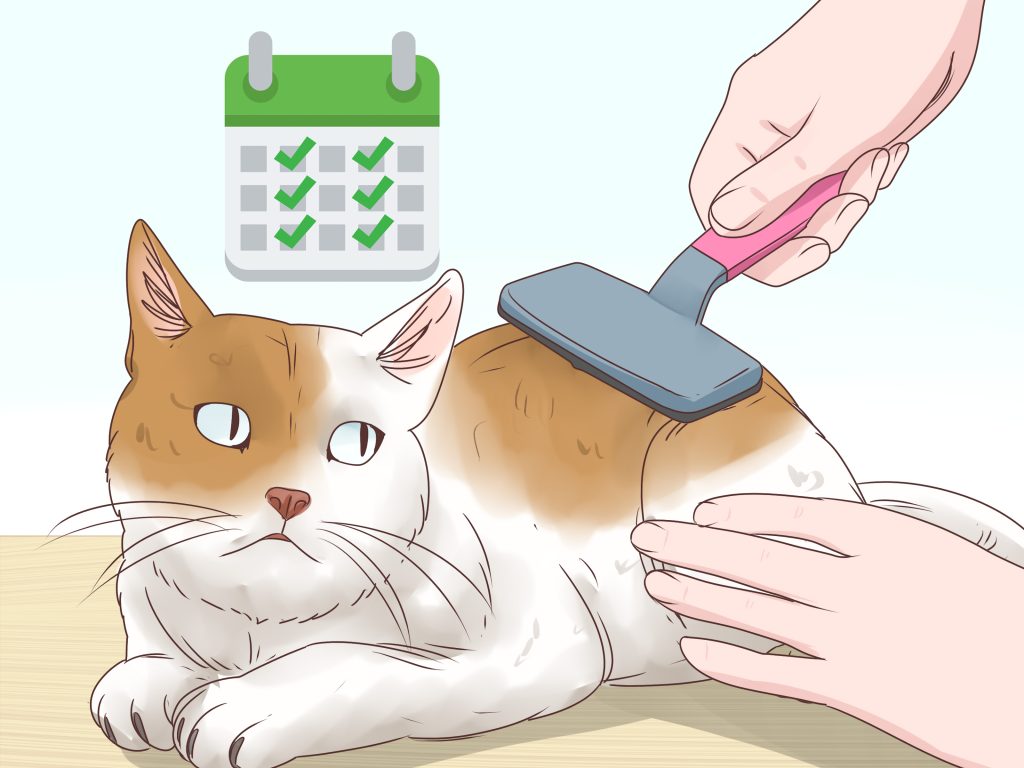
Cats need regular grooming to reduce hairballs. Brushing removes loose fur before it’s swallowed, which helps prevent issues. Consistent grooming also keeps their coat healthy and reduces shedding, making them more comfortable.
Regular grooming is a vital part of helping your cat manage hairballs. By routinely tending to your cat’s coat, you can significantly reduce the amount of loose fur they might ingest. This practice not only minimizes hairballs but also strengthens your bond with your feline friend. Dive into these grooming techniques to keep your cat comfortable and your home hairball-free.Benefits Of Brushing
Brushing your cat regularly offers numerous benefits. It helps remove loose fur before your cat has a chance to ingest it while grooming themselves. This simple act can drastically cut down on hairballs. Moreover, brushing stimulates your cat’s skin and encourages a healthy coat. It distributes natural oils, making their fur shine. Plus, it gives you an opportunity to check for any skin issues or pests that might need attention.Using Grooming Tools
Selecting the right grooming tools can make a world of difference. A slicker brush is great for cats with long hair, as it effectively detangles and removes excess fur. For short-haired cats, a rubber grooming mitt can be just as effective, and they often enjoy the massaging sensation. Consider investing in a de-shedding tool if your cat is prone to heavy shedding. These tools reach under the topcoat to remove loose fur that regular brushes might miss. Always remember to be gentle; you want grooming to be a pleasant experience for your cat. Regular grooming not only prevents hairballs but also provides a chance to bond with your cat. Have you noticed your cat purring while you brush them? That’s their way of thanking you for a job well done!Cat-friendly Hairball Remedies
Hairballs are common in cats, causing discomfort and irritation. Finding effective remedies can improve your cat’s health and happiness. Fortunately, there are several cat-friendly solutions for dealing with hairballs. These remedies range from natural solutions to over-the-counter options. Each offers unique benefits for your feline friend. Understanding these can help you choose the best method.
Natural Solutions
Nature provides gentle ways to manage hairballs. Regular grooming can reduce loose fur. Brush your cat often to prevent excess shedding. This minimizes the amount of hair swallowed during self-grooming. Olive oil is another natural remedy. Add a small amount to your cat’s food. It helps smoothen the digestive tract, easing hairball passage.
Fiber-rich foods can also aid digestion. Pumpkin is a favorite among cat owners. It boosts fiber intake, helping hair move through the system. Fresh water is crucial, too. Ensure your cat drinks enough daily. Hydration keeps the digestive tract active and healthy.
Over-the-counter Options
Many pet stores offer products designed for hairball relief. Hairball gels are popular. They lubricate the digestive tract, helping hairballs pass easily. Look for gels with natural ingredients. These tend to be gentler on your cat’s stomach.
Special hairball control cat food is available. These foods contain fiber and nutrients that support digestion. They can reduce hairball formation over time. Consult your vet to find the best option for your cat’s needs.
Hairball treats are another choice. They are tasty and often have added fiber. They can be a fun and effective way to manage hairballs.
Environmental Changes
Hairballs are a common issue for cats. Environmental changes can help reduce their occurrence. Cats are sensitive to their surroundings. A calming environment can minimize stress and hairball formation.
Reducing Stress Factors
Cats often react to stress. Stress can increase hairball issues. Identify what stresses your cat. Loud noises, changes in routine, or new pets might cause stress. Remove or reduce these stressors. A calmer cat means fewer hairballs.
Creating A Comfortable Space
Cats need a safe, cozy space. Ensure your cat has a quiet area. Soft bedding and familiar scents help. This space should be away from busy areas. A comfortable environment reduces anxiety. It also supports healthy grooming habits.
Monitoring And Prevention
Cats often struggle with hairballs due to grooming. Regular brushing helps remove loose fur, reducing hairball formation. Offering specialized diets can also improve digestion and minimize hairball issues.
Hairballs are a common issue for cat owners, often leading to messy situations and discomfort for your feline friend. By focusing on monitoring and prevention, you can significantly reduce the occurrence of hairballs and ensure your cat remains happy and healthy. This proactive approach not only keeps your home cleaner but also alleviates stress for both you and your cat.Routine Health Checks
Routine health checks are essential for catching any potential health issues early on, including those related to hairballs. Regular vet visits help ensure your cat’s digestive system is functioning properly. During these visits, ask your vet to check for signs of excessive grooming or any digestive blockages. Keeping an eye on your cat’s behavior can also provide clues. If your cat starts coughing more often or seems uncomfortable, it might be time for a vet check-up.Preventive Measures
Preventive measures play a crucial role in minimizing hairball occurrences. Start with regular grooming, especially if your cat has long fur. A few minutes a day with a brush can make a huge difference by reducing the amount of loose hair your cat ingests. Consider your cat’s diet as well. Special hairball control foods are available that can help move hair through the digestive system more efficiently. Hydration is another key factor; ensure your cat always has access to fresh water, as this aids digestion. Have you thought about playtime? Engaging your cat in regular play not only keeps them active but also diverts them from excessive grooming. It’s a win-win situation for both of you. By keeping a close eye and taking preventive actions, you can help your cat lead a more comfortable, hairball-free life. How are you planning to tackle hairballs with your cat?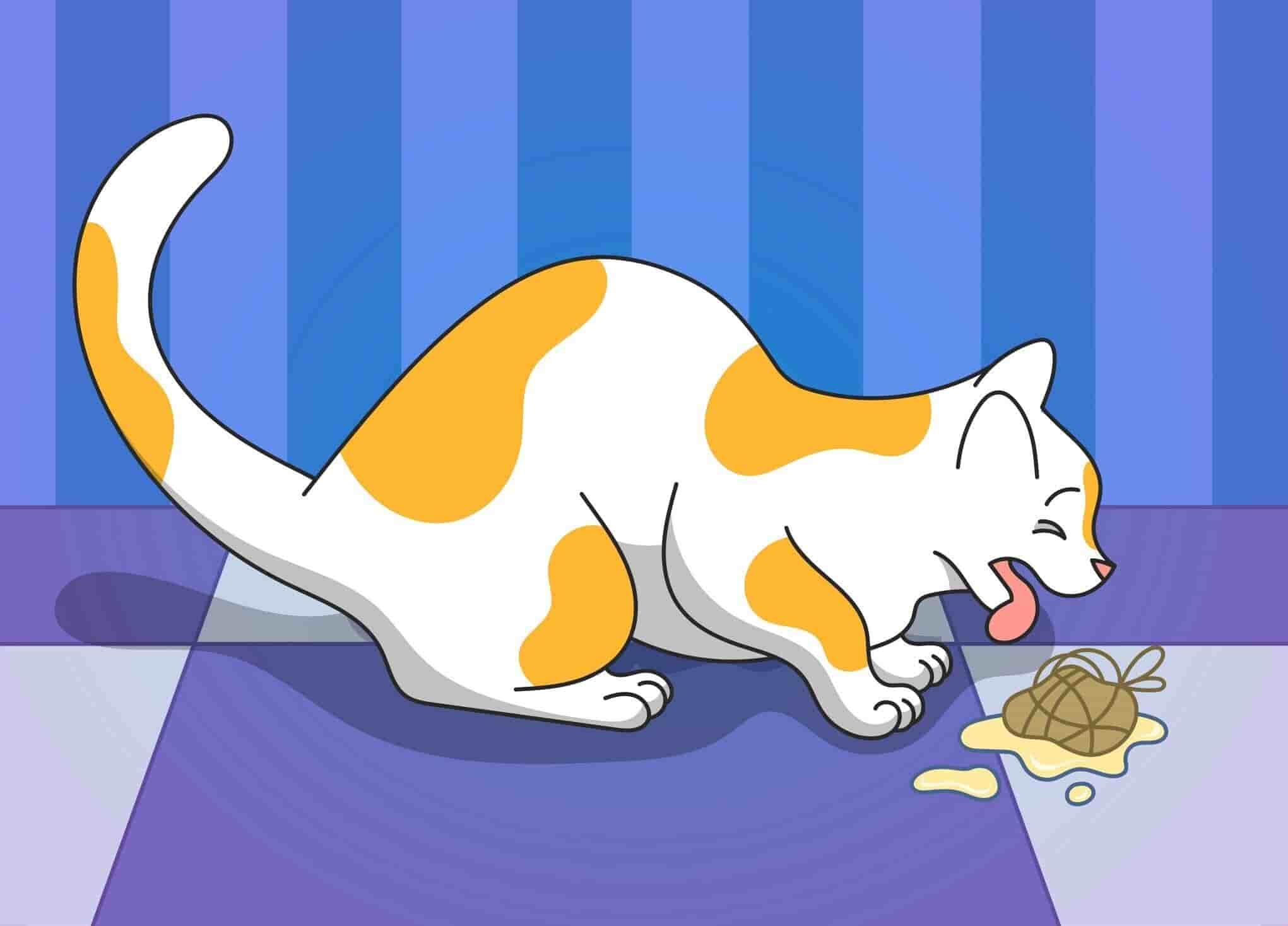
Credit: petcube.com
Credit: smallpetselect.com
Frequently Asked Questions
How Do I Help My Cat Pass A Hairball?
Brush your cat regularly to reduce loose fur. Provide a high-fiber diet or hairball control treats. Ensure hydration by offering fresh water. Encourage play and exercise to aid digestion. Consult a vet for persistent issues.
What Happens If A Cat Can’t Cough Up A Hairball?
A cat unable to cough up a hairball may experience digestive blockages. Symptoms include vomiting, loss of appetite, and lethargy. Prompt veterinary attention is necessary to prevent complications. Ensure regular grooming to minimize hairball formation.
How Can I Help My Cat Get A Hairball Out Of Her Throat?
Encourage your cat to drink water to help dislodge the hairball. Offer wet food to add moisture. Brush your cat regularly to reduce hairball formation. Provide cat-friendly hairball remedies or treats to ease passage. Consult a vet if the problem persists or if your cat shows signs of distress.
How Do I Know If My Cat Has A Hairball Stuck?
Watch for coughing, gagging, or retching without producing a hairball. Reduced appetite and lethargy are warning signs. Frequent vomiting or constipation may indicate a blockage. Consult a vet if symptoms persist.
Conclusion
Helping your cat with hairballs is essential for their health. Regular grooming can reduce hair ingestion. A balanced diet with fiber aids digestion. Special treats and supplements can also help. Ensure your cat stays hydrated. Fresh water is vital for their wellbeing.
Always monitor their behavior and consult a vet if needed. Hairballs are common but manageable. With attention and care, your cat will feel better. Enjoy a happier, healthier pet. Remember, small changes make a big difference. Your furry friend deserves the best care.