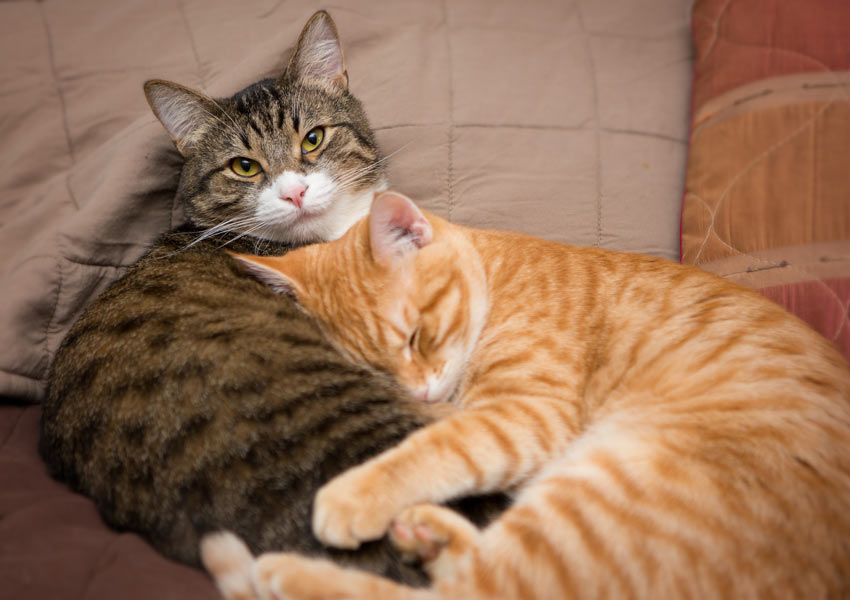
Are you contemplating the idea of adding a furry friend or two to your family, but can’t decide on the best gender combination for your cats? You’re not alone.
Choosing the right mix of male and female cats can make a significant difference in how well they get along and how harmonious your home will be. The dynamic between cats can be as unpredictable as it is delightful, and understanding the nuances of gender combinations can help you create a loving and peaceful environment for both you and your feline companions.
We’ll delve into the intriguing world of cat gender dynamics, offering insights and tips to help you make the best choice. Ready to discover what combination will bring the most joy to your home? Let’s find out.
Understanding Cat Gender Differences
Choosing the best gender combination for cats depends on personality and compatibility. Male and female pairs often coexist peacefully. Meanwhile, same-gender pairs might face dominance issues but can work well with proper introduction and socialization.
Understanding the gender differences in cats can be crucial for making an informed decision when choosing the best companions for your home. Cats, much like humans, have distinctive traits based on their gender that can affect their behavior and interaction with each other. This understanding can help you tailor your home environment to meet their needs and ensure harmony between them.Understanding Male Cat Behavior
Male cats are often considered to be more outgoing and sociable. They tend to be more adventurous, which might lead to amusing escapades around your house. If you love a cat with a bold personality, a male cat might be your ideal choice. However, male cats can be territorial. This can sometimes result in aggressive behavior, especially if they feel their space is threatened. Neutering can help mitigate these issues, making them more relaxed and less aggressive.Female Cat Characteristics
Female cats are typically more reserved, offering a quieter presence in your home. They may not demand as much attention, making them perfect if you prefer a more peaceful and independent pet. Females are often more nurturing and may exhibit motherly instincts. If you have children or other pets, a female cat might be a gentle addition to your household.How Gender Affects Cat Compatibility
When choosing multiple cats, gender combinations can play a significant role in ensuring harmony. Male and female pairs often balance each other well, creating a dynamic where each cat’s strengths complement the other’s weaknesses. Two male cats may compete for dominance, potentially leading to conflicts. On the other hand, two females might maintain a quieter coexistence, though this isn’t guaranteed.Personal Experience: Gender Dynamics In My Home
In my own experience, having a male and female cat brought balance to my home. The male’s playful antics kept us entertained, while the female’s calm demeanor provided a soothing presence. This combination worked well for our family, offering the best of both worlds. But what suits my family might not suit yours. Consider your lifestyle and what you hope to gain from your feline friends.Choosing The Right Combination For Your Home
Think about your expectations. Do you want lively companionship or a tranquil vibe? Are you prepared to manage potential territorial disputes? Understanding these gender differences will guide you in making the best choice. Remember, each cat is unique, and while gender provides some insight, individual personality and how you nurture them play a significant role. Ultimately, ask yourself: What kind of energy do I want in my home?
Credit: karenshanley.com
Male Cats: Traits And Behaviors
Male cats often display territorial behaviors and have a playful nature. Pairing a male with a female can balance energies. Two males might lead to dominance challenges, while two females often coexist peacefully.
Male cats display unique traits and behaviors. These characteristics make them intriguing pets. Understanding these traits helps in deciding the best cat combination. Male cats often exhibit distinct social and territorial behaviors. Knowing their health considerations is also crucial. This section explores these aspects in detail.Social Interaction Patterns
Male cats tend to be more social. They often enjoy human interaction. They may follow you around the house. Some male cats are lap lovers. They like to curl up with their owners. Male cats can be playful and entertaining. Their social nature often means they get along with other pets. This makes them good companions in multi-pet households.Territorial Tendencies
Male cats can be territorial. They mark their space with scent. This behavior is common among unneutered males. Neutering can reduce marking tendencies. Male cats may assert dominance over territory. This can lead to conflicts with other cats. Understanding this helps in managing their environment. Providing enough space can reduce territorial disputes.Health Considerations
Male cats have specific health needs. Neutering is a common procedure. It helps prevent unwanted behaviors. Neutering can also reduce health risks. Male cats are prone to urinary tract issues. Proper diet can help manage these risks. Regular vet visits ensure their health stays optimal. Knowing these considerations ensures a healthy life for your male cat.Female Cats: Traits And Behaviors
Female cats often show independence and gentle affection. They can be territorial, especially with other females. Mixing genders, like pairing a female with a male, often leads to balanced interactions. This combination reduces territorial disputes and enhances harmonious living.
Female cats are fascinating creatures with unique traits and behaviors that set them apart from their male counterparts. From their social interaction patterns to their territorial tendencies, understanding female cats can help you build a harmonious home for your feline friends. Let’s dive into what makes female cats tick.Social Interaction Patterns
Female cats often exhibit distinct social behaviors. They are typically more independent than males, sometimes preferring solitude or selective companionship. Yet, they can form strong bonds with humans and other pets. Have you ever noticed how your female cat interacts with others? You might find that she initiates play or grooming sessions, demonstrating her nurturing side. These interactions can be subtle but are crucial for building trust and friendship.Territorial Tendencies
Female cats can be territorial, marking their space with scent glands around their face and paws. It’s not uncommon for them to have a favorite spot in the house where they feel safe and in control. How does your female cat claim her territory? She might rub against furniture or objects to leave her scent, signaling ownership and comfort. Respecting her space can lead to a more peaceful coexistence.Health Considerations
Female cats have specific health needs that require attention. Spaying is essential to prevent unwanted pregnancies and reduce the risk of certain cancers. Moreover, female cats might be prone to urinary tract infections, especially if they’re stressed or have dietary issues. Regular vet check-ups and a balanced diet can help maintain their well-being. Are you aware of your cat’s health signals? Monitoring her behavior for signs of discomfort can be a lifesaver. Understanding the traits and behaviors of female cats can enrich your experience as a cat owner, creating a harmonious environment. What insights have you gained from observing your female cat?
Credit: www.omlet.us
Mixed Gender Cat Household
Choosing the right gender mix for cats can ease household harmony. Male cats often bond well with females, creating balanced dynamics. Mixed gender pairs may reduce territorial conflicts, fostering a peaceful environment.
Having a mixed gender cat household can be a delightful experience. It offers the opportunity to observe diverse interactions and personalities. But how do male and female cats get along? Let’s explore some key factors to consider when creating a harmonious environment for your feline friends.Compatibility Factors
When introducing cats of different genders, consider their personalities. Some cats are more social and adaptable, while others are territorial and may take time to adjust. Assess your cats’ temperaments to ensure they will get along. Age can influence compatibility. A mature cat might not appreciate a playful kitten’s antics. Pairing cats of similar energy levels can lead to smoother interactions.Behavioral Dynamics
Mixed gender households can lead to unique behavioral dynamics. Male cats often engage in rough play, while females may exhibit more nurturing behaviors. This can balance out social interactions, making for a lively but harmonious home. Observe how your cats communicate. Body language, such as tail positions and ear movements, can indicate comfort or stress levels. Being attentive helps you intervene if tensions rise.Health And Wellness
Spaying and neutering are crucial in mixed gender households. This prevents unwanted litters and reduces aggressive behaviors. It also contributes to the overall health and well-being of your cats. Regular vet check-ups are essential. Monitor your cats for any signs of stress or illness, as these can affect their interactions. A healthy cat is more likely to be a happy and sociable companion. Have you noticed how cats of different genders play differently? Observing these behaviors can offer insight into their personalities. How do you manage the dynamics in your mixed gender cat household?Expert Insights On Gender Pairing
Choosing the right gender combination for cats can be tricky. Experts provide valuable insights to help make informed decisions. Understanding their perspectives can improve harmony among feline companions.
Veterinarian Perspectives
Veterinarians suggest considering age and temperament first. Male and female cats can coexist peacefully. Spaying and neutering often reduce territorial behavior. This makes gender pairing less critical. Health checks ensure both cats are ready for companionship.
Animal Behaviorist Views
Animal behaviorists focus on personality traits over gender. Bonding depends more on individual behavior. Some cats prefer same-gender mates for companionship. Others thrive with opposite-gender partners. Observing interactions helps determine the best match.
Successful Pairing Stories
Many pet owners share positive experiences with mixed-gender pairs. One story involves a calm male cat and a playful female. Their personalities complement each other beautifully. Another example highlights two female cats forming a strong sisterly bond. These stories show gender is not the sole factor in successful cat pairing.

Credit: m.facebook.com
Tips For Choosing Cat Gender
Choosing the right gender combination for your cats can feel like a big decision. Each gender comes with its own set of traits and behaviors. To make an informed choice, consider your lifestyle, space, and personal preferences. Let’s dive into some practical tips to guide you in choosing the best gender combination for your feline friends.
Lifestyle Considerations
Your lifestyle plays a significant role in deciding the gender of your cats. Male cats are often more social and playful, making them great for active households. On the other hand, female cats might be more independent, which could suit a quieter lifestyle.
Consider how much time you spend at home. If you travel often or work long hours, a pair of female cats might entertain themselves better. However, if you enjoy a lively household, a male and female pair could bring balance and fun.
Space And Environment
The size of your living space can also influence your decision. Male cats are typically larger and may require more room. If you live in a smaller apartment, two females might be more manageable.
Think about your home’s environment too. Is it a bustling place with lots of activity or a serene retreat? A mix of genders could adapt well in either scenario, but ensure you have enough resources like litter boxes and scratching posts to accommodate them.
Personal Preferences
Your personal preferences should not be overlooked. Do you have a soft spot for the playful antics of male cats or the calm demeanor of females? Reflect on what kind of interaction you enjoy with your pets.
Have you had positive experiences with a particular gender before? This might guide your decision. Ultimately, trust your instincts and choose cats that you feel will fit harmoniously into your life.
Have you ever wondered how your choice could affect the dynamic in your home? Remember, the right combination is one that aligns with your lifestyle, space, and heart. What matters most is the bond you’ll form with your feline companions.
Frequently Asked Questions
Is It Better To Have A Male And Female Cat Together?
Having a male and female cat together can work well if both are neutered or spayed. This helps prevent territorial issues and unwanted litters. Cats with compatible personalities often form strong bonds, regardless of gender. Monitor their interactions to ensure a harmonious relationship.
What Gender Is Best For A Cat?
There is no best gender for a cat; it depends on personal preference. Male cats are often more social, while females can be more independent. Consider personality traits and lifestyle when choosing. Both genders make excellent pets.
What Gender Should My Two Cats Be?
Choose two cats of the same gender to reduce territorial issues. Male cats might be more playful; females often bond well. Consider personalities over gender for a harmonious pairing. Ensure both are neutered or spayed to prevent unwanted behavior and health issues.
What Is The 3-3-3 Rule For Cats?
The 3-3-3 rule for cats refers to their adjustment period in a new home. It takes roughly three days to feel less scared, three weeks to start settling in, and three months to feel completely comfortable and secure in their new environment.
Conclusion
Choosing the right cat gender combination is important. It affects harmony at home. Male and female cats often get along. They balance each other’s energy. Two males might compete. Two females can become best friends. Always consider personality, not just gender.
Each cat is unique. Spend time understanding them. This helps in making the best choice. Your home will be peaceful. And your cats will be happier. A happy cat means a happy owner. Enjoy your time with your furry friends.