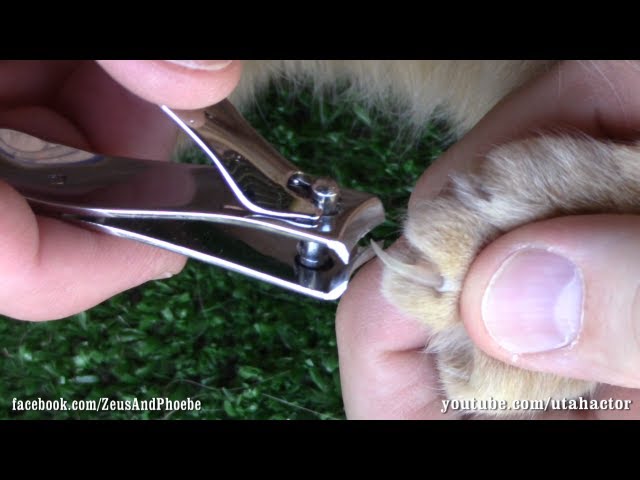
Are you tired of those tiny yet sharp claws leaving scratches on your skin and furniture? If you’ve ever wondered, “Can I clip my cat’s nails with nail clippers?”
You’re not alone. As a caring cat owner, you want to ensure your feline friend is comfortable and safe, while also keeping your home scratch-free. But, is it safe and effective to use regular nail clippers on your cat’s nails?
The answer isn’t as straightforward as you might think. Dive into this article to uncover the secrets of safely trimming your cat’s nails, learn expert tips, and discover the best tools for the job. Your cat’s comfort and your peace of mind are just a few paragraphs away. Keep reading to find out how you can make nail trimming a stress-free experience for both you and your furry companion.

Credit: www.youtube.com
Why Trim Your Cat’s Nails
Keeping your cat’s nails trimmed prevents damage to furniture and reduces scratches. Using regular nail clippers is safe and effective. Trim gently to avoid cutting too close to the quick, ensuring your cat’s comfort.
Trimming your cat’s nails might seem daunting, but it’s essential for their well-being and your peace of mind. Cats are known for their sharp claws, which they use for climbing, scratching, and hunting. Regular nail trimming can prevent potential injuries to both your pet and your home. It also keeps your cat comfortable as overgrown nails can lead to pain or infection.Why Trim Your Cat’s Nails?
Regular nail trimming is not just a grooming habit but a preventive measure. Long nails can easily get snagged on carpets or furniture, causing discomfort or injury to your cat. Imagine your cat trying to climb or scratch with nails too long; it can be painful and frustrating for them. Another reason to keep those nails in check is the protection of your belongings. If you’ve ever experienced the surprise of finding your favorite couch or curtains shredded, you know the importance of this task. Cats naturally scratch to mark territory or for exercise, but regular trims can reduce the damage. Moreover, maintaining your cat’s nails can improve their overall health. Overgrown nails may curl back into the paw pad, leading to infection. Keeping nails trimmed ensures they can walk comfortably, reducing stress on their paws and joints. Have you ever thought about how trimming your cat’s nails can strengthen your bond with them? Regular grooming sessions can become a time of connection, especially if you approach them calmly and patiently. Your cat might resist at first, but with gentle persistence, they may come to enjoy the attention. So, have you been checking your cat’s nails lately? If not, it’s time to consider making it a regular part of your routine. Your cat will thank you, and you’ll appreciate a home free from unexpected claw marks. Plus, it’s a small effort for a happier, healthier pet.
Credit: www.facebook.com
Choosing The Right Clippers
Trimming cat nails with regular nail clippers is possible, but specialized cat clippers are safer. They reduce the risk of splitting or crushing the nails. Proper tools ensure a gentle and stress-free experience for your furry friend.
Choosing the right clippers for your cat’s nails is crucial. The right tool ensures a safe and stress-free experience. Not all clippers are the same. Some offer better control, while others may suit specific cat sizes. Understanding the differences will help you make an informed choice. Let’s explore the various types of nail clippers available and weigh their pros and cons.Types Of Nail Clippers
Cat nail clippers come in different forms. The most common types are scissor-style, guillotine-style, and electric clippers. Each has unique features and benefits. Scissor-style clippers resemble small scissors. Guillotine-style clippers have a hole where the nail fits. Electric clippers use a motor to trim the nails.Pros And Cons Of Each Type
Scissor-style clippers are user-friendly. They offer a good grip and control. Suitable for cats with small to medium nails. On the downside, they might struggle with thicker nails. Guillotine-style clippers are ideal for thicker nails. They provide a clean cut with minimal effort. Some find them harder to control, though. They require precise positioning of the nail. Electric clippers are convenient and efficient. They are less likely to cause splits. The noise might scare some cats. Also, they require batteries or charging. Choosing the right clipper depends on your cat’s needs. Consider nail thickness, your comfort, and ease of use.Preparing Your Cat
Preparing your cat for nail clipping is crucial for a smooth experience. Cats can be sensitive to this process, making preparation essential. With the right steps, you can make nail clipping less stressful for both you and your cat.
Calming Techniques
Use calming techniques to relax your cat. Start with gentle petting to soothe them. Speak softly to reassure your cat. Some cats respond well to music or soft sounds. Playing relaxing music can help ease their nerves. You can also try using a pheromone spray designed for cats. These sprays mimic calming scents that can reduce anxiety.
Setting The Environment
Create a peaceful environment for nail clipping. Choose a quiet room with few distractions. Ensure the area is well-lit for visibility. Gather all necessary tools beforehand. This includes nail clippers, a towel, and treats. Consider using a towel to wrap your cat gently. This can help keep them calm and still. Provide treats as a reward after the session. Positive reinforcement encourages good behavior.
Step-by-step Clipping Guide
Clipping your cat’s nails might seem daunting. But with the right guide, it’s simple. This step-by-step guide will help you clip your cat’s nails with ease. Follow these steps to ensure a safe and stress-free experience for both you and your feline friend.
Positioning Your Cat
Start by placing your cat in a comfortable position. Find a quiet spot with minimal distractions. Some cats prefer to sit on your lap or a soft surface. Use a gentle touch to reassure them. Speak softly to calm your cat. You might need help if your cat is squirmy.
Identifying The Quick
Look closely at your cat’s nails. The quick is the pink part inside. It contains nerves and blood vessels. Avoid cutting into the quick, as it can hurt and bleed. In cats with dark nails, the quick is harder to see. Trim a small bit at a time if unsure.
Proper Cutting Technique
Use a pair of sharp nail clippers designed for pets. Hold the paw firmly but gently. Cut the nail at a slight angle. Trim the tip of the nail only. Avoid cutting too close to the quick. Take breaks if your cat becomes anxious. Reward your cat with treats after each session.
Troubleshooting Common Issues
Clipping your cat’s nails with regular nail clippers is possible. Ensure the clippers are clean and sharp. Hold your cat gently to avoid stress.
Clipping your cat’s nails might seem daunting, but with patience and the right approach, it’s entirely manageable. However, you might encounter some hurdles along the way. Whether it’s dealing with a jittery feline or ensuring a smooth clipping session without mishaps, being prepared can make all the difference. Let’s dive into some common issues and how to tackle them effectively.Handling Nervous Cats
A nervous cat can turn nail clipping into a stressful experience for both of you. Start by acclimating your cat to the clippers. Let them sniff and examine the tool while you offer treats. Gradually touch their paws without clipping. Repeat this process until they seem comfortable. Consistency and patience are key. If your cat is especially skittish, try clipping after playtime when they’re more relaxed. Soft music or pheromone sprays can also help create a calming environment.Avoiding Injuries
Injuries during nail clipping can occur, but they are preventable with careful attention. Always use pet-specific clippers. These are designed for your cat’s nails and help avoid accidental cuts. When clipping, keep an eye on the quick—the pink part inside the nail. Cutting into the quick can cause bleeding and pain. Trim small amounts at a time and stop if you’re uncertain. Have styptic powder or cornstarch ready. If you accidentally cut the quick, apply it to stop the bleeding. Stay calm and reassure your cat. This will help reduce their stress if an injury happens. Troubleshooting these issues might seem like a lot, but the rewards of a content, well-groomed cat are worth the effort. What strategies do you use to ensure a smooth nail clipping session? Your experiences could help another cat owner facing the same challenges.Alternatives To Clipping
Trimming cat nails with regular nail clippers is possible but not ideal. Consider alternatives like cat-specific nail clippers or grinders. These tools can help ensure a safer, more comfortable experience for your feline friend.
Are you worried about clipping your cat’s nails and possibly hurting them? You’re not alone. Many cat owners hesitate when it comes to nail care. Fortunately, there are alternatives that can help you keep your feline friend comfortable and safe. Let’s dive into some practical options.Professional Grooming
Consider taking your cat to a professional groomer. They are trained to handle cats of all temperaments. Your cat will get expert care without the stress of at-home clipping. Professional groomers have the right tools and techniques. They know how to keep your cat calm and comfortable. This can make the experience stress-free for both of you. But, is this the right option for you? Think about your budget and your cat’s comfort level with travel. If frequent trips to the groomer aren’t feasible, there are other alternatives to explore.Nail Grinding Tools
Nail grinding tools are an excellent alternative to traditional clippers. They are designed to file down the nail slowly, reducing the risk of cutting too deep. This can be a safer option for both you and your cat. These tools often come with various speed settings. This allows you to adjust based on your cat’s comfort level. Do you have a cat that gets easily startled? Start with the lowest setting and gradually increase as your cat gets used to the sensation. If you’re worried about noise, look for a grinding tool that operates quietly. This can help make the process less intimidating for your pet. Keep in mind, patience is key. Allow your cat to sniff and explore the tool before using it. Choosing the right method for your cat’s nail care is important. It ensures their well-being and your peace of mind. So, which alternative will you try first?Expert Tips For Success
Trimming a cat’s nails with clippers is possible, but requires care. Gently hold the paw and trim the sharp tips. Avoid cutting too close to the pink area to prevent pain.
Clipping your cat’s nails can be a daunting task. Yet, with the right approach, it becomes manageable. Understanding the nuances of this process is crucial. Proper techniques ensure both you and your cat remain stress-free. Here, we share expert tips for success.Consistency Is Key
Regular nail trimming sessions help your cat get used to the process. Try setting a schedule. Weekly or bi-weekly is often best. Routine builds trust and familiarity. Your cat will know what to expect. This lessens their anxiety over time. Stay calm and patient during each session.Rewards And Positive Reinforcement
Praise your cat during nail trimming. Offer treats as a reward. Positive reinforcement can change their perspective. They start associating trimming with good experiences. Use treats your cat loves. This makes the process enjoyable for them. Be generous with affection and verbal praise. Your cat will appreciate it.
Credit: www.wikihow.com
Frequently Asked Questions
Can I Use Regular Nail Clippers To Cut Cat Nails?
Yes, you can use regular nail clippers for cat nails. Ensure they’re sharp and clean for safety. Clippers designed for pets are often better suited. Trim carefully to avoid cutting the quick, which can cause pain and bleeding. Regular trimming helps maintain your cat’s paw health.
What Is The Safest Way To Trim Cat Nails?
Use a calm environment and cat-specific clippers. Gently hold the paw, extend the nail, and trim the tip. Avoid the quick to prevent pain. Offer treats for positive reinforcement. Regular trimming ensures safety and comfort.
Do Cats Feel Better After Nails Clipped?
Clipping cat nails can prevent discomfort and injury. It helps them walk and move without pain. Regular nail trims reduce the risk of snagging or breaking nails, promoting overall well-being. Cats often feel more comfortable and relaxed after their nails are trimmed.
How Often Should I Trim Indoor Cat Nails?
Trim indoor cat nails every 1-2 weeks. Regular trimming prevents discomfort and potential damage to furniture. Monitor nail length to adjust frequency accordingly.
Conclusion
Clipping your cat’s nails is possible with nail clippers. It requires patience and care. Start slowly if your cat is nervous. Use gentle pressure and clip only the sharp tip. Regular trimming helps prevent scratches. It also protects furniture from damage.
A calm environment is key. Reward your cat with treats after clipping. Consult a vet if you’re unsure or need help. Keep nail clippers clean and safe. Practice makes perfect for both you and your cat. Remember, healthy nails mean a happy cat.
Take your time, and enjoy the bonding moments.