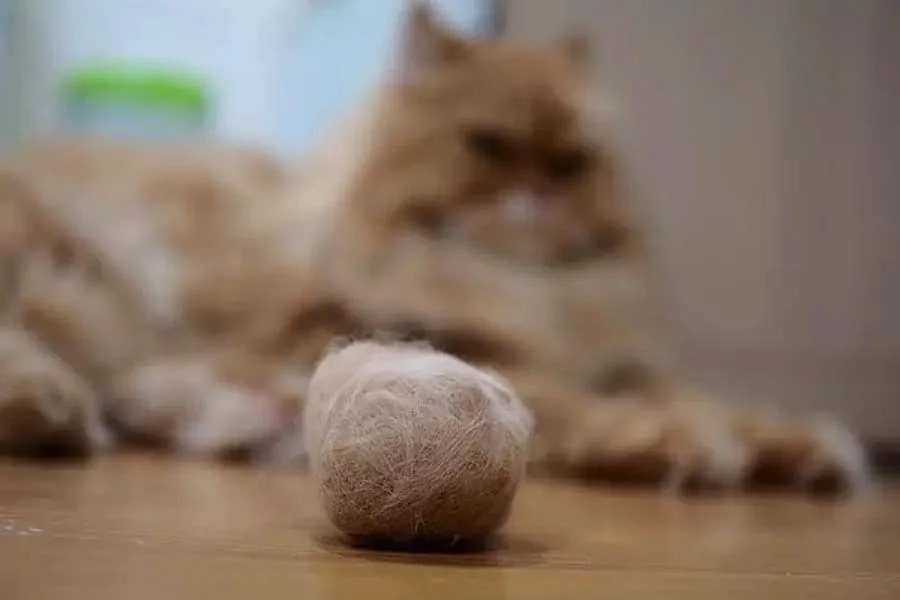
Have you noticed your cat coughing, gagging, or retching more often than usual? These sounds are not just alarming; they’re likely signs of hairballs.
As a caring cat owner, you want to ensure your feline friend is comfortable and healthy. Hairballs are a common issue, but they don’t have to be a constant worry. You’ll discover simple, effective ways to help your cat manage and reduce hairballs.
By understanding what’s causing them and how you can help, you’ll not only improve your cat’s well-being but also strengthen the bond you share. Keep reading to uncover practical tips that will make both you and your cat breathe a little easier.
Causes Of Hairballs
Hairballs are a common issue for cat owners. Understanding their causes can help prevent them. Cats naturally groom themselves, which often leads to hairballs. Several factors contribute to this problem. Let’s explore some of these causes.
Natural Grooming Behavior
Cats clean themselves by licking their fur. This is a natural behavior. Their tongues have tiny hooks that catch loose fur. While grooming, they swallow some of this fur. Most of it passes through their digestive system. But some stays in their stomach, forming a hairball.
Types Of Cat Coats
Different cats have different coats. Long-haired breeds like Persians shed more fur. This makes them more prone to hairballs. Short-haired cats also groom themselves. But they usually swallow less hair. Knowing your cat’s coat type helps manage hairball risks.
Digestive System Factors
A cat’s digestive system affects hairball formation. Healthy digestion helps pass fur through their system. Cats with digestive issues may struggle with this. They might form hairballs more often. Ensuring your cat’s digestive health is important. It can reduce hairball occurrences.
Symptoms Of Hairballs
Cats may show symptoms like frequent coughing and gagging due to hairballs. Loss of appetite and constipation can also occur. Recognizing these signs helps you assist your cat effectively.
Cats are known for their grooming habits. This often leads to hairballs. Understanding the symptoms can help you assist your feline friend.Coughing And Gagging
Your cat might cough or gag frequently. This is a common sign of hairballs. It happens because cats try to expel the hairball. Listen for sounds that resemble a dry cough. It’s their way of trying to get rid of the hairball.Vomiting Episodes
Cats may vomit when dealing with hairballs. You might notice your cat throwing up partially digested food. Sometimes, the hairball itself is expelled. This is a clear sign that your cat has a hairball issue.Loss Of Appetite
A sudden loss of appetite can be concerning. Hairballs can cause discomfort in a cat’s stomach. This discomfort may lead to less interest in food. Monitor your cat’s eating habits closely. `Preventive Measures
Hairballs can be a common issue for many cats. Preventive measures can help ease this problem significantly. Implementing simple practices can make a big difference in your cat’s comfort. These include regular grooming, dietary adjustments, and ensuring proper hydration.
Regular Grooming
Brushing your cat often reduces loose hair. This decreases the amount they swallow during grooming. Use a brush suited for your cat’s fur type. Short-haired cats require less frequent brushing than long-haired breeds. Make grooming a bonding time. Cats often enjoy the attention and feel relaxed.
Dietary Adjustments
Include fiber-rich foods in your cat’s diet. Fiber aids in moving swallowed hair through the digestive system. Some cat foods are formulated to minimize hairball formation. Consult your vet for recommendations. They can suggest the best options for your cat’s needs.
Hydration Importance
Ensure your cat drinks enough water. Hydration supports healthy digestion and helps hair pass smoothly. Fresh water should always be available. Consider using a cat water fountain. Many cats find running water more appealing. Wet food can also increase your cat’s fluid intake.
Credit: plantcityanimalhospital.com
Effective Remedies
Dealing with hairballs is a common challenge for cat owners. These pesky bundles of fur can cause discomfort and even health issues for your feline friend. Fortunately, there are effective remedies to help you manage this problem. Let’s dive into some practical solutions that can make a difference.
Fiber Supplements
Adding fiber to your cat’s diet can work wonders. Fiber helps move hair through the digestive system, reducing the chance of hairballs forming. You might find fiber supplements at your local pet store or consult your vet for recommendations. Remember the time when I started mixing a bit of pumpkin puree into my cat’s food? It not only helped with hairballs but also improved her digestion. Have you tried adding fiber to your cat’s meals yet?
Hairball Control Products
Specially formulated hairball control products can be a lifesaver. These products often come in the form of treats or gel that your cat can easily consume. They are designed to lubricate the digestive tract, helping hair pass through smoothly. My cat had a soft spot for hairball control treats, and I noticed a significant reduction in hairball incidents. Would your cat enjoy a tasty treat that also keeps them healthy?
Natural Home Solutions
Embrace simplicity with natural home remedies. A small amount of olive oil or butter can be mixed into your cat’s food. These ingredients can help lubricate the digestive system, aiding in the passage of hair. I once tried adding olive oil to my cat’s diet, and she loved it! Have you considered natural options that might be sitting in your kitchen? Experimenting with these can be both fun and beneficial for your pet.
Hairballs are a common issue, but with the right approach, you can help your cat live more comfortably. Choose remedies that suit your lifestyle and your cat’s preferences, and enjoy watching your furry friend thrive. What solutions have you found most effective in keeping hairballs at bay?
When To Consult A Vet
Consult a vet if your cat frequently struggles with hairballs, impacting its appetite or causing vomiting. Professional advice is crucial when simple remedies like diet change or grooming don’t help. Addressing hairball issues early can ensure your cat’s health and comfort.
When your cat struggles with hairballs, it’s important to know when a vet’s help is needed. Hairballs are common, but sometimes they signal bigger problems. Knowing when to seek professional advice can protect your cat’s health. This section guides you on spotting warning signs and understanding potential complications.Persistent Symptoms
Hairballs should not cause constant distress. If your cat coughs or gags repeatedly, it might be time for a vet visit. Continuous vomiting or lack of appetite also needs attention. These symptoms could indicate a serious underlying issue. Don’t wait too long.Complications
Hairballs can lead to blockages. This is dangerous and may require urgent care. Watch for signs like lethargy or abdominal pain. If your cat strains to defecate, it could be a blockage. These situations are critical and need a vet’s expertise.Professional Treatments
A vet can offer solutions beyond home remedies. They might suggest medications to ease digestion. Surgical intervention is rare but sometimes necessary. Regular check-ups can prevent severe hairball issues. Keeping your cat healthy is the goal.
Credit: www.wikihow.com
Long-term Care Strategies
Helping your cat with hairballs involves consistent care and attention. Long-term strategies can make a big difference. Consider these approaches to keep your feline healthy and comfortable.
Routine Check-ups
Regular vet visits are essential. They help detect issues early. Discuss hairball concerns with your vet. They might suggest special treatments or diets. Routine check-ups keep your cat’s health on track.
Monitoring Dietary Changes
Diet plays a key role in managing hairballs. High-fiber foods can help. They assist in moving hair through the digestive system. Your vet can recommend suitable cat food. Always monitor your cat’s reaction to new foods.
Behavioral Observations
Watch your cat’s grooming habits closely. Excessive grooming can lead to more hairballs. Stress or boredom might cause over-grooming. Provide toys and activities to keep your cat engaged. Behavioral changes can offer clues about your cat’s health.
Credit: plantcityanimalhospital.com
Frequently Asked Questions
How Can I Help My Cat Pass A Hairball?
Brush your cat regularly to reduce shedding. Increase their fiber intake with pumpkin or specialized cat food. Ensure they have plenty of fresh water. Offer hairball remedy treats or gel. Consult your vet if your cat struggles frequently or shows distress.
What Happens If A Cat Can’t Cough Up A Hairball?
A cat unable to cough up a hairball may experience digestive issues. Watch for symptoms like vomiting, constipation, or lack of appetite. Consult a vet if symptoms persist, as a blockage might occur. Regular grooming can help minimize hairballs and keep your feline friend healthy.
What Is The Best Remedy For Hairballs In Cats?
Regular grooming and a high-fiber diet help prevent hairballs in cats. Specialized hairball control cat food and lubricants, like petroleum jelly, can aid passage. Ensure your cat stays hydrated, as water improves digestion and reduces hairball formation. Always consult your veterinarian for personalized advice and treatment options.
What Causes Hairballs In Cats?
Hairballs occur when cats groom themselves, ingesting loose fur. Their digestive system can’t process all the hair, forming hairballs. Regular grooming and fiber-rich diets can help minimize this. If hairballs become frequent, consult a vet for advice on dietary changes or supplements to aid digestion.
Conclusion
Helping your cat with hairballs involves simple steps. Regular grooming reduces shedding. Special diets can help digestion. Consider hairball-control treats or supplements. Always provide fresh water. Hydration eases fur passage. Consult your vet for persistent issues. They offer personalized advice.
Observe your cat’s behavior closely. Changes may indicate health concerns. A little effort goes a long way. Your furry friend will feel better. And you’ll enjoy fewer clean-ups. Happy cat, happy home.