Your feline friend is more than just a pet; they’re a cherished member of your family. But when they start hacking and coughing, trying to expel a hairball, it can be quite distressing.
You’re not alone if you’ve ever felt helpless watching your cat struggle with this common issue. Hairballs are more than just an annoyance—they can indicate underlying health issues if not managed properly. Imagine transforming your cat’s discomfort into relief with just a few simple steps.
You’ll discover effective ways to help your cat deal with hairballs, ensuring both their happiness and your peace of mind. Read on to learn how you can make a real difference in your cat’s well-being.
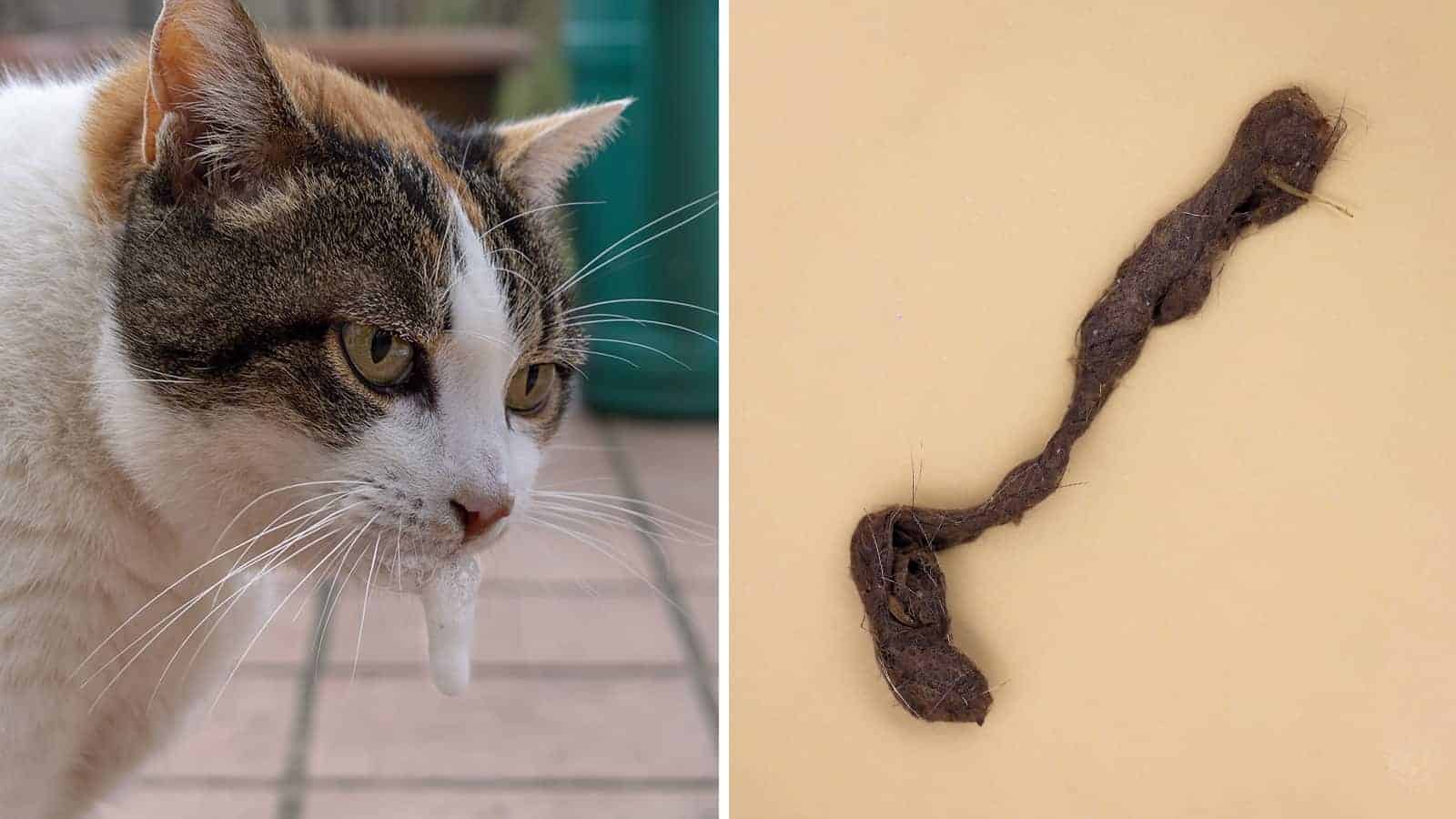
Credit: www.powerofpositivity.com
Causes Of Hairballs In Cats
Cats often get hairballs from grooming themselves. This happens when they swallow too much fur. Help your cat by brushing them regularly to reduce loose hair. Providing specialized cat food can also aid digestion, making it easier to pass hair naturally.
Causes of Hairballs in Cats Cats are meticulous groomers, often spending hours licking their fur to keep it clean and tidy. This natural behavior, however, can sometimes lead to the formation of hairballs. While you might see it as a sign of their dedication to cleanliness, hairballs can be uncomfortable and concerning for your feline friend. Understanding the causes of hairballs can help you manage them effectively and keep your cat happy.Excessive Grooming
One of the primary causes of hairballs is excessive grooming. Cats have tiny hook-like structures on their tongues that catch loose and dead hair, which is then swallowed. If your cat is grooming more than usual, perhaps due to stress or skin irritation, the amount of hair ingested increases. This could lead to more frequent hairball formation.Diet And Hydration
Diet plays a crucial role in your cat’s ability to pass ingested hair through the digestive system. A diet lacking in fiber can slow down this process, allowing hair to clump together and form a hairball. Moreover, inadequate water intake can exacerbate the situation, as hydration is essential for smooth digestion.Seasonal Shedding
Cats shed more during certain seasons, especially spring and fall. This increased shedding means more loose hair is available during grooming sessions. Have you ever noticed your cat coughing up more hairballs during these times? It’s not just a coincidence; it’s tied to the natural shedding cycle.Breed And Coat Type
Some breeds are more prone to hairballs due to their longer or thicker coats. Persians, Maine Coons, and other long-haired breeds often have more hair to manage, increasing the likelihood of hairballs. If you have a long-haired cat, regular brushing can help reduce the amount of loose hair they might ingest.Your Role In Managing Hairballs
Understanding these causes can help you take proactive steps in managing hairballs. Regular grooming, a balanced diet, and ensuring your cat stays hydrated can make a significant difference. Are there adjustments you can make today to help your cat? Sometimes, small changes can lead to big improvements in their comfort and health.Identifying Hairball Symptoms
Hairballs are a common issue for cats. They can cause discomfort and irritation. Understanding the symptoms of hairballs is crucial for timely help. Recognizing these signs can prevent further complications.
Persistent Coughing Or Gagging
One of the main symptoms is persistent coughing. Cats might also gag frequently. This happens as they try to expel the hairball. These sounds can be alarming but are common.
Lethargy And Loss Of Appetite
Hairballs can make cats feel sluggish. They may lose interest in food. A drop in energy levels is another sign. This can indicate discomfort due to hairballs.
Frequent Vomiting
Vomiting is a clear sign of hairballs. Cats might vomit after meals. This is their body’s way of dealing with the hairball. It can be messy but is a natural response.
Constipation Or Diarrhea
Digestive issues can occur due to hairballs. Cats may show signs of constipation. Diarrhea can also be a symptom. These changes in bowel movements are notable.
Excessive Grooming
Cats with hairballs might groom excessively. This can lead to more hair ingestion. It becomes a cycle that needs breaking. Pay attention to grooming habits.
Preventive Measures
Preventing hairballs in cats is crucial for their comfort and health. Cats are meticulous groomers, which can lead to hairballs. Understanding preventive measures can make a difference. By focusing on grooming, diet, and hydration, you can minimize hairball occurrences.
Regular Grooming
Brush your cat often. This reduces loose fur, which they might ingest. Short-haired cats need less frequent brushing. Long-haired breeds require daily attention. Use a suitable brush for your cat’s coat type. Regular grooming builds trust and reduces stress. It also prevents matting and tangles.
Dietary Adjustments
Diet influences hairball formation. Choose cat food with added fiber. Fiber helps move ingested hair through the digestive system. Consider food with hairball control formulas. These contain ingredients that reduce hairball size and frequency. Avoid sudden diet changes. Introduce new food gradually.
Hydration Importance
Water aids digestion. Encourage your cat to drink more. Fresh, clean water should always be available. Wet cat food can increase water intake. Consider adding water to dry food. Some cats prefer water fountains over bowls. Monitor your cat’s hydration levels regularly.
Home Remedies For Hairballs
Cats can sometimes struggle with hairballs. Give your cat a little extra grooming help. Brushing their fur regularly reduces loose hair. Adding a bit of pumpkin to their diet aids digestion. Keep them hydrated with plenty of fresh water.
Helping your furry friend deal with hairballs can be a challenging task. Cats are naturally fastidious groomers, and this often leads to the uncomfortable formation of hairballs. The good news is that there are home remedies you can try to alleviate this issue. You might be surprised at how effective a few natural changes can be in helping your cat stay hairball-free.Natural Oils
Adding natural oils to your cat’s diet can be a game-changer. Coconut oil and olive oil are excellent choices. These oils help lubricate your cat’s digestive tract, making it easier for hair to pass through. Consider adding a small amount of oil to your cat’s food once a week. Start with a teaspoon and observe how your cat reacts. My own cat, Luna, surprisingly took to coconut oil quite well, and it significantly reduced her hairball issues.Fiber Supplements
Fiber is another fantastic remedy for hairballs. It aids digestion and helps move hair through the system. You can find fiber supplements specifically designed for cats, or you can use natural sources like pumpkin. Just a teaspoon of canned pumpkin mixed into your cat’s food can work wonders. It not only helps with hairballs but also supports overall digestion. Have you tried adding fiber to your cat’s diet yet? It might just be the simple solution you’re looking for. Taking these small steps can make a big difference in your cat’s comfort. With a bit of patience and observation, you can find the right balance that works best for your feline friend. Have you discovered any other home remedies that work? Share your experiences and tips to help fellow cat owners in the comments!When To Consult A Vet
Hairballs are common among cats. They usually pass them without issues. Sometimes, a hairball might cause more trouble. Recognizing the signs can help you decide when your cat needs professional care.
Signs Of Frequent Hairballs
If your cat has hairballs often, it might need help. Watch for signs like regular vomiting or constant coughing. These can indicate a problem beyond normal hairballs.
Loss Of Appetite
A cat not interested in food may have a serious hairball issue. Hairballs can block their digestive system. This makes them feel full all the time.
Lethargy And Weakness
Is your cat less active than usual? Lack of energy can be a sign of trouble. Hairballs can cause discomfort and drain energy.
Persistent Vomiting
Vomiting now and then is normal for cats. If it’s frequent, it might be a sign of a problem. Persistent vomiting can signal that a hairball is stuck.
Signs Of Pain
Notice any signs of pain or discomfort? Cats might cry out or avoid being touched. Pain can indicate a blockage that needs vet attention.
Consulting A Vet
If you notice any of these signs, visit a vet. They can diagnose the problem and provide the best treatment. Early intervention can prevent serious health issues.

Credit: www.turramurravet.com.au
Long-term Care Strategies
Helping a cat with a hairball involves regular grooming and providing fiber-rich food. Encourage hydration to assist digestion and alleviate hairball issues. Special hairball formula cat foods can support natural elimination, keeping your feline friend comfortable.
Long-term care strategies are essential for maintaining your cat’s health and happiness, especially when it comes to managing hairballs. If you’ve ever found yourself cleaning up after your cat’s hairball episode, you know it’s not the most pleasant task. But what if you could reduce the frequency of these messy encounters? By implementing some thoughtful, long-term strategies, you can help your cat live a more comfortable life and save yourself some cleanup time.Routine Vet Check-ups
Regular vet visits are crucial for your cat’s overall health, not just for hairball management. A vet can provide insights into your cat’s diet and grooming needs, which directly impact hairball frequency. Have you scheduled your cat’s next check-up yet? During these visits, discuss any concerns about hairballs with your vet. They might suggest dietary changes or supplements to help reduce hairball formation. Keeping an open line of communication with your vet ensures you’re always on top of your cat’s health.Environmental Enrichment
A stimulating environment can play a surprising role in reducing hairballs. Cats who are engaged and active tend to groom themselves less obsessively. Does your cat have enough toys and activities to keep them entertained? Consider adding climbing trees or interactive toys to your home. A laser pointer session can provide both exercise and fun for your feline friend. Remember, a mentally and physically stimulated cat is likely to spend less time grooming and more time playing. Incorporating these strategies into your daily routine can make a significant difference. Not only will you help your cat manage hairballs more effectively, but you’ll also enhance their overall quality of life. So, what steps will you take today to start this journey with your furry friend?
Credit: www.wikihow.com
Frequently Asked Questions
Is There A Way To Help A Cat Cough Up A Hairball?
Help a cat cough up a hairball by providing fresh water, high-fiber food, and regular grooming. Encourage play to keep them active. Use hairball remedies or consult a vet if needed. Ensure your cat’s environment is stress-free for better digestion and hairball prevention.
How Do I Know If My Cat Has A Hairball Stuck?
Watch for frequent coughing or gagging sounds. Your cat might also have reduced appetite or constipation. If symptoms persist, consult a vet to ensure proper care.
How Do You Get Rid Of A Hairball Blockage In A Cat?
Help your cat by providing water and a high-fiber diet. Use hairball control treats or lubricants. Consult a vet for persistent blockages. Regular grooming reduces hairballs.
What Causes Hairballs In Cats?
Hairballs occur when cats ingest fur during grooming. This fur accumulates in their stomach instead of passing through the digestive system. Cats with long hair or those that groom excessively are more prone to hairballs. Regular grooming and a healthy diet can help minimize the occurrence of hairballs.
Conclusion
Helping your cat with hairballs requires patience and care. Start by brushing your cat regularly. This reduces loose fur. Consider special cat food designed to reduce hairballs. Offer plenty of water and fiber-rich treats. Watch for signs of discomfort or persistent hairballs.
Consult your vet if needed. They can provide professional advice. Remember, your cat’s health is important. Small changes can make a big difference. Keep their environment stress-free. Happy cats mean fewer hairball issues. Your furry friend deserves comfort and love.