
Does your cat seem to cough up those pesky hairballs more often than you’d like? You’re not alone.
Many cat owners face the same challenge, and it can be both frustrating and concerning. Hairballs are not just a messy inconvenience; they can also affect your furry friend’s health. But don’t worry, there are simple ways to help your cat manage and even prevent hairballs.
In this guide, you’ll discover effective tips and tricks that will make both you and your feline friend happier and healthier. Ready to learn how to keep those hairballs at bay? Let’s dive in and explore how you can make a difference in your cat’s life today.
Understanding Hairballs In Cats
Cats often struggle with hairballs, which can be uncomfortable. Regular grooming helps reduce loose fur. Providing specialized cat food aids digestion and minimizes hairball formation.
Understanding hairballs in cats is essential for every feline owner. Hairballs are a common occurrence, but they can be more than just an inconvenience for your cat. By understanding what causes them and recognizing the symptoms, you can take steps to help your furry friend feel more comfortable.Causes Of Hairballs
Cats are meticulous groomers. As they lick their fur, tiny hook-like structures on their tongue catch loose and dead hair, which they then swallow. Most of this hair passes through the digestive system without issue. However, some of it can form a hairball in the stomach. Long-haired cats, such as Persians or Maine Coons, are particularly prone to hairballs. Their luxurious fur sheds more and gets swallowed more often. Even short-haired cats can experience hairballs if they groom excessively. Do you notice your cat grooming more during certain seasons? This might happen because cats often shed more in the spring and fall. Increased shedding means more hair is swallowed, which can result in more hairballs.Symptoms To Look For
You might first notice your cat retching or gagging, which can be distressing to watch. This is often how they expel a hairball. Once they successfully bring up the hairball, it will look like a damp clump of hair, often tubular in shape. If your cat seems to be struggling with frequent vomiting or gagging without producing a hairball, it might signal a blockage. This is a more serious issue that requires veterinary attention. Pay attention to changes in your cat’s appetite or energy levels. A hairball can sometimes cause a decrease in appetite or a more lethargic demeanor. If this persists, it’s wise to consult your veterinarian. Have you ever noticed your cat coughing but not producing anything? This could be a sign of a hairball stuck in the digestive tract. Always keep an eye on these symptoms to ensure your cat stays healthy. Understanding and addressing hairballs can significantly enhance your cat’s quality of life. Have you ever felt helpless watching your cat struggle with a hairball? By being proactive, you can make a big difference.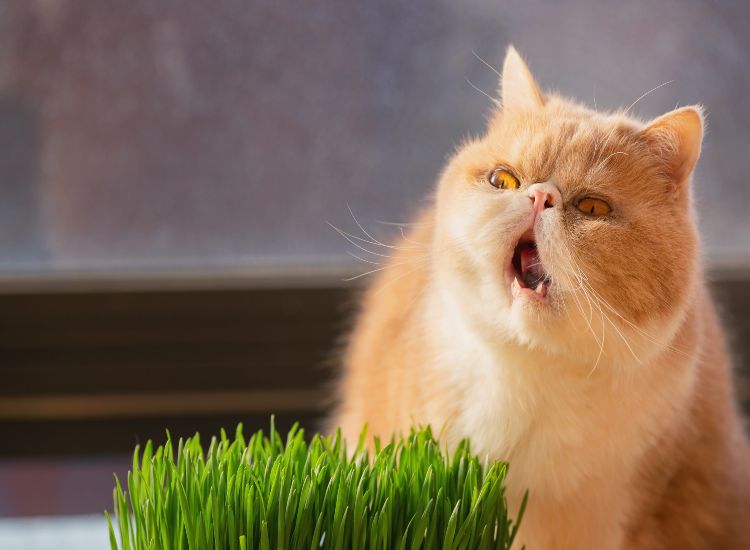
Credit: www.reedanimalhospital.com
Dietary Adjustments
If you’re tired of finding hairballs scattered around your home, you’re not alone. Many cat owners face this furry dilemma. Luckily, a few dietary adjustments can make a significant difference. Changing what your cat eats can help reduce the number of hairballs they produce. Let’s dive into some practical ways you can tweak your kitty’s diet to help them manage this issue more effectively.
High-fiber Foods
Adding high-fiber foods to your cat’s diet is a straightforward way to help them with hairballs. Fiber assists in moving hair through the digestive tract, preventing it from forming clumps. Consider foods like pumpkin or peas, which are gentle on their stomachs.
Mixing a small amount of canned pumpkin with your cat’s regular food can be a game-changer. It’s something my own cat, Whiskers, has benefitted from immensely. Her hairballs reduced noticeably after this simple addition.
Do you think your cat might enjoy a fiber boost? Offering them a fiber-rich snack might be the solution you’ve been seeking.
Specialized Cat Foods
If you’re looking for a more tailored approach, specialized cat foods designed for hairball control might be the answer. These foods often contain a mix of natural fibers and nutrients that help manage hairballs.
Brands like Hill’s Science Diet and Royal Canin offer hairball control options that many pet owners swear by. They are crafted to support your cat’s digestive health while reducing hairball formation. Have you ever considered switching your cat’s food for a specific health benefit?
Choosing the right food can feel overwhelming, but it can lead to a happier, healthier cat. Watching your feline friend thrive without the discomfort of hairballs is a reward in itself.
Dietary adjustments are more than just changing your cat’s meals. They are steps towards a healthier, hairball-free life for your cat, which means fewer surprises for you. What tweaks could you try today to help your cat live more comfortably?
Regular Grooming
Regular grooming can reduce hairballs in cats. Brushing your cat often helps remove loose fur. This simple routine prevents excess hair from being swallowed.
Regular grooming plays a crucial role in managing hairballs in cats. Cats naturally groom themselves, but they benefit from extra help. Consistent grooming reduces shedding and minimizes hairball formation. It’s a proactive approach to ensure your feline friend’s health and comfort.Brushing Techniques
Choose the right brushing technique for your cat’s coat. Short-haired cats require gentle brushing once a week. Long-haired cats benefit from daily brushing. Start by using gentle strokes along the fur’s direction. Focus on areas prone to matting, like the belly and behind the ears. Regular brushing helps remove loose fur and prevents tangles.Tools For Grooming
Selecting the right grooming tools is essential. For short-haired cats, a soft-bristle brush works well. For long-haired cats, a comb with wide-spaced teeth is ideal. A de-shedding tool can be useful for both types. Ensure tools are comfortable for your cat. Regular grooming sessions with the right tools make a big difference in managing hairballs.Hydration Importance
Cats can benefit from proper hydration to ease hairballs. Water helps the digestive system, making it easier for cats to pass hair. Encourage your cat to drink more by providing fresh water daily.
Cats often struggle with hairballs. Proper hydration plays a key role. It helps prevent hairball formation. Adequate water intake assists digestion. It ensures smooth passage of swallowed fur through the digestive tract. Many cats don’t drink enough water naturally. Encouraging hydration can significantly help them.Providing Fresh Water
Cats prefer fresh water. Ensure their bowl is clean daily. Change the water often. Place several bowls around your home. This invites them to drink more. Consider a water fountain. Cats enjoy moving water. It encourages them to stay hydrated. Hydration aids in digestion. It reduces hairball formation.Wet Food Benefits
Wet food contains more moisture than dry kibble. It helps increase a cat’s water intake. This assists in maintaining hydration levels. Wet food is closer to a cat’s natural diet. It often leads to better digestion. A hydrated digestive system prevents hairball issues. Offering wet food regularly can be beneficial. It keeps your cat hydrated and healthy.Use Of Hairball Remedies
Hairball remedies can ease a cat’s discomfort. Regular grooming reduces shedding and controls hairball formation. Special diets also support digestion and help prevent hairballs.
Hairballs are a common issue for cats, causing discomfort and sometimes leading to more severe health problems. The good news is that there are remedies available to help your feline friend manage this issue. These solutions range from over-the-counter products to natural alternatives that you might already have at home. Let’s delve into these options to ensure your cat is as comfortable as possible.Over-the-counter Solutions
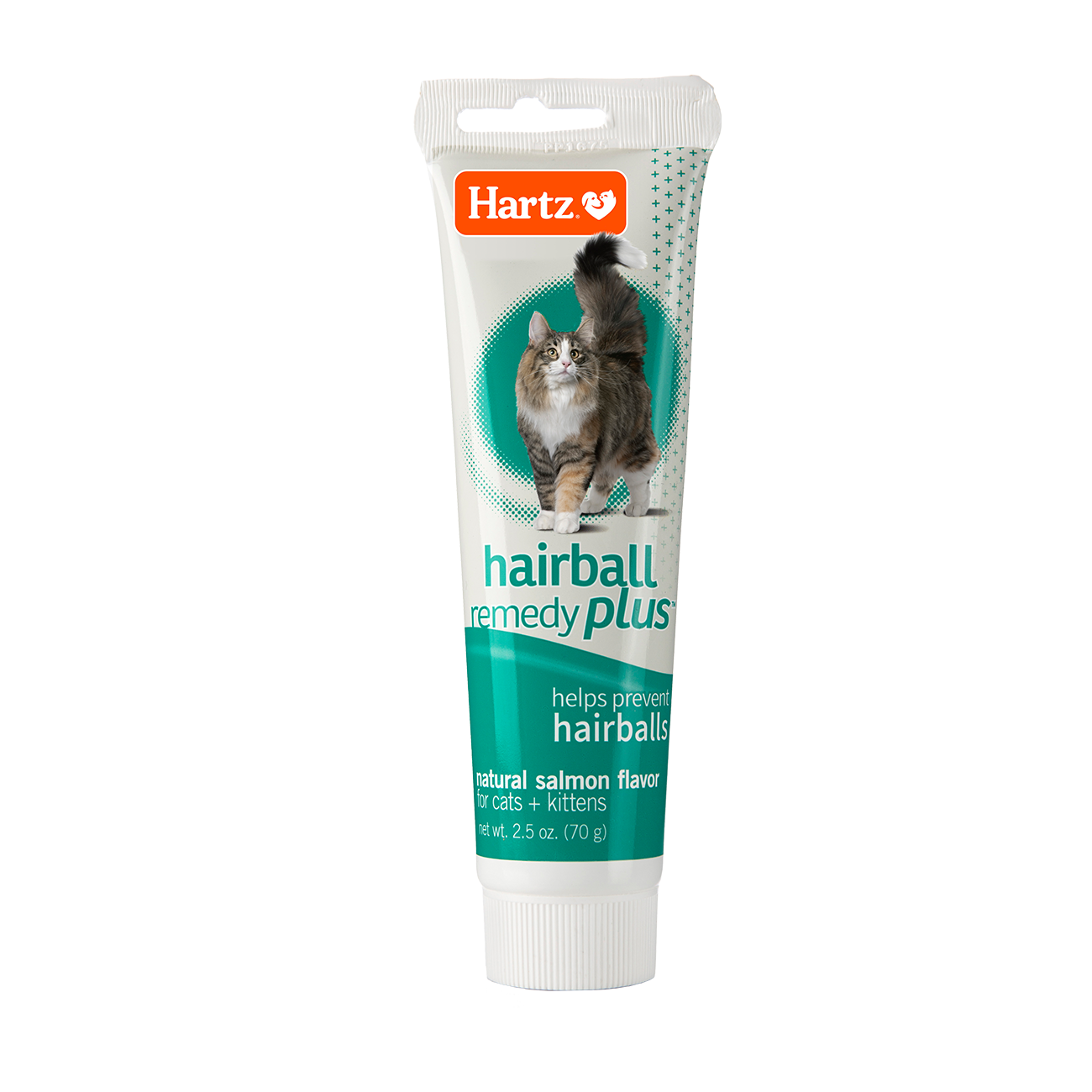
Many pet stores offer products specifically designed to reduce hairballs. These often come in the form of gels or pastes that you can add to your cat’s diet. Brands like Laxatone are popular and easily accessible. These products work by lubricating your cat’s digestive tract, making it easier for hair to pass through. You’ll find that even picky eaters may enjoy these flavored options. If your cat is stubborn, consider mixing the gel with their favorite wet food. Have you tried using treats designed for hairball control? They contain fiber and ingredients that help minimize hairball formation. These treats can be a fun and delicious way for your cat to ingest helpful nutrients without the fuss.Natural Alternatives
If you’re leaning towards a more natural approach, there are several options that might surprise you. Olive oil is one such remedy. Adding a small amount to your cat’s food can help lubricate the digestive tract naturally. It’s crucial, though, not to overdo it – moderation is key. Pumpkin is another fantastic option. It’s high in fiber, aiding digestion and helping to push hair through the system. Consider mixing a teaspoon of plain canned pumpkin into your cat’s meals. Have you ever considered adding fish oil to your cat’s diet? This is not only great for their coat but also helps with digestion. It’s a win-win scenario, contributing to a healthier coat and fewer hairballs. Why not test these natural remedies and see how your cat responds? You might find that combining them with over-the-counter solutions provides the best results. Could these simple changes make a big difference in your cat’s life? It’s worth exploring, especially if they struggle with hairballs regularly. Your cat’s comfort and health are worth every effort.
Credit: www.turramurravet.com.au
Environmental Enrichment
Cats are curious creatures that thrive in stimulating environments. This stimulation can help reduce hairball issues. Providing environmental enrichment can keep cats active and healthy. It also minimizes stress and promotes natural behaviors. Let’s explore how interactive play and stress reduction can help.
Interactive Play
Interactive play engages a cat’s mind and body. It mirrors hunting instincts, which can reduce hairball formation. Toys that mimic prey, like feather wands and laser pointers, are great options. They encourage exercise, which aids in digestion and reduces hairballs. Regular play sessions also strengthen the bond between cat and owner. A happy cat is less stressed and healthier overall.
Stress Reduction
Stress can increase hairball problems in cats. A calm environment helps maintain their well-being. Provide safe, quiet spaces for your cat to retreat. This can be a cozy bed or a secluded corner. Consistent routines also help reduce stress. Feeding, playtime, and rest should be on a schedule. These measures can create a peaceful atmosphere for your feline friend.
Veterinary Intervention
Cats often deal with hairballs due to their grooming habits. Sometimes, home remedies aren’t enough. Veterinary intervention becomes crucial. Understanding when to visit a vet can help your cat. It can prevent complications. Medical solutions offer relief and improve life quality.
When To Seek Help
Observe your cat’s behavior closely. Persistent vomiting signals a problem. Notice any signs of distress or pain. Difficulty in breathing is serious. Loss of appetite requires attention. Unusual lethargy may be a warning sign. If symptoms persist, consult a vet.
Possible Medical Treatments
Vets may suggest specific treatments for severe cases. Special diets can help reduce hairballs. They contain fibers that aid digestion. Lubricants may ease hair passage. Prescription medications sometimes offer relief. Surgery is rare but possible in serious cases.
Credit: www.hartz.com
Frequently Asked Questions
How Do I Help My Cat Pass A Hairball?
Feed your cat a hairball control diet. Offer plenty of water and fiber-rich foods. Regularly groom your cat to reduce shedding. Use vet-approved hairball remedies or lubricants. If problems persist, consult your veterinarian.
What Causes Hairballs In Cats?
Hairballs are formed when cats groom themselves and ingest loose fur. This fur accumulates in their stomach, forming a hairball. Cats with long hair or excessive grooming habits are more prone to hairballs. Regular grooming and a balanced diet can help reduce the frequency of hairballs.
How Can I Prevent Hairballs In Cats?
You can prevent hairballs by regularly brushing your cat to remove excess fur. Providing a high-fiber diet also helps. Special hairball control cat food can aid digestion and reduce hairball formation. Ensure your cat has access to fresh water, encouraging hydration and promoting healthy digestion.
Are Hairballs Dangerous For Cats?
Most hairballs are harmless, but they can cause blockages. If your cat frequently coughs without producing a hairball, consult a vet. Persistent vomiting, lack of appetite, or lethargy are signs of a potential blockage. Always monitor your cat’s health and seek veterinary advice if you notice concerning symptoms.
Conclusion
Helping cats with hairballs is simple with the right approach. Regular grooming reduces loose fur. Choose cat foods that help digestion. Hydration is vital; always provide fresh water. Consider introducing fiber-rich treats. These steps keep your cat healthier and more comfortable.
Check with a vet if hairballs persist. Cats deserve a happy, hairball-free life. Little changes make a big difference. Enjoy your time with your feline friend. Follow these tips and see a happier cat. Your cat will thank you!