
Have you ever noticed your cat hacking and coughing, only to discover a hairball left behind on your favorite rug? If you’re a cat owner, this scenario might be all too familiar.
Hairballs are a common issue, but they don’t have to be a constant worry. You love your feline friend, and understanding how to manage hairballs can lead to a happier, healthier life for both of you. You’ll discover practical tips and solutions that will help you deal with hairballs effectively.
Keep reading to learn how you can make a positive difference in your cat’s wellbeing and reduce those unexpected surprises around your home.
Causes Of Hairballs
Cats groom themselves by licking their fur, leading to hairballs. Loose hair gets swallowed, forming clumps in their stomach. Regular brushing and a fiber-rich diet can help manage hairball formation.
Understanding the causes of hairballs in cats is crucial for keeping your feline friend healthy and comfortable. Hairballs are more than just an annoying mess on the carpet; they can indicate underlying issues or habits in your cat’s daily life. By identifying the root causes, you can take effective steps to minimize this common problem.Excessive Grooming
Cats are natural groomers, but some may overdo it. Excessive grooming can lead to an increased ingestion of fur, resulting in more frequent hairballs. If your cat seems to be grooming more than usual, it might be due to stress or skin irritations. Consider what might be triggering this behavior in your household. Are there new changes in your home environment that could be affecting your cat’s routine?Shedding Season
During shedding season, cats lose more fur, which means they ingest more of it during grooming. This can lead to a spike in hairball occurrences. You might notice your cat coughing up more hairballs during spring and fall. Regular brushing during these times can help manage the extra fur your cat is ingesting.Dietary Factors
A cat’s diet plays a significant role in how well their digestive system can handle ingested fur. If your cat isn’t getting enough fiber, their body might struggle to pass hair through the digestive tract. Consider adding more fiber-rich foods to their diet. Have you checked if your cat’s food is meeting all its nutritional needs?Health Issues
Certain health issues can lead to more frequent hairballs. Gastrointestinal problems can make it difficult for your cat to pass ingested hair naturally. If you notice other symptoms like weight loss or changes in appetite, consult your veterinarian. Could an underlying health condition be the cause of your cat’s persistent hairballs?Breed-specific Tendencies
Some cat breeds are more prone to hairballs due to their long fur. Breeds like Persians and Maine Coons require more grooming care to prevent hairball formation. Consider dedicating extra time to grooming if you have a long-haired cat. Are you prepared to meet the grooming needs of your furry friend? Addressing the causes of hairballs requires understanding your cat’s habits and needs. By tailoring your care routine, you can help reduce the frequency and discomfort of hairballs. Have you identified any specific causes that might be affecting your cat?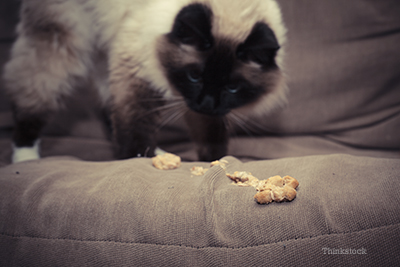
Credit: www.pethealthnetwork.com
Symptoms To Watch For
Hairballs are a common issue for cats and can be quite distressing for both you and your feline friend. Recognizing the symptoms early can help you address the problem effectively and ensure your cat’s health and comfort. Understanding these signs can be the first step toward a hairball-free existence for your kitty. Are you aware of what to look for?
Frequent Vomiting
Vomiting is often the most obvious sign of hairballs. If your cat is throwing up more than usual, it might be time to investigate further. Occasional vomiting is normal, but frequent episodes can indicate a problem.
Loss Of Appetite
Is your cat suddenly uninterested in food? A hairball might be causing discomfort in their digestive tract. A noticeable drop in appetite is a red flag you shouldn’t ignore.
Constipation Or Diarrhea
Changes in bowel movements can be symptomatic of hairballs. Constipation or diarrhea might occur as your cat struggles to pass the hairball naturally. Monitoring your cat’s litter box habits can reveal a lot about their health.
Gagging And Coughing
Persistent gagging or coughing is another symptom of hairballs. It’s your cat’s attempt to expel the blockage. If this behavior becomes frequent, it’s a sign that intervention might be necessary.
Lethargy
Does your usually playful cat seem less energetic? Hairballs can make them feel uncomfortable and tired. Reduced activity levels can indicate they’re not feeling their best.
Recognizing these symptoms is crucial for timely intervention. Have you noticed any of these signs in your cat? What steps will you take to ensure their well-being? Understanding and addressing these symptoms can lead to a happier, healthier life for your feline companion.
Preventive Measures
Hairballs can be a common issue for cats. They occur when cats groom themselves and ingest loose fur. This fur can accumulate in the stomach and form hairballs. While hairballs are natural, excessive ones can cause discomfort. Implementing preventive measures can help reduce their occurrence.
Regular Grooming
Brushing your cat often can significantly reduce loose fur. Less loose fur means fewer hairballs. Use a brush suited for your cat’s coat. Short-haired cats need less grooming than long-haired cats. Regular grooming sessions also strengthen your bond with your pet.
Dietary Adjustments
Diet plays a crucial role in managing hairballs. High-fiber foods aid digestion, helping fur pass through the system. Some cat foods are specially formulated to reduce hairballs. Consult your vet for the best dietary options. Avoid sudden changes in your cat’s diet.
Hydration Importance
Proper hydration helps move ingested fur through the digestive tract. Ensure your cat always has access to fresh water. Some cats prefer running water, like from a pet fountain. Wet cat food can also increase water intake. A well-hydrated cat is less likely to suffer from hairball-related issues.
Home Remedies
Cats often struggle with hairballs, causing discomfort and digestive issues. Regular grooming and adding pumpkin to their diet can help. A small amount of olive oil can also ease passage through the digestive tract.
Dealing with hairballs in cats is a common issue for pet owners, but before rushing to the vet, you might want to try some home remedies. They can be effective and are usually simple to implement. These remedies aim to aid your cat’s digestion and help them pass hair naturally without discomfort.Fiber Supplements
Adding fiber to your cat’s diet can work wonders in reducing hairballs. Fiber helps move hair through the digestive system more effectively. You can sprinkle a bit of canned pumpkin or a fiber supplement designed for cats into their meals. I once tried adding a teaspoon of canned pumpkin to my cat’s food, and it surprisingly helped reduce her hairball incidents. Have you considered how a small dietary tweak could make a big difference?Oil Treatments
Oil treatments are another simple method to combat hairballs. Oils like olive or coconut can lubricate the digestive tract, making it easier for hair to pass through. Just a tiny amount, about a teaspoon, mixed in with your cat’s food can help. When I first introduced olive oil to my cat’s diet, she hesitated at the new taste. But gradually, she adapted, and I noticed a reduction in hairball issues. Could a small change in texture or flavor make a difference for your pet?Specialty Cat Foods
Opting for specialty cat foods formulated to reduce hairballs can be a game-changer. These foods typically contain higher fiber content and special ingredients that help manage hairballs effectively. Look for labels that specifically mention hairball control. I switched my cat to a hairball control cat food, and within weeks, there was a noticeable decline in the frequency of hairballs. Have you checked if your cat’s current diet supports their digestive needs? Experiment with these home remedies and observe what works best for your feline friend. Your cat’s comfort and health are worth the effort!When To Consult A Veterinarian
When your cat starts coughing up hairballs more frequently, it can be a cause for concern. As a cat owner, knowing when to consult a veterinarian is crucial for your pet’s health. While occasional hairballs are normal, persistent issues may indicate an underlying problem.
When Is A Hairball More Than Just A Hairball?
It’s important to recognize the signs that a hairball might be more than just a typical occurrence. If your cat is vomiting frequently or having trouble passing a hairball, it may be time to seek professional help. Excessive gagging or retching without results can be a red flag.
Signs Your Cat Needs Professional Help
Observe your cat’s behavior closely. Lethargy, loss of appetite, or diarrhea accompanying hairballs are signals that warrant a vet visit. These symptoms could indicate a blockage or a gastrointestinal issue.
Trust Your Instincts
Sometimes, your gut feeling can be the best guide. If you feel something is off with your cat, don’t hesitate to consult a veterinarian. It’s better to err on the side of caution than to overlook a potential health problem.
What Will A Veterinarian Do?
A veterinarian can perform a physical examination and possibly recommend an X-ray or ultrasound. These tests help determine if there’s a blockage. They might also suggest dietary changes or medications to alleviate the problem.
Be Prepared For Your Vet Visit
Before your appointment, gather information about your cat’s recent behaviors and diet. Make a note of any changes in habits or symptoms. This preparation can help the vet make a more accurate diagnosis.
Can Prevention Reduce Vet Visits?
Consider what you can do at home to prevent frequent hairballs. Regular grooming and a fiber-rich diet can help manage your cat’s hair intake. Ask yourself: Is there more you can do to ensure your cat’s comfort?
Your vigilance can make a significant difference in your cat’s well-being. Remember, consulting a vet isn’t a sign of failure; it’s a proactive step towards ensuring your furry friend’s health. Isn’t their happiness worth it?
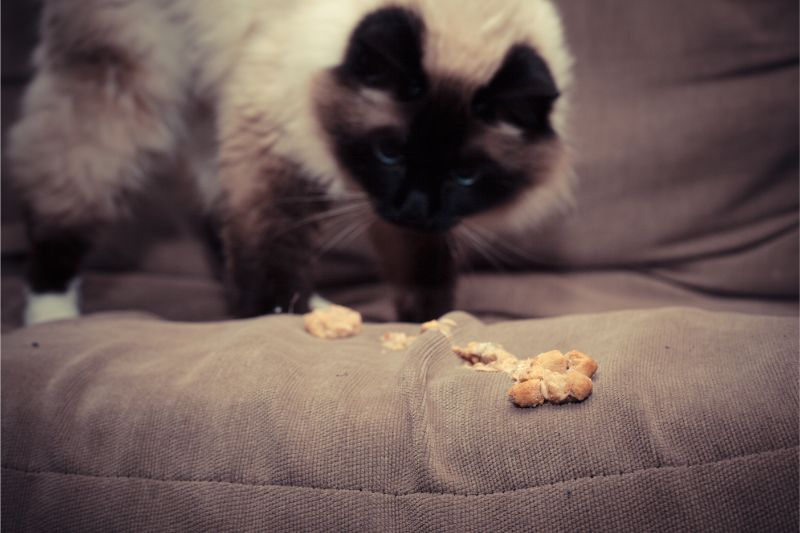
Credit: www.volvethosp.com
Long-term Management
Cats need regular grooming to manage hairballs effectively. Special diets and fiber-rich foods can help reduce hairball formation. Regular vet check-ups ensure your cat remains healthy and comfortable.
Managing hairballs in cats for the long haul is a commitment that requires attention to detail and consistency. It involves a blend of regular health assessments, dietary adjustments, and enriching your cat’s environment. Each of these components plays a vital role in reducing hairball formation and ensuring your feline friend stays healthy and happy. Let’s delve into practical strategies for long-term management.Routine Check-ups
Regular vet visits are crucial for your cat’s health. These check-ups can catch potential issues early, including those related to hairball formation. During these visits, discuss your cat’s hairball history with your vet. They might suggest specific treatments or dietary changes. Remember, preventive care is always better than reactive care.Monitoring Diet
What your cat eats can significantly impact hairball formation. High-fiber diets can help move hair through the digestive system more easily. Consider gradually introducing fiber-rich cat foods or supplements, but consult with your vet first. Some cats may benefit from special hairball control formulas available in pet stores.Environmental Enrichment
A stimulating environment can reduce stress and excessive grooming, both contributors to hairballs. Engage your cat with toys, climbing structures, and interactive playtime. Have you noticed how a new toy can instantly capture your cat’s attention, reducing grooming time? This simple change can make a big difference. Long-term management of hairballs involves these small, consistent efforts. How might these strategies fit into your cat’s daily routine? By making thoughtful adjustments, you can enhance your cat’s quality of life and minimize those pesky hairballs.
Credit: catsonlyvethosp.com
Frequently Asked Questions
How Do I Help My Cat Pass His Hairball?
Brush your cat regularly to minimize loose fur. Offer water, fiber-rich food, and hairball control treats. Encourage play and exercise to aid digestion. Consult a vet if issues persist.
What Is The Best Hairball Relief For Cats?
Opt for a cat hairball gel or paste containing natural ingredients like fiber and omega-3 fatty acids. Ensure regular grooming to minimize hair ingestion. Consult your veterinarian for the best product suited to your cat’s needs.
How Do I Know If My Cat Has A Hairball Stuck?
Your cat might have a hairball stuck if it coughs, gags, or retches without producing anything. Watch for decreased appetite, constipation, or lethargy, which can also indicate a blockage. Regular grooming and a fiber-rich diet can help prevent hairballs. If symptoms persist, consult a veterinarian.
How Do Cats Get Hairballs?
Cats get hairballs from grooming themselves. When they lick their fur, loose hair is swallowed. Most hair passes through the digestive system, but sometimes it forms a hairball. Regular grooming and a high-fiber diet can help reduce hairballs.
Conclusion
Solving hairball issues keeps your cat happy and healthy. Regular grooming reduces hairball formation. Ensure a balanced diet with enough fiber. Hydration is crucial for your cat’s digestion. Provide fresh water daily. Interactive toys keep your cat active and reduce shedding.
If hairballs persist, consult a vet for advice. They can suggest safe treatments. Always observe your cat’s behavior. Early intervention prevents bigger health issues. A little care goes a long way. Your attention makes a difference. Keep your feline friend comfortable and playful.
Happy cats mean happy homes.