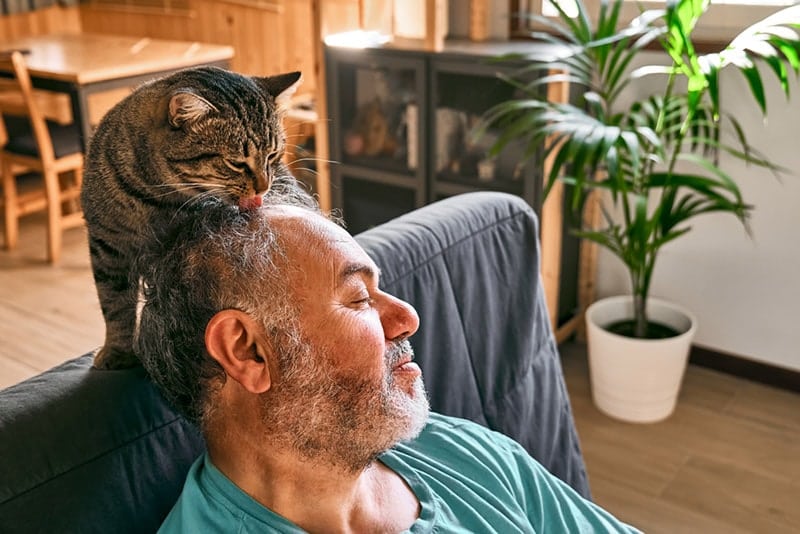
Have you ever been lounging on your couch, only to feel the surprising sensation of your cat licking your hair? It’s a quirky behavior that many cat owners experience, leaving you wondering, “Why do cats lick my hair?”
This peculiar habit isn’t just a random act; it holds intriguing insights into your cat’s world and their connection with you. By understanding this behavior, you can strengthen the bond with your feline friend and gain a deeper appreciation for their unique ways of showing affection.
Get ready to uncover the fascinating reasons behind this endearing gesture and learn what your cat might be trying to tell you. Trust us, you won’t want to miss a single detail!
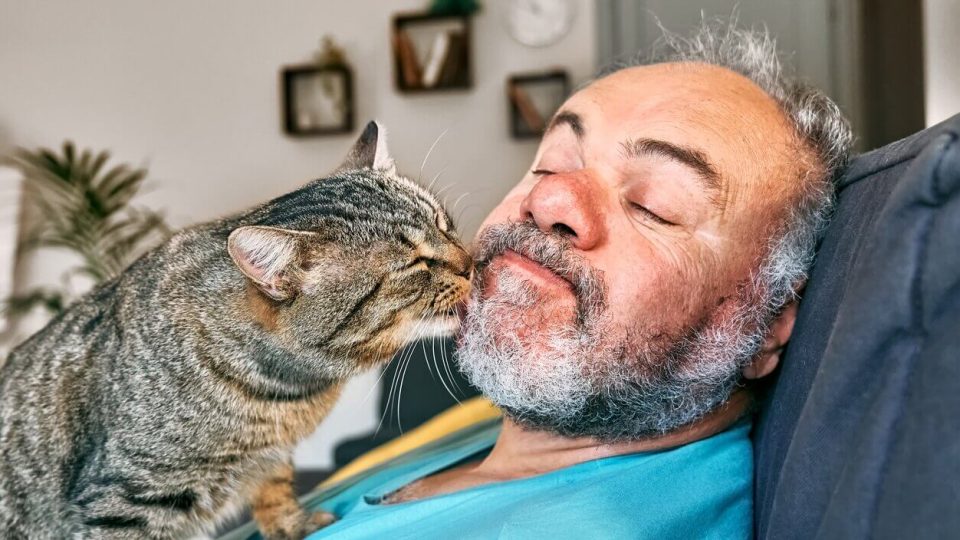
Credit: www.rover.com
Grooming Instincts
Cats lick your hair due to grooming instincts. This behavior shows affection and trust. It mimics how they groom each other in their feline families.
Cats have a fascinating way of showing their affection and connection to the world around them, and one of these unique behaviors is licking. While it might seem odd when your cat licks your hair, this action is rooted in their natural grooming instincts. Cats are meticulous groomers, and this behavior often extends to their human companions. Understanding why they do this can deepen the bond you share with your furry friend.Social Bonding
When your cat licks your hair, it might be their way of saying, “You’re part of my family.” This is a form of social bonding. Cats in the wild groom each other to strengthen social ties and establish trust. Consider the times your cat comes to you after a long day. They may nuzzle your head and start licking your hair. This isn’t just grooming; it’s their way of showing love and acceptance. Have you ever noticed how a cat grooms another cat? It’s a cooperative act, strengthening their relationship. By licking your hair, your cat is inviting you into this intimate circle.Mutual Grooming
Mutual grooming, or allogrooming, is common in cat colonies. They groom each other to maintain social harmony and show affection. When your cat licks your hair, they might be trying to engage in this mutual act. Think of it as your cat’s attempt to include you in their grooming routine. This behavior highlights your cat’s trust and comfort with you. If your cat starts licking your hair, try gently petting them back. This can create a moment of shared affection, enhancing your connection. Why not take this as an opportunity to strengthen your bond? Next time, instead of shying away, embrace the moment. Your cat is offering a genuine gesture of friendship.
Credit: www.youtube.com
Scent Exchange
Cats may lick your hair as a sign of affection and bonding. They use scent exchange to mark you as part of their family. This behavior mimics grooming, strengthening their relationship with you.
Cats are fascinating creatures, and their behaviors often leave us curious. One such behavior is when cats lick your hair, which is a part of scent exchange. This act is not just random; it’s deeply rooted in their instincts. Cats use scent to communicate and establish connections. By licking your hair, they’re sharing their scent with you, signaling trust and affection.Territorial Marking
Cats are territorial animals. They use scent to mark their territory and make it their own. When your cat licks your hair, it’s a way of marking you as part of its territory. It’s a gentle claim that you belong in its world. You might think of it like a cat saying, “You’re mine.” It’s a sign of comfort and acceptance. This behavior is similar to them rubbing against furniture or objects around the house.Family Scent
Cats live in groups in the wild, often sharing a family scent. This helps them recognize each other and maintain group harmony. When your cat licks your hair, it’s sharing its family scent with you. You become a part of its family group, a trusted member. This gesture strengthens your bond with your pet. It’s a sign of deep affection and trust. Have you noticed this behavior from your cat? How does it make you feel to be part of its family? Understanding these actions can deepen your connection with your furry friend.Attention-seeking
Cats often lick hair to get attention. This behavior mimics grooming, showing affection and strengthening bonds. They seek closeness and comfort, using licking as a way to connect.
Cats have a knack for grabbing your attention, and one unexpected way they do this is by licking your hair. This behavior often serves as a quirky form of communication, signaling that your feline friend might be seeking attention. Understanding this can help strengthen the bond you share with your pet.Request For Interaction
Cats are social creatures and, despite their independent reputation, they often crave interaction. When your cat licks your hair, it might be their way of asking for a bit more of your time. You might notice this behavior when you’re engrossed in something else, like reading a book or watching TV. It’s almost as if your cat is saying, “Hey, I’m here too!” Responding to this request by petting them or engaging in play can make them feel valued and loved. Have you ever noticed your cat purring louder when you finally give them the attention they seek?Displaying Affection
Licking can also be a sign of affection. Cats groom each other as a way to bond, and when they lick your hair, they might be extending this gesture of love to you. It’s similar to how humans hug or hold hands. Reflect on times when your cat licked your hair after a long day. It could be their way of comforting you or expressing their fondness. This behavior can be particularly heartwarming, knowing that your cat considers you part of their family. Have you ever felt a sense of calm when your cat engages in this affectionate act? Understanding why cats lick your hair can offer insights into their unique ways of communicating and bonding. Next time your cat engages in this behavior, consider responding positively to their request for interaction and cherish their display of affection.Curiosity And Exploration
Have you ever found yourself wondering why your cat seems so interested in licking your hair? Cats are naturally curious creatures, and their behavior often reflects their desire to understand and explore their environment. This curiosity extends to the humans they live with, and sometimes that means investigating your hair. So, what drives this peculiar habit?
Texture Fascination
Cats are intrigued by different textures. Your hair offers an interesting surface that might feel good on their tongue. Perhaps it’s the softness or the way your hair moves that captivates them. Think about how cats love to knead soft blankets—your hair can be just as fascinating to them. Have you ever noticed your cat pawing at your hair before they start licking? They might be testing the texture first.
Smell Investigation
Smell plays a huge role in a cat’s world. Your shampoo or conditioner could have a scent that intrigues them. Cats rely heavily on their sense of smell to make sense of their surroundings. This means that the products you use can draw them in like a magnet. Consider how your cat might react to different scents—do they lean in for a sniff or back away?
Your cat’s curiosity and exploration are driven by their senses. Have you ever changed shampoos and noticed a shift in your cat’s behavior? Cats can be surprisingly perceptive, picking up on even the slightest changes. Next time your feline friend starts licking your hair, take a moment to consider what they might be discovering.
Stress And Anxiety
Cats often lick hair to show affection and bond with their humans. This grooming behavior can soothe stress and anxiety, offering comfort through familiar scents and textures. Their gentle attention might be a calming ritual, creating a peaceful environment for both pet and owner.
Cats might lick your hair due to stress and anxiety. This behavior can be a sign of how they cope with their emotions. Understanding these actions can help you care for your feline friend better.Self-soothing Behavior
Cats often lick to calm themselves. It’s a natural way for them to relax. When stressed, licking helps them feel secure. They might lick your hair because it’s familiar. Your scent comforts them during anxious times. This self-soothing action is common among many cats.Comfort Through Familiarity
Your hair carries your unique smell. Cats find comfort in familiar scents. Licking your hair offers them reassurance and peace. This behavior is their way of connecting with you. Your presence reduces their stress levels. It’s their way of feeling closer and safer.Health Concerns
Cats often lick hair as a sign of affection, mimicking grooming behaviors seen in feline families. This bonding act might also stem from curiosity or attraction to the scent of hair products. Understanding this behavior can deepen your connection with your pet.
When your cat starts licking your hair, it might seem like a quirky or endearing behavior. However, it can sometimes point to underlying health concerns. Understanding these issues can help you ensure your feline friend stays healthy and happy.Compulsive Grooming
Cats are known for their grooming habits. But when it becomes excessive, it might be a sign of stress or anxiety. If your cat’s licking is focused on your hair or other unusual targets, it might be a way for them to cope with their unease. Consider whether there have been changes in your home environment. New pets, moving house, or even a change in routine can trigger stress in cats. Addressing these stressors can reduce compulsive grooming behavior.Nutritional Deficiencies
Sometimes, a cat licking your hair can be due to nutritional deficiencies. Cats need a balanced diet rich in proteins, vitamins, and minerals. If they’re lacking in certain nutrients, they might seek out alternative sources, like your hair. Have you checked your cat’s diet lately? Ensure they’re getting high-quality cat food that meets their dietary needs. If you’re unsure, consulting a vet can provide guidance on whether their diet needs adjustments. By paying attention to these potential health concerns, you can create a more comfortable environment for your cat and strengthen your bond. After all, wouldn’t you want to ensure your pet’s well-being while enjoying those affectionate moments together?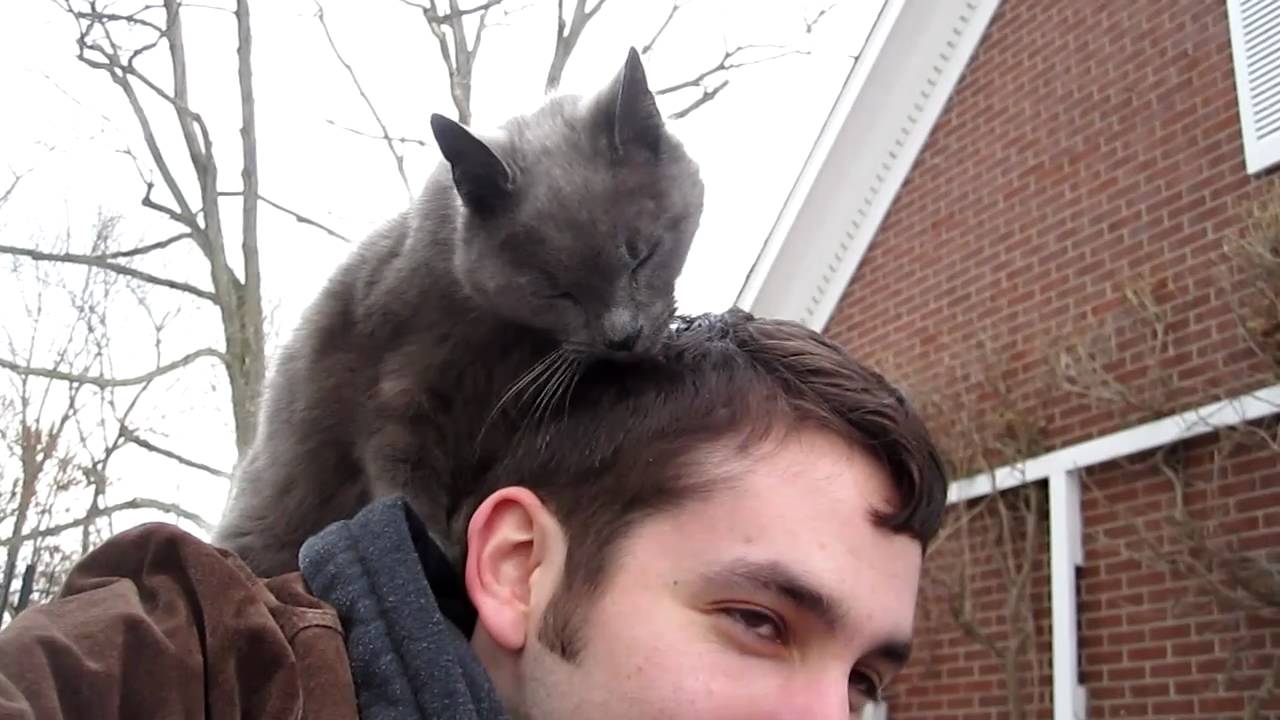
Credit: www.youtube.com
Frequently Asked Questions
Why Does My Cat Have An Obsession With My Hair?
Cats often find comfort in your scent, linking it to safety and affection. They may also enjoy the texture of your hair for play or grooming. This behavior can be a sign of affection, curiosity, or a way to relieve stress.
Should I Allow My Cat To Lick My Hair?
Letting your cat lick your hair is generally safe, but ensure your hair products are non-toxic. Cats might ingest harmful substances. Regular grooming satisfies their instinct. If concerned, redirect their attention with toys.
Is It Good Or Bad When A Cat Licks You?
A cat licking you can be good. It shows affection and trust. Sometimes, it helps with bonding. But excessive licking may indicate stress or health issues. Pay attention to your cat’s behavior and consult a vet if concerned.
Why Does My Cat Knead And Lick My Hair?
Cats knead and lick hair to show affection, mark territory, or seek comfort. It’s a natural behavior linked to kittenhood. They may also enjoy the scent or texture of your hair, creating a soothing bond. This behavior is harmless and signifies trust and love towards you.
Conclusion
Understanding why cats lick your hair can strengthen your bond. They show affection and mark their territory. This behavior also reflects their grooming instincts. Pay attention to your cat’s actions. It reveals their feelings and needs. If the licking bothers you, gently redirect their attention.
Offer toys or playtime instead. Always ensure they feel secure and loved. Respect their unique ways of expressing love. Observing these habits deepens your understanding of feline behavior. Embrace the quirks of your furry friend. A little patience goes a long way in nurturing your connection.