
Do you have a long-haired feline friend at home? If you do, you know how beautiful their flowing coats can be.
But keeping that coat looking its best requires a bit of effort. Grooming a long-haired cat isn’t just about aesthetics; it’s crucial for their health and happiness too. Tangled fur can lead to discomfort, and in some cases, even health issues.
So, how can you keep your cat’s coat soft, shiny, and tangle-free? You’re in the right place. This guide will show you the steps to make grooming a stress-free experience for both you and your furry companion. Get ready to discover simple tips that will transform grooming from a chore into a bonding experience. Stick around, and you’ll soon master the art of caring for your long-haired cat’s luxurious coat!
Preparing For Grooming
Grooming a long-haired cat involves regular brushing to prevent tangles and mats. Trim their nails carefully to avoid scratches. Clean ears and eyes gently to keep them healthy. Regular grooming keeps your cat comfortable and their coat shiny.
Grooming a long-haired cat can be a delightful bonding experience for both you and your feline friend. However, preparation is key to making the process smooth and stress-free. Gathering the right tools and choosing the perfect moment are essential steps that can transform grooming from a chore into a cherished routine.Tools And Supplies Needed
Before you start, ensure you have all the necessary tools at hand. A good quality brush is essential for keeping your cat’s coat tangle-free. Opt for a slicker brush for regular maintenance and a comb for tackling any stubborn mats. Don’t forget a pair of grooming scissors for trimming any knots that can’t be brushed out. You might also want to have some cat-friendly detangling spray handy. It can make a big difference in easing out those pesky tangles. A soft towel and some treats are equally important. The towel will help you catch any loose fur, and treats will serve as a great reward for your cat’s patience. What do you think your cat’s favorite treat is?Choosing The Right Time
Timing can be everything when grooming a long-haired cat. Pick a moment when your cat is relaxed and calm. This could be after a meal or a play session when your feline is more likely to be in a good mood. Avoid grooming when your cat is agitated or during busy household times. This can prevent unnecessary stress for both of you. Remember, the goal is to make grooming a pleasant experience, not a battle. Consider creating a routine by grooming at the same time daily or weekly. Cats thrive on routine, and this can help your pet associate grooming with comfort and familiarity. Have you ever noticed how much cats love predictability? Preparing for grooming sets the stage for a successful session. With the right tools and timing, your cat will not only look great but feel great too.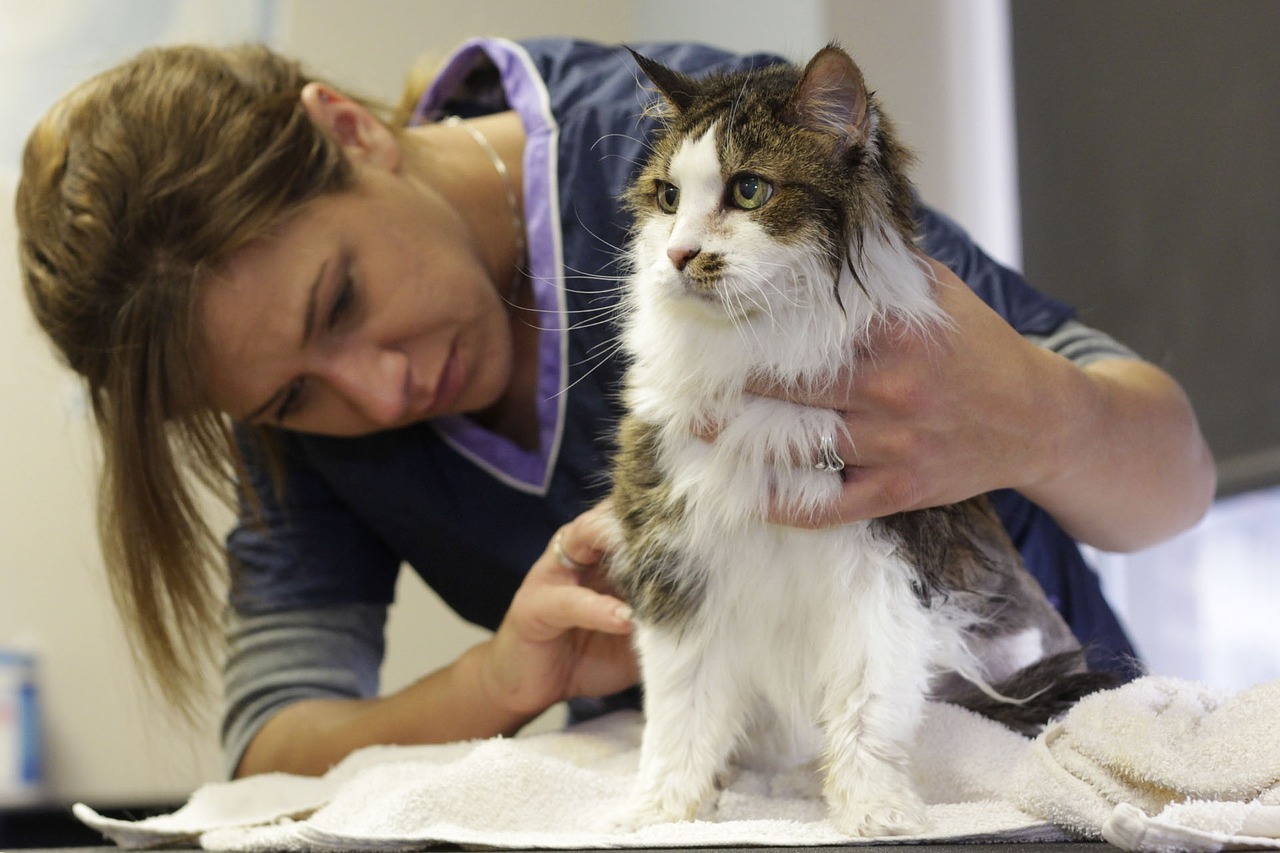
Credit: meowtel.com
Brushing Techniques
Brushing a long-haired cat requires patience and skill. It is not just about keeping their fur pretty. Proper brushing prevents mats and hairballs. It also keeps your cat comfortable and happy. Mastering the right techniques ensures a stress-free grooming experience.
Detangling Knots
Start with a wide-tooth comb. It helps loosen knots gently. Hold the fur near the knot and comb carefully. Avoid pulling too hard. Pulling causes pain and discomfort. Use a detangling spray if necessary. It makes combing easier and smoother. Work through small sections. This prevents overwhelming your cat. Regular detangling keeps fur smooth and knot-free.
Preventing Hairballs
Brush your cat daily. This minimizes loose hair ingestion. Less loose hair means fewer hairballs. Use a soft-bristle brush for regular grooming. It captures loose fur effectively. Focus on areas prone to shedding. The stomach, back, and sides need attention. Brush gently to avoid irritation. Regular brushing promotes a healthy coat. It reduces hairball risks significantly.
Bathing Your Cat
Grooming a long-haired cat requires patience and attention. Regular brushing prevents tangles and mats. Use a gentle shampoo during baths to maintain their coat’s health and shine.
Bathing Your Cat can be a daunting task, especially if you have a long-haired feline friend. Cats are known for their self-cleaning habits, but sometimes, they need a little extra help from you. Whether it’s due to a messy encounter or simply part of a grooming routine, knowing how to give your cat a proper bath can make the process smoother and more enjoyable for both of you. Let’s dive into the essentials of bathing your long-haired cat.Frequency And Timing
How often should you bathe your long-haired cat? It’s a question that many pet owners ponder. Long-haired cats, unlike their short-haired counterparts, can benefit from occasional baths. Aim for once every few months unless your cat gets particularly dirty. Timing is key. Choose a moment when your cat is calm—right after a meal or playtime can be ideal. This helps to ensure they’re relaxed and more likely to tolerate bath time.Selecting The Right Shampoo
Picking the right shampoo is crucial for your cat’s skin and coat health. Always opt for cat-specific shampoos. Human shampoos or dog shampoos can irritate their skin, leading to discomfort or allergic reactions. Look for shampoos that are mild, and if possible, hypoallergenic. Some shampoos cater specifically to long-haired breeds, providing extra conditioning to prevent tangles and mats. These can be a game-changer for maintaining a soft, manageable coat. Remember to check reviews or get recommendations from other cat owners. Personal experiences can offer insights into what works best and what to avoid. Have you ever tried a shampoo that worked wonders? Share your thoughts in the comments below! Bathing your long-haired cat doesn’t have to be a chore. With the right preparation and products, it can become a bonding experience. What’s your biggest challenge when bathing your cat?
Credit: masterclip.co.uk
Trimming And Cutting
Trimming and cutting are crucial for long-haired cat care. Regular trimming prevents mats and keeps fur manageable. Cutting can enhance your cat’s comfort and appearance. Learn safe clipping methods and how to manage fur length effectively.
Safe Clipping Methods
Use sharp, clean scissors designed for pets. Always start slow, especially near sensitive areas. Don’t cut too close to the skin. Leave a small margin to avoid accidents. Hold the scissors parallel to the fur. This minimizes the risk of injury. Consider using pet-safe clippers for easier trimming.
Check your cat’s reaction throughout the process. Stop if your cat shows signs of distress. Reward your cat with treats after each session. This creates positive associations with grooming.
Managing Fur Length
Decide on the preferred fur length for your cat. Shorter fur is easier to manage but might change appearance. Trim fur around the paws and ears regularly. This prevents debris buildup and discomfort. Regular trimming helps maintain hygiene. It reduces the chance of matting.
Brush your cat’s fur daily between trims. This keeps the fur smooth and reduces tangles. Choose a grooming schedule that suits your cat’s needs. Consistent grooming ensures a healthy coat and a happy cat.
Maintaining Ear Health
Maintaining ear health is crucial for long-haired cats. Their furry ears can easily trap dirt and debris, leading to discomfort and potential infections. Regular ear care ensures your feline friend stays happy and healthy. But how do you keep those ears clean and spot any issues early? Let’s dive into the essentials of ear maintenance for your long-haired companion.
Cleaning Techniques
Start by gently inspecting your cat’s ears. You might be surprised by how much dirt can accumulate. Use a soft cotton ball or gauze to wipe away any visible debris.
Consider using a vet-recommended ear cleaner. Apply a few drops into the ear canal and gently massage the base of the ear. This helps dislodge any internal dirt.
Never use cotton swabs inside the ear canal. These can push debris further in, causing more harm than good. Instead, focus on the outer ear areas.
Make cleaning a calm experience. Your cat will likely be more cooperative if the environment is stress-free.
Signs Of Ear Issues
Redness or swelling in the ears can be a sign of infection. Have you noticed your cat scratching or pawing at their ears more than usual? This behavior might indicate discomfort.
A foul odor emanating from the ears often signals a problem. It’s essential to act quickly if you detect any unusual smells.
Watch for changes in your cat’s behavior. If they seem off balance or frequently shake their head, it could be an indication of ear troubles.
Regularly check for discharge or crust around the ears. These signs might suggest ear mites or other infections.
Remember, early detection is key. Regularly observing your cat’s ears can prevent minor issues from escalating.
Does your cat enjoy ear massages? Use this bonding time to check for signs of ear issues. You might catch potential problems before they worsen.
Managing Nail Care
Grooming a long-haired cat involves more than just brushing its fur. Managing nail care is crucial for your cat’s health. Regular nail care prevents snags and keeps your cat comfortable. Let’s explore how to manage nail care effectively.
Trimming Nails Safely
Start by gathering the right tools. A pair of cat nail clippers works best. Hold your cat gently but securely. Look for the pink part inside the nail. That’s the quick. Avoid cutting it. Trim just the sharp tip of the nail. Your cat may wiggle. Stay calm and patient.
Avoiding Injury
Take your time when trimming. Rushing increases the risk of injury. Keep your cat relaxed. Offer treats as rewards for good behavior. If your cat seems stressed, pause and try later. Check each nail carefully before cutting. Ensure you can see the quick. In case of bleeding, use a styptic powder. This stops the bleeding fast.
Addressing Skin Concerns
Grooming a long-haired cat involves more than keeping its fur tidy. Skin health is vital for your cat’s overall well-being. Regular checks can prevent skin issues from worsening. Let’s explore how to address skin concerns effectively.
Identifying Skin Issues
Start by parting your cat’s fur gently. Look for redness, bumps, or flakes on the skin. These are signs of irritation or allergies. Pay attention to excessive scratching or licking. These behaviors often indicate discomfort. If you notice any of these signs, consider a vet check-up.
Using Protective Measures
Brushing is essential for preventing skin problems. Use a soft-bristled brush to avoid scratches. This helps remove dirt and keeps the coat healthy. Consider using a detangling spray to ease brushing. It reduces pulling and stress on the skin.
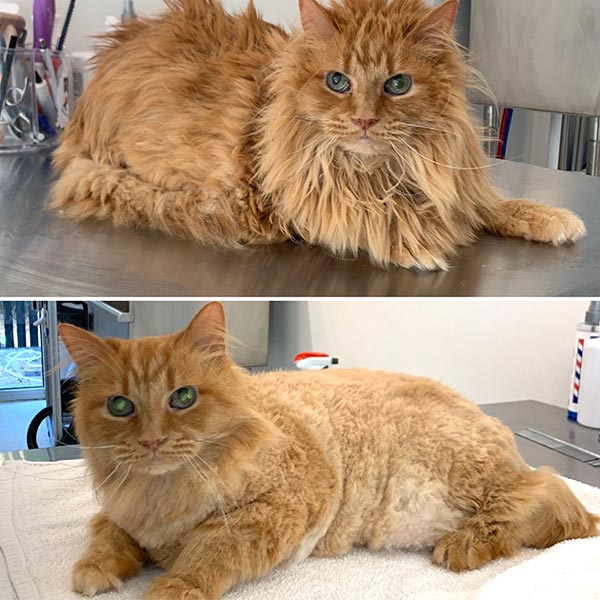
Ensure the grooming area is clean and calm. A relaxed setting reduces anxiety for your cat. Use soothing words and gentle strokes during grooming. This builds trust and makes the process enjoyable for both of you.
Credit: www.daysmart.com
Creating A Routine
Establishing a grooming routine for long-haired cats ensures their coats stay healthy and tangle-free. Regular brushing helps remove loose fur and prevents matting. Providing a calm environment makes grooming a pleasant experience for both the cat and owner.
Creating a routine for grooming your long-haired cat is essential for keeping their coat healthy and free from tangles. Regular grooming not only prevents mats and knots but also builds a trusting relationship with your feline friend. It’s about consistency and adapting to what makes both you and your cat comfortable. Let’s explore how you can establish a routine that suits your cat’s needs and ensures a stress-free grooming experience.Establishing Regular Sessions
Consistency is key to successful grooming. Set aside specific times each week for grooming sessions. This helps your cat anticipate and accept the routine. Think about your daily schedule. Can you spare 15 minutes after breakfast or before bedtime? Choose a time when your cat is most relaxed. Regular sessions prevent the build-up of tangles. It’s easier to manage a few knots than a heavily matted coat. How often do you brush your cat? Create a positive environment. Use treats or toys to encourage your cat to look forward to these sessions. Reward good behavior to strengthen positive associations.Adapting To Your Cat’s Needs
Every cat is unique. Some might enjoy grooming, while others may be skittish. Pay attention to your cat’s body language and adjust accordingly. If your cat resists, try shorter sessions. Gradually increase the time as they become more comfortable. Are you noticing signs of stress like tail flicking or ears back? Consider the tools you use. Some cats prefer soft brushes over combs. Experiment to find what works best for your cat’s coat and temperament. Remember, patience is crucial. If your cat becomes anxious, pause and try again later. Creating a routine doesn’t mean forcing it; it means adapting to what suits your cat best.Frequently Asked Questions
How Do I Groom My Long Haired Cat At Home?
Brush your cat daily using a wide-tooth comb or slicker brush to prevent tangles. Trim any mats carefully with scissors. Use a damp cloth for cleaning the face and ears. Bathe your cat occasionally using cat-friendly shampoo. Trim nails regularly to prevent overgrowth.
Should You Cut A Long Haired Cat’s Fur?
It’s generally unnecessary to cut a long-haired cat’s fur. Regular brushing helps prevent mats and tangles. Only trim if recommended by a vet or groomer. Ensure your cat stays comfortable and healthy.
Should I Take My Long Haired Cat To The Groomer?
Yes, take your long-haired cat to the groomer. Regular grooming prevents matting and reduces shedding. Professional groomers handle difficult areas safely and efficiently. Grooming also promotes a healthy coat and skin. Maintain your cat’s comfort and hygiene with periodic visits.
How To Get Matted Hair Out Of A Long Haired Cat?
Use a detangling spray and gently work through the mat with a wide-tooth comb or fingers. Trim severe mats using pet-safe scissors. Regular grooming prevents mats, while professional help may be needed for extreme cases. Ensure patience and care to avoid stressing the cat.
Conclusion
Grooming a long-haired cat needs patience and care. Regular brushing prevents tangles. Use proper tools to keep fur healthy. Look for knots and gently remove them. Bathing should be occasional, using cat-friendly shampoo. Trim nails to avoid scratches. Check ears and eyes for dirt.
Keep grooming sessions short but consistent. Your cat will feel relaxed and clean. Bonding strengthens as you groom. Follow these steps for a happier, healthier pet. Your efforts make a big difference in their comfort. Enjoy the grooming process and cherish the time spent together.