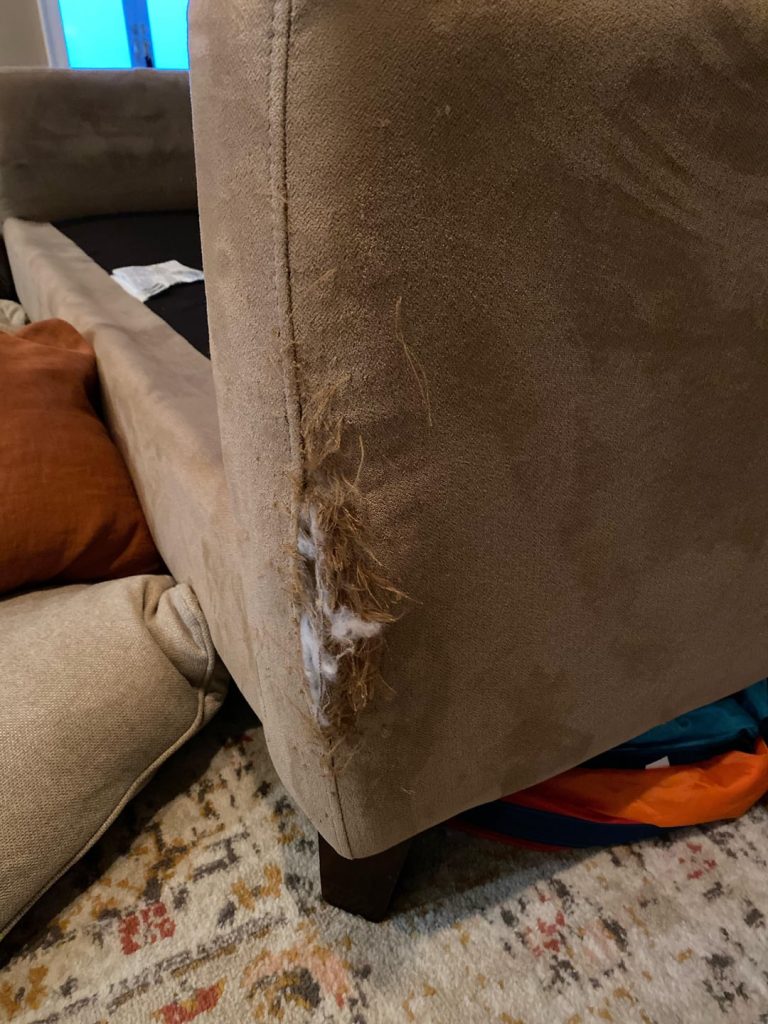
Are you tired of coming home to find your beloved furniture turned into a cat scratching masterpiece? You adore your feline friend, but those claw marks on your couch can be frustrating.
The good news is, you’re not alone in this battle, and there are effective strategies to protect your furniture while keeping your cat happy. Imagine the relief of walking into a living room where your furniture is intact, and your cat is content.
In this guide, you’ll discover simple yet powerful techniques to prevent your cat from tearing up your furniture. Say goodbye to shredded sofas and hello to a harmonious home. Curious about how you can achieve this? Read on to uncover the secrets to a scratch-free sanctuary.

Credit: www.petmd.com
Understanding Cat Behavior
Cats often scratch furniture due to their natural instincts. Providing scratching posts can help redirect this behavior. Use deterrent sprays or covers on furniture to protect it.
Understanding why cats scratch furniture is key to solving the problem. Cats have natural behaviors that often lead to furniture damage. Knowing these behaviors helps in finding solutions. This section explores reasons behind cats’ scratching habits and their natural instincts.Reasons Cats Scratch
Cats scratch for several reasons. Firstly, it helps them maintain their claws. Scratching removes the outer nail sheath. This keeps their claws sharp and healthy. Secondly, scratching marks territory. Cats have scent glands in their paws. By scratching, they leave both visual and scent marks. This makes them feel secure in their environment. Lastly, scratching provides a good stretch. It engages their muscles and joints. This keeps them agile and fit.Natural Instincts
Scratching is a natural instinct for cats. In the wild, they scratch trees and other surfaces. This instinct remains strong in domesticated cats. It is an essential part of their daily routine. Scratching allows them to express emotions. Cats scratch when they are excited or stressed. It is a way for them to release energy. Understanding these instincts helps in managing their behavior. Providing alternatives can redirect their scratching habits. Offer scratching posts or pads. These can mimic the textures they seek. Place them near their favorite scratching spots. This encourages them to use the posts instead. By understanding and respecting their instincts, you can keep your furniture safe.
Credit: www.reddit.com
Choosing The Right Furniture
Choosing the right furniture for your home can make a big difference in keeping your cat from tearing it apart. It’s not just about picking something that looks good; it’s about finding pieces that suit both you and your feline friend. You might be surprised how the materials and fabrics you choose can impact your cat’s behavior. So, what should you look for?
Cat-friendly Materials
Have you ever noticed how some materials seem to attract your cat’s claws more than others? Cats love to scratch, and certain surfaces make this irresistible. Opt for furniture made with materials that don’t encourage scratching, like metal or glass. These surfaces tend to be less inviting for a cat’s claws.
Wood can be tricky; while it’s durable, it’s also tempting for cats. If you love the look of wood, consider pieces with a smooth finish or add protective covers. Are there any materials your cat seems to ignore? Pay attention to what works in your home and make choices accordingly.
Durable Fabrics
When selecting furniture, durable fabrics can be your best ally. Look for options like microfiber or denim. These fabrics are tough enough to withstand a cat’s playful antics and are less likely to snag or tear.
Consider the wear and tear your furniture endures daily. Is it in a high-traffic area? Then durability is key. You want fabrics that can handle both your family’s use and your cat’s curiosity. What fabric has held up well for you? Share your experiences with others who might be facing the same challenges.
Ultimately, the goal is to find a balance between style and functionality. You can have a home that both you and your cat love, without sacrificing your favorite chair. By selecting the right materials and fabrics, you create a space that’s both beautiful and resilient. What changes will you make to protect your furniture from your furry friend?
Providing Alternatives
Preventing furniture damage by cats involves offering scratching alternatives. Provide scratching posts and pads around the home. Use catnip to attract them to these new spots. Regular nail trimming also helps reduce furniture wear.
Providing alternatives is a smart way to save your furniture from the wrath of your cat’s claws. Cats have a natural instinct to scratch, and you can’t change that. But you can provide them with options that satisfy their urge without damaging your home. You might wonder if a simple scratching post can make a difference. Or perhaps a cat tree could divert your feline’s attention. Let’s dive into these solutions that can save your couch and sanity.Scratching Posts
Scratching posts are often the first line of defense against clawed furniture. Place them in areas your cat frequents—near the couch or bed. Cats love variety. Offer different textures like sisal, carpet, or cardboard. Make it fun! Sprinkle a bit of catnip on the post to encourage scratching. Have you ever noticed your cat’s joy when they discover something new? That’s the excitement you want to create.Cat Trees And Condos
Cat trees and condos are like playgrounds for your feline. They offer height, challenge, and scratching surfaces all in one. Position them near windows or places of activity. Cats love a good view and feeling involved in the action. Think about your cat’s personality. If they love to climb, a tall tree is ideal. If they prefer cozy spaces, a condo might be perfect. Imagine watching your cat’s face as they explore their new domain. Isn’t that worth saving your furniture? By providing these alternatives, you redirect your cat’s natural behavior in a way that keeps both of you happy. What creative solutions have you tried to keep your home claw-free?Training And Redirection
Cats love to scratch. It’s in their nature. But your furniture doesn’t need to suffer. Training and redirection can protect your home while keeping your cat happy. Understanding your cat’s needs is the first step. With patience, you can teach your cat where to scratch.
Positive Reinforcement
Positive reinforcement can change your cat’s behavior. Reward good scratching habits with treats. Use praise when your cat uses a scratching post. This encourages your cat to repeat the action. Consistency is key. Always reward the desired behavior promptly. Your cat will learn quickly with regular rewards.
Redirecting Scratching Behavior
Redirecting scratching behavior is essential. Provide scratching alternatives. Place scratching posts near favorite scratching spots. Make these posts appealing. Use catnip or toys to attract your cat. If your cat scratches furniture, gently move them to the post. Consistency helps form new habits. Soon, your cat will prefer the post over furniture.
Using Deterrents
Cats can be discouraged from clawing furniture by using deterrents like sprays or sticky tape. These products create unpleasant surfaces for scratching. Protect your furniture while keeping your cat happy with designated scratching posts nearby.
Keeping your beloved feline from tearing up your furniture can be quite the challenge. Cats have a natural instinct to scratch, and sometimes your sofa or chair becomes their favorite target. But don’t worry, there are effective deterrents that can help protect your furniture while still keeping your cat happy. This section explores some practical tools that you can easily implement.Sprays And Tapes
Sprays and tapes are among the most accessible deterrents you can use. Anti-scratch sprays emit a scent unpleasant to cats but often undetectable to humans. Simply spray these on areas your cat tends to claw. Tapes, especially double-sided options, create an uncomfortable texture. Cats dislike sticky surfaces, making this a great way to train them to avoid certain spots. You can apply these tapes directly to furniture edges and arms. Have you ever noticed how your cat avoids sticky floors? This is because they don’t like the sensation under their paws. Tapes work the same way. It’s a simple trick that takes just minutes to apply.Covers And Protectors
Furniture covers and protectors are another line of defense. They create a physical barrier between your cat’s claws and your cherished couch. Look for covers made from durable materials like microfiber or polyester. These can be stylish and blend with your home decor, while saving your furniture from potential damage. Plus, they’re easy to wash, keeping your living space fresh. Consider a protector that covers the entire sofa or just the vulnerable sections. This way, you can target specific areas your cat loves to scratch. Why not use a cover that complements your room’s style? It’s functional and fashionable, proving that protecting furniture doesn’t mean sacrificing aesthetics. Your furniture is an investment and deserves to be protected. Implementing these deterrents not only saves your couch but also creates a harmonious environment for both you and your cat.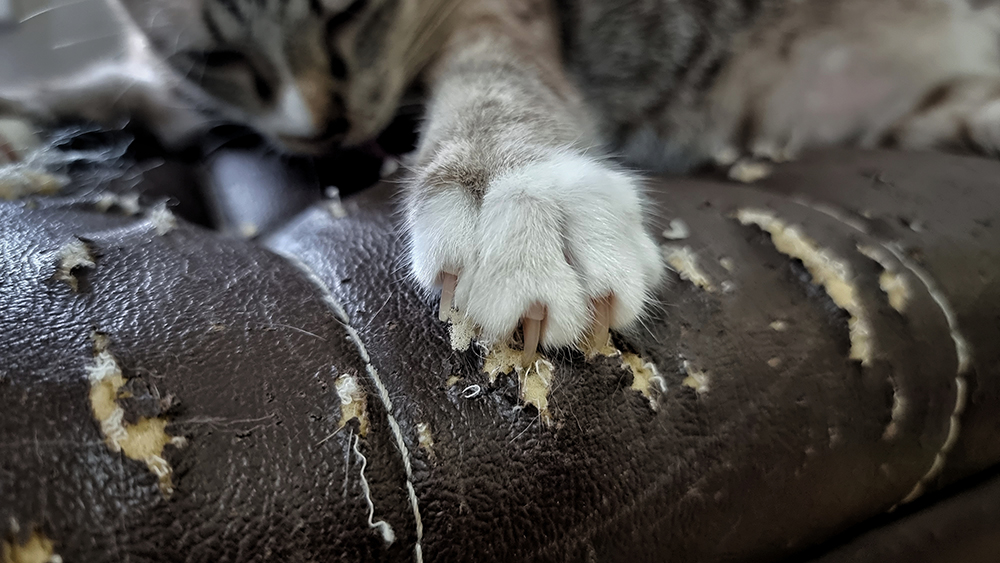
Credit: www.catster.com
Regular Nail Maintenance
Cats often scratch furniture to sharpen their claws. Regular nail maintenance helps reduce this behavior. It keeps your cat’s nails healthy and manageable. With proper care, your furniture stays safe from unwanted scratches. Let’s explore effective methods for nail maintenance.
Trimming Techniques
Trimming your cat’s nails is essential. Use a special cat nail clipper. Hold your cat gently to avoid stress. Press the paw to extend the nails. Cut the sharp tip, avoiding the quick. The quick is the pink part of the nail. It contains nerves and blood vessels. Cutting it causes pain and bleeding. Trim nails every two to three weeks. This keeps them at a safe length.
Using Nail Caps
Nail caps offer another solution. They are small plastic covers for your cat’s claws. Available in different sizes and colors. They prevent damage to furniture. Apply adhesive to the cap, then slide it over the nail. Each set lasts four to six weeks. Cats can still retract their claws. Nail caps are safe and do not harm your cat. They provide an effective barrier against scratching.
Enhancing Home Environment
Enhancing the home environment can help prevent cats from damaging furniture. Cats are curious creatures. They need stimulation and comfort. A well-designed space can deter destructive behavior. By focusing on their needs, you can keep your furniture safe. Let’s explore how to create a cat-friendly home.
Creating Engaging Spaces
Cats love to explore and climb. Set up vertical spaces for them. Use shelves or cat trees. These provide a perch for them to survey their domain. A cozy window seat can be inviting. Cats enjoy watching the world outside. Make sure they have spots to feel safe and entertained.
Providing Toys And Activities
Toys keep cats entertained and active. Provide a variety of toys. Balls, feathers, and laser pointers work well. Interactive toys can engage their hunting instincts. Rotate toys regularly to keep their interest. Puzzle feeders are great for mental stimulation. Cats need both physical and mental activities.
Consulting A Veterinarian
Cats can be mischievous creatures, often targeting furniture with their claws. Consulting a veterinarian can provide invaluable insights into curbing this behavior. A vet can offer professional advice tailored to your cat’s needs, ensuring they remain happy and your furniture stays intact. Let’s dive into why consulting a vet could be your best move.
Behavioral Advice
Veterinarians are not just about shots and check-ups; they’re also experts in animal behavior. They can help identify why your cat might be scratching excessively. Is it boredom? Stress? Or simply a natural habit that needs redirecting? By understanding the root cause, you can take targeted action.
During my own visit to the vet, I discovered my cat was scratching because she was anxious. The vet suggested simple toys to keep her engaged. It worked wonders! Sometimes, the solution is simpler than you think.
What’s your cat trying to tell you? A vet can help decode these signals, offering practical solutions that fit your lifestyle and your cat’s personality.
Health Check-ups
Regular health check-ups with a vet are crucial. Sometimes, furniture destruction isn’t just about behavior; it can signal health issues. Cats might scratch more if they’re uncomfortable or in pain.
A vet can perform a thorough examination to rule out any physical problems. They can check for skin conditions, arthritis, or even dental issues that might lead to stress-related scratching.
Consider scheduling regular vet visits, even when your cat seems healthy. Prevention is better than cure, and early detection can save your furniture from becoming a scratching post.
Have you ever thought that your cat’s furniture frenzy could be a sign of discomfort? A vet’s expertise can ensure your cat’s health is in top shape, leading to a happier home for both of you.
Frequently Asked Questions
How Do I Stop My Cat From Destroying Furniture?
Provide scratching posts and pads to divert your cat’s attention. Use cat deterrent sprays on furniture. Regularly trim your cat’s nails and offer engaging toys. Positive reinforcement with treats helps when they use scratching posts.
How Do I Get My Cat To Stop Tearing Everything Up?
Use scratching posts and toys to redirect your cat’s energy. Trim their nails regularly. Provide plenty of playtime and mental stimulation. Use deterrent sprays on furniture. Positive reinforcement encourages good behavior.
How Do I Make My Furniture Cat Proof?
Cover furniture with washable, durable fabrics. Use scratch-resistant covers or throws. Provide scratching posts nearby. Apply cat deterrent sprays. Trim your cat’s nails regularly.
What Scent Will Deter Cats From Scratching Furniture?
Cats dislike citrus scents like orange and lemon. Use essential oils to deter scratching. Spray diluted oil on furniture. Peppermint and eucalyptus can also help. Regular application may keep cats away from targeted areas. Always ensure oils are safe for pets before use.
Conclusion
Cats can be challenging with furniture. Simple solutions help. Use scratching posts. They divert attention. Try cat-friendly sprays. They deter unwanted scratching. Engage your cat with toys. Playtime reduces stress. Trim their nails regularly. It lessens damage risk. Also, cover furniture temporarily.
Protects while they learn. Patience and consistency are key. Train with gentle methods. Over time, habits will change. Your furniture stays intact. Your cat stays happy. Both can coexist peacefully. Remember, understanding your cat’s needs is vital. Implement these tips today.
Your home can be a harmonious place.