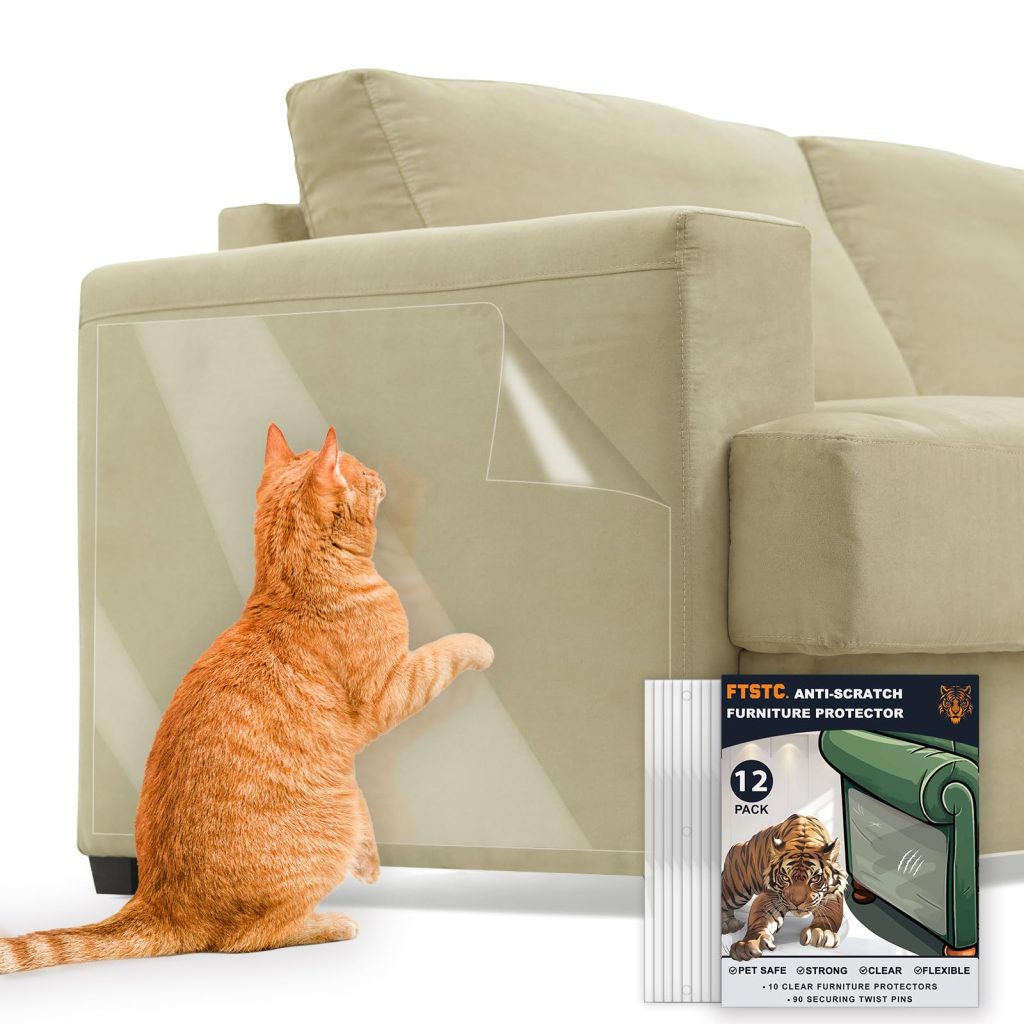
Are your beloved couches and chairs turning into your cat’s favorite scratching post? You’re not alone.
Many cat owners find themselves in a constant battle to protect their furniture from those adorable yet destructive little claws. But what if you could keep your furniture safe without sacrificing your cat’s happiness? Imagine a home where your furniture remains pristine and your furry friend stays content.
You’ll discover simple and effective strategies to safeguard your furniture while keeping your cat’s natural instincts in check. Stay with us, and you’ll be armed with the knowledge to create a harmonious living space for both you and your feline companion.
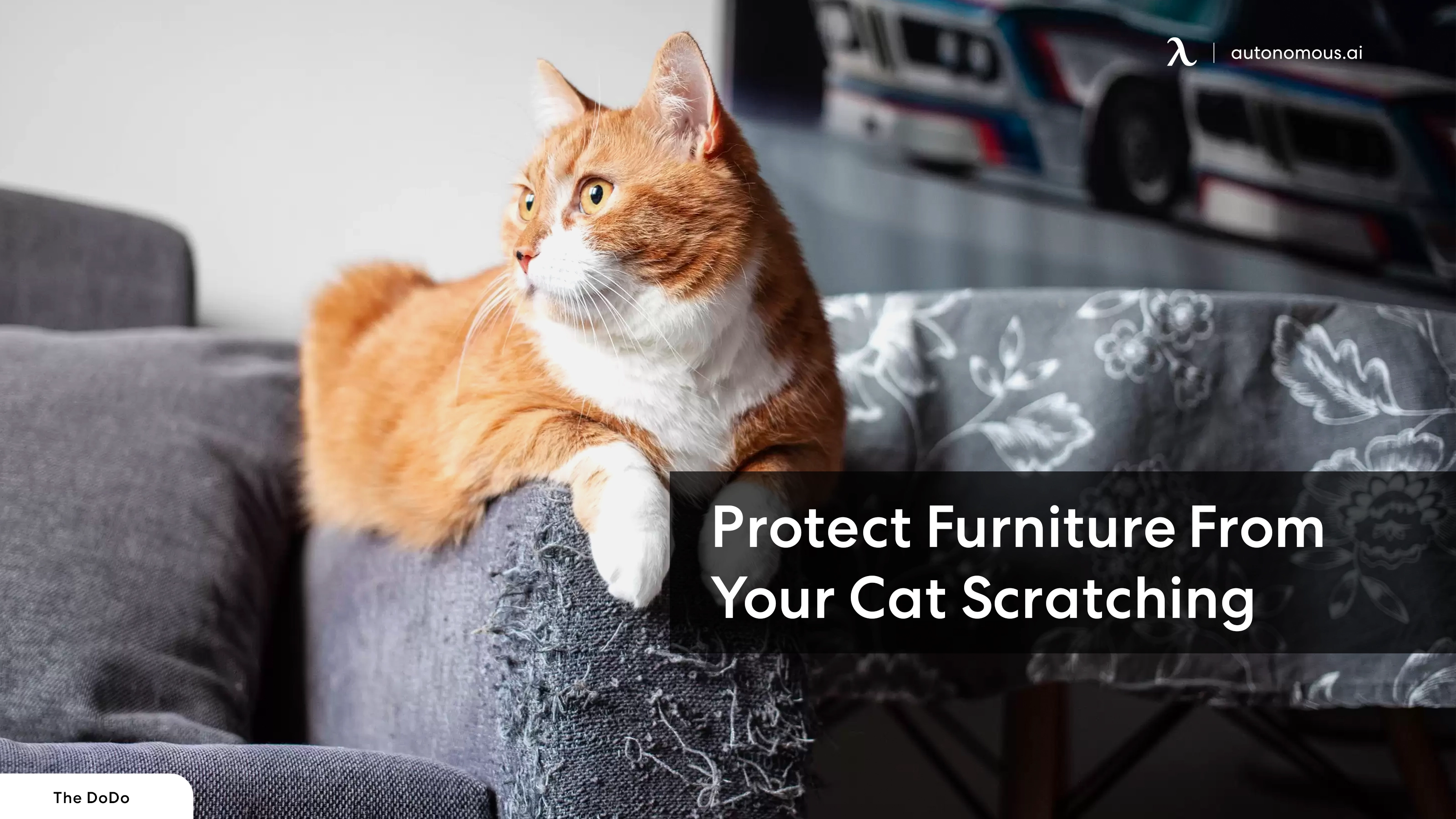
Credit: www.autonomous.ai
Understanding Cat Behavior
Cats have unique behaviors that can confuse many pet owners. Understanding these instincts helps protect your furniture from damage. Cats are not mean or spiteful when they scratch. They act on natural instincts passed down through generations.
By observing and understanding these instincts, you can manage your cat’s behavior better. This understanding will help you create a peaceful home for both you and your feline friend.
Why Cats Scratch
Scratching is an essential behavior for cats. It helps them keep their claws sharp and healthy. Scratching also helps them stretch their muscles and relieve stress. Cats may scratch furniture because it provides a stable surface.
Providing scratching posts can satisfy this need. This ensures your furniture remains safe. Place these posts near areas your cat frequently scratches. This will attract them and deter them from furniture.
Territorial Instincts
Cats are territorial creatures by nature. They use scratching to mark their territory. This behavior releases scent from glands in their paws.
When they scratch, they leave both visual and scent marks. This tells other animals that the area is theirs. Understanding this instinct can help you manage it effectively. Provide specific areas for them to mark. This will help keep your furniture free from scratches.
Choosing The Right Furniture
Choosing the right furniture is crucial when you have cats at home. Cats are naturally curious and playful, which can sometimes lead to scratched surfaces and damaged upholstery. But fear not! With a little insight, you can select furniture that not only complements your home but also withstands the antics of your feline friends.
Cat-friendly Fabrics
One of the first considerations should be the fabric. Look for tightly woven materials. They are less appealing for cats to sink their claws into. Microfiber and synthetic fabrics are generally more resistant to scratches.
Leather, though seemingly robust, can be vulnerable to punctures from sharp claws. If you love the look of leather, consider faux leather, which often fares better under the paws of a playful cat.
Think about color and pattern. Darker shades or patterns can help disguise the fur that inevitably finds its way onto your furniture. This small detail can save you time and effort in cleaning.
Furniture Design Considerations
Design plays a significant role in pet-proofing your home. Opt for furniture with minimal curves and ridges that cats might see as a challenge to climb. Sleek designs are not only modern but less tempting for adventurous cats.
Consider furniture with sturdy legs. Avoid delicate or ornate designs that could easily tip over or break. Solid wood or metal frames are generally more resilient.
Think about the height and accessibility. Cats love to perch. High-backed chairs or tall bookcases can become their favorite spots. Choose options that allow them a safe space without compromising your style.
Have you ever found your cat perched atop your wardrobe, surveying their kingdom? Designing with their natural instincts in mind can prevent surprises like this and keep your furniture intact.
So, when selecting furniture, ask yourself: Does this fabric and design suit both my style and my cat’s habits? By making informed choices, you can create a harmonious space for everyone.
Effective Deterrents
Cats can damage furniture with their claws. Effective deterrents like scratch posts can help. Double-sided tape or aluminum foil on furniture may also work.
Protecting your furniture from your furry friends can be a real challenge. Cats love to scratch, and unfortunately, your sofa often bears the brunt of their sharp claws. But don’t worry, there are effective deterrents you can use to keep your furniture safe.Scratch Repellents
Scratch repellents can be a lifesaver. These products are designed to discourage cats from scratching places they shouldn’t. They often come in spray form, which you can easily apply to your furniture. You can find them in pet stores or online. Choose a repellent that is safe for both your furniture and your feline friend. Look for natural options if you prefer a chemical-free environment. Have you tried using essential oils? Cats dislike certain scents like citrus or lavender. Adding a few drops to water and spraying on your furniture can work wonders.Double-sided Tape
Double-sided tape is another great option. Cats dislike the sticky sensation on their paws, making it an effective deterrent. Apply the tape to areas where your cat tends to scratch. It’s easily available and inexpensive. You can cut it into strips to cover larger areas or use small pieces for targeted spots. Think about your cat’s favorite scratching zones. Are they the armrests or the back of the couch? Place the tape strategically, and notice how your cat avoids these areas. Have you ever considered why cats scratch? It’s not just about sharpening their claws. Scratching is also a way for them to mark territory. By using deterrents, you’re encouraging your cat to find other places to scratch, like a designated scratching post. Try these methods and observe how your cat’s behavior changes. Protecting your furniture doesn’t mean you have to compromise on style or comfort. With the right deterrents, you can keep your home looking great and your cat happy.Providing Alternatives
Protecting furniture from cats can be challenging. Cats love to scratch. Offering alternatives is a smart solution. It keeps your furniture safe. Cats stay happy and engaged. They need proper outlets for their energy. This section covers effective alternatives.
Scratching Posts
Scratching posts are essential. They satisfy your cat’s natural instincts. Choose posts with sturdy bases. This prevents tipping over. Opt for posts covered in sisal rope. Cats prefer rough textures. Place posts near favorite furniture spots. Cats will naturally gravitate towards them. Regularly check for wear and tear. Replace worn posts to maintain interest.
Cat Trees
Cat trees offer climbing and scratching opportunities. They provide multiple levels for exploration. Cats love to climb and perch. Choose trees with various textures. Include carpet, sisal, and wood. Ensure stability to prevent accidents. Place trees in areas with good views. This encourages use and keeps cats engaged. Cats enjoy elevated spaces. Regularly clean trees to remove fur and debris.
Training Techniques
Cats can be adorable companions, but they sometimes harm furniture. Training your cat can protect your cherished pieces. Effective techniques make a big difference. They guide cats to behave responsibly. Let’s explore two strategies. These methods help in teaching cats healthy habits. With patience, you can save your furniture.
Positive Reinforcement
Reward good behavior. Praise your cat for using a scratching post. Offer treats when they avoid the couch. Cats respond to positive feedback. It motivates them to repeat good actions. Use toys as rewards too. Cats love playtime. This builds a positive association. Your cat learns where to scratch. It becomes a pleasant routine.
Redirecting Behavior
Guide your cat away from the couch. Move them to a designated spot. Use a scratching post nearby. Encourage them to use it. Distract with toys or sounds. Clapping can work sometimes. This shifts their focus. Make the scratch post appealing. Add catnip to attract them. Cats will choose the post over furniture.
Maintaining A Cat-friendly Environment
Cats are curious by nature. They love to explore every nook and cranny. To protect your furniture, create a cat-friendly environment. This will keep them entertained and away from your precious pieces.
Interactive Toys
Interactive toys can capture your cat’s attention. They stimulate their mind and body. Toys like feather wands and laser pointers are great. These toys keep them busy and away from your furniture. Puzzle toys filled with treats can also work wonders. They encourage problem-solving while satisfying their hunger.
Regular Playtime
Regular playtime is crucial for happy cats. It helps them burn off energy. Spend at least 15 minutes a day playing with them. Use toys they can chase or pounce on. This builds a strong bond with your cat. It also reduces their desire to scratch or climb furniture. Consistent playtime keeps their mind engaged and stress levels low.
Repairing Damaged Furniture
Cats can be tough on furniture, often leaving scratches. Use furniture covers to keep surfaces safe. Provide scratching posts as alternatives, encouraging your feline friends to use them instead.
Cats can bring joy and companionship to our lives, but they can also be a bit rough on our furniture. If you’ve ever walked into a room to find your beloved sofa clawed to bits, you’re not alone. Repairing damaged furniture is a crucial step in maintaining a harmonious home with your feline friends. Let’s explore some straightforward ways to address those pesky scratches and bites.Simple Fixes
Sometimes, the damage isn’t as bad as it looks. Small scratches on wooden furniture can often be addressed with items you already have at home. Try using a walnut to rub over the scratches. The natural oils can help diminish the appearance of the marks. For fabric furniture, fabric glue or patch kits can be lifesavers for minor tears. Adding a colorful patch can even turn a repair into a fun, decorative element. It’s a quick solution that doesn’t require professional skills. Do you have leather furniture? A leather conditioner or repair kit can work wonders on minor scuffs. These kits are available at most home improvement stores and come with easy-to-follow instructions.Professional Restoration
If the damage is beyond a simple fix, it might be time to consider professional help. A professional restorer can bring your furniture back to life. They have the tools and expertise to handle everything from deep scratches to structural repairs. Have you ever thought a piece was beyond saving, only to see it restored to its former glory? Professional restorers can often match colors and textures perfectly, making the furniture look like new. This option can be more costly, but it might be worth it for cherished pieces. Before deciding on professional restoration, assess the value of your furniture. Is it a family heirloom or a high-quality piece that you love? If so, investing in professional repairs might be the right choice for you. Repairing your furniture is part of living with cats. Would you rather fix a beloved item than replace it? With a mix of simple fixes and professional help, you can keep your home looking beautiful and cat-friendly.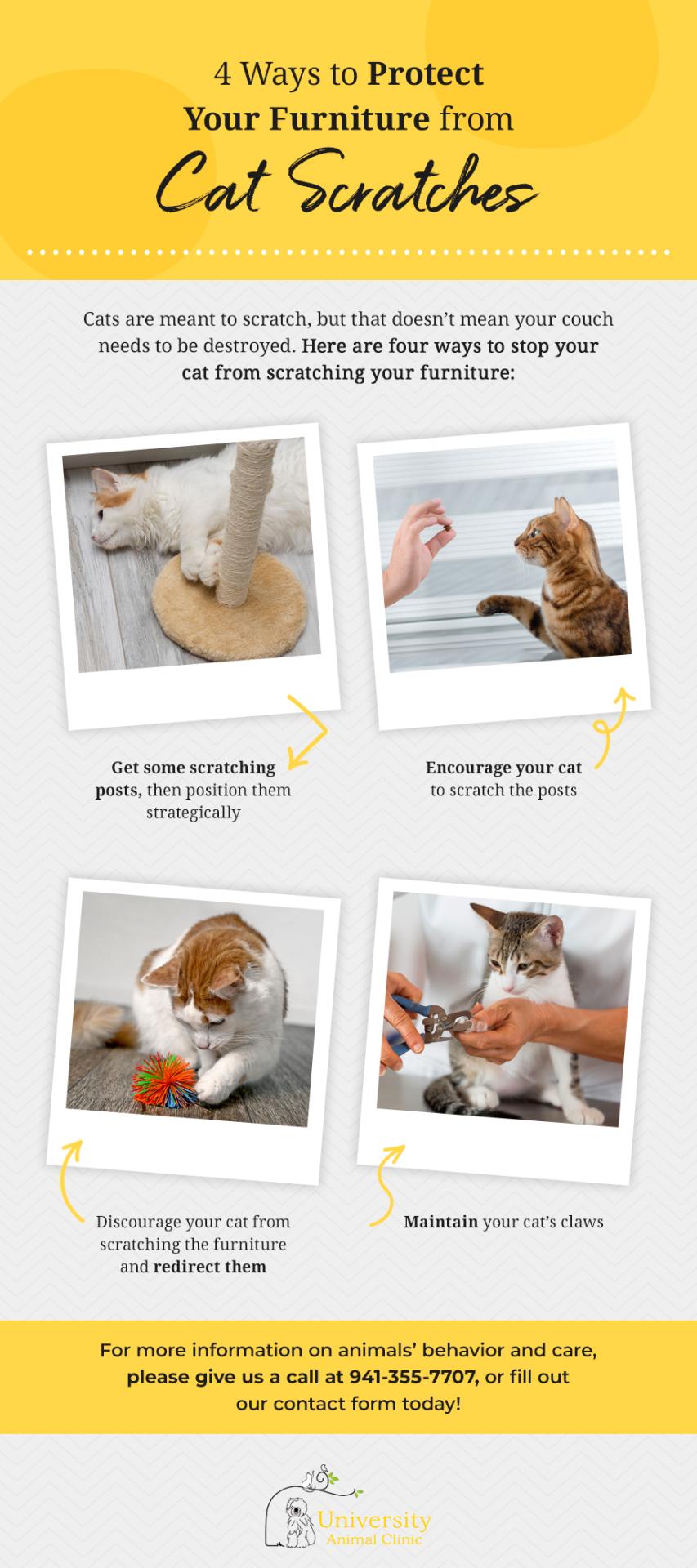
Credit: www.theuniversityanimalclinic.com

Credit: nolaninterior.com
Frequently Asked Questions
How To Cat Proof Your Furniture?
Use furniture covers to protect against scratches. Train cats with a scratching post. Apply double-sided tape to deter climbing. Use sprays or scents cats dislike. Trim claws regularly to minimize damage.
How Do You Stop A Cat From Tearing Up Your Furniture?
Use cat-friendly furniture covers or deterrent sprays. Provide scratching posts and regular playtime. Trim your cat’s claws regularly. Use positive reinforcement to encourage scratching on appropriate surfaces. Consider using claw caps for added protection.
How To Deter Cats From Getting On Furniture?
Use double-sided tape or aluminum foil on furniture surfaces. Cats dislike the texture. Provide alternative scratching posts and comfy spots. Use cat deterrent sprays with citrus scents. Consistently train with gentle redirection and rewards. Maintain a clean, clutter-free space to minimize temptation.
What Couch Material Will Cats Not Scratch?
Microfiber and leather are good choices for couches that resist cat scratches. Microfiber’s tight weave deters claws, while leather’s smooth surface is less appealing for scratching. Opt for these materials to maintain your furniture’s look and longevity.
Conclusion
Protecting furniture from cats is simple with the right approach. Use covers or throws to shield sofas and chairs. Offer scratching posts to divert their claws. Train your cat consistently. Reward good behavior. Keep furniture clean and free from enticing scents.
Trim their nails regularly to reduce damage. Use deterrents like citrus sprays if needed. Create cozy spaces that attract them away from your furniture. Remember, patience is key. Your furniture can stay safe while your cat enjoys their environment. Follow these tips, and both your cat and furniture will thrive.