Are you curious about what protein percentage is best for your feline friend? You’re not alone.
Many cat owners find themselves pondering this crucial question. After all, you want what’s best for your cat, ensuring they stay healthy, active, and happy. Understanding the ideal protein intake can be a game changer, helping you make informed decisions about your pet’s diet.
You’ll discover the optimal protein levels for cats, backed by scientific insights and expert recommendations. Stick around, and you’ll gain valuable knowledge that could transform your cat’s well-being.

Credit: shop.smucker.com
Importance Of Protein In Cat Diets
Protein plays a vital role in your cat’s health. It’s essential for growth and repair. Cats are obligate carnivores. They rely heavily on protein. A proper protein intake supports energy and overall well-being.
Without adequate protein, cats may face health issues. Their bodies can suffer. Weak muscles or poor coat condition may result. Understanding protein needs is key to a balanced diet.
Why Cats Need High Protein
Cats have unique dietary needs. They require more protein than dogs. Their bodies use protein for fuel. It helps maintain lean muscle mass. High protein ensures cats stay active and healthy.
Role Of Protein In Muscle Development
Protein aids in building strong muscles. It supports growth in kittens. Adult cats benefit too. Strong muscles lead to a playful life. Protein is the building block for muscle tissue.
Protein And Skin Health
Protein affects skin health in cats. A shiny coat indicates good nutrition. Protein supports skin regeneration. It keeps fur smooth and vibrant. Healthy skin reflects a well-balanced diet.
Impact On Cat’s Energy Levels
Protein fuels your cat’s energy. Active cats need more protein. It keeps them agile and lively. Energy from protein helps in daily activities. A protein-rich diet supports their playful nature.
Choosing The Right Protein Percentage
Finding the right protein percentage matters. It varies based on age and lifestyle. Consult a vet for advice. Ensure balanced nutrition. Tailor protein intake to your cat’s needs.
Factors Influencing Protein Needs
Cats need a diet with the right protein percentage for their health. Factors like age, activity level, and health status influence protein needs. Understanding these can help determine the best protein percentage for your feline friend.
Cats are obligate carnivores. They thrive on a diet rich in protein. But how much protein do they really need? Several factors can influence this requirement. Understanding these factors ensures your cat stays healthy and active. Each cat’s protein needs can vary. Let’s explore the key factors that affect their dietary needs.Age And Life Stage
Kittens require more protein than adult cats. Their bodies grow rapidly. Protein supports this growth. Senior cats also have unique needs. Their metabolism slows down. A balanced protein intake maintains their muscle mass. Adult cats, meanwhile, need steady protein for energy and repair. Each life stage demands a tailored diet.Activity Level
Active cats burn more energy. They need more protein to fuel their activities. Lazy or indoor cats may need less. Adjusting protein intake helps manage weight. It’s crucial to monitor your cat’s lifestyle. This ensures they receive the right nutrition. A balanced diet supports their energy needs.Health Conditions
Some health conditions alter protein needs. Cats with kidney disease may need less protein. Those with muscle loss might need more. Allergies can also impact diet choices. Consulting a vet is vital. They help determine the best diet for specific health issues. Tailoring protein intake supports overall well-being.Optimal Protein Percentage For Cats
Understanding the optimal protein percentage for cats is crucial for their health and well-being. Cats are obligate carnivores, meaning their bodies are designed to thrive on protein-rich diets. You might wonder how much protein is enough for your feline friend. Too little can lead to health problems, while too much might not be beneficial either. Let’s dive into the specific needs for kittens, adult cats, and senior cats.
Kittens
Kittens are in their rapid growth phase, and their bodies require more protein for development. A diet with around 35-50% protein is usually ideal. This higher percentage supports their muscle growth, organ development, and overall energy needs.
Think about when you were a child, constantly growing and needing nutritious food to fuel your energy. Kittens are similar in this regard. Ensuring their diet includes the right protein percentage can set them up for a healthy life.
Adult Cats
Adult cats have different requirements. Their energy levels are more stable, and they need less protein compared to kittens. A protein percentage of 25-35% is generally sufficient for maintaining their health.
Consider your cat’s lifestyle and activity level. An active cat may benefit from a diet on the higher end of this range, while a more sedentary cat might do well with slightly less. Have you ever adjusted your diet based on your activity level? Your cat’s needs are just as unique.
Senior Cats
Senior cats often face age-related health issues, and their protein needs can vary. Around 30-40% protein can help support muscle maintenance and overall health. However, it’s crucial to monitor kidney function, as too much protein can be taxing on older cats.
Remember when you had to change your habits as you aged? Senior cats require similar attention. Regular check-ups with your vet can help ensure your senior cat is getting the right amount of protein for their specific needs.
So, what’s the right protein percentage for your cat? It depends on their age and lifestyle. By understanding these needs, you can make informed choices that support your cat’s health and happiness. Are you ready to adjust your cat’s diet for optimal health?
:strip_icc()/Spruce-best-cat-foods-for-urinary-tract-health-4692666-246862425e9947d89fc520b2d19a62d4.jpg)
Credit: www.thesprucepets.com
Comparing Wet And Dry Food Protein Levels
Selecting the right protein percentage for cats involves understanding the differences between wet and dry food options. Wet food often contains higher moisture, which can dilute protein levels. Dry food generally offers more concentrated protein, making it vital to choose based on your cat’s specific dietary needs and health requirements.
When choosing the right food for your cat, understanding protein levels in wet and dry food is crucial. Cats are obligate carnivores, meaning they need a high protein diet to thrive. But how do you ensure your feline friend gets the right amount from their meals? Let’s break down the differences between wet and dry cat food when it comes to protein content.Understanding Protein Content In Wet Cat Food
Wet cat food usually boasts higher protein levels compared to dry food. It’s not just about the percentage on the label. The actual moisture content influences the amount of protein your cat consumes. If you’ve ever opened a can of wet food, you’ve likely noticed its rich aroma and texture. This high moisture content means your cat gets more hydration alongside protein.Exploring Protein In Dry Cat Food
Dry cat food, often called kibble, tends to have less moisture but is densely packed with nutrients. This means the protein percentage may appear lower on the label, yet the actual protein intake might be similar when adjusted for moisture content. Think about your own experiences with snacks. A handful of dried fruit packs a concentrated nutrient punch despite its size. Similarly, kibble delivers protein in a compact form.Choosing The Right Balance For Your Cat
Finding the right protein balance in your cat’s diet isn’t just about comparing numbers. Consider your cat’s age, health, and lifestyle. A young, active cat might thrive on higher protein levels, while an older cat may require something different. Have you ever noticed how your cat reacts differently to wet versus dry food? Their preferences can offer clues about what suits them best.Practical Tips For Selecting Cat Food
– Read Labels Carefully: Check both protein percentage and moisture content. – Observe Your Cat: Notice changes in energy or coat condition when switching foods. – Consult Your Vet: They can provide insights tailored to your cat’s specific needs. – Mix It Up: Sometimes a combination of wet and dry food offers the best of both worlds. Do you find that your cat prefers one type of food over the other? Paying attention to their preferences can lead to a healthier and happier cat. Understanding protein levels in cat food doesn’t have to be complex. With these insights, you can make informed decisions that cater to your cat’s unique dietary needs.Balancing Protein With Other Nutrients
Cats thrive on a diet rich in protein, but a balanced meal is crucial. Protein builds muscles and supports overall health. Yet, it must be balanced with other nutrients. Fats, carbohydrates, vitamins, and minerals play vital roles. Each nutrient contributes to your cat’s well-being in unique ways. Understanding this balance ensures a healthy, happy cat.
Fats
Fats provide energy and help absorb certain vitamins. They support skin health and enhance the taste of food. Omega-3 and Omega-6 fatty acids are essential for a cat’s health. They aid in brain function and reduce inflammation. A balanced diet should include adequate fat levels. Too much fat leads to obesity. Too little affects energy and coat health.
Carbohydrates
Carbohydrates are not primary for cats. Cats derive energy mainly from proteins and fats. Yet, small amounts can be beneficial. They support digestion and provide fiber. Fiber helps maintain weight and prevents hairball formation. Choose carbohydrates wisely for your cat’s diet. Avoid excessive amounts that lead to weight gain.
Vitamins And Minerals
Vitamins and minerals are vital for a cat’s health. They support immune function and bone health. Vitamins like A, D, E, and K are necessary. Minerals like calcium and phosphorus are essential. These nutrients work together to boost health and vitality. A well-rounded diet includes these elements for optimal wellness. Be mindful of deficiencies or excesses.
Signs Of Protein Deficiency
Cats need a balanced diet with the right protein percentage to stay healthy. Signs of protein deficiency in cats include poor coat condition, weight loss, and lethargy. Ensuring the right protein intake supports their muscle development and energy levels.
Cats, like humans, need the right balance of nutrients to stay healthy and active. Protein is a vital part of a cat’s diet, supporting everything from muscle development to a shiny coat. But how do you know if your cat is getting enough protein? Recognizing the signs of protein deficiency can help you ensure your feline friend stays in top shape. Let’s explore what to watch for.Unexplained Weight Loss
If your cat is losing weight despite eating normally, it might be a sign of protein deficiency. This can happen because your cat’s body starts breaking down its own muscle tissue for protein. Keep an eye on your cat’s weight and consult your vet if you notice any sudden changes.Dull Coat And Hair Loss
A healthy cat should have a glossy coat. Protein deficiency can lead to a dull, rough coat or even hair loss. This is because protein is essential for maintaining healthy skin and fur. Regular grooming sessions can help you spot these changes early.Lethargy And Weakness
Cats are naturally curious and playful creatures. If your cat seems unusually tired or weak, it might not be getting enough protein. Protein is crucial for energy, so a deficiency can leave your cat feeling sluggish. Consider how active your cat used to be compared to now.Poor Growth In Kittens
Kittens require a higher protein intake than adult cats to support their rapid growth. If a kitten is not growing as expected, it might be due to insufficient protein. Monitor your kitten’s development milestones and talk to your vet if something seems off.Frequent Illnesses
A strong immune system relies on adequate protein. If your cat is falling sick more often than usual, it could be linked to a lack of protein. Ensuring your cat’s diet meets its protein needs can help bolster its natural defenses. Recognizing these signs early can make a significant difference in your cat’s health. Have you noticed any of these symptoms in your feline friend? If so, it might be time to reassess your cat’s diet. Consult with your vet to find the best protein percentage for your cat, ensuring a happy, healthy life.Risks Of Excessive Protein
Cats need protein to stay healthy. But too much can be harmful. Many cat owners think more protein means better health. This is a common misconception. Excessive protein can pose serious risks to your cat’s health.
Understanding these risks helps ensure your cat’s well-being. Not all cats process protein the same way. Some breeds are more sensitive. Some health conditions make high protein dangerous. Let’s explore these risks further.
Potential Kidney Damage
High protein levels can strain a cat’s kidneys. Cats with kidney issues need special diets. Too much protein can worsen their condition. It’s vital to monitor protein intake in such cases.
Digestive Issues
Cats may struggle to digest excessive protein. This can lead to digestive problems. Symptoms include diarrhea and vomiting. Ensuring balanced protein levels can prevent these issues.
Increased Risk Of Obesity
Excess protein can lead to weight gain. Obesity in cats is a growing concern. It can cause other health problems. Balance is key to maintaining a healthy weight.
Imbalance Of Nutrients
Too much protein can cause nutrient imbalances. Cats need a variety of nutrients to stay healthy. A diet too high in protein might lack other essentials. This can affect overall well-being.
Impact On Liver Health
The liver processes excess protein. Consistent high protein intake can strain the liver. This may lead to liver complications. Monitoring protein levels is crucial for liver health.
Credit: petfoodshop.com
Choosing Quality Protein Sources
Choosing the right protein sources for your cat can feel like navigating a maze. You want your feline friend to be healthy, active, and content, but what’s the secret to achieving this? Quality protein is key. It’s the building block of muscles, skin, and fur, and it’s vital for a thriving cat. Let’s dive into the types of protein that can make a difference in your cat’s diet.
Animal-based Proteins
Animal-based proteins are often the cornerstone of a cat’s diet. They provide essential amino acids that your cat’s body can’t produce on its own. Think of chicken, fish, and beef as powerhouses that fuel your cat’s day-to-day activities.
Have you noticed your cat chasing a toy with relentless energy? That vigor is driven by proteins from these sources. Many cats naturally gravitate towards these flavors, making meal times a joy. Consider experimenting with different types to see which one makes your cat purr the loudest!
Plant-based Proteins
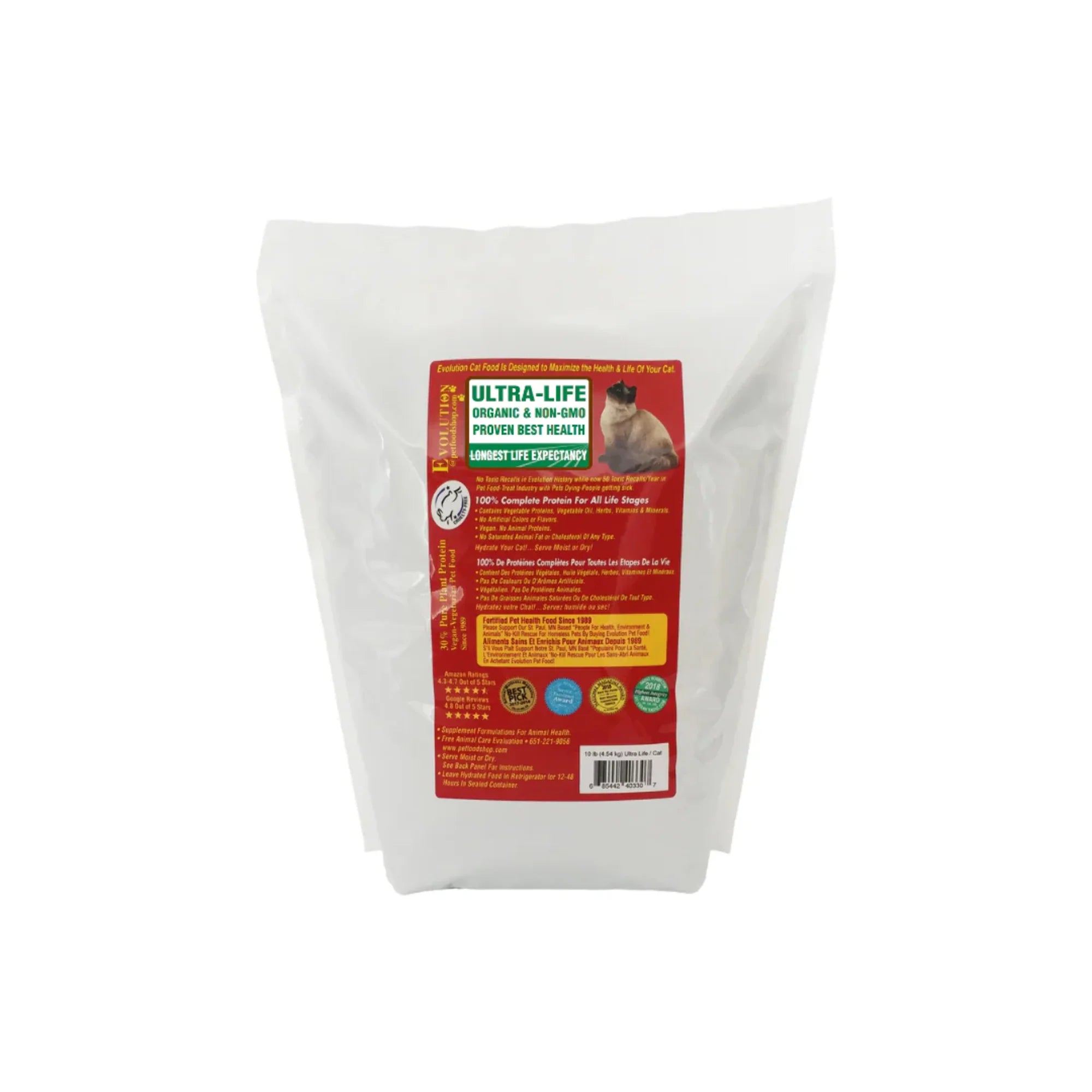
Plant-based proteins might not be what you first think of for cats, but they can play a role in a balanced diet. Ingredients like peas and lentils can complement animal proteins. They offer fiber and additional nutrients, although they lack some amino acids found in meat.
Are you concerned about sustainability? Plant-based proteins can be a more environmentally friendly choice. However, ensure they don’t become the primary protein source. Cats are obligate carnivores, meaning they need animal protein to thrive.
Finding the right balance is crucial. Have you tried mixing animal and plant proteins to create a varied and exciting diet for your cat? This combination can help ensure your cat receives all the nutrients they need while keeping their meals interesting.
What protein sources have you found most effective for your cat? Share your experiences and insights in the comments. Your journey can inspire others to make informed choices for their furry companions. Remember, every cat is unique, and finding what works best can be a rewarding adventure!
Frequently Asked Questions
Is 40% Protein Too Much For Cats?
A 40% protein diet is generally safe for cats. Cats are obligate carnivores, requiring high protein intake. Ensure the protein is high-quality, sourced from animal-based ingredients. Always consult your veterinarian to tailor the diet to your cat’s specific needs and health conditions.
What Percentage Of Protein Should A Cat Eat?
Cats require a diet with 26-35% protein for optimal health. Protein supports muscle growth and overall well-being. Quality sources include chicken, fish, and turkey. Ensure your cat’s food meets these requirements for a balanced diet. Consult with a veterinarian for personalized dietary advice.
Is 30% Crude Protein Good For Cats?
Yes, 30% crude protein is generally good for cats. Cats are obligate carnivores, requiring high protein intake for optimal health. Ensure the protein source is quality, and consult your vet for specific dietary needs. Adjust based on age, activity level, and health conditions.
Is 8% Protein Good For Cats?
Cats need protein for energy and overall health. 8% protein is below the recommended level. Aim for at least 25-30% protein in cat food. Higher protein supports muscle maintenance and growth, keeping your cat healthy. Always check food labels for protein content when choosing cat food.
Conclusion
Choosing the right protein percentage for cats matters. Balance is key for health. Cats need protein for energy and muscle. Too little or too much can harm. Consult a vet for guidance. They can recommend the best diet. Always consider age and health.
Younger cats need more protein. Senior cats might need less. Quality also counts, not just quantity. Opt for high-quality sources. Quality protein supports growth and well-being. Keep monitoring your cat’s health. Adjust diet if necessary. Your cat deserves the best care.
A balanced diet ensures a happy, healthy life.