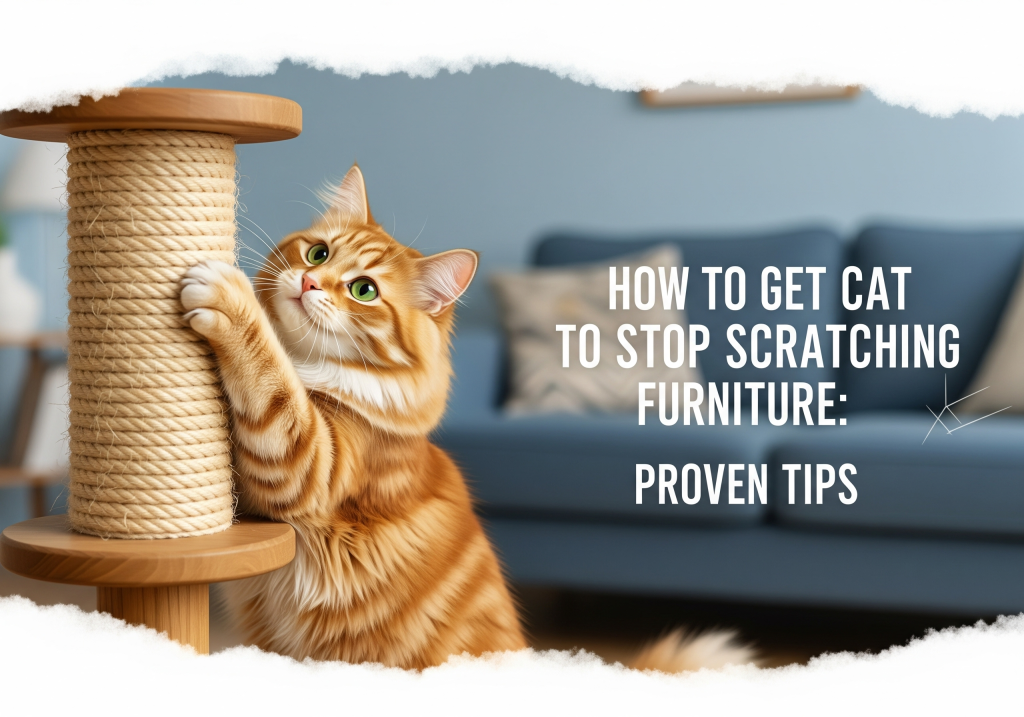
Are you tired of finding your favorite couch shredded to bits or your elegant armchair covered in claw marks? If you’re nodding your head, you’re not alone.
Many cat owners face the challenge of keeping their furry friends from turning their cherished furniture into a personal scratching post. But don’t worry—there’s hope! Understanding why your cat scratches and learning how to redirect this behavior can save your furniture and give you peace of mind.
You’ll discover simple and effective strategies to stop your cat from scratching the furniture, ensuring a happy home for both you and your feline companion. Keep reading to find out how you can transform your living space into a scratch-free zone.

Credit: www.embassyofpakistanusa.org
Understanding Cat Scratching Behavior
Cats scratch to mark territory and keep their claws healthy. Redirect this habit by offering scratching posts. Placing these near furniture can help protect your belongings.
Understanding why your cat scratches your furniture is the first step in addressing this common issue. Cats don’t scratch to annoy you or ruin your belongings. Instead, it’s a natural behavior that serves several important purposes in their lives.Reasons Cats Scratch
Cats scratch for various reasons, and each is essential to their well-being. Scratching helps them remove the dead outer layer of their claws. It’s also a form of exercise that keeps their muscles toned and healthy. Have you ever noticed your cat stretching luxuriously while scratching? That’s because it helps them stretch their bodies and flex their feet and claws. Scratching is also a way for cats to mark their territory. Their paws have scent glands that release pheromones, leaving a scent mark on the scratched area. This is their way of saying, “This is my space.”Natural Instincts And Needs
Scratching is deeply rooted in a cat’s instincts. Even well-fed, indoor cats retain the same instincts as their wild ancestors. Cats need to scratch to keep their claws sharp for defense and climbing. Providing appropriate scratching outlets is crucial. If you don’t offer alternatives like scratching posts, your furniture becomes the next best thing. Have you ever tried different types of scratching posts? Some cats prefer vertical ones, while others enjoy horizontal surfaces. Experiment to find what your cat prefers. Consider what would happen if you didn’t have the right tools to fulfill your needs. Frustration would build, right? It’s the same for your cat. By understanding their behavior, you can create a more harmonious home for both you and your furry friend. What has been your experience with your cat’s scratching behavior? Have you noticed any patterns or specific furniture pieces they target? Understanding these behaviors can help you guide their scratching habits to more acceptable surfaces.Training And Behavioral Solutions
Cats often scratch furniture out of boredom or to mark territory. Redirect their attention with scratching posts placed nearby. Consistent training and positive reinforcement encourage healthier behavior and protect your furniture.
Training and behavioral solutions play a pivotal role in curbing your cat’s scratching habits. Cats scratch to mark territory, relieve stress, and maintain their claws. Transforming this instinctual behavior requires patience and understanding. Implementing effective training methods can protect your furniture while nurturing a harmonious relationship with your feline friend.Positive Reinforcement Techniques
Rewarding good behavior encourages your cat to choose desirable actions. Whenever your cat uses a scratching post, offer treats or affection. Praise your cat with a gentle voice and petting. This reinforces the idea that using the post leads to pleasant experiences. Consistency is key. Make sure rewards are given every time the scratching post is used. Interactive toys can divert attention from furniture. Engage your cat in play sessions using these toys. This not only provides physical activity but also mentally stimulates them. A tired cat is less likely to scratch furniture. Ensure toys are safe and suitable for your cat’s age and size.Setting Boundaries
Boundaries help in guiding your cat’s behavior. Use physical barriers like double-sided tape on furniture. Cats dislike the sticky texture and will avoid these areas. This discourages them from scratching couches or tables. Provide ample scratching posts around your home. Ensure they are sturdy and tall enough for stretching. Place these posts near furniture your cat frequently scratches. This offers them a more appealing alternative and helps to redirect their behavior. Regular maintenance of posts is essential; replace worn-out posts to keep them attractive. Training and setting boundaries require patience. Understand that change takes time. Always approach your cat with kindness and consistency. These methods will gradually help stop destructive scratching, preserving your furniture and enhancing your bond.Alternative Scratching Options
Cats can be redirected to alternative scratching options like scratching posts or cardboard scratchers. These items help protect your furniture while satisfying your cat’s need to scratch. Placing these alternatives near favorite scratching spots encourages your cat to use them.
Are you tired of finding your beloved furniture scratched up by your feline friend? You’re not alone. Cats have a natural instinct to scratch, but there are alternative options to keep both your cat happy and your furniture intact. By offering them suitable scratching alternatives, you can redirect their behavior effectively.Choosing The Right Scratching Post
The right scratching post can be a game-changer. Not all posts are created equal, and finding one that suits your cat is crucial. Think about the material. Does your cat prefer sisal, carpet, or cardboard? Observe what they like scratching outside the house. Height matters too. Cats love to stretch when they scratch. Ensure the post is tall enough for a full stretch. Placement is key. Put it near the furniture they usually scratch. This way, they can easily transition to the new option.Encouraging Use Of Scratchers
You can’t just bring home a scratching post and expect miracles. Encourage your cat to use it. Positive reinforcement works wonders. Reward them with a treat or affection every time they use the post. Add some catnip to the post. Cats are attracted to its scent, and it can motivate them to use the new scratcher. Show them how it’s done. Scratch it yourself and make it a fun, interactive session. Your cat will soon follow your lead. Have you tried offering different types of scratchers? Sometimes, variety can pique their interest. Cats are creatures of habit, but they can adapt. With the right approach, you can guide them to make better choices.:strip_icc()/keep-cat-from-scratching-carpet-554831_final-a8dcf3bb9e3b4c269259604c244f42d5.png)
Credit: wb-iisg.com
Protecting Furniture From Scratches
Discourage cats from scratching furniture with scratch posts or mats. Offer toys to divert their attention. Regular nail trimming can help reduce damage.
Protecting Furniture from Scratches Cats have an innate urge to scratch, which can be a nightmare for your beloved furniture. If you’re tired of seeing claw marks on your sofa, it’s time to take action. Protecting your furniture from scratches is not only about preserving its beauty but also about ensuring your home remains a happy place for both you and your feline friend.Using Furniture Covers
Furniture covers can be a lifesaver for your couches and chairs. They’re easy to use and can be removed whenever you have guests over. Look for durable materials that are resistant to scratching, like microfiber or quilted fabric. A personal tip: I once used a vibrant patterned cover that not only protected my couch but also added a splash of color to the room. Sometimes, a simple cover can transform your space while keeping it cat-proof.Applying Deterrents
Deterrents can be an effective way to keep cats from scratching your furniture. Products like sticky tape or sprays can make the surface less appealing to your cat. Make sure to choose pet-safe options to avoid harming your furry friend. Have you tried natural deterrents? Citrus scents, which cats dislike, can work wonders. I remember applying a lemon-scented spray on my favorite armchair, and it kept my cat away. It’s amazing how such a small change can make a big difference. When considering these strategies, think about your cat’s behavior. What draws them to scratch certain pieces? Understanding this can guide you in choosing the best protection methods. Don’t let scratches define your home—take charge and enjoy a scratch-free environment.Maintaining Healthy Cat Claws
Prevent furniture damage by redirecting your cat’s scratching habits. Provide scratching posts and keep claws trimmed. Use deterrents like double-sided tape on furniture to discourage unwanted behavior.
Maintaining healthy cat claws is essential not only for your feline friend’s well-being but also for the preservation of your furniture. Cats naturally scratch to keep their claws sharp and healthy, but this behavior can wreak havoc on your couch and other beloved items. Understanding claw care can make a world of difference in managing this natural instinct. Let’s dive into how you can help your cat maintain healthy claws while safeguarding your home.Regular Claw Trimming
Trimming your cat’s claws regularly is a simple yet effective way to reduce furniture scratching. Cats don’t always know when their claws are too long, so it’s up to you to step in. Use a pair of cat nail clippers and gently cut the tips of their claws. Are you worried about the process? Practice makes perfect. Start by getting your cat used to having their paws handled. Make it a routine—once every few weeks is ideal. Some cats might resist at first, but patience is key. Reward them with treats and affection afterward. This can turn claw trimming into a positive experience for both of you.Importance Of Claw Care
Why is claw care important? Healthy claws prevent painful injuries and infections. Long claws can grow into your cat’s paw pads, causing discomfort. Regular maintenance helps avoid this issue. Moreover, trimmed claws mean less damage to your furniture. Cats scratch to remove dead layers from their claws. When their claws are too long, they’ll scratch more aggressively. By keeping them trimmed, you reduce the risk of deep scratches on your furniture. Have you noticed your cat scratching more during certain times? This might indicate their claws need attention. Regular check-ins can help you spot when it’s time for a trim. Ultimately, maintaining healthy claws keeps both your cat and your furniture in harmony. With these actionable tips, you can create a happier home for you and your feline companion.Consulting A Professional
Sometimes, despite your best efforts, your cat just won’t stop scratching the furniture. When home remedies and DIY strategies fall short, it might be time to consider consulting a professional. Engaging with experts can provide you with tailored solutions to address this pesky problem effectively. But when exactly should you consider reaching out for professional help?
When To Seek Veterinary Advice
Is your cat’s scratching behavior accompanied by other unusual signs like excessive grooming or changes in appetite? Such behaviors might indicate underlying health issues. Consulting a veterinarian can rule out medical conditions that may be causing discomfort, prompting your cat to scratch more frequently.
Veterinarians can also offer advice on the best types of scratching posts and deterrents. They are equipped to recommend products that are safe and suitable for your feline friend. If you’re feeling overwhelmed, a vet visit could be a straightforward step toward understanding your cat’s behavior.
Behavioral Expert Consultation
If your vet rules out medical issues, a behavioral expert might hold the key to your cat’s scratching conundrum. These specialists can provide insights that you might not have considered. They analyze your cat’s environment, habits, and interactions to tailor a plan that suits both you and your pet.
Have you ever thought about how your own behavior might be influencing your cat’s actions? Behavioral experts can shed light on this. They can guide you on how to adjust your interactions to discourage unwanted scratching. A fresh perspective can make all the difference in reaching a harmonious solution.
Engaging with professionals might seem like a big step, but it can often save you time and frustration in the long run. Have you tried everything else without success? It might be time to seek out expert advice and bring peace back to your household.

Credit: wb-iisg.com
Frequently Asked Questions
How Do I Make My Cat Stop Scratching Furniture?
Provide a scratching post near the furniture. Use double-sided tape on furniture surfaces to deter scratching. Keep your cat’s claws trimmed regularly. Offer rewards and praise when your cat uses the scratching post. Consider using cat pheromone sprays to reduce stress and discourage furniture scratching.
At What Age Do Cats Stop Clawing?
Cats typically stop clawing excessively by 1-2 years of age. Training and scratching posts can help. Regular nail trimming and providing alternatives like scratching posts encourage healthy clawing behavior. Each cat is unique, so some may take longer to adjust.
How To Punish A Cat For Scratching A Couch?
Redirect your cat’s behavior by using a scratching post. Use positive reinforcement with treats and praise. Trim your cat’s nails regularly to minimize damage. Cover the couch with protective materials or deterrent sprays. Avoid punishment; it can lead to fear and stress in cats.
What Scent Will Deter Cats From Scratching Furniture?
Citrus scents deter cats from scratching furniture. Use lemon or orange oils as natural repellents. Spray diluted mixtures on surfaces. Cats dislike lavender and eucalyptus too. Ensure products are safe for pets before application.
Conclusion
Helping your cat stop scratching furniture takes patience and understanding. Try different methods and see which works best for your feline friend. Positive reinforcement and providing alternatives are key. Keep your cat’s nails trimmed to minimize damage. Remember, scratching is natural for cats.
Make adjustments to prevent damage without causing stress. Consistency and patience will lead to success. Your home and your cat can coexist peacefully. Enjoy a harmonious environment with your pet. Implement these tips today for a happier home.