Have you ever wondered what secrets might be hiding in your feline friend’s litter box? If you’re a cat owner, you might be surprised to learn about the connection between cats and a tiny parasite called Toxoplasma gondii.
This microscopic invader is more common than you might think, and it could be affecting you without you even knowing it. But what percentage of cat owners actually have toxoplasmosis? With the blend of curiosity and concern, you might feel the urge to uncover whether this invisible threat is lurking in your home.
The implications of toxoplasmosis stretch beyond mere curiosity, impacting your health in ways you might not have imagined. Could this parasite be influencing your behavior or mood? How does it spread, and what can you do to protect yourself and your family? Dive deeper into this fascinating topic and discover the surprising statistics, expert insights, and practical advice that will empower you to take control of your well-being. Stay with us as we unravel the mystery behind toxoplasmosis and its prevalence among cat owners—knowledge that might just change the way you look at your furry companion.
Credit: www.fisheries.noaa.gov
Toxoplasmosis And Its Impact
Toxoplasmosis affects many cat owners worldwide. Studies suggest nearly 30-50% of cat owners may carry the parasite. Understanding this impact is crucial for better health awareness.
Toxoplasmosis and Its Impact Toxoplasmosis is a term that might sound unfamiliar, but its impact is significant. It’s a disease caused by the parasite Toxoplasma gondii. This parasite can affect various creatures, including humans. If you’re a cat owner, you might be more exposed to it than you think. A staggering percentage of cat owners unknowingly live with toxoplasmosis. But what does this mean for your health and lifestyle? It’s not just about your cat; it’s about understanding how this tiny parasite can affect your world. Let’s dive into the specifics, and see how it can change your perspective on pet care.Understanding Toxoplasmosis
Toxoplasmosis is more common than you might imagine. It’s estimated that over 30% of the global population is infected. Yet many are oblivious to it. How can something so prevalent stay under the radar? The symptoms often mirror mild flu-like signs. You might dismiss them as a passing bug. But for those with weakened immune systems, its effects can be more severe. Pregnant women should be particularly cautious, as it can affect their unborn child. Are you aware of the potential risks?Transmission Through Cats
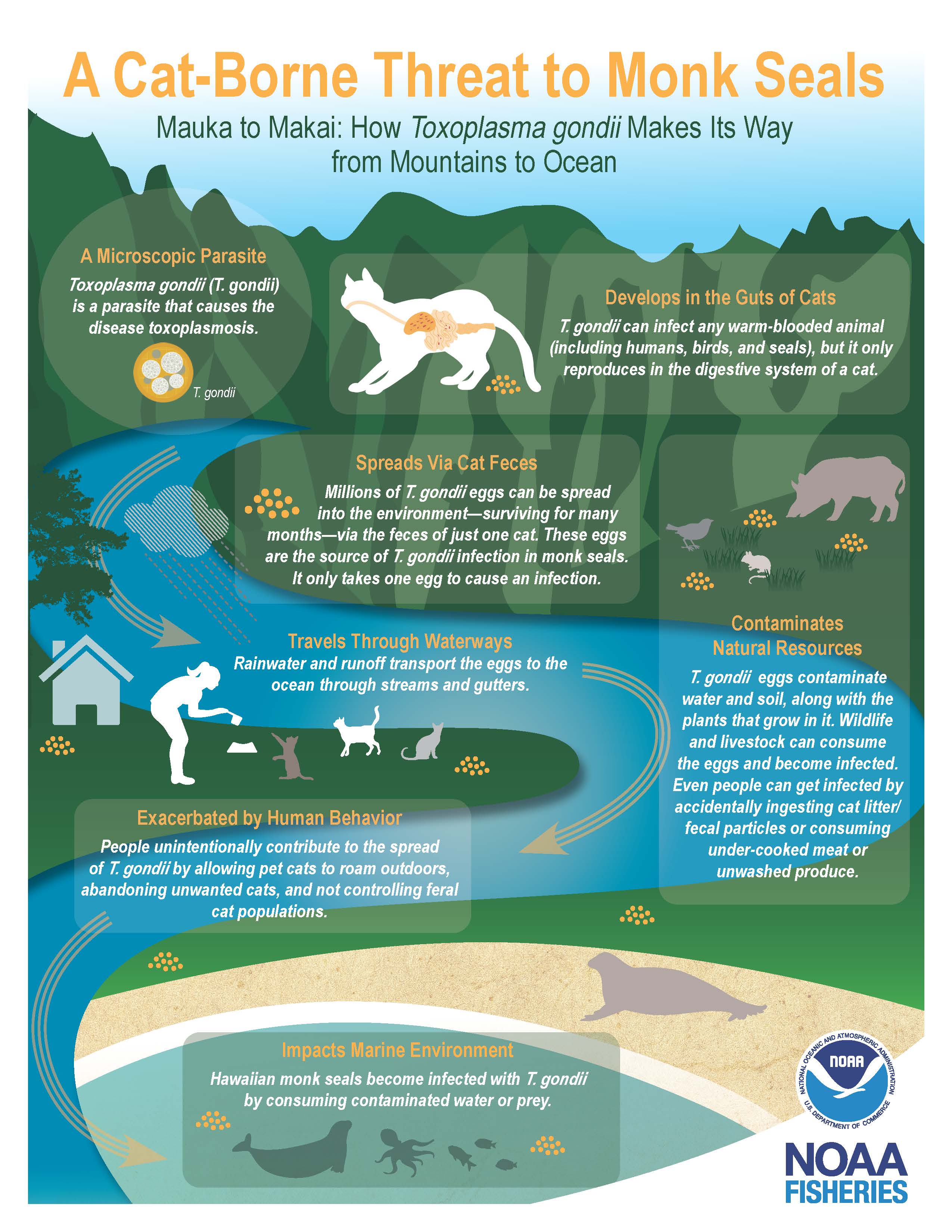
Cats are natural hosts for Toxoplasma gondii. The parasite completes its lifecycle inside them. If your feline friend hunts or consumes raw meat, they might carry the parasite. How does it transfer to humans? It’s often through handling cat litter or soil where the infected feces reside. It’s a simple task, yet it can lead to significant health risks. Are you taking the necessary precautions to protect yourself? Consider practical steps like regular hand washing after cleaning the litter box. You can also ensure your cat’s diet is free from raw meat. These small actions can make a big difference. Final Thoughts Understanding toxoplasmosis and its transmission can empower you to take control. As a responsible pet owner, your choices can protect you and your family. Have you made changes to reduce the risk of this hidden threat?
Credit: www.frontiersin.org
Global Statistics On Toxoplasmosis
Understanding the global statistics on toxoplasmosis can shed light on how widespread this condition is among cat owners and the general population. Toxoplasmosis is caused by the Toxoplasma gondii parasite, often associated with cats as they are its primary hosts. Whether you’re a cat lover or not, knowing the prevalence and regional variations of this infection could be crucial for your health awareness.
Prevalence Worldwide
Toxoplasmosis affects people globally, with varying prevalence rates depending on several factors, including climate, culture, and dietary habits. Studies estimate that about 30% to 50% of the world’s population is infected with Toxoplasma gondii. This means millions of people could unknowingly carry the parasite, potentially leading to health complications if not managed properly.
If you’re a cat owner, you might wonder how this affects your risk. The truth is, owning a cat doesn’t automatically mean you’ll contract toxoplasmosis, but it does raise your chances if you’re not careful with hygiene practices.
Regional Variations
The prevalence of toxoplasmosis varies significantly from one region to another. In parts of Europe, South America, and Africa, infection rates can soar as high as 50% to 80% of the population. This may be due to traditional diets that include raw or undercooked meat, or the warmer, humid climates that favor the parasite’s survival.
In contrast, the United States and Canada report lower prevalence rates, often between 10% to 30%. These differences highlight the impact of lifestyle, climate, and cultural practices on infection rates.
As a cat owner, it’s essential to be aware of these regional differences. If you travel frequently, consider how local practices might influence your risk of exposure to Toxoplasma gondii. When was the last time you considered how your lifestyle choices affect your health risks?
How can you use this information to protect yourself and your loved ones? Ensuring your cat’s litter is cleaned regularly, washing your hands after handling raw meat, and avoiding undercooked food can significantly reduce your risk.
Cat Ownership And Toxoplasmosis Risk
Owning a cat is a joyful experience for many, but it can also come with hidden risks. One such risk is toxoplasmosis, a disease caused by the parasite Toxoplasma gondii. Understanding the connection between cat ownership and toxoplasmosis is essential for protecting your health. How does having a feline friend impact your chances of infection? Let’s dive into the details.
Correlation Between Cat Ownership And Infection
Research suggests a notable connection between cat ownership and the risk of toxoplasmosis. Cats are the primary host for the Toxoplasma gondiiparasite, which they can pass to humans through their feces. This means that if you own a cat, there’s a higher likelihood of encountering the parasite.
However, it’s not all doom and gloom. With proper hygiene practices, you can significantly reduce the risk. Cleaning the litter box regularly and washing your hands afterward are simple yet effective steps you can take. It’s worth asking yourself: are you doing enough to protect against this risk?
Factors Increasing Risk
Several factors can increase your risk of contracting toxoplasmosis from your cat. The age and health of your cat play a crucial role. Young cats and those with compromised immune systems are more likely to shed the parasite. If your cat falls into these categories, you may need to be extra vigilant.
Additionally, outdoor cats tend to have higher exposure to the parasite. If your feline friend roams outside, they might bring the parasite home more frequently. Have you considered keeping your cat indoors to minimize exposure?
Personal experience can shed light on these risks. A friend of mine adopted a stray cat and soon found herself dealing with a toxoplasmosis scare. This serves as a real-life reminder of the importance of understanding the risks associated with cat ownership.
Being informed and proactive can help you enjoy the company of your furry companion without compromising your health. Are there other steps you can take to ensure both you and your cat remain healthy and happy?
Shocking Statistics Among Cat Owners
Cat ownership brings joy to many households worldwide. Yet, there is a hidden concern. Toxoplasmosis is a parasitic infection linked to cats. It affects millions globally. What percentage of cat owners carry this parasite? The statistics are surprising. Let’s explore the data.
Recent Studies And Findings
Recent studies reveal startling numbers. Around 30% of the global population has toxoplasmosis. Among cat owners, the numbers differ. Research shows about 40% of cat owners have been exposed. The parasite’s presence is more common than expected. Indoor cats are not exempt. Owners must stay informed.
Unexpected Trends
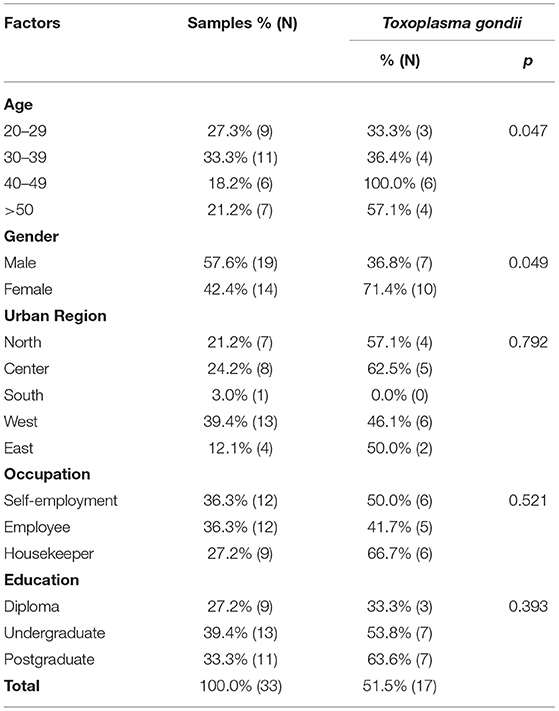
Some trends in toxoplasmosis are unexpected. Urban areas report higher cases than rural regions. Experts suggest better sanitation plays a role. Young adults show more exposure compared to older adults. The lifestyle choices of younger owners might contribute. Awareness campaigns target these groups. Understanding these trends helps in managing risks.
Health Implications For Cat Owners
Many cat owners are unaware of the risks associated with toxoplasmosis. This condition, caused by a parasite, can affect humans who come into contact with infected cat feces. Understanding the health implications is vital for those who share their lives with feline friends. Awareness can help reduce risks and promote safe interactions.
Potential Symptoms And Complications
Toxoplasmosis may cause flu-like symptoms in healthy individuals. These include muscle pain, fever, and headache. Pregnant women face higher risks, which can lead to severe complications. The unborn child may suffer from developmental issues or other health problems. Individuals with weakened immune systems should be extra cautious. They may experience more serious symptoms, affecting vital organs.
Preventative Measures
Regular handwashing reduces the risk of infection. Clean litter boxes daily, wearing gloves for added safety. Avoid feeding cats raw meat to prevent exposure. Pregnant women should delegate litter duties to others. Regular vet visits ensure your cat remains healthy. Staying informed helps protect both you and your beloved pet.
Public Awareness And Education
A significant percentage of cat owners may carry toxoplasmosis without knowing. This common infection, linked to cats, often goes unnoticed due to lack of symptoms. Raising public awareness about its prevalence can help educate cat owners on prevention and health impacts.
Understanding the intersection of cat ownership and toxoplasmosis is more critical than many might assume. Public awareness and education play a pivotal role in ensuring that cat owners are informed about the risks and preventive measures associated with toxoplasmosis. By increasing awareness, we can empower individuals to take informed steps to protect their health and that of their beloved pets.Importance Of Educating Cat Owners
Educating cat owners about toxoplasmosis is not just a responsibility; it’s essential for community health. Most people aren’t aware that around 30-50% of the global population is estimated to be infected with toxoplasmosis, largely due to lack of information. As a cat owner, understanding how the disease spreads and how to prevent it can make a significant difference. Consider this: a friend of mine, a new cat owner, was unaware of the risks until her doctor mentioned it. Her subsequent research transformed her approach to cat care, highlighting the power of knowledge. Are you aware of the steps you can take to mitigate such risks?Effective Communication Strategies
Sharing information effectively is key to raising awareness. Start by using simple, clear language that resonates with your audience. Visual aids like infographics can break down complex data into digestible pieces, making it easier for everyone to grasp. Engage your audience by telling stories or sharing testimonials from other cat owners who have successfully managed risks. Imagine attending a workshop or reading a leaflet that uses relatable scenarios to illustrate prevention methods. Wouldn’t that stick with you more than a dry data sheet? Leverage platforms where cat owners are most active, such as social media groups or pet forums. If you’ve ever been part of an online community, you know how powerful peer-to-peer learning can be. When was the last time you shared a vital piece of information with your network? By focusing on these strategies, we can ensure that the message reaches and educates as many cat owners as possible. What steps will you take today to contribute to spreading this crucial knowledge?Future Research Directions
Exploring the link between cat ownership and toxoplasmosis uncovers fascinating insights. Research aims to pinpoint the percentage of cat owners affected. Understanding this connection may lead to better prevention strategies.
Understanding the future of research on toxoplasmosis among cat owners is crucial for enhancing public health strategies. With the potential impacts on human health, it’s important to focus on what’s next. Researchers are constantly exploring new areas to understand how to effectively combat and prevent this parasite.Areas Needing Further Study
One key area that demands attention is the diverse range of factors affecting the transmission of Toxoplasma gondii. Researchers need to explore how different environments, such as urban versus rural settings, influence infection rates. Investigating whether certain breeds of cats are more prone to carrying the parasite can also provide valuable insights. Moreover, understanding the immune response in humans who have been exposed to the parasite is essential. How does the body fight back, and what can be done to strengthen this defense? These questions could lead to groundbreaking preventive measures.Innovative Approaches To Mitigation
Adopting creative strategies is vital for reducing the spread of toxoplasmosis. For example, researchers are looking into vaccines for cats to cut down the risk of transmission to humans. Imagine a world where your cat’s routine vet visit includes a shot that protects you both—what a relief that would be! Another promising area is public awareness campaigns that educate cat owners on safe handling practices. Simple actions, like wearing gloves while cleaning litter boxes, can significantly lower infection risks. Finally, technology could play a role too. Apps that remind you of safety tips or track your cat’s health could make prevention more accessible. Have you ever thought about how these future research directions might directly impact your life as a cat owner? Engaging with these ideas not only helps protect you and your family but also contributes to a wider understanding of this issue. Your awareness and participation are crucial as we move forward.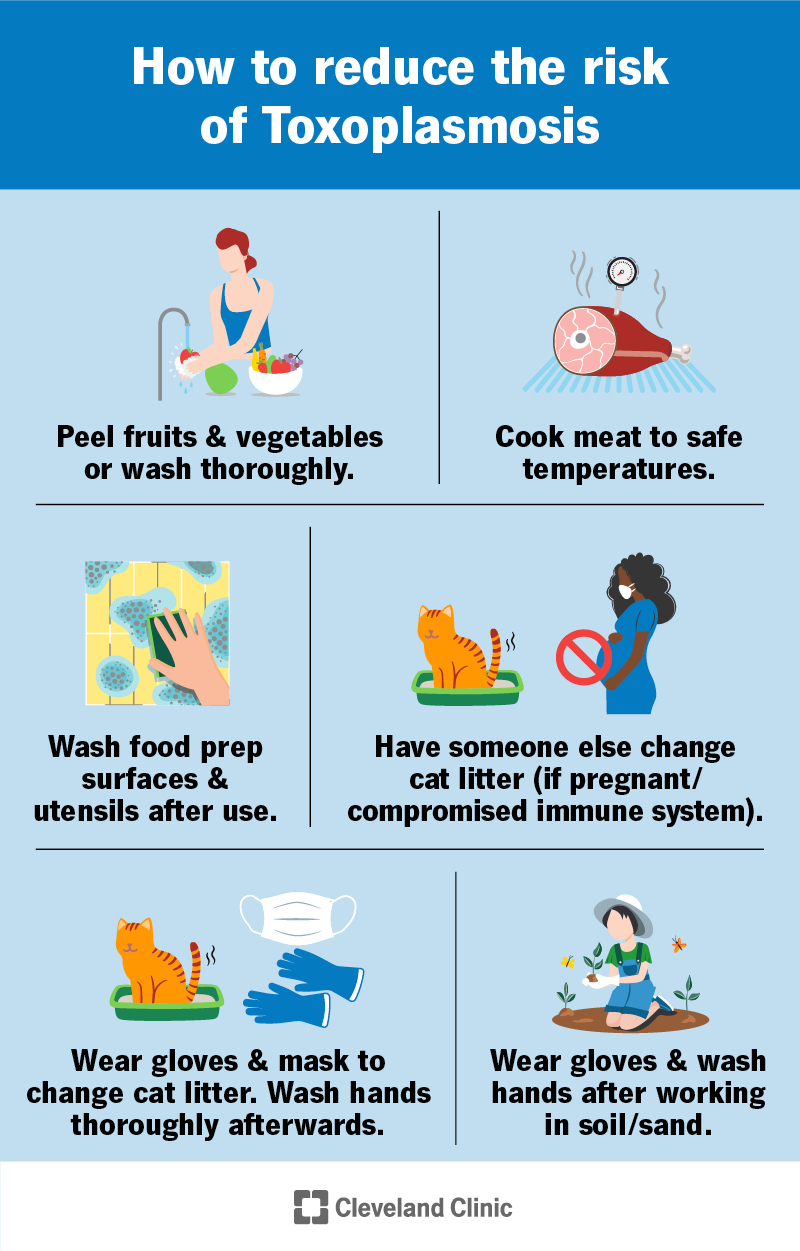
Credit: my.clevelandclinic.org
Frequently Asked Questions
How Common Is It To Get Toxoplasmosis From Cats?
Getting toxoplasmosis from cats is rare. Proper hygiene and handling cat litter safely reduce the risk significantly.
What Are The Odds Of Toxoplasmosis?
Toxoplasmosis affects about 11% of people globally. The risk increases with exposure to contaminated food or cat feces. Pregnant women and immunocompromised individuals face higher risks. Regular hand washing and proper food handling can reduce the chances.
How Do I Avoid Toxoplasmosis If I Have A Cat?
Wash hands thoroughly after handling cat litter. Clean the litter box daily. Wear gloves while gardening. Avoid feeding your cat raw meat. Keep cats indoors to prevent hunting.
How Do You Know If Your Cat Carries Toxoplasmosis?
Consult a vet for a blood test to check for toxoplasmosis in your cat. Cats may show symptoms like lethargy, fever, or loss of appetite. Regular vet check-ups help ensure your cat’s health. Always handle cat litter with care to prevent infection.
Conclusion
Understanding toxoplasmosis in cat owners is essential. Many cat owners may have the parasite. This doesn’t mean all face health risks. Simple precautions help reduce infection chances. Regular vet visits and clean litter boxes help. Awareness is key to prevention.
Knowing the facts can ease worries. Educate yourself and stay informed. Toxoplasmosis is manageable with knowledge. Keep your cats healthy and yourself safe. Stay proactive in your pet care. Protect yourself and your furry friend.