
Imagine spending hours creating the perfect flower bed, only to find it disrupted by your feline friends. Does this sound familiar?
You’re not alone. Cats are naturally curious creatures, and your vibrant blooms are irresistible to them. But don’t worry; there are ways to keep your flowers safe and your cats happy. We’ll uncover simple tricks to protect your garden from playful paws.
Whether you’re a seasoned gardener or a newbie, these tips will make your gardening experience stress-free and enjoyable. Ready to reclaim your flower beds? Let’s dive in!
Natural Repellents
Keeping cats out of your flower beds can be a challenge. Many garden enthusiasts prefer natural repellents. They are safe and eco-friendly. These methods are effective and easy to apply. Let’s explore some popular choices.
Citrus Peels
Cats dislike the smell of citrus fruits. Use lemon, orange, or lime peels. Spread them around your flower beds. The strong aroma keeps cats away. Refresh the peels weekly for best results.
Herbal Solutions
Herbs like lavender and rosemary deter cats. Their scent is unpleasant to feline noses. Plant them around your garden borders. This creates a fragrant barrier. Alternatively, sprinkle dried herbs in the soil.

Credit: www.craftylittlegnome.com
Physical Barriers
Cats love to wander and explore, but flower beds need protection. Physical barriers serve as effective methods to keep these furry friends out. These barriers deter cats without causing harm. They blend seamlessly into garden aesthetics. Let’s explore some practical solutions.
Fencing Options
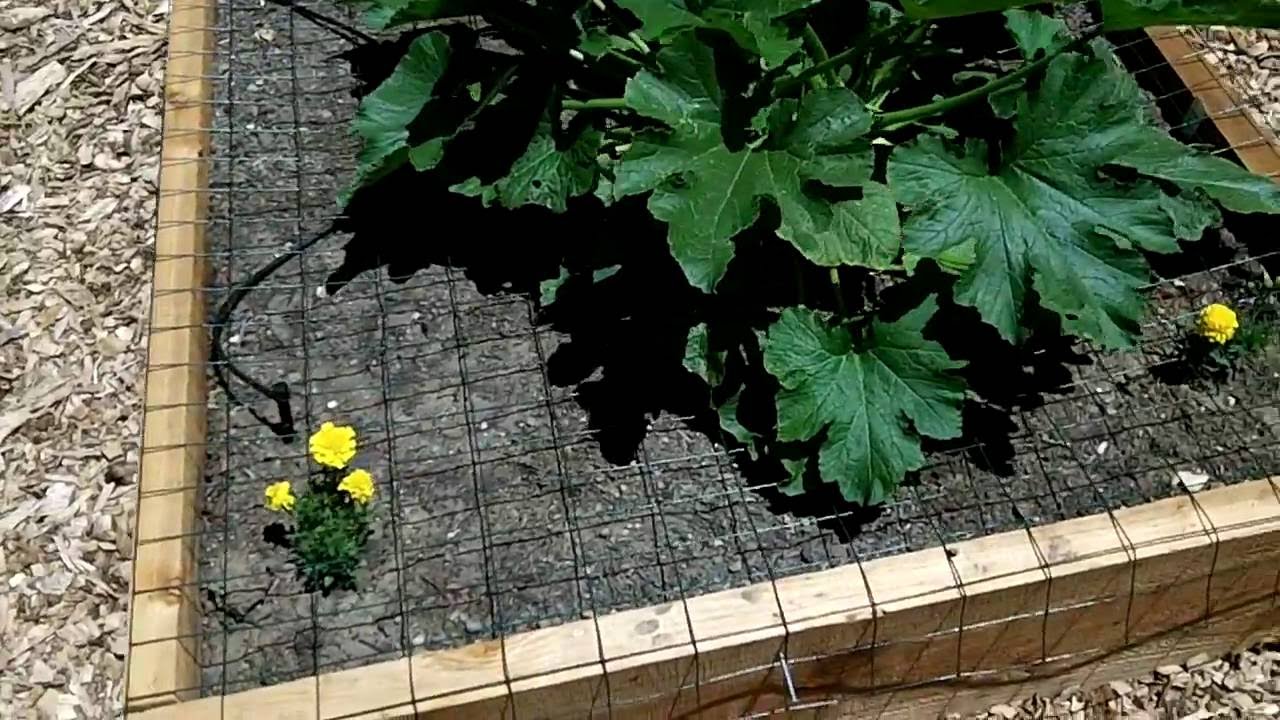
Fencing creates a clear boundary for cats. Low, decorative fences can deter cats without obstructing views. Opt for materials like bamboo or wire mesh. These are effective and visually appealing. Ensure the fence is at least two feet high. Cats are agile jumpers. Adding a slight inward curve at the top increases effectiveness. It prevents cats from climbing over.
Netting Techniques
Netting offers another layer of protection for flower beds. Lightweight, flexible nets can cover plants without damaging them. Secure the netting around the edges with stakes. This keeps it taut and prevents gaps. Choose netting with small openings. It stops cats from slipping through. Netting is also removable. This makes it easy to access your plants for care.
Scent-based Deterrents
Scent-based deterrents offer a simple way to keep cats out of flower beds. Utilize natural aromas like citrus or lavender to create a boundary that cats avoid. These scents are gentle yet effective, ensuring your plants remain untroubled by feline visitors.
Keeping cats out of flower beds can be challenging. Scent-based deterrents offer a natural solution. Cats have a strong sense of smell. Certain scents can repel them effectively. These methods are simple and easy to apply.
Essential Oils
Essential oils are a popular choice. They are natural and safe for plants. Lavender, peppermint, and citrus oils work well. Cats dislike these smells. Mix a few drops with water. Spray around the flower beds. This creates a barrier. Reapply after rain for best results.
Commercial Products
Commercial products are available for cat deterrence. They are specially formulated for gardens. Look for products with strong scents. They often contain predator urine or other repellents. Follow instructions for use. Many are pet-safe and effective. They provide long-lasting protection. Regular application keeps cats at bay.
Garden Layout Strategies
Designing a garden layout that deters cats requires thoughtful planning. It involves choosing plants wisely and using effective mulching techniques. Each strategy can help keep your flower beds safe and beautiful.
Plant Selection
Choose plants that cats dislike. Lavender is a great choice. Cats avoid its strong scent. Rue is another option. It is unappealing to cats. Thorny plants work well too. Roses and holly bushes deter cats naturally. They avoid the sharp thorns.
Mulching Methods
Mulch can be a natural deterrent. Use pine cones as mulch. Cats dislike walking on them. They are uncomfortable and sharp. Stone mulch is also effective. It is rough and hard to walk on. Cats prefer soft surfaces. Bark chips can also be used. They create a dense layer. This makes digging difficult.
Behavioral Training
Cats can be kept out of flower beds with simple behavioral training. Use citrus peels or coffee grounds as natural deterrents. Provide a designated digging area to redirect their attention. Consistency in these methods helps maintain a tidy garden.
Keeping cats out of your flower beds can be quite a challenge, but behavioral training offers a practical solution. By understanding how cats think and act, you can guide their behavior away from your precious blooms. It’s about teaching them boundaries while still fostering a positive relationship.
Positive Reinforcement
Cats, like humans, respond well to positive reinforcement. Rewarding them for good behavior encourages them to repeat it. You might notice your cat lounging on the lawn instead of in the flower bed. Praise them or offer a treat. This simple act reinforces the idea that staying out of the flower bed leads to rewards. Consider what your cat loves most. Is it a particular treat or a scratch behind the ears? Use these rewards strategically to nudge their behavior in the right direction. It’s all about making the right choices appealing.
Consistency In Approach
Consistency is key in behavioral training. If you allow your cat in the flower beds sometimes but discourage it other times, confusion sets in. Stick to your plan firmly. If your cat steps into the flower bed, redirect them immediately every time. Make a routine that reinforces the boundary. Maybe you always lead them to a cozy spot nearby after guiding them out of the flower bed. This consistency helps them learn faster and stick to the new habit. Have you ever considered why some cats seem to learn quicker than others? Often, it’s because their owners maintain a consistent approach. Are you ready to commit to consistency for the sake of your garden? Keeping your flower beds cat-free requires effort but can be achieved with patience and persistence. Your garden can thrive without feline interruptions, and your relationship with your cat can grow stronger too.
Using Technology
Keeping cats out of flower beds can be challenging. Technology offers effective solutions. Devices like motion-activated sprinklers and ultrasonic devices can deter cats. These methods are humane and easy to use. Let’s explore how they work.
Motion-activated Sprinklers
Motion-activated sprinklers detect movement and spray water. This startles cats, keeping them away. The sudden burst of water is harmless. It’s effective in deterring cats from your garden. These sprinklers cover a wide area. They can be adjusted to suit different garden sizes. Installation is simple, and they operate on batteries.
Ultrasonic Devices
Ultrasonic devices emit high-frequency sounds. Cats find these sounds annoying. Humans can’t hear them. This makes ultrasonic devices a silent deterrent. They are easy to set up and require little maintenance. Many models are solar-powered, saving energy. Position them near flower beds for best results.
Community Collaboration
Community collaboration can effectively keep cats out of flower beds. Neighbors share tips like using citrus peels or motion sprinklers. These methods deter cats, protecting gardens while fostering community support.
When it comes to keeping cats out of your flower beds, collaborating with your community can be surprisingly effective. Sharing experiences and solutions with neighbors can lead to innovative strategies that benefit everyone. By joining forces, you can tackle the issue more efficiently and maybe even make some friends along the way.
Neighborly Cooperation
Have you ever considered chatting with your neighbors about the feline visitors in your garden? They might be facing the same challenges and could have some helpful tips. Organize a small gathering or start a group chat to discuss ideas and share solutions. You could even set up a rotation for checking on the flower beds, making it a community effort. Sharing resources is another great approach. Whether it’s buying cat deterrents in bulk or exchanging homemade repellent recipes, working together can save time and money. Plus, a united front often leads to more effective results.
Local Animal Control
If neighborhood cooperation doesn’t fully address the issue, local animal control can offer additional support. Have you ever reached out to them for advice or assistance? They might have programs or resources specifically designed to manage stray cats. Some communities offer humane traps or even TNR (Trap-Neuter-Return) services. These initiatives can help control the cat population over time, reducing the likelihood of them invading your flower beds. Engaging with local animal control can also provide insights into any local ordinances or community programs aimed at managing stray animals. This knowledge can empower you to take informed actions that align with local policies. Are you ready to engage your community and take proactive steps to protect your flower beds? By collaborating with your neighbors and local authorities, you can create a harmonious environment that respects both your garden and the local wildlife.
:max_bytes(150000):strip_icc()/keep-cats-out-flower-beds-1316069-hero-d381f71e57ca47b8b390021fa5594d0e.jpg)
Credit: www.thespruce.com
Credit: www.youtube.com
Frequently Asked Questions
How To Repel Cats From Flower Beds?
Use citrus peels to deter cats from flower beds. Install motion-activated sprinklers to scare them away. Plant cat-repellent plants like lavender or rosemary. Sprinkle coffee grounds or cayenne pepper around the area. Create a physical barrier with chicken wire or decorative fencing to keep cats out.
How Do I Stop Cats Pooping In My Flower Beds?
Use citrus peels or coffee grounds as natural deterrents. Install motion-activated sprinklers or place thorny branches around your flower beds. Consider using commercial cat repellents or planting cat-repelling plants like lavender or rosemary. Regularly clean the area to remove any lingering scents that attract cats.
What Is The Most Effective Homemade Cat Repellent?
A mixture of vinegar and water is an effective homemade cat repellent. Spray it on areas to deter cats. The strong smell of vinegar keeps cats away without harming them. Another option is using citrus peels or essential oils like lavender, which cats dislike.
How Do I Stop Cats From Using My Flower Bed As A Litter Box?
Use citrus peels or coffee grounds to deter cats. Install motion-activated sprinklers or ultrasonic devices. Plant cat-repellent herbs like lavender or rosemary. Use chicken wire or sharp mulch to make soil uncomfortable. Consistently apply these methods for best results.
Conclusion
Keeping cats out of flower beds requires patience and creativity. Natural repellents can help. Try citrus peels or coffee grounds. Physical barriers like fences or netting work well. Motion-activated sprinklers can surprise unwanted visitors. Consider planting cat-repellent plants. Coleus canina is a popular choice.
Training your cat can also be effective. Offer a designated digging spot. Always ensure your methods are safe for cats. Protecting your garden takes effort, but it’s worth it. Enjoy beautiful blooms without feline intruders. Keep experimenting to find what suits your garden best.
Happy gardening!