If you have a furry feline friend at home, you naturally want to keep them safe and healthy. But what happens if your beloved cat starts scratching more than usual and develops bald patches on their skin?
You might start to worry about cat mange. And then the big question hits you: Is cat mange contagious to humans? Understanding this is crucial for both your peace of mind and your family’s health. You’ll discover everything you need to know about how cat mange can affect you, and what steps you can take to protect yourself and your pet.
Stay with us to get the facts and find out how to prevent any unwanted surprises.
Credit: www.petmd.com
What Is Cat Mange?
Cat mange is a skin condition caused by mites. These tiny parasites burrow into the cat’s skin. They cause itching and hair loss. Mange can make your cat uncomfortable. Understanding mange helps in treating it early.
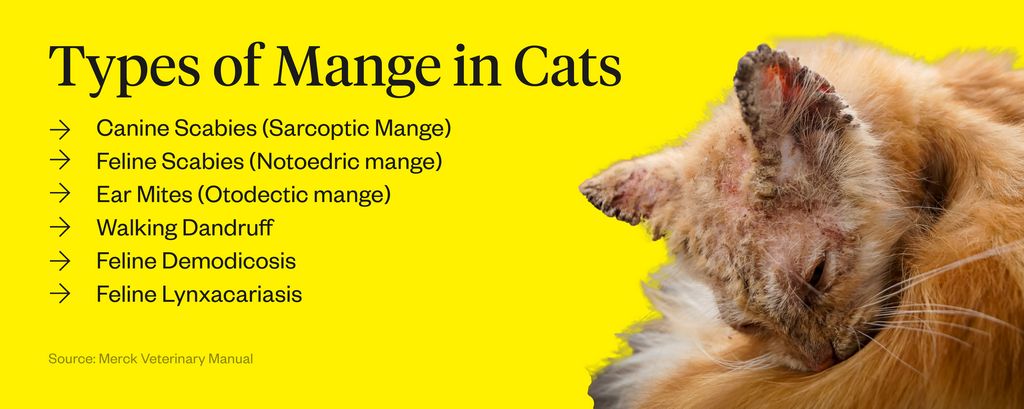
Types Of Mange In Cats
Cats can suffer from two main types of mange. The first type is sarcoptic mange. It is caused by the Sarcoptes scabiei mite. This type causes intense itching. The second type is demodectic mange. It is less common and caused by Demodex mites. Demodectic mange often affects weak cats.
Symptoms In Cats
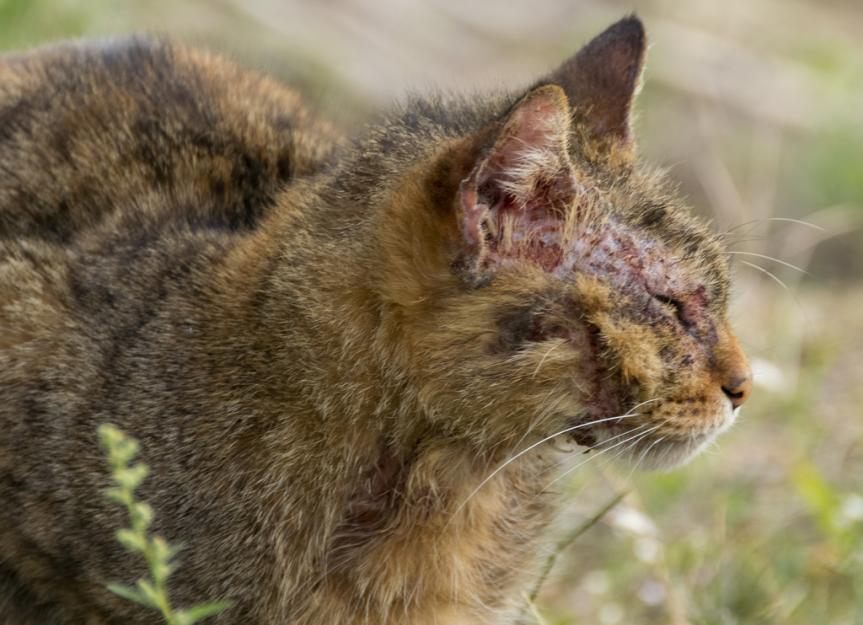
Mange symptoms are visible and distressing. Cats may scratch frequently. You might notice patches of hair loss. Their skin may become red and inflamed. Scabs or sores might develop on their skin. Affected cats often feel restless.

Credit: www.vetlexicon.com
Transmission Of Mange
Cat mange can spread to humans through direct contact with an infected cat. This skin condition, caused by mites, leads to itching and irritation. While it is contagious, it is generally treatable with proper care and hygiene practices.
Transmission of Mange Mange is a skin condition caused by tiny mites that can infect cats, leading to intense itching and hair loss. While mange is a common issue among felines, cat owners often worry about its potential to spread to humans. Understanding how mange spreads can help you protect both your pets and yourself.How Mange Spreads Among Cats
Mange spreads quickly from cat to cat, especially in places where animals are in close contact. This is common in shelters, catteries, or multi-cat households. The mites responsible for mange can easily transfer through direct contact or shared bedding and grooming tools. Cats with weakened immune systems or poor hygiene are more susceptible to contracting mange. Regularly checking your cat for signs of mange, such as scabs or hair loss, can help catch the condition early. In my experience, a friend’s cat developed mange after a visit to a crowded shelter. Regular vet check-ups and maintaining a clean environment prevented it from spreading to her other cats. Are you ensuring your cat’s environment is clean and stress-free?Risks Of Transmission To Humans
While mange mites prefer animal hosts, they can occasionally cause temporary irritation in humans. This usually manifests as mild itching or a rash, but it doesn’t last long. The risk of mange spreading from cats to humans is low but not impossible. You should maintain good hygiene and wash your hands after handling an infected animal. If you notice any skin irritation after contact with a cat suffering from mange, consult a healthcare provider. Have you ever experienced skin issues after handling a pet? It’s always better to be cautious. By understanding how mange transmits, you can take practical steps to protect yourself and your furry friends. So, next time your cat scratches more than usual, consider a vet visit.Signs Of Mange In Humans
Cat mange can spread to humans, causing itching and red rashes. These signs often appear on hands and arms. Prompt treatment is essential to prevent the spread of these uncomfortable symptoms.
Dealing with your cat’s mange can be quite distressing. But what happens if you notice signs of mange on yourself? Understanding the symptoms in humans is crucial for effective treatment. Mange is primarily caused by mites, and though rare, these mites can sometimes transfer from your cat to you. Knowing what to look for can help you act swiftly and seek appropriate care.Common Symptoms
Typically, you might experience itching or irritation on the skin. This can range from mild to severe, and you might notice redness or small bumps forming. Have you ever noticed small, red rashes appearing suddenly? If so, this could be a sign of mange. The itching can be persistent and often worsens at night. Pay attention to areas like your arms or torso, as they are common sites for mite infestations.Diagnosis And Testing
If you suspect mange, visiting a healthcare professional is essential. They might perform a skin scraping test to identify the presence of mites. Doctors can use microscopes to examine skin samples for mites. This is a precise method to confirm mange, ensuring you get the right diagnosis. Remember, proper diagnosis is the first step towards effective treatment. Have you ever had a rash that didn’t go away? It might be worth getting it checked by a professional. Recognizing the signs early can prevent further complications. Do not delay seeking help if you notice symptoms persisting or worsening.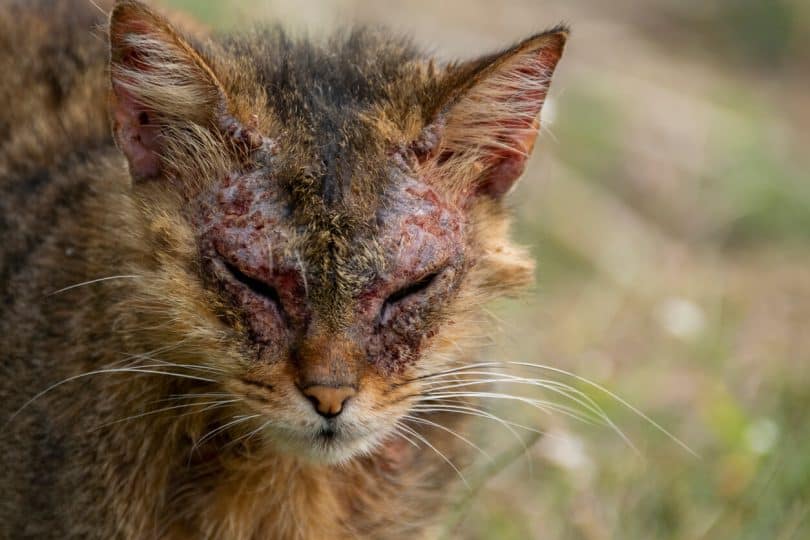
Credit: www.rover.com
Preventing Mange Transmission
Cat mange is typically not contagious to humans. The mites causing mange in cats rarely infest people. Practicing good hygiene and handling pets carefully can further minimize any risk of transmission.
Preventing mange transmission is crucial, especially if you have a furry friend at home. Mange, a skin condition caused by mites, can be a concern for both pets and humans. While it’s rare for humans to contract mange from cats, taking preventive measures can ensure safety for everyone. Understanding the steps to avoid transmission will help you maintain a healthy environment for your pet and your family.Safety Measures For Pet Owners
Keeping your cat healthy is the first line of defense. Regular vet check-ups can catch mange early before it becomes a problem. Use gloves when handling your cat if you suspect mange. It’s not just about avoiding transmission, but also about not worsening the condition with excessive handling. Consider a dedicated space for your pet during treatment. This minimizes risk and ensures that your cat is comfortable. Think of it as giving your cat a little “spa retreat” while they recover.Maintaining Hygiene
Cleanliness is your best friend here. Regularly wash your hands after touching your pet or their belongings. This simple act can prevent many health issues. Disinfect items your cat uses, like their bed or favorite blanket. Use pet-safe cleaning products to ensure no harm comes to your furry companion. Vacuum your home frequently. Mites can be sneaky, and keeping a clean living space can help deter them. Have you noticed how a clean home feels fresh and welcoming? It’s the same for your pet. These measures are practical, yet easy to implement. Have you ever wondered how small changes can make a big difference? Start today, and you’ll notice the peace of mind it brings.Treatment Options For Mange
Mange is a skin condition caused by mites, and it can be quite uncomfortable for both cats and humans. If you’ve ever dealt with it, you know how important it is to find effective treatment options. Whether it’s your feline friend or yourself suffering, knowing how to treat mange can make all the difference. Let’s explore some practical treatments for both cats and humans that can help alleviate the symptoms and get rid of those pesky mites.
Treatments For Cats
Treating mange in cats involves a combination of topical treatments and sometimes oral medications. Your vet might recommend medicated shampoos or dips that are designed to kill mites. These usually need to be applied regularly, so consistency is key.
Another option is oral medications prescribed by your vet, which work from the inside out. Ensure your cat completes the full course even if symptoms improve. Also, maintaining a clean environment helps; wash their bedding and clean areas they frequent to prevent reinfection.
Have you ever felt overwhelmed by the thought of medicating your pet? It’s common, but remember, these treatments are crucial for their recovery. A little patience and care can lead to a healthier, happier kitty.
Treatments For Humans
If you’ve caught mange from your cat, treating yourself requires prompt action. Over-the-counter creams and lotions containing permethrin or ivermectin are effective for human use. They target mites directly, helping to alleviate itching and skin irritation.
Consulting a dermatologist can provide additional options tailored to your skin type. They might suggest stronger medications or treatments based on the severity of your symptoms. Remember to treat all affected areas to prevent spread.
Imagine the relief of finally soothing that persistent itch. By taking proactive steps and following treatment plans, you can effectively manage mange and reclaim your comfort.
Have you considered how your lifestyle might impact recovery? Keep your environment clean and avoid sharing personal items during treatment. This can help prevent reinfection and speed up healing.
Now, think about this: Are you being proactive in treating mange or waiting for symptoms to worsen? Early treatment can make all the difference, so take charge and care for yourself and your furry friend.
Myths And Misconceptions
Understanding the myths and misconceptions about cat mange is crucial. Many people fear this condition due to various myths. These misconceptions often lead to unnecessary panic and misunderstanding. Let’s explore some of these myths to clear the air.
Common Misunderstandings
Many believe cat mange is highly contagious to humans. This is not entirely true. Mange in cats is caused by mites that rarely transfer to humans. If they do, they often die quickly. People often confuse mange with other skin issues. This confusion leads to the belief that mange spreads easily to humans. It’s also a common myth that all cats with mange are severely ill. In reality, mange symptoms can range from mild to severe. Another misunderstanding is that mange can only occur in stray cats. Even well-cared-for pets can get mange.
Scientific Facts
Scientific studies show that cat mange mites are species-specific. They prefer living on cats rather than humans. In rare cases, mites can cause temporary itching in humans. This is usually not severe and resolves itself. Mange in cats is caused by two types of mites: Demodex and Sarcoptes. Sarcoptes mites can cause scabies in humans, but it’s rare. Most humans have natural defenses against these mites. Proper hygiene and treatment can prevent mange from spreading. Understanding these facts helps reduce unnecessary worry.
Frequently Asked Questions
Is It Bad To Touch A Cat With Mange?
Touching a cat with mange can be risky. Mange is contagious and may spread to humans or other pets. Always wear gloves and wash hands thoroughly after contact. Seek veterinary advice for treatment options to ensure safety for both the cat and yourself.
How Do I Disinfect My House From Mange?
Clean surfaces with hot water and detergent. Use disinfectants like bleach on non-porous surfaces. Wash bedding, clothes, and pet items in hot water. Vacuum carpets and upholstery thoroughly. Consult a vet for pet treatment.
What Does Cat Mange Look Like On Humans?
Cat mange on humans appears as red, itchy rashes or bumps. It can resemble mosquito bites or acne. These symptoms often occur on areas in contact with infected cats. Consult a doctor for accurate diagnosis and treatment if needed.
What To Do If You See A Cat With Mange?
Contact a local animal rescue or vet immediately. They can provide treatment and care for the cat. Avoid touching the cat to prevent spreading the mites. Keep other pets away until the cat receives medical attention.
Conclusion
Cat mange can spread to humans, but it’s rare. Maintain good hygiene. Wash hands after touching your cat. Visit the vet if your cat shows symptoms. Early treatment prevents spread. Mange causes itching in both cats and humans. Consult a doctor if you notice skin irritation.
Keep your cat’s bedding clean. Regular grooming helps too. Stay informed and protect your family. Understanding mange ensures better care for your pet. Healthy cats lead to happy homes.