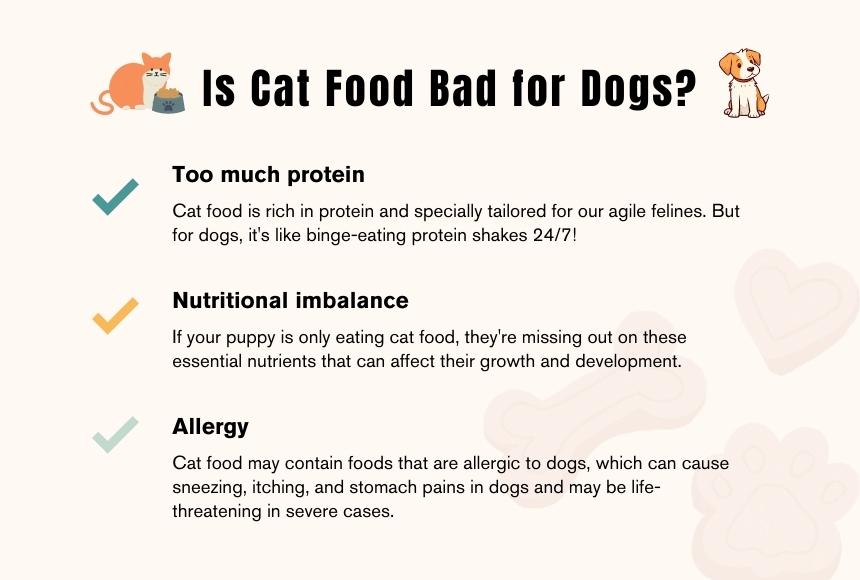
Ever caught your dog sneaking a nibble from the cat’s bowl? It might seem harmless, or even amusing, but feeding your dog cat food could be more problematic than you think.
You might wonder why your furry friend can’t just enjoy a little feline feast every now and then. After all, they both have fur and tails, right? But here’s the twist: their dietary needs are quite different. This article will uncover the hidden dangers of letting your dog indulge in cat food, and how it could affect their health.
Stick with us as we explore why those tempting kitty kibbles might not be the best choice for your canine companion. Understanding these distinctions could be the key to ensuring your pet leads a happy and healthy life. So, are you ready to uncover the truth? Let’s dive in!
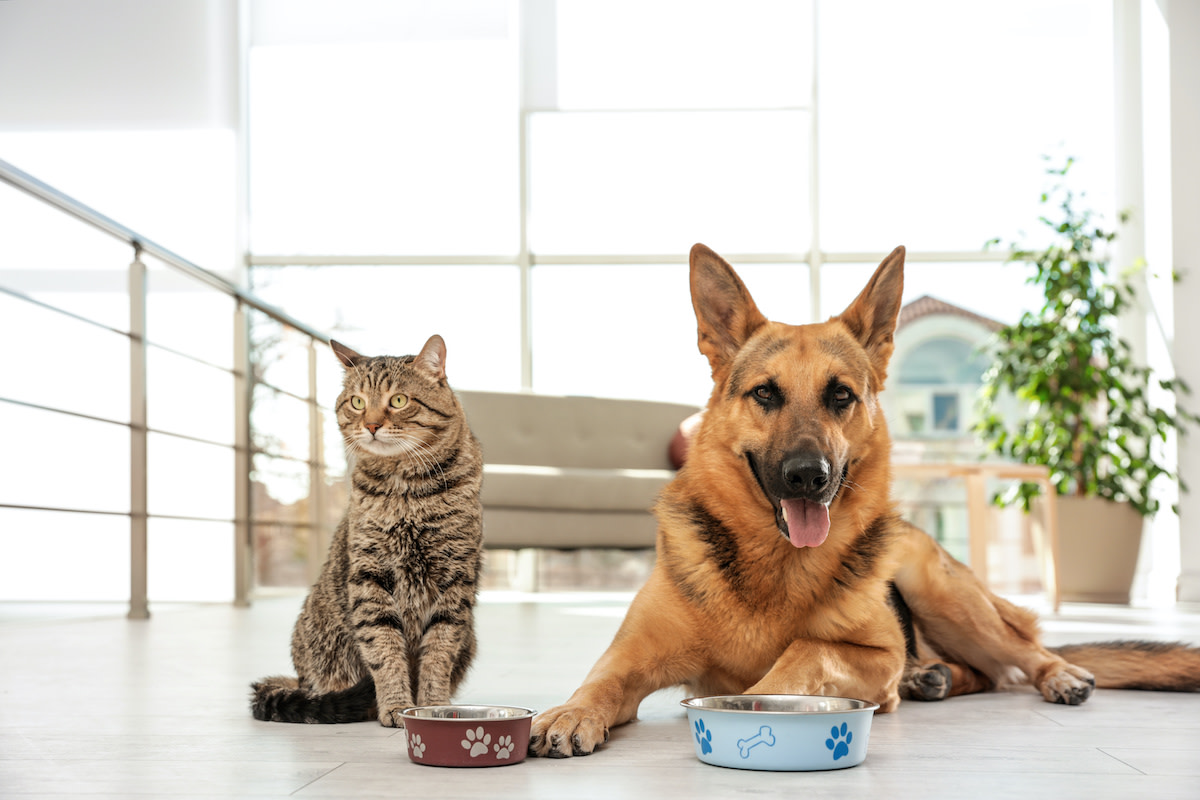
Credit: www.masterclass.com
Nutritional Imbalance
Dog nutrition suffers when fed cat food. Cats need more protein and fat than dogs, causing imbalance. This can lead to health issues in dogs, like obesity or kidney problems.
Feeding your dog the right diet is essential for their health, but what happens when they gobble up cat food instead? The answer lies in nutritional imbalance. Cat food is designed specifically for feline needs, which differ significantly from those of dogs. While it might seem convenient to share, doing so can lead to several health issues for your canine companion. Understanding these differences can help you make better decisions for your pet’s diet.Differences In Nutritional Needs
Cats are obligate carnivores, meaning their diet requires high levels of protein and certain nutrients like taurine, which they cannot produce on their own. Dogs, on the other hand, are omnivores. They thrive on a balanced mix of protein, carbohydrates, and fats. Cat food often contains higher levels of protein and fat than dog food, which is not suitable for a dog’s nutritional requirements. Dogs need specific nutrients that cat food lacks. For instance, dog food often contains more fiber, which supports their digestive health. Feeding your dog cat food regularly could deprive them of these essential nutrients, leading to nutritional deficiencies.Impact On Dog Health
Feeding cat food to your dog might not seem harmful initially, but it can have significant health consequences over time. Dogs consuming too much protein and fat can become overweight, leading to issues like diabetes or joint problems. Have you noticed your dog gaining weight unexpectedly? Cat food might be the culprit. Moreover, the lack of essential nutrients in cat food can cause deficiencies in dogs. For example, an imbalance can lead to weakened bones due to a lack of calcium. It’s crucial to ensure your dog gets a balanced diet tailored to their needs to prevent such health issues. Remember, while your dog may enjoy the taste of cat food, it’s not worth compromising their health. Always provide them with food specifically designed for dogs to ensure they stay happy and healthy. If you ever find yourself in a situation where your dog has eaten cat food, monitor their health and consult your veterinarian if you notice any adverse effects.
Credit: greensafaris.com
Digestive Issues
Feeding dog cat food can lead to digestive problems due to different nutrient requirements. Cats need more protein and fat, which may upset a dog’s stomach. Dogs thrive on balanced nutrients specific to their dietary needs.
Cat food and dog food are not interchangeable. Feeding dogs cat food can lead to digestive issues. Understanding why this happens can protect your dog’s health.Digestive System Differences
Dogs and cats have different digestive systems. Cats need more protein and fat than dogs. Their bodies are built to handle this type of diet. Dogs process food differently. They need a balanced mix of protein, carbohydrates, and fats. Cat food can overload a dog’s system with nutrients it doesn’t need. This imbalance affects how dogs digest their food.Common Digestive Problems
Eating cat food can cause several digestive problems in dogs. Some dogs may experience vomiting. Others might suffer from diarrhea. These symptoms are uncomfortable and can lead to dehydration. Dogs can also have an upset stomach. This can make them lose their appetite. Over time, eating cat food can lead to serious health issues. Digestive problems should not be ignored. They can affect a dog’s overall health.Allergic Reactions
Have you ever wondered why your dog keeps scratching more than usual after sneaking a taste of your cat’s food? Allergic reactions in dogs can be triggered by the ingredients in cat food. While it might seem harmless to let your furry friends share meals, the consequences can be uncomfortable for your dog. Understanding the allergic reactions caused by cat food is crucial for keeping your canine companion healthy and happy.
Common Allergens In Cat Food
Cat food often contains ingredients that are common allergens for dogs. Proteins like chicken, fish, and beef, prevalent in cat food, can cause allergic reactions in some dogs. Moreover, cats benefit from higher fat content, but this can upset a dog’s digestive system.
Grains such as corn and wheat are also often present in cat food. These can trigger allergies in dogs, particularly those with sensitive stomachs. Have you noticed your dog acting differently after indulging in your cat’s meal?
Symptoms Of Allergies In Dogs
Allergic reactions in dogs can manifest in various ways. Scratching, licking, or biting their skin excessively is a common sign. You might also notice redness or swelling in certain areas.
Digestive issues like vomiting or diarrhea can also indicate an allergic reaction. If your dog starts having breathing difficulties or develops a persistent cough, it’s time to consult your vet. Have you spotted any of these symptoms in your dog after they’ve eaten cat food?
Preventing allergic reactions involves vigilance. Are you aware of the specific ingredients your dog is allergic to? Knowing these can help you choose the right food for your pets, ensuring they both stay healthy.
Weight Gain And Obesity
When it comes to feeding your furry friends, it’s crucial to choose the right food for their specific needs. One common mistake pet owners make is giving their dogs cat food, which can lead to significant health issues. A major concern is weight gain and obesity. Cat food is formulated for felines, not canines, and it can cause your dog to pack on the pounds faster than you might realize.
Caloric Content In Cat Food
Cat food typically contains higher calorie counts than dog food. Cats require more calories due to their different metabolic rates and energy needs. When your dog consumes cat food, they’re ingesting more calories than they need. This can result in rapid weight gain.
Consider this: a small bowl of cat food might have the same calorie content as a large dog food meal. Your dog could be unknowingly consuming double the calories. This imbalance can lead to obesity over time.
Long-term Weight Issues
Obesity in dogs can lead to severe health problems. It increases the risk of diabetes, heart disease, and joint issues. An overweight dog may experience decreased mobility, making daily activities challenging.
Have you ever noticed your dog struggling to climb stairs or play fetch? This could be a direct result of weight gain from eating the wrong food. Regularly feeding your dog cat food sets them up for long-term weight issues that can shorten their lifespan and reduce their quality of life.
So, what can you do? Monitor your dog’s diet closely. Ensure they get the right food with appropriate caloric content. Consider consulting your vet to create a balanced diet plan. Your dog’s health is worth the effort.
Have you ever accidentally given your dog cat food? What changes did you notice? Share your experiences and insights below! Your story might help another pet owner make better choices for their furry family member.
Toxic Ingredients
As a dog owner, you might occasionally find your furry friend sneaking bites from the cat’s food bowl. While it may seem harmless at first, cat food can actually be detrimental to your dog’s health due to its toxic ingredients. Understanding these ingredients can help you make informed decisions about your pet’s diet and overall well-being.
Harmful Additives
Cat food often contains additives that are specifically tailored to feline needs. These additives can be harmful to dogs. For example, taurine is an essential amino acid for cats, but excessive amounts can cause digestive issues in dogs.
Some cat foods use preservatives that are not suitable for dogs. These preservatives can lead to allergic reactions or skin irritations. Always check the labels for these additives.
Imagine your dog consuming something that disrupts their digestion or skin health. It’s a scenario worth preventing by keeping cat food out of reach.
Potential Toxins
Certain ingredients in cat food can be toxic to dogs. One such ingredient is propylene glycol, often used to maintain moisture in cat food. It can be harmful if consumed by dogs, leading to issues like lethargy or even liver problems.
Additionally, the higher fat content in cat food can lead to pancreatitis in dogs. This is a painful condition that requires veterinary attention. The risks of these potential toxins are a reminder to keep your dog’s diet dog-specific.
Consider how you would feel if your dog fell ill from eating something meant for another animal. It’s a stark reminder of the importance of vigilance in your pet’s diet.
Do you monitor the ingredients in your pet’s food? Ensuring your dog’s safety starts with understanding what they consume.
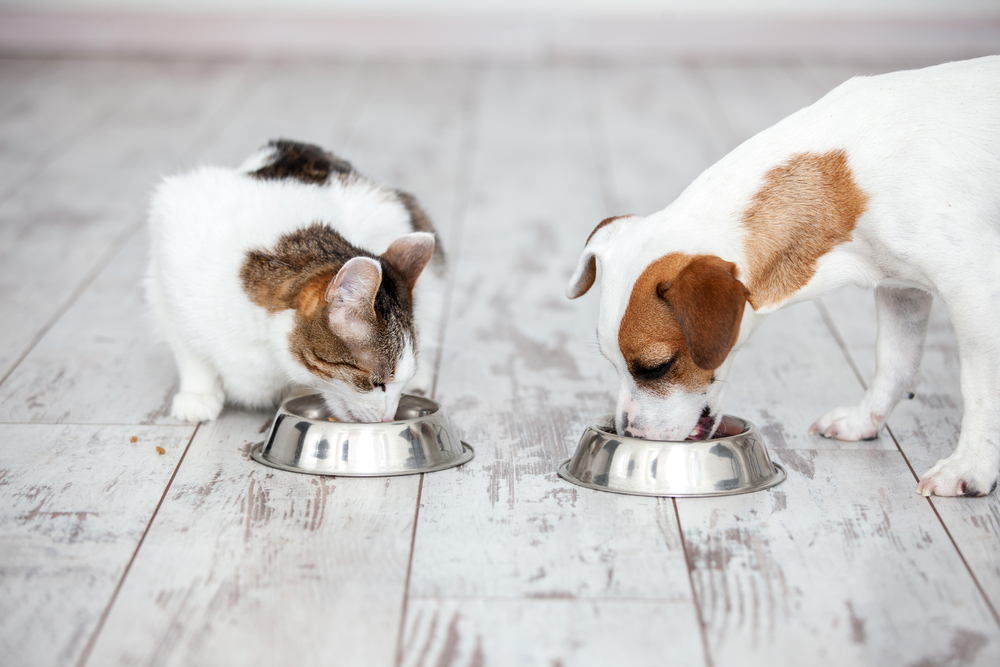
Credit: www.vets-now.com
Behavioral Consequences
Feeding dogs cat food can lead to health problems. Cat food is rich in proteins and fats not suited for dogs. This can cause obesity, digestive issues, and nutrient imbalances in dogs.
When it comes to feeding your pets, ensuring they eat the right food is crucial for their health and well-being. But did you know that feeding cat food to your dog can lead to more than just dietary issues? It can also affect their behavior in surprising ways. Understanding these behavioral consequences can help you make better choices for your furry friends.Food Aggression
Feeding your dog cat food might lead to food aggression. This happens because cat food is often higher in protein and fats, making it more enticing and sometimes addictive to dogs. You may notice your dog becoming overly protective of their meals, growling or snapping if someone approaches while they’re eating. Imagine a scenario: you come home and pour some cat food into your dog’s bowl, thinking it’s a harmless treat. Over time, your dog may start guarding their food aggressively. This behavior can be dangerous, especially if you have young children or other pets around.Changes In Eating Habits
Another behavioral consequence is a change in your dog’s eating habits. Dogs fed cat food might become picky eaters, refusing their regular meals. This shift happens because cat food can be more flavorful, making their usual dog food seem bland in comparison. Have you ever noticed your dog sniffing their regular kibble and walking away? This could be a sign they’ve developed a preference for cat food. It’s like offering a child a candy bar and then expecting them to enjoy plain vegetables. These changes can affect their nutrition, leading to health issues down the road. Ask yourself: is a moment of indulgence worth the risk? Adjusting their diet back to dog food might be challenging but necessary for their well-being. Understanding these behavioral consequences is key to maintaining harmony and health in your home. Are you noticing any of these signs in your dog? It might be time to reassess their diet. Always remember, the right food can make all the difference.Preventive Measures
Understanding why cat food is bad for dogs helps prevent health issues. Taking preventive measures ensures your dog’s well-being and happiness. These steps keep your furry friend safe and healthy.
Safe Feeding Practices
Always read pet food labels carefully. This helps avoid harmful ingredients. Keep cat food out of your dog’s reach. Store it in a secure place. Use separate feeding areas for cats and dogs. This prevents accidental sharing of food.
Monitor your dog’s eating habits closely. Look for signs of digestive issues. If your dog eats cat food, consult a veterinarian. Quick action can prevent serious health problems.
Choosing The Right Dog Food
Select dog food with balanced nutrients. Check for proteins, fats, and vitamins. Avoid foods with high salt and fats. Dogs need different nutrients than cats. Choose a brand with a good reputation. Read reviews from other dog owners.
Consult with your vet about the best food for your dog. Consider your dog’s breed, age, and activity level. These factors influence their dietary needs. Regularly update your dog’s diet as they grow.
Frequently Asked Questions
What Happens If My Dog Eats Cat Food?
Dogs eating cat food occasionally isn’t harmful but can lead to digestive upset. Cat food is high in protein and fat, which may cause obesity or pancreatitis in dogs if consumed regularly. Always consult a vet if your dog shows unusual symptoms after eating cat food.
Is Cat Food Unhealthy For Dogs?
Cat food is not ideal for dogs. It lacks the right balance of nutrients for them. High protein levels can harm a dog’s liver and kidneys. Occasionally consuming it might not harm, but it’s not recommended as a regular diet.
Always prioritize dog-specific food for their health.
What Should I Do If My Dog Only Wants To Eat Cat Food?
Try mixing small amounts of dog food with cat food to transition gradually. Ensure your dog gets proper nutrition. Consult your vet for advice on suitable alternatives. Consider offering dog treats or food with similar flavors to cat food. Use positive reinforcement during meal times to encourage eating dog food.
Why Do Dogs Get Sick From Cat Food?
Dogs get sick from cat food due to its high protein and fat content. Cat food lacks essential nutrients for dogs, which can lead to digestive issues. Consuming cat food regularly may cause obesity and pancreatitis in dogs. It’s crucial to feed dogs a balanced diet specifically formulated for them.
Conclusion
Dogs need nutrition tailored for them. Cat food can’t meet those needs. It lacks essential nutrients dogs require. Dogs may suffer health issues. Digestive problems. Allergies. Even obesity. Cat food is richer in proteins and fats. Not ideal for dogs.
Balanced dog food is important. Keeps them healthy and active. Always choose the right food. Your furry friend deserves the best care. Their diet affects their well-being. Opt for specialized dog food. Consult your vet for advice. Ensure your dog’s diet suits their needs.
Happy dog, happy life.