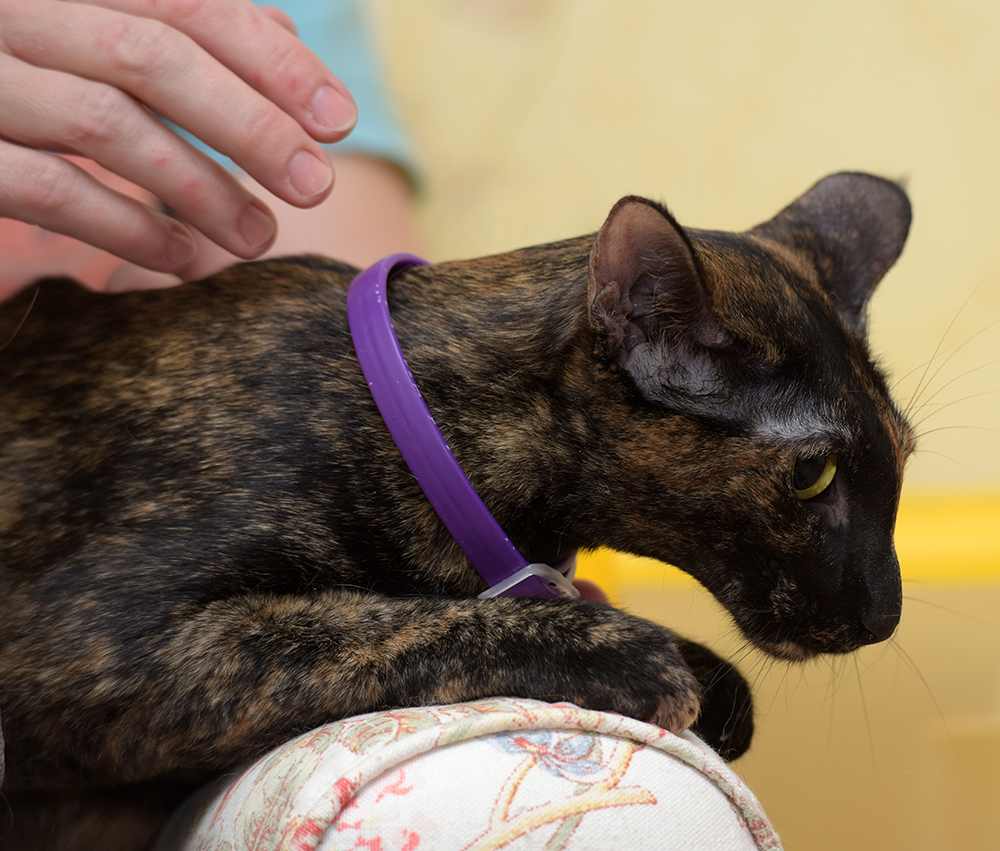
Are you tired of watching your beloved feline friend constantly scratch and itch? Fleas can be a relentless nuisance, not just for your cat, but for your entire household.
You’re probably wondering if cat flea collars are the solution you’ve been searching for. Do they actually work, or are they just another ineffective gimmick? We’ll unravel the truth behind these tiny yet powerful collars and explore whether they can truly bring peace to your home.
Get ready to discover how you can offer your cat comfort and protect your space from pesky invaders. Keep reading to find out how you can make a smart choice for your furry companion’s happiness and health.
How Flea Collars Function
Cat flea collars work by releasing chemicals that kill or repel fleas. The active ingredients spread across the cat’s skin. This creates a protective barrier to prevent infestations, providing effective flea control.
Have you ever wondered how those little flea collars work their magic on your cat? They’re not just a fashion statement! Flea collars are a popular choice for pet owners looking to protect their furry friends from the itchy nuisance of fleas. But understanding how they function is key to choosing the right one for your cat.Mechanism Of Action
Most flea collars work by releasing active ingredients that repel or kill fleas. These substances spread over your cat’s body, protecting them from these pesky parasites. Some collars even emit a gas that deters fleas from hopping onto your pet in the first place. Think of it like a force field. The collar creates a protective barrier around your cat, making them less inviting to fleas looking for a new host. It’s important to ensure your cat’s collar fits snugly but comfortably to maximize its effectiveness. Have you ever tried a flea collar and noticed immediate relief for your pet? That’s because some collars work fast, often within 24 hours. Others might take a few days to reach full effectiveness. Always check the packaging for specific timelines.Types Of Flea Collars
There are several types of flea collars available, each with its own unique features. Chemical-based collars are the most common, utilizing ingredients like permethrin or imidacloprid. These are effective but may not be suitable for sensitive cats or households with young children. Natural flea collars offer an alternative by using essential oils like citronella or eucalyptus. They’re great if you’re concerned about chemicals, but be sure to monitor your cat for any allergic reactions. Some collars are water-resistant, perfect for cats who love to explore the outdoors or enjoy a bath. They continue to work even if they get wet, offering peace of mind. Have you ever tried switching collar types? You might find that what works for one pet doesn’t work for another. This is why observing your cat’s response is crucial.Now, as you consider a flea collar for your cat, ask yourself: What are your priorities? Is it speedy action, natural ingredients, or durability? Your answers will guide you to the perfect collar for your feline friend.
Benefits Of Using Flea Collars
Flea collars for cats are a popular choice among pet owners looking to protect their furry friends from the annoyance of fleas. They provide a range of benefits that can make them a worthwhile investment for both you and your pet. Let’s dive into the specific advantages of using flea collars and see why they might be the perfect fit for your cat.
Continuous Protection
One of the standout benefits of flea collars is their ability to provide continuous protection. Once placed around your cat’s neck, the collar releases active ingredients that ward off fleas. This means your cat is constantly shielded without the need for frequent reapplications.
Unlike topical treatments that can wear off or wash away, flea collars are designed to last for several months. This long-term protection is especially beneficial if you live in an area prone to fleas. It’s like having a built-in defense system for your cat, giving you peace of mind.
Ease Of Use
Flea collars are incredibly easy to use, making them a convenient choice for busy pet owners. You simply put the collar on your cat and let it do its job. There’s no need to measure doses or worry about messy applications.
Additionally, flea collars are adjustable, ensuring a comfortable fit for cats of all sizes. This simplicity can be a game-changer, especially if you’ve struggled with other flea treatments in the past. Have you ever tried to apply a spot-on treatment to a squirming cat? A flea collar eliminates that hassle.
Plus, the ease of use means you can quickly and efficiently protect your cat without interrupting your daily routine. This practicality is often a deciding factor for pet owners when choosing a flea prevention method.
So, could a flea collar be the straightforward solution you’ve been looking for? Consider the continuous protection and ease of use they offer when deciding how best to keep your cat flea-free.
Potential Drawbacks
While cat flea collars offer a convenient solution to the pesky problem of fleas, they are not without their potential drawbacks. Many cat owners find themselves questioning whether these collars really work, especially when they encounter issues related to allergic reactions and limited coverage. Before you decide to strap one onto your feline friend, it’s crucial to weigh these concerns carefully.
Allergic Reactions
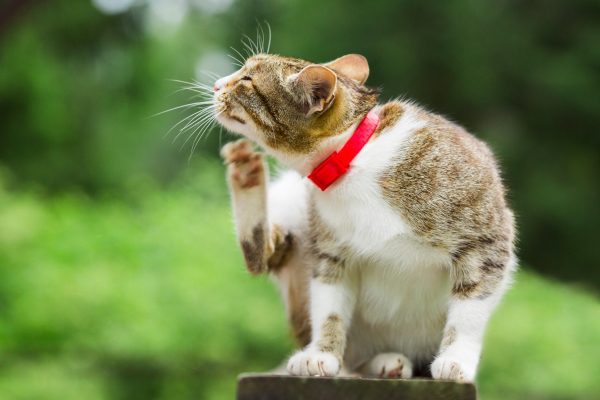
Your cat’s skin is sensitive. Some flea collars contain chemicals that can irritate their skin, causing redness or even hair loss. You might notice your cat scratching excessively or behaving unusually, which can be a sign of an allergic reaction.
Have you ever seen your cat suddenly hide under the bed after wearing a new collar? It’s likely due to discomfort or irritation. Always check the ingredients and consider consulting your vet before using a flea collar, especially if your cat has had reactions in the past.
Limited Coverage
Flea collars often claim to protect your cat entirely from fleas, but their reach can be limited. Areas like the tail or belly might not get the full benefit, leaving some fleas untouched. This limited coverage means fleas can still thrive in these spots, leading to more issues down the line.
Think about it: if you had a jacket that only kept part of you warm, would you trust it during winter? Similarly, relying solely on a flea collar might not fully protect your cat. Combining it with other treatments can ensure better coverage.
So, what can you do if your cat reacts badly to a flea collar, or if you find fleas persisting despite using one? Exploring alternative flea treatments like topical solutions or oral medications might offer more comprehensive protection. Have you considered these options before, and how did they work for your cat?
Credit: mosquitojoe.com
Comparing Flea Collars With Other Methods
Cat flea collars offer a convenient solution for controlling fleas. They release active ingredients that repel pests. Unlike sprays or pills, collars provide continuous protection, making them a popular choice among pet owners.
When it comes to protecting your cat from fleas, the options can seem overwhelming. Flea collars are a popular choice, but how do they stack up against other methods? Understanding the differences can help you make the best choice for your feline friend. Let’s dive into a comparison of flea collars, topical treatments, and oral medications.Topical Treatments
Topical treatments are often favored for their simplicity. You apply them directly to your cat’s skin, usually between the shoulder blades. They work by spreading through the skin’s natural oils, killing fleas upon contact. These treatments can be effective for up to a month, providing a consistent level of protection. However, they might not be the best choice if your cat frequently gets wet. Water can reduce the efficacy of the treatment, leaving your pet vulnerable to fleas. Personal experience: I once tried a topical treatment on my cat, Max. He loved playing in the rain, which made the treatment less effective. It taught me to consider my pet’s habits when choosing a flea prevention method.Oral Medications
Oral medications offer a different approach. They’re typically given monthly and work by circulating active ingredients through your cat’s bloodstream. When a flea bites, it’s exposed to these ingredients, which can kill it quickly. These medications are convenient if your cat hates topical applications. You won’t have to worry about them getting washed off. However, some cats may be picky eaters, making it challenging to ensure they take the medication. Have you ever tried getting a stubborn cat to swallow a pill? It can feel like a battle of wills. If your cat refuses, consider pill pockets or mixing the medication with their favorite treat. Flea collars, topical treatments, and oral medications each have their pros and cons. Your choice depends on your cat’s lifestyle, your budget, and how comfortable you are with each method. Which method do you think your cat would prefer?Factors Affecting Flea Collar Effectiveness
Cat flea collars can be effective, but their success depends on several factors. The collar’s ingredients, your cat’s activity level, and environmental conditions all play a role in how well it works to control fleas. Regular checks and proper usage enhance their effectiveness in protecting your pet.
When it comes to keeping your feline friend free of fleas, flea collars are a popular choice. However, their effectiveness can vary depending on several factors. Understanding these factors can help you make an informed decision about whether a flea collar is right for your cat.Environmental Considerations
The environment in which your cat spends most of its time plays a crucial role in the effectiveness of flea collars. If your cat roams both indoors and outdoors, the collar may be facing a tougher battle against fleas. Outdoor environments can be flea hotspots, especially in warmer months. Think about where your cat lounges. Fleas thrive in tall grass, leafy piles, and even in your carpeted areas at home. Regular cleaning and vacuuming can support the collar’s efforts in keeping fleas at bay. Are you doing enough to maintain a flea-free environment around your cat?Proper Fit And Usage
The way a flea collar fits your cat can greatly affect its performance. A collar that’s too loose might not release enough flea-repelling substances. On the other hand, a collar that’s too tight can be uncomfortable and even unsafe for your pet. Ensure the collar fits snugly yet comfortably. You should be able to slide two fingers between the collar and your cat’s neck. Have you checked the fit recently? Additionally, remember that flea collars have a lifespan. Regularly check the packaging for instructions on when to replace the collar. Misusing or extending a collar’s life can diminish its effectiveness. Your diligence in maintaining the collar ensures your cat gets the best protection possible. Are you ready to take these steps to enhance your cat’s flea defense?Choosing The Right Flea Collar
Cat flea collars can effectively protect your pet from pesky fleas. They release chemicals that kill or repel fleas. Choosing the right collar ensures your cat stays comfortable and flea-free.
Choosing the right flea collar for your cat can be a game-changer in keeping those pesky parasites at bay. With so many options out there, it can feel overwhelming. But with a little guidance, you can make an informed decision that benefits both you and your feline friend. It’s not just about picking the most popular brand; it’s about understanding what works best for your cat’s unique needs. Let’s dive into some key factors that can help you make the right choice.Material And Design
The material and design of a flea collar play a crucial role in its effectiveness. Some collars are made from plastic, while others use softer, fabric-like materials. Consider how your cat might react to the collar’s texture. A cat with sensitive skin may prefer a softer material to prevent irritation. Design matters too. Some collars are adjustable, which is essential for growing kittens. An adjustable collar ensures a snug fit, preventing it from slipping off or being too tight.Active Ingredients
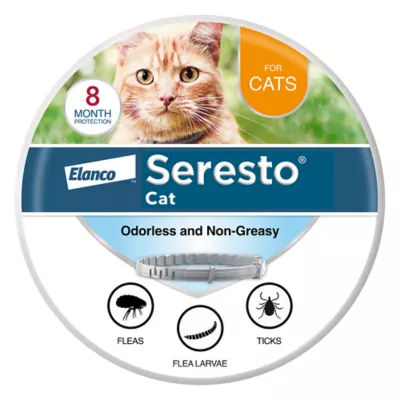
The active ingredients in a flea collar determine its potency and safety. Some collars use chemicals like imidacloprid or flumethrin, known for their effectiveness. However, natural alternatives often contain essential oils like citronella or eucalyptus. They can be effective but might not last as long as chemical options. It’s vital to check if your cat is allergic to any ingredients. Consult with your vet if you’re unsure, as they can provide insights into what might work best for your pet. Have you considered how these choices might affect your cat’s comfort and health? By focusing on material, design, and ingredients, you can ensure your furry friend stays flea-free and happy.User Experiences And Reviews
Cat flea collars receive mixed reviews from users. Some pet owners find them effective in controlling fleas, while others report limited success. Evaluating different brands and consulting with a vet can help make a better decision for your cat.
When considering flea collars for your cat, it’s crucial to hear from those who have tried them. User experiences and reviews can offer valuable insights into their effectiveness and any potential drawbacks. By learning from others, you can make a more informed decision about what’s best for your pet.Success Stories
Many cat owners have found flea collars to be a game-changer. One happy customer shared how their long-haired cat, previously plagued by fleas, enjoyed a flea-free life within weeks of using a collar. This simple solution saved them from frequent vet visits and costly treatments. Another owner recounted how their indoor-outdoor cat remained flea-free throughout the summer. They appreciated the collar’s convenience, as it required minimal maintenance compared to monthly topical treatments. This allowed them more time to enjoy playtime with their pet rather than worrying about fleas. These success stories highlight the potential of flea collars as a practical solution. But do they work for everyone?Common Complaints
Not all experiences are positive, though. Some users reported skin irritation in their cats. One owner noticed redness around their cat’s neck, prompting a switch to a different product. This highlights the importance of monitoring your pet for any adverse reactions. Additionally, a few cat owners felt the collar didn’t last as long as advertised. They found fleas returning after a couple of months, despite the promise of longer protection. This led to frustration and a search for alternative solutions. Common complaints like these remind us that flea collars might not be the perfect fit for every cat. Have you considered potential side effects and the specific needs of your pet? User experiences vary widely, but they provide a useful starting point. By weighing both success stories and common complaints, you can better decide if a flea collar is right for your feline friend.
Credit: yourpetandyou.elanco.com
Credit: www.petsmart.com
Frequently Asked Questions
Do Cat Flea Collars Work If They Already Have Fleas?
Cat flea collars can help control fleas on pets. They release chemicals that kill or repel fleas. For existing infestations, use them alongside other treatments like topical solutions. Always consult a vet for the best approach to eliminate fleas effectively and ensure your cat’s health and safety.
Do Vets Recommend Cat Flea Collars?
Vets often recommend flea collars for cats, especially when used with other flea control methods. They can be effective, but it’s essential to choose vet-approved brands. Always consult your vet to ensure safety and suitability for your cat’s needs.
What Is The Best Way To Get Rid Of Fleas On Cats?
Use a vet-recommended flea treatment for cats. Regularly clean your cat’s bedding and vacuum your home. Check your cat for fleas frequently. Consult your vet for the best products and advice tailored to your cat’s needs.
Are Flea Collars Any Good For Cats?
Flea collars can be effective for cats but choose one with proven, safe ingredients. Ensure proper fit and monitor for reactions. Consult your vet for personalized advice on flea control.
Conclusion
Cat flea collars can help manage flea problems effectively. They offer convenience and continuous protection for your furry friend. While not every collar works equally well, many show positive results. Consider your cat’s needs and consult a vet for the best choice.
Remember, no solution is perfect. Regular monitoring and grooming are key. Flea collars can be part of a bigger flea control plan. With the right approach, your cat stays happy and itch-free. Protect your pet and enjoy peace of mind.
Keep fleas away with consistent care and attention.