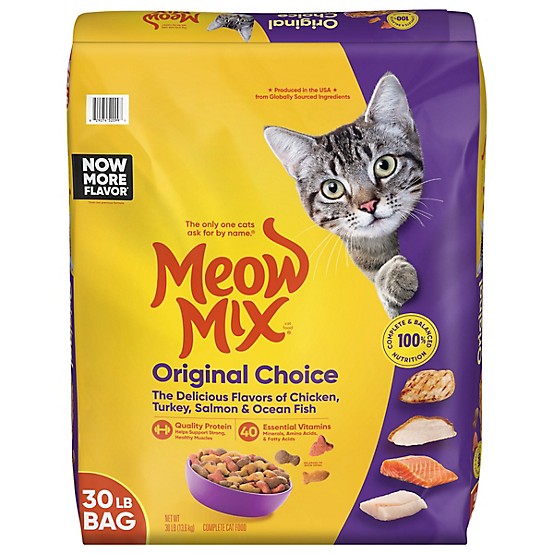
Have you ever caught your dog sneaking a bite from the cat’s food bowl? You’re not alone!
Many pet owners face this challenge, and it raises an important question: Does cat food make dogs sick? As a devoted pet parent, you want the best for your furry friends, and understanding the impact of their diet is crucial.
We’ll uncover the surprising truths about the differences between cat and dog food. Could that sneaky snack from the cat’s bowl be harmful to your dog? Stay with us to discover the facts that could make a difference in your pet’s health and happiness.

Credit: www.petmd.com
Differences Between Cat And Dog Food
Cat food has higher protein and fat than dog food, which can upset a dog’s stomach. Dogs eating cat food might experience digestive issues like vomiting or diarrhea. While cat food isn’t toxic to dogs, it lacks nutrients dogs need, making it unsuitable for their diet.
When you stroll down the pet food aisle, the colorful bags of cat and dog food might seem interchangeable at first glance. However, feeding your dog cat food could lead to an upset stomach or worse. Understanding the differences between cat and dog food is essential for your pet’s health and happiness. Let’s dive into what sets these two types of pet foods apart.Nutritional Needs
Cats and dogs have distinct nutritional requirements. Cats are obligate carnivores, which means they need a diet high in protein and certain nutrients like taurine and arachidonic acid. Dogs, on the other hand, are omnivores and can thrive on a more varied diet that includes grains and vegetables. The higher protein content in cat food might be tempting for your dog, but it can lead to digestive issues or even long-term health problems. This difference in nutritional needs means that cat food is not a suitable substitute for dog food. Next time you’re tempted to share, consider if your dog’s stomach can handle it.Ingredient Variations
The ingredients in cat and dog food are tailored to their specific dietary needs. Cat food often includes higher levels of meat-based proteins, essential fatty acids, and vitamins that cats must have to stay healthy. Dog food, however, balances proteins with carbohydrates and fibers to support their energy and digestive needs. Have you ever noticed your dog sneaking a nibble from the cat’s bowl? It’s likely due to the rich aroma and flavor of meat in cat food. While it might taste delicious to your dog, the imbalance of nutrients can cause stomach upset and other health concerns. It’s crucial to keep your pet’s food separate and ensure they’re getting what they need from their meals. By understanding the distinct ingredients and nutritional profiles, you can make informed decisions about your pet’s diet. Are you giving your furry friend the right food for their needs? Keeping a close eye on their diet can prevent unnecessary health issues and keep your beloved pet feeling their best.:strip_icc()/dog-and-cat-eating-food-from-a-bowl-465997905-eb464a85926642639572aeb0c7f91181.jpg)
Credit: sunnybrookschools.org
Why Dogs Are Attracted To Cat Food
Many pet owners find themselves puzzled when their dogs seem irresistibly drawn to cat food. You’ve probably noticed your furry friend sneaking bites from the cat’s bowl, wagging their tail in delight. But what is it about cat food that makes it so enticing to dogs? Let’s delve into the reasons behind this peculiar attraction.
Smell And Taste Appeal
One of the primary reasons dogs are attracted to cat food is its strong aroma. Cat food often has a more potent smell compared to dog food, thanks to added flavors and ingredients. This enticing scent can lure your dog from across the room, making it difficult for them to resist.
Have you ever noticed how quickly dogs react to smells? Their keen sense of smell makes them natural food detectives. The intense aroma of cat food acts like a siren call, pulling them towards the source. The taste is equally appealing, often richer and more flavorful than their usual kibble.
Higher Protein Content
Cat food typically contains higher levels of protein. Cats are obligate carnivores, requiring a diet rich in meat-based proteins. This high protein content is not only beneficial for cats but also incredibly tempting for dogs.
If your dog is active and loves to play, they might be naturally inclined towards protein-rich foods. This makes cat food an attractive option, offering a taste profile they might find more satisfying. Have you ever thought about how your dog’s nutritional needs might be influencing their food choices?
While it might seem harmless for your dog to indulge in cat food occasionally, it’s essential to consider the potential health risks. Cat food is formulated to meet feline dietary needs, not canine. So, is it worth the risk? Understanding these differences can help you make informed choices for your pets.
Potential Risks Of Dogs Eating Cat Food
Dogs eating cat food might cause upset stomachs due to different nutritional needs. Cat food is richer in proteins and fats. This can lead to digestive issues and potential health problems for dogs.
If you’re a pet owner with both cats and dogs, you might have noticed your dog sneaking a bite of the cat’s food. While it may seem harmless, there are potential risks involved. Dogs and cats have different dietary needs, and what works for one might not be suitable for the other. Understanding these risks can help you ensure the health and happiness of your furry friends.Digestive Issues
Dogs eating cat food can lead to digestive issues. Cat food is typically richer in proteins and fats than dog food. This richness can upset a dog’s stomach, leading to vomiting or diarrhea. You might have noticed this if your dog has ever raided the cat’s bowl and then needed extra trips outside. The ingredients in cat food can be too harsh for a dog’s digestive system. Even a small amount can cause an upset stomach.Nutrient Imbalance
Dog food is formulated to meet their specific nutritional needs. When a dog eats cat food regularly, they might miss out on essential nutrients. Cat food doesn’t have enough carbohydrates that dogs require for energy. Consider the long-term effects of a nutrient imbalance. It could affect your dog’s growth, energy levels, and overall health. Over time, your dog might gain unnecessary weight due to the higher fat content in cat food. Have you ever wondered why your dog seemed less energetic after munching on cat food? This could be why. Ensuring your dog eats the right food is crucial for their well-being. So next time you see them eyeing the cat’s bowl, think about these potential risks. Are you willing to compromise your dog’s health for a moment of indulgence? Taking these risks seriously can help you make better decisions for your pets’ diets. Protect your pets by keeping their food separate, and ensure they each get the nutrients they need.Symptoms Of Illness In Dogs
When a dog eats cat food, it might experience health issues. Cats and dogs have different dietary needs. Cat food is richer in proteins and fats. This can lead to digestive problems in dogs. Recognizing symptoms of illness is crucial for prompt care.
Common Signs
Dogs may show several signs of illness after eating cat food. Vomiting is one of the most common symptoms. Diarrhea might also occur, indicating digestive distress. Some dogs experience lethargy, appearing tired or less active than usual. Excessive thirst can signal dehydration. Watch for frequent urination, as it might mean kidney issues. Abdominal pain is another symptom to look out for. You may notice your dog whining or appearing uncomfortable.
When To Seek Veterinary Help
Consult a vet if symptoms persist or worsen. Vomiting that lasts more than 24 hours needs attention. Severe diarrhea requires professional care. If your dog shows signs of dehydration, seek help immediately. Difficulty breathing or unusual drooling are serious issues. A vet can assess and provide treatment. Early intervention prevents complications. Your pet’s health is the priority.
Preventing Access To Cat Food
Dogs often find cat food irresistible, leading to potential health issues. Cat food is rich in protein and fat, which is not ideal for dogs. Consuming it regularly can upset a dog’s digestive system. Preventing access to cat food is crucial for their health. Here are some effective strategies to keep your dog away from cat food.
Feeding Schedule Strategies
Establish different feeding times for your pets. Feed your cat at a time when your dog is not around. This reduces the chance of your dog eating the cat’s food. Consistent schedules help both pets adjust. It ensures they eat their own meals without interference.
Consider feeding your dog first. This can reduce their interest in the cat’s food. A satisfied dog is less likely to seek out the cat’s meal. Monitoring feeding times can make a big difference.
Physical Barriers
Use physical barriers to separate their feeding areas. A baby gate can keep dogs out of the cat’s space. Ensure the cat can still access its food easily.
Place the cat’s food in a high location. Cats can jump, but dogs cannot reach high spots. This simple trick keeps the cat’s food safe from dogs.
Consider using a cat door for the feeding area. It allows only the cat to enter. This prevents the dog from accessing the food. Simple adjustments can protect your pets’ health.
Alternative Solutions For Pet Owners
Curious pet owners often wonder about cat food affecting dogs. Ingredients in cat food can upset a dog’s stomach. Their nutritional needs differ, so sharing meals isn’t advised.
If you’re a pet owner juggling both cats and dogs, you might be concerned about the possible health risks when your dog sneaks a bite of cat food. While dogs occasionally nibbling on cat food might not seem like a big deal, it can lead to digestive issues. So, what can you do to keep your furry friends healthy and happy? Let’s look at some alternative solutions.Separate Feeding Areas
Establishing separate feeding areas is a simple yet effective strategy. By designating distinct spaces for your cat’s and dog’s meals, you can prevent your dog from accessing cat food. Use barriers like baby gates or closed doors to create physical separation. This not only ensures dietary safety but also reduces competition and stress during mealtime. What if you live in a small space? Consider feeding your cat on a countertop or shelf where your dog can’t reach. This can be an easy fix to the shared space dilemma.Specialized Pet Food Options
Choosing the right food for your pets can make a big difference. There are many specialized pet food options designed to meet the nutritional needs of both cats and dogs. For your dog, look for dog food that is high in protein but still balanced with other essential nutrients. This can help curb their interest in cat food, which is typically richer in protein. Think about consulting your vet for recommendations on pet food brands that cater to your specific pets’ needs. A balanced diet tailored to each pet can minimize health risks and enhance their well-being. By creating a harmonious feeding environment and choosing the right food, you can ensure your pets are happy and healthy. Have you tried any of these solutions? Share your experiences or any other tips in the comments below!
Credit: propelbikes.com
Frequently Asked Questions
Is It Bad To Feed Cat Food To My Dog?
Feeding cat food to dogs is not ideal. Cat food lacks the nutrients dogs need and can cause health issues. Always provide dog-specific food to ensure proper nutrition.
Can Cat Food Cause A Dog To Throw Up?
Yes, cat food can cause a dog to throw up. Dogs have different nutritional needs than cats. Cat food often contains higher protein and fat levels, which can upset a dog’s stomach. It’s best to feed your dog food specifically formulated for them to avoid digestive issues.
Why Do Dogs Get Sick When They Eat Cat Food?
Dogs get sick from eating cat food because it lacks essential nutrients for them and is too high in protein and fat. This imbalance can upset their digestive system and lead to vomiting, diarrhea, or other health issues. Always provide dog-specific food to meet their dietary needs.
Will Dry Cat Food Make My Dog Sick?
Dry cat food can upset your dog’s stomach. It lacks the nutrients dogs need. Cats and dogs have different dietary requirements. Feeding your dog cat food regularly may lead to digestive issues or nutritional deficiencies. Always provide food specifically formulated for dogs to ensure their health and well-being.
Conclusion
Feeding your dog cat food can upset their stomach. Dogs need balanced nutrition. Cat food lacks essential nutrients for dogs. It’s important to choose the right food for your dog. Proper diet keeps them healthy and happy. Check ingredients before feeding your pet.
Consult a vet for dietary advice. They can suggest the best options. Keep your dog safe and well-fed. A healthy dog is a happy dog. Always prioritize their dietary needs. Make informed choices for their well-being. Your dog deserves the best care possible.