
Are you feeding your feline friend the right amount of food? It’s a question every cat owner ponders at some point.
Just like humans, cats have unique dietary needs that can significantly impact their health and happiness. Too much food can lead to obesity, while too little can cause nutritional deficiencies. Striking the right balance is crucial. Understanding how much cat food your cat should eat can be a game-changer for their well-being.
Dive into this guide where we unravel the perfect portion sizes, helping you ensure your cat stays healthy and satisfied. Ready to discover the ideal feeding plan that suits your furry companion’s needs? Let’s make sure your cat is getting just the right amount of nourishment they deserve.
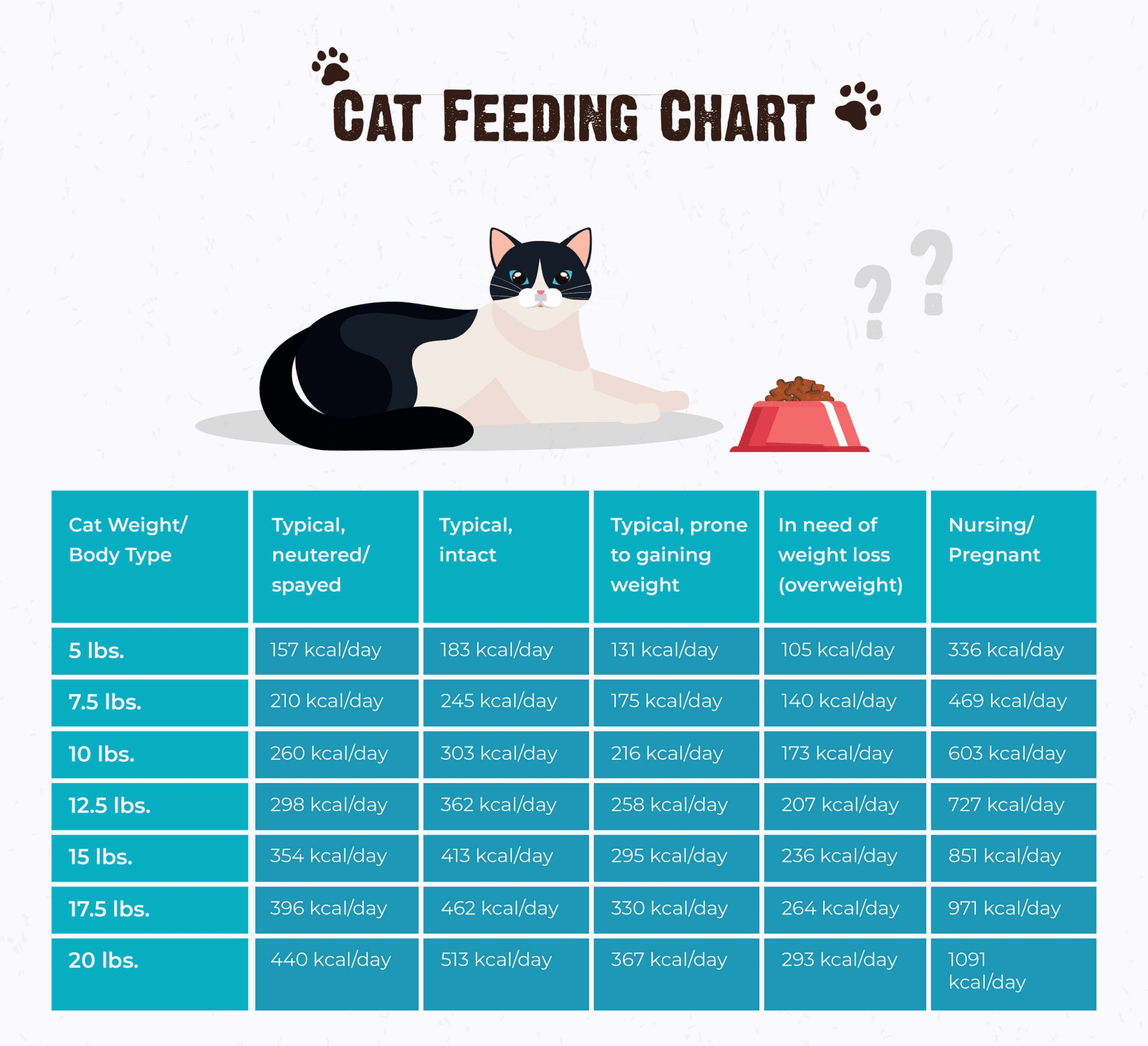
Credit: www.consolata.org
Factors Affecting Cat Food Intake
Understanding how much food a cat needs can be tricky. Various factors influence a cat’s food intake. Each cat is unique, and their dietary needs vary. Let’s explore the main factors affecting how much a cat eats.
Age And Life Stage
Cats’ nutritional needs change with age. Kittens need more food for growth. They have high energy needs. Adult cats need balanced nutrition. Senior cats might eat less due to lower activity. Always adjust food portions according to their life stage.
Activity Level
Active cats burn more calories. They need more food to fuel their activities. Indoor cats might need less food. They are usually less active. Monitor your cat’s activity to adjust food portions. Overfeeding can lead to obesity.
Health Status
Health issues can affect a cat’s appetite. Some illnesses increase food intake needs. Others may decrease it. Always consult a vet for health-related feeding advice. Regular check-ups ensure your cat’s dietary needs are met.
Breed And Size
Different breeds have different dietary needs. Larger breeds need more food than smaller ones. Some breeds are prone to obesity. Understanding your cat’s breed helps in feeding them correctly. Adjust food portions based on your cat’s size.

Credit: www.expertcatcare.com
Types Of Cat Food
Understanding the types of cat food available is crucial to feeding your feline friend appropriately. With so many options, choosing the right food can be overwhelming. Let’s dive into the various types of cat food to help you make an informed decision for your cat’s diet.
Dry Food
Dry cat food, or kibble, is one of the most popular choices among pet owners. It’s convenient, easy to store, and often more affordable than other options. One benefit is that it can help with dental health, as the crunchy texture may reduce plaque buildup.
However, dry food usually has lower moisture content, which can be a drawback. Cats are naturally inclined to get their water from food, so ensure your cat drinks enough water if they’re on a kibble diet. Have you ever noticed how your cat seems to crunch away happily at dry food? This could be an indicator of their preference, but be cautious about portion control.
Wet Food
Wet food comes in cans or pouches and is often favored for its high moisture content. This can be particularly beneficial for cats who don’t drink much water. Wet food tends to have a more appealing smell and taste, often making it a hit with finicky eaters.
Although wet food can be pricier and less convenient to store, many cats thrive on it due to its richness in protein and moisture. Have you tried offering wet food to your cat? Watch their reaction; it might surprise you how much they enjoy it.
Raw Diets
A raw diet consists of uncooked meats, organs, and sometimes bones. Some cat owners swear by it, claiming it mimics a natural diet. However, feeding raw can be tricky. It requires careful handling to prevent contamination and ensure balanced nutrition.
If you’re considering a raw diet, consult a vet to ensure your cat gets the nutrients they need. Can you imagine preparing raw meals for your cat? It might sound daunting, but some owners find it rewarding.
Prescription Diets
Prescription diets are formulated for cats with specific health issues, such as kidney disease or food allergies. These diets require a vet’s approval and are tailored to meet particular dietary needs.
If your cat has a health condition, a prescription diet might be necessary. Have you discussed dietary options with your vet? It could be the key to improving your cat’s health and quality of life.
Choosing the right type of food for your cat is not just about preference—it’s about their health and happiness. As a cat owner, what have you found works best for your feline friend?
Determining The Right Amount
Cats need specific amounts of food based on their age, size, and activity. Always check the food packaging for guidance. Consult a vet to ensure your cat’s diet is balanced and healthy.
Determining the right amount of cat food for your feline friend is crucial for their health and well-being. Many cat owners wonder how much is too much or too little. This decision isn’t always straightforward, as it depends on various factors like age, weight, and activity level. But with a few guidelines, you can ensure your cat stays happy and healthy. Let’s dive into some practical insights to help you make the best feeding choices for your kitty.Feeding Guidelines
Start by checking the feeding recommendations on your cat food package. These guidelines provide a general idea based on weight and age. However, every cat is unique. Consider your cat’s lifestyle. Is your cat mostly indoors or outdoors? An active outdoor cat may need more calories than a sedentary indoor cat. Consult your vet for tailored advice. They can assess your cat’s health and advise on specific needs.Portion Control
Portion control is essential to prevent obesity. Many cats love to eat, but overfeeding can lead to health issues. Measure out meals using a cup or scale. This helps you provide consistent portions every time. Stick to a feeding schedule. Regular mealtimes can help regulate your cat’s metabolism and avoid overeating.Monitoring Weight
Keep an eye on your cat’s weight. Regular weigh-ins can alert you to potential health issues. Notice changes in your cat’s body shape. Is your cat looking a bit rounder than usual? It might be time to adjust their food intake. Reflect on your feeding habits. Are you offering too many treats or table scraps? Little extras can add up quickly. Have you ever wondered if your cat is getting the right amount of food? Balancing their diet is an ongoing process. Engage with your pet and observe their behavior for signs of hunger or fullness. Your attentive care can make all the difference in their health journey.Common Feeding Mistakes
Feeding your cat correctly ensures their health and happiness. Mistakes in feeding can cause problems like obesity or malnutrition. Understanding these mistakes helps you provide the best nutrition for your furry friend.
Overfeeding
Overfeeding is a common mistake cat owners make. Cats may gain weight quickly and develop health issues. Obesity in cats can lead to diabetes or joint problems. Monitor your cat’s weight regularly. Adjust food portions based on their size and activity level. A healthy weight is essential for a happy cat.
Underfeeding
Underfeeding is also harmful and can lead to malnutrition. Cats need enough nutrients to stay active and healthy. Check if your cat’s ribs are visible. This might mean they are not getting enough food. Provide balanced meals with proteins, fats, and carbohydrates.
Inconsistent Feeding Times
Inconsistent feeding times can disrupt a cat’s routine. Cats thrive on regular schedules and predictability. Changing feeding times can cause stress or behavioral issues. Aim to feed your cat at the same time each day. Consistent meals help maintain their internal clock and overall well-being.
Tips For Healthy Feeding Habits
Cats need balanced diets for health. Portion control is crucial; adjust food based on age, weight, and activity level. Monitor your cat’s eating habits to ensure they’re getting the right amount of nutrition daily.
Feeding your cat is more than just filling a bowl; it’s about nurturing a healthy lifestyle. Establishing good feeding habits can significantly impact your cat’s health and happiness. Whether you’re a seasoned cat owner or new to the feline world, understanding how much your cat should eat is crucial. Here’s how you can promote healthy feeding habits for your furry friend.Establishing A Routine
Cats thrive on consistency. Establishing a feeding routine helps regulate their digestion and energy levels. Feed your cat at the same times each day, ideally twice, to mimic their natural predatory habits. A routine reduces anxiety, knowing when their next meal is coming. Imagine waking up each morning knowing exactly when your coffee break is. It’s comforting, right? The same goes for your cat.Ensuring Balanced Nutrition
Balanced nutrition is key to a cat’s health. You want to ensure your cat gets the right mix of proteins, fats, and carbohydrates. Review the labels on cat food packages for essential nutrients. Consult your vet for recommendations tailored to your cat’s age and activity level. Remember, a kitten’s needs differ from those of an adult cat. A balanced diet supports a shiny coat, bright eyes, and playful energy.Adjusting Diet For Special Needs
Some cats have special dietary needs due to health conditions or age. Older cats might need fewer calories, while active kittens require more. Is your cat gaining weight or losing energy? Adjust their diet accordingly. If your cat has allergies or a medical condition, consult your vet. They can guide you on the best food choices. My cat, Luna, developed a food allergy, and switching to hypoallergenic food made a world of difference in her energy levels. By focusing on these feeding tips, you can enhance your cat’s health and ensure they lead a vibrant life. Are you ready to make mealtime your cat’s favorite time of the day?Consulting A Veterinarian
Veterinarians provide expert advice on cat food quantities. Cats require balanced nutrition based on age, weight, and activity level. Regular consultations ensure dietary needs are met for optimal health.
When it comes to determining how much cat food your feline friend should eat, a veterinarian is your best ally. They have the knowledge and expertise to tailor a feeding plan that suits your cat’s unique needs. Consulting a veterinarian not only ensures your cat maintains a healthy weight but also addresses any specific dietary requirements they might have.Understanding Your Cat’s Unique Needs
Every cat is different. Age, breed, and activity level all play a role in how much food they need. A vet can assess these factors to give you a personalized feeding recommendation.Addressing Health Concerns
Cats can have health issues that affect their diet, such as diabetes or kidney disease. Your vet can identify these issues and suggest dietary adjustments. This can prevent complications and improve your cat’s quality of life.How To Prepare For Your Vet Visit
Bring details about your cat’s current diet and feeding schedule. Note any changes in behavior or weight. This information will help your vet make the best recommendations.Asking The Right Questions
Don’t hesitate to ask questions. You might want to know if your cat needs supplements or if their current food is appropriate. Your vet can provide clarity on these matters.Building A Long-term Feeding Plan
Regular vet consultations can help adjust your cat’s diet as they age or if their health changes. This ongoing relationship ensures that your cat’s nutritional needs are consistently met. By consulting a veterinarian, you’re taking a proactive step in securing your cat’s health. How has your vet helped you with your cat’s diet? Your insights could assist others in making informed decisions.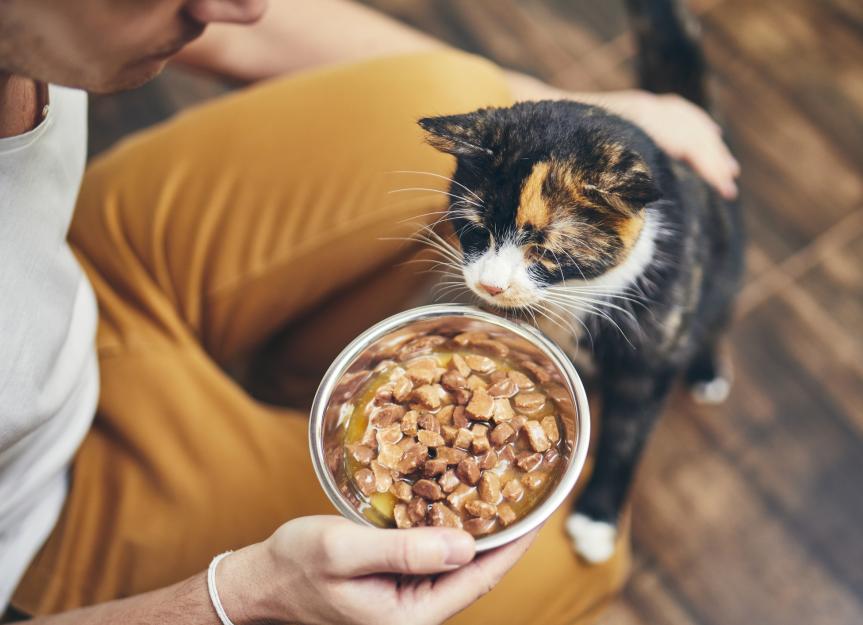
Credit: www.petmd.com
Frequently Asked Questions
Is 1 Cup Of Food Too Much For A Cat?
The appropriate food amount for a cat depends on its age, weight, and activity level. Consult your vet for personalized guidance. One cup may be too much for some cats, leading to obesity, while others might require more. Always ensure a balanced diet tailored to your cat’s needs.
How Much Food Should A Cat Eat In A Day?
Cats typically need 20 calories per pound of body weight daily. Adult cats usually eat 2-4 ounces of food daily. Consult your vet for specific dietary needs. Adjust portions based on activity level, age, and health. Always ensure fresh water is available.
Avoid overfeeding to prevent obesity.
Is 2 Meals A Day Enough For A Cat?
Two meals a day are usually enough for adult cats. Cats thrive on routine feeding schedules. Ensure the meals are balanced and nutritious. Adjust portions based on your cat’s activity level and weight. Always provide fresh water. Consult a veterinarian for personalized feeding advice.
What Is The 25 Rule For Cat Food?
The 25% rule for cat food means that at least 25% of the product’s weight must come from the named ingredient if it uses descriptive terms like “dinner,” “entrée,” or “platter. ” This ensures the food meets specific ingredient content requirements for labeling.
Conclusion
Finding the right amount of cat food is crucial. It keeps your cat healthy and happy. Observe your cat’s weight and energy levels. Adjust portions as needed. Consider age, size, and activity. Consult a vet for personalized advice. They provide insight into dietary needs.
Use feeding guidelines as a starting point. Remember, each cat is unique. Regularly check food labels. Ensure balanced nutrition. A happy cat means a happy home. Feed with love, care, and attention. Your cat’s health is worth the effort. Keep them purring contentedly every day.