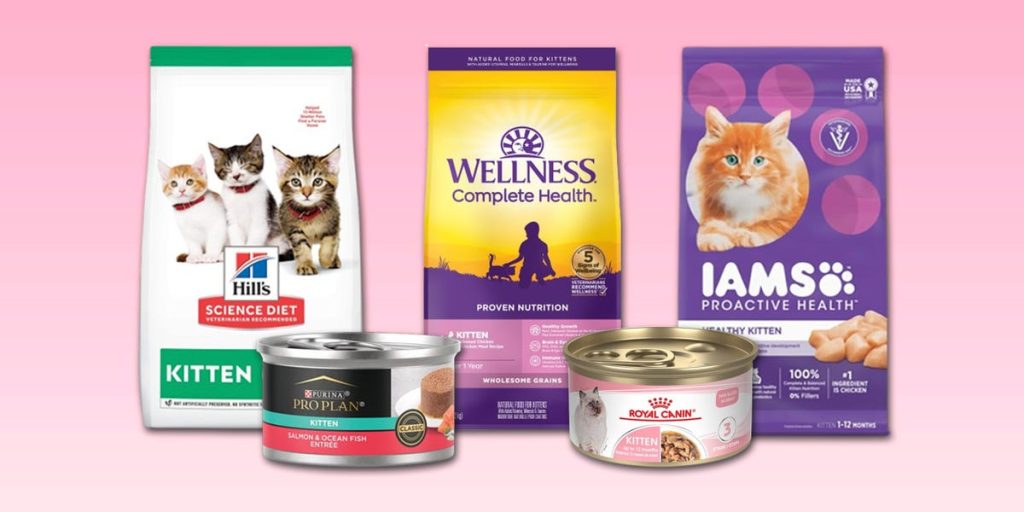
Are you standing in the pet food aisle, overwhelmed by the endless choices of kitten food? You’re not alone.
Choosing the right food for your kitten is more than just picking a brand off the shelf. It’s about setting the foundation for a healthy and happy life for your new furry friend. The right nutrition can boost their growth, energy, and even their personality.
But with so many options out there, how do you know what’s truly the best for your kitten? This guide will unravel the secrets of kitten nutrition, helping you make an informed decision that your kitten will love. Dive in to discover what makes kitten food truly exceptional and ensure your little feline gets the best start in life.
Credit: propelbikes.com
Nutritional Needs Of Kittens
Kittens require special nutrition to support their rapid growth. Their small bodies need more protein and energy than adult cats. This ensures they grow into healthy and strong cats.
Understanding their unique dietary needs helps in choosing the best food. A balanced diet aids in their development and prevents health issues. Let’s explore the key nutrients kittens need.
Protein: The Building Block
Protein is crucial for kittens. It helps build muscles and tissues. Look for high-quality animal proteins in kitten food. Chicken, turkey, and fish are excellent sources. A protein-rich diet supports their active lifestyle.
Fats: Energy Source
Fats provide energy and support brain development. Healthy fats also keep their coats shiny. Omega-3 and Omega-6 fatty acids are important. Check the food labels for these essential nutrients.
Vitamins And Minerals: Essential For Health
Vitamins and minerals play a vital role. They support immune function and bone development. Calcium and phosphorus are important for strong bones. Vitamins A, D, and E boost overall health. Ensure the food contains these nutrients.
Water: Keeping Them Hydrated
Hydration is crucial for kittens. Always provide fresh water. Wet food can also contribute to their fluid intake. It helps prevent urinary tract issues. Wet food often contains high moisture content.
Carbohydrates: Limited But Necessary
Carbohydrates provide energy, but in moderation. Kittens don’t need too many carbs. Focus on foods with low carb content. Whole grains and vegetables are better choices.
Understanding these nutritional needs helps in selecting the right kitten food. This ensures your kitten grows healthy and happy.
Wet Vs Dry Cat Food
Choosing the right food for kittens is essential for their growth. Wet and dry cat foods each have unique benefits. Understanding these can help you decide what is best for your kitten’s health and happiness. Let’s explore the benefits of each type.
Benefits Of Wet Cat Food
Wet cat food contains a high moisture content. This helps keep kittens hydrated. It’s especially helpful if your kitten doesn’t drink much water. Wet food often has a rich aroma. This makes it appealing to picky eaters. The texture is soft, perfect for young kittens’ tiny teeth. It can also aid in digestion. The moisture and texture make it easier to chew and swallow. Additionally, wet food often includes real meat. This can provide essential proteins and nutrients.
Advantages Of Dry Cat Food
Dry cat food is convenient and easy to store. It doesn’t spoil quickly, which makes it ideal for free feeding. You can leave it out for kittens to nibble throughout the day. Dry food helps keep teeth healthy. Chewing the kibble can reduce tartar buildup. It’s also generally more cost-effective. You can buy it in bulk and save on expenses. Dry food is often calorie-dense. This ensures kittens get enough energy for growth and play. The crunchy texture can also promote dental health.
Essential Ingredients
Choosing the right cat food for kittens is crucial for their growth. Kittens need specific nutrients to thrive and develop. Understanding essential ingredients helps you make informed choices.
Protein Sources
Protein is vital for kitten growth. It builds strong muscles and tissues. Look for foods with animal-based proteins. Chicken, turkey, and fish are excellent options. These sources provide essential amino acids. These amino acids support healthy development. Ensure protein is the primary ingredient.
Healthy Fats
Fats are important for energy and brain development. Kittens require more energy than adult cats. Healthy fats also support skin and coat health. Omega-3 and Omega-6 fatty acids are beneficial. These fats can be found in fish oil. They contribute to a shiny coat and sharp vision.
Vitamins And Minerals
Vitamins and minerals are crucial for balanced nutrition. They support immune function and bone growth. Calcium and phosphorus are key for strong bones. Vitamin E and C boost immunity and overall health. Ensure the food contains a balanced mix of these nutrients. Check for taurine, an essential amino acid for heart health.
Avoiding Harmful Additives
Choosing the right food for your kitten is crucial for their health and growth. While many cat foods promise excellent nutrition, they might also contain harmful additives. It’s important to avoid these additives to ensure your kitten’s diet supports their development rather than hindering it.
Artificial Preservatives
Artificial preservatives might extend the shelf life of cat food, but they can pose risks to your kitten’s health. Common preservatives like BHA and BHT have been linked to health issues in pets. You should look for foods that use natural preservatives such as vitamin E or rosemary extract instead. These alternatives are safer and help keep your kitten’s food fresh without compromising their health.
Coloring Agents
Colorful cat food might be visually appealing to you, but your kitten doesn’t care about how their food looks. Coloring agents are often added to make the food more attractive, yet these additives can cause allergic reactions or digestive problems. Opt for brands that focus on wholesome ingredients instead of artificial colors. It’s better for your kitten’s health and well-being.
Fillers
Fillers are cheap ingredients used to bulk up cat food, providing little to no nutritional value. Cornmeal and wheat are common fillers that can lead to obesity and allergies. Prioritize foods that list real meat as the first ingredient, ensuring your kitten gets the protein they need for growth. Avoiding fillers means your kitten will consume quality nutrients, not empty calories.
Have you ever checked the labels of your kitten’s food and wondered about the long list of ingredients? Understanding what’s in your pet’s food helps you make informed choices that benefit their health. Always read labels carefully and choose foods that prioritize nutrition over unnecessary additives.
Reading Cat Food Labels
Choosing the right food for your kitten is a crucial step in ensuring their health and happiness. But how do you know if the food you’re picking is the best? Reading cat food labels can be your secret weapon. This skill will help you make informed decisions, giving your kitten the nutrition they need to grow strong. Let’s dive into some key aspects of understanding these labels.
Identifying Quality Brands
When you’re scanning the shelves, look for brands that are known for their commitment to quality. Familiar names often have a reputation to uphold, ensuring their products meet high standards. Check if the brand has endorsements from veterinary professionals or pet nutritionists. Brands that take pride in their sourcing and manufacturing processes often provide detailed information on the label. You might be surprised how much a little research can reveal about the integrity of a brand.
Decoding Ingredients List
The ingredients list is where you’ll find the real story. The first few ingredients are crucial—they tell you what the food is primarily made of. Look for high-quality protein sources like chicken or fish at the top of the list. Avoid foods with fillers like corn or soy, as these offer little nutritional value. A recent trip to the pet store taught me to scrutinize labels more closely; I found a top-brand food that had more grains than meat! Remember, quality ingredients lead to healthier kittens.
Checking Expiry Dates
Expiry dates are not just a formality; they matter more than you might think. Feeding your kitten expired food can lead to health issues. Always check the date printed on the packaging to ensure freshness. It’s easy to overlook, especially when you’re in a hurry, but a quick glance can save you from purchasing a product that’s past its prime. How often do you check expiry dates before you buy? It’s a habit worth cultivating.
By mastering the art of reading cat food labels, you’re not just shopping smarter—you’re investing in your kitten’s future. What insights have you gained from reading labels? Share your thoughts below!
Special Diets For Kittens
Choosing the right diet for your kitten is crucial for their growth and development. With so many options available, it can be overwhelming to decide what’s best. Special diets cater to specific needs and can enhance your kitten’s health. From grain-free to organic and hypoallergenic, understanding these options can help you make an informed choice.
Grain-free Options
Grain-free cat food is popular among pet owners who believe it mimics a cat’s natural diet. These diets exclude common grains like corn and wheat, which some believe can cause allergies or digestive issues.
However, it’s important to remember not all kittens need to avoid grains. If your kitten shows signs of sensitivity, grain-free might be worth considering. Always check labels to ensure the food contains essential nutrients like taurine and omega fatty acids.
Organic Cat Foods
Organic cat foods use ingredients free from synthetic pesticides and fertilizers. They often offer higher nutritional value, providing your kitten with a cleaner diet.
While organic options can be more expensive, many pet owners find peace of mind in knowing their kitten’s diet is free from harmful chemicals. If you’re concerned about sustainability, organic foods often support eco-friendly farming practices.
Hypoallergenic Diets
If your kitten experiences frequent itching or digestive problems, a hypoallergenic diet might be beneficial. These diets are formulated to minimize allergens and often feature novel proteins like duck or venison.
Switching to hypoallergenic food can be a game-changer if your kitten has allergies. It’s always a good idea to consult with your vet before making this switch to ensure it’s the right step for your furry friend.
Have you noticed any unusual reactions after feeding your kitten? Observing and understanding their needs can guide you in choosing the best diet. Remember, the right food can set the foundation for a healthy and happy life for your kitten.
Transitioning Kittens To New Food
Transitioning kittens to new food is a delicate process. Their tiny tummies are sensitive. The right approach ensures a smooth transition. It’s crucial for their health and happiness. Start with patience and care.
Gradual Introduction
Introduce new food slowly to your kitten. Mix a small amount with their current food. Increase the new food gradually over a week. This prevents upset stomachs. Watch their reaction closely. Consistency helps them adjust better.
Monitoring Health Reactions
Keep an eye on your kitten’s health during the transition. Look for signs of digestive upset. Diarrhea or vomiting may occur. If so, slow down the change. Ensure they stay playful and active. Their coat should remain shiny and soft. These are signs of good health.
Credit: www.arkeup360.com
Consulting A Veterinarian
Choosing the best food for kittens can be overwhelming. Consulting a veterinarian ensures your kitten receives the right nutrition. Vets offer expert advice based on your kitten’s needs. They understand what kittens require for healthy growth. This guidance helps prevent common health issues. It also supports optimal development.
Tailored Nutritional Advice
A veterinarian provides personalized dietary plans. They assess your kitten’s age, breed, and weight. This helps in recommending the most suitable food. Each kitten has unique dietary needs. A vet can identify these needs accurately. They ensure your kitten gets balanced nutrition. This promotes strong bones and shiny fur.
Addressing Health Concerns
Vets can spot early signs of health problems. They recommend food that supports immune health. Certain foods can prevent common illnesses in kittens. Your vet knows which ingredients to avoid. This reduces the risk of allergies or digestive issues. Consulting a vet ensures your kitten stays healthy and happy.
Credit: greensafaris.com
Frequently Asked Questions
What Is The Best Food To Feed My Kitten?
Feed your kitten high-quality, specially formulated kitten food. Choose brands rich in protein and essential nutrients. Ensure the food meets AAFCO standards for growth. Gradually transition from mother’s milk to solids by eight weeks. Consult a vet for personalized dietary advice.
Avoid feeding adult cat food or human food.
Which Cat Food Is Best For A Kitten?
Choose high-quality kitten food rich in protein and essential nutrients. Opt for brands like Royal Canin, Hill’s Science Diet, or Blue Buffalo. Ensure the food supports growth and development. Always check with a veterinarian for personalized recommendations based on your kitten’s specific needs.
What Is The Healthiest Kitten Food Brand?
Royal Canin and Hill’s Science Diet are top-rated kitten food brands known for their nutritional balance. They offer formulas designed specifically for growth and development, promoting a healthy immune system and digestion. Always consult with a veterinarian to choose the best option for your kitten’s needs.
What Is The 3-3-3 Rule For Kittens?
The 3-3-3 rule for kittens refers to their adjustment period: 3 days to decompress, 3 weeks to settle, and 3 months to fully adapt to their new home. This guideline helps new owners understand the time kittens may need to feel comfortable and secure.
Conclusion
Choosing the right cat food for kittens ensures their healthy growth. Focus on balanced nutrition and quality ingredients. Look for essential vitamins and minerals. Always read labels carefully. Consider wet and dry food options. Kittens need protein for energy and development.
Consult your vet for personalized advice. Trust reputable brands for safety and quality. Regular feeding routines help kittens thrive. Watch their weight and adjust portions as needed. Proper nutrition sets the foundation for a happy, healthy cat. Make informed choices for your kitten’s well-being.
A little effort now leads to a lifetime of benefits.